
The ten groups at a glance
Farm equipment falls into three jobs: working the land, handling the crop, and looking after animals. The table gives the size our range covers in each group, so you can see where your farm sits before opening a product page.
| Group | What it is | Size in our range | Suits |
|---|---|---|---|
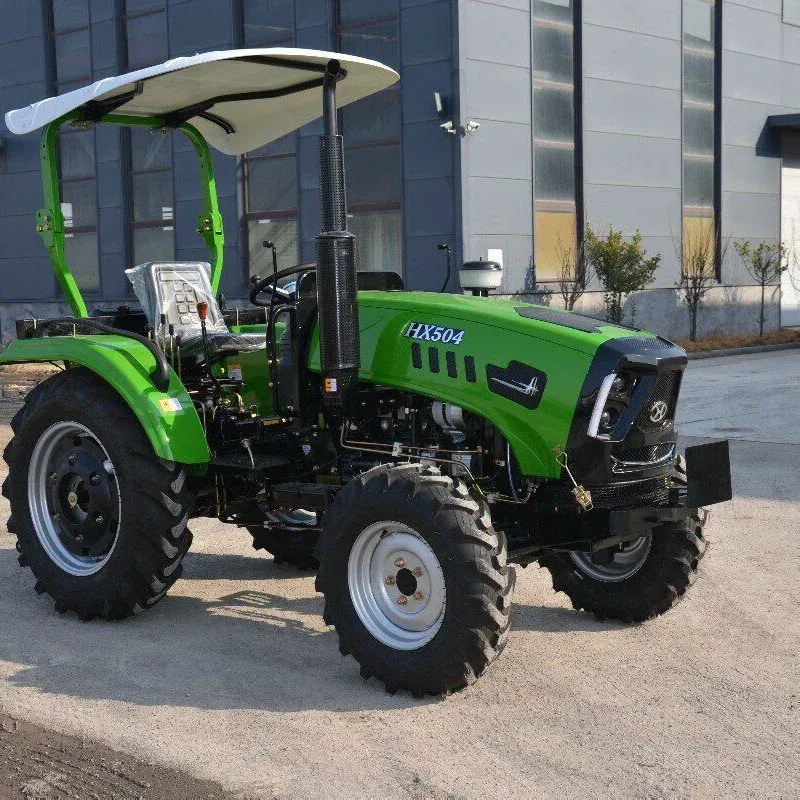
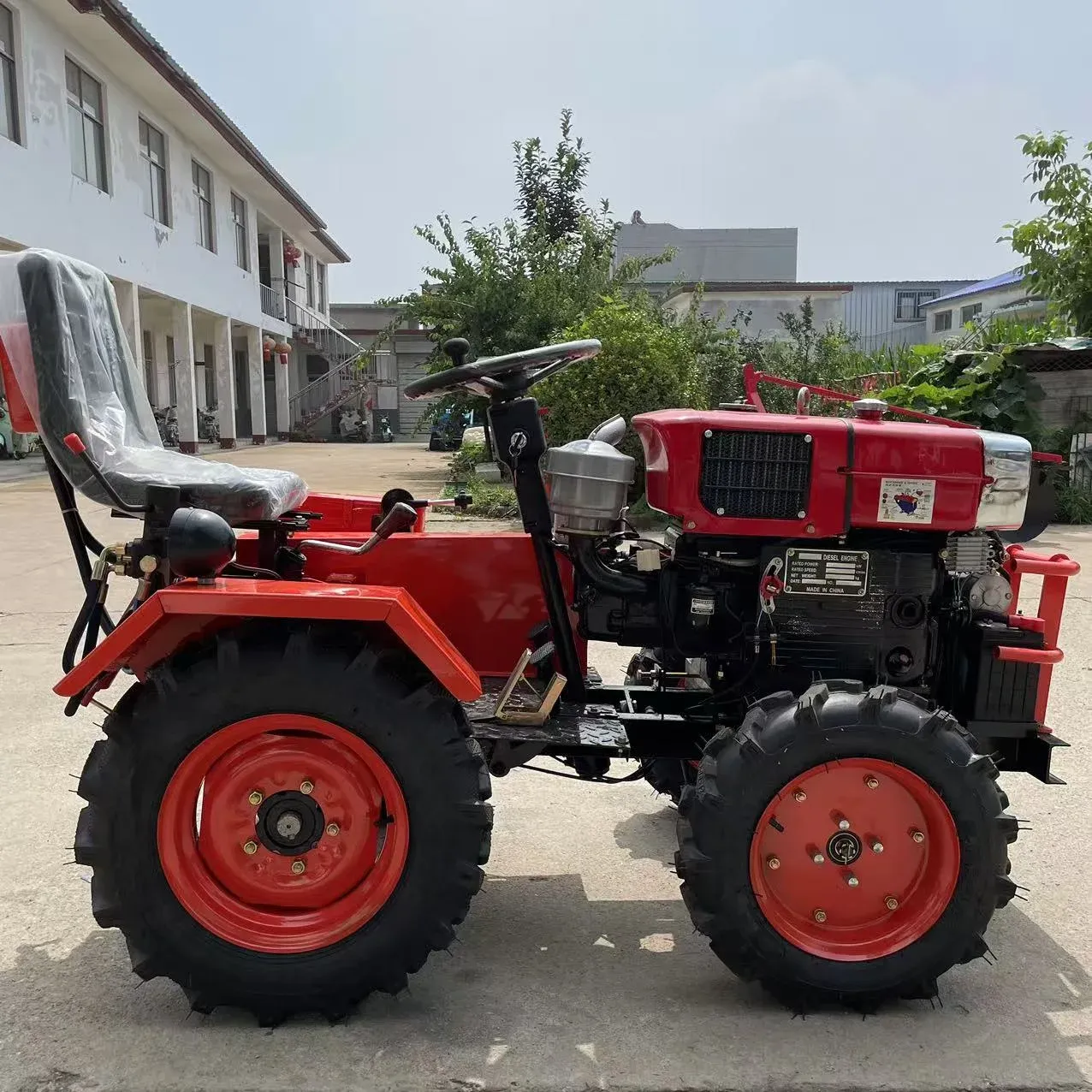
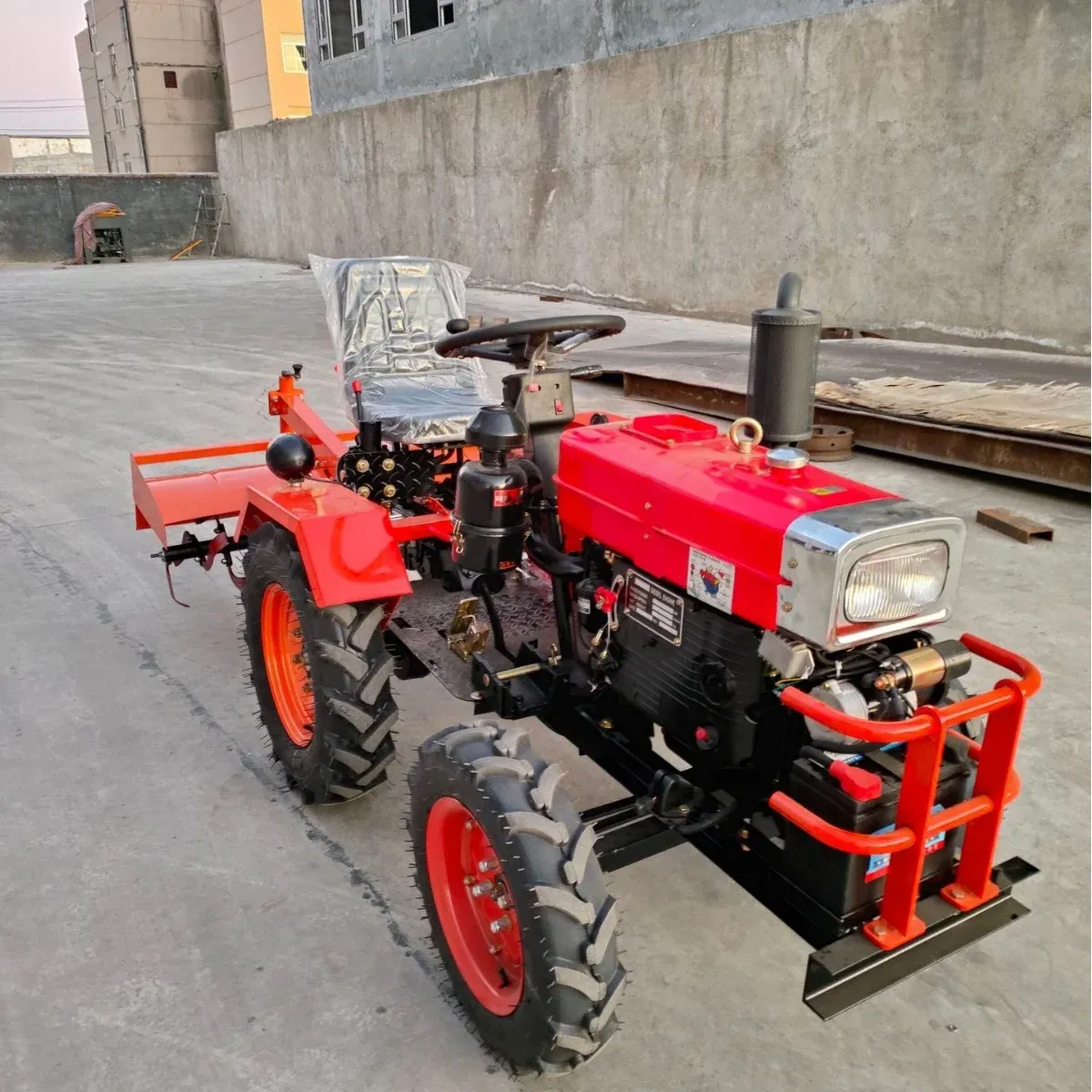
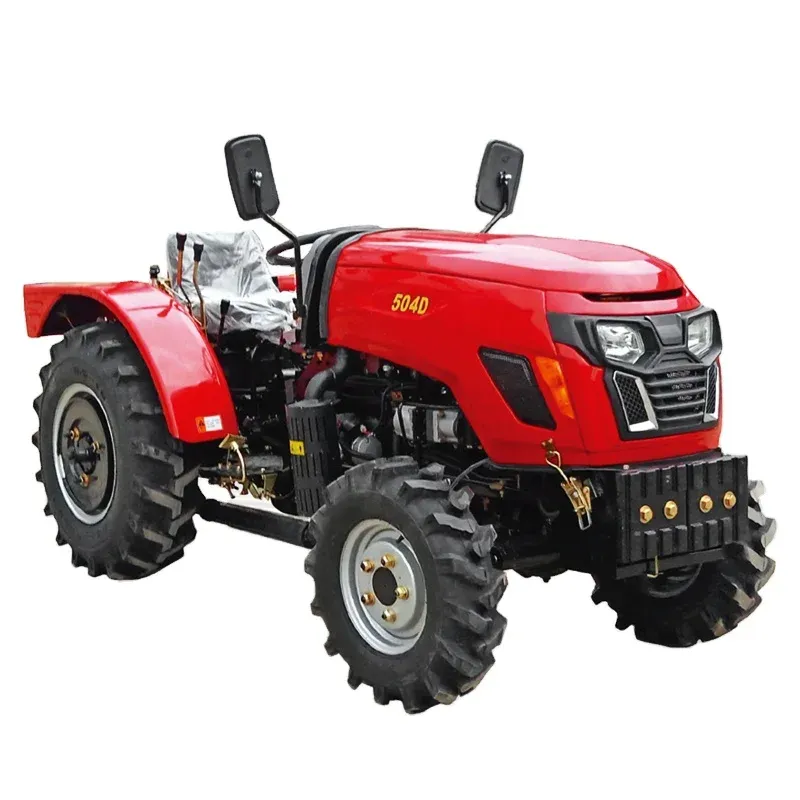
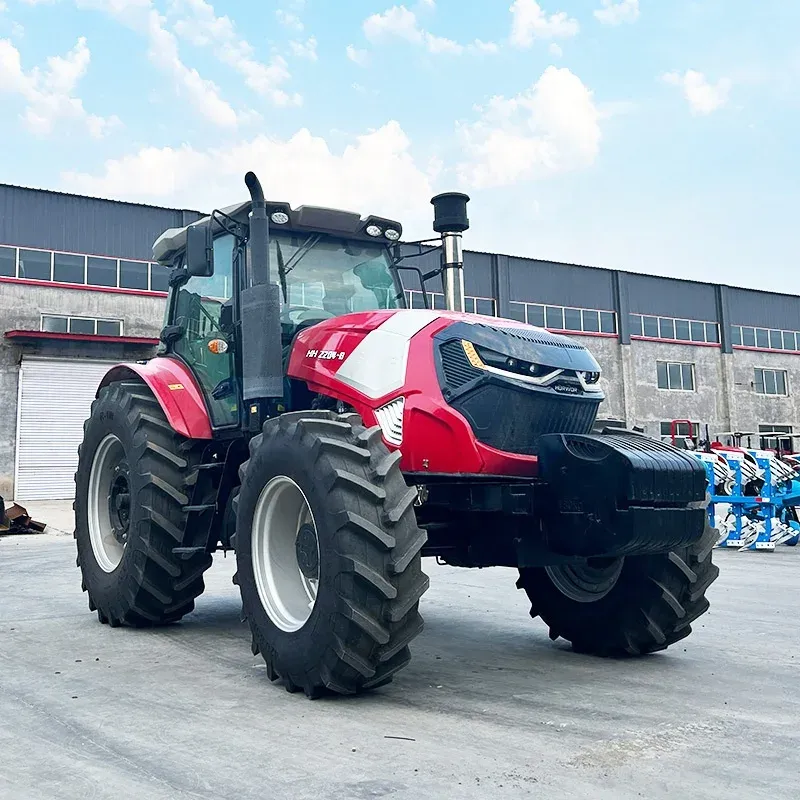
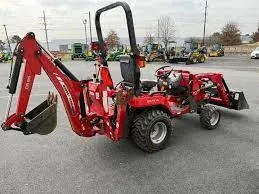
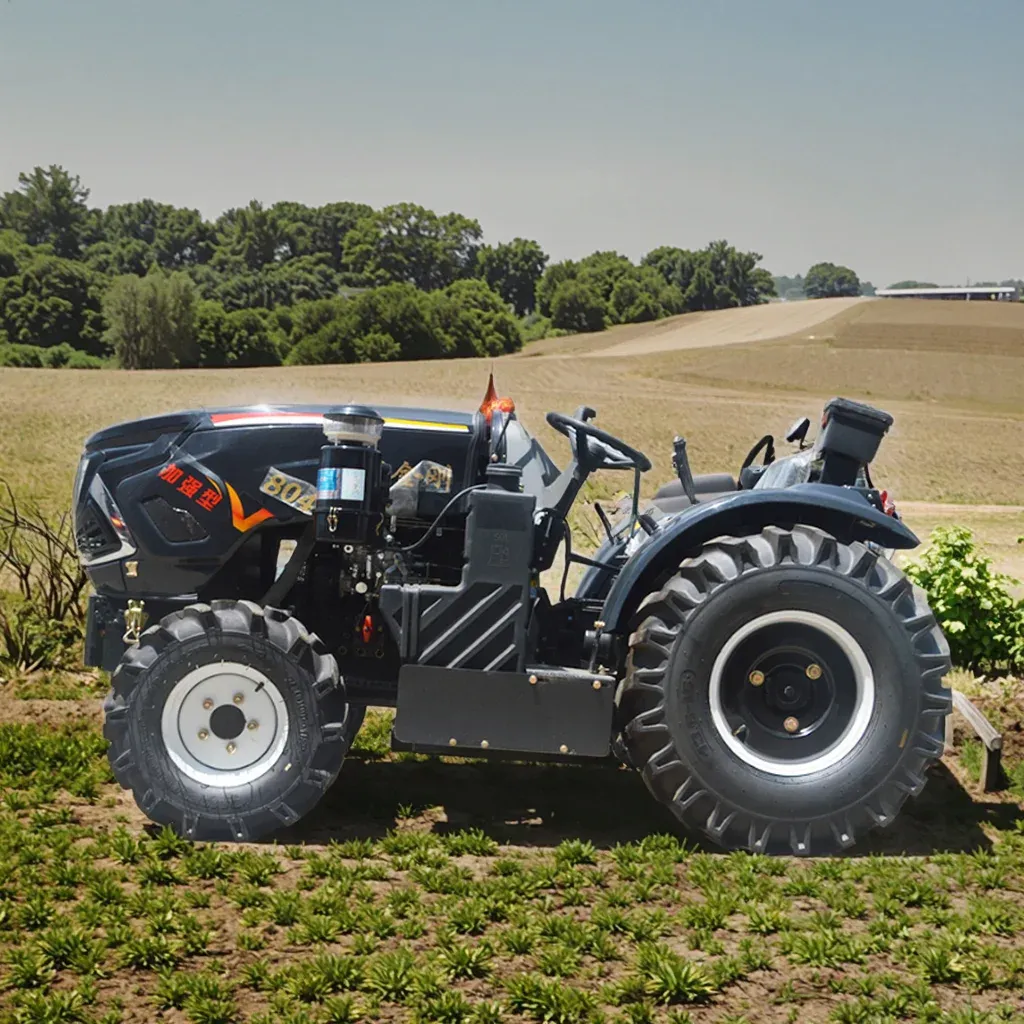
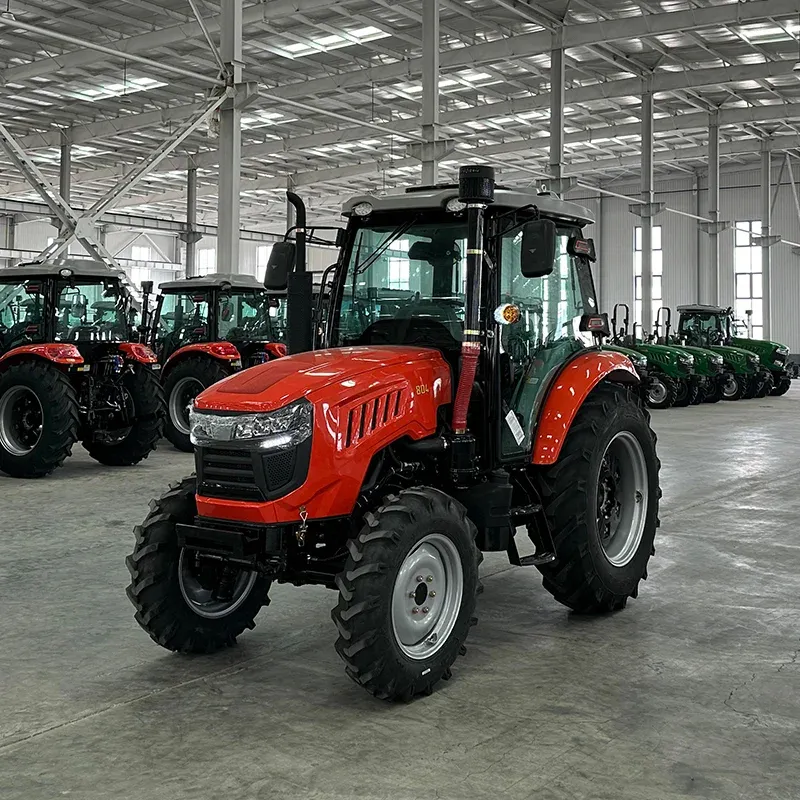
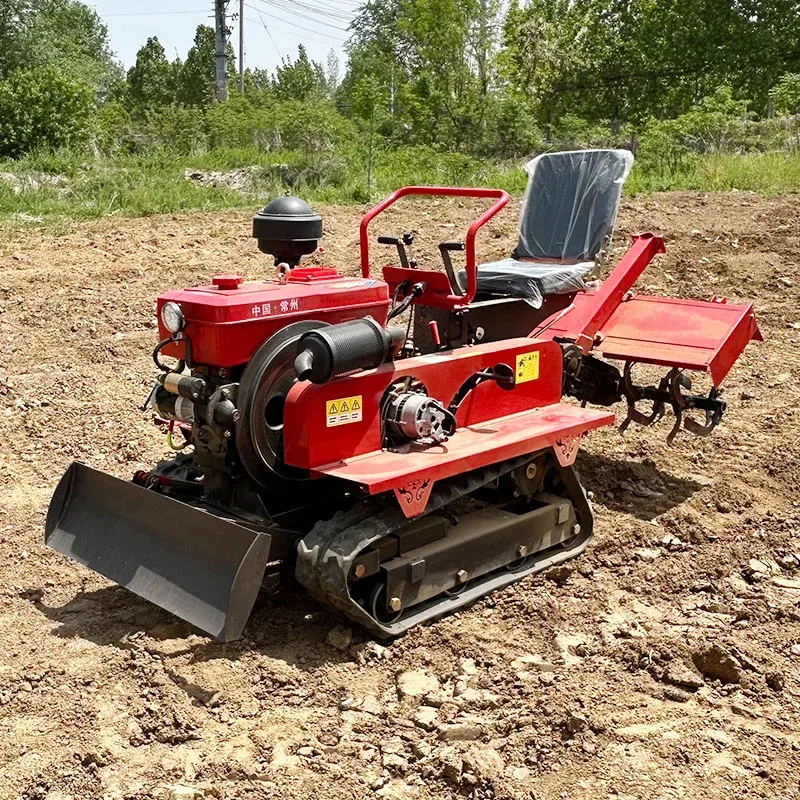
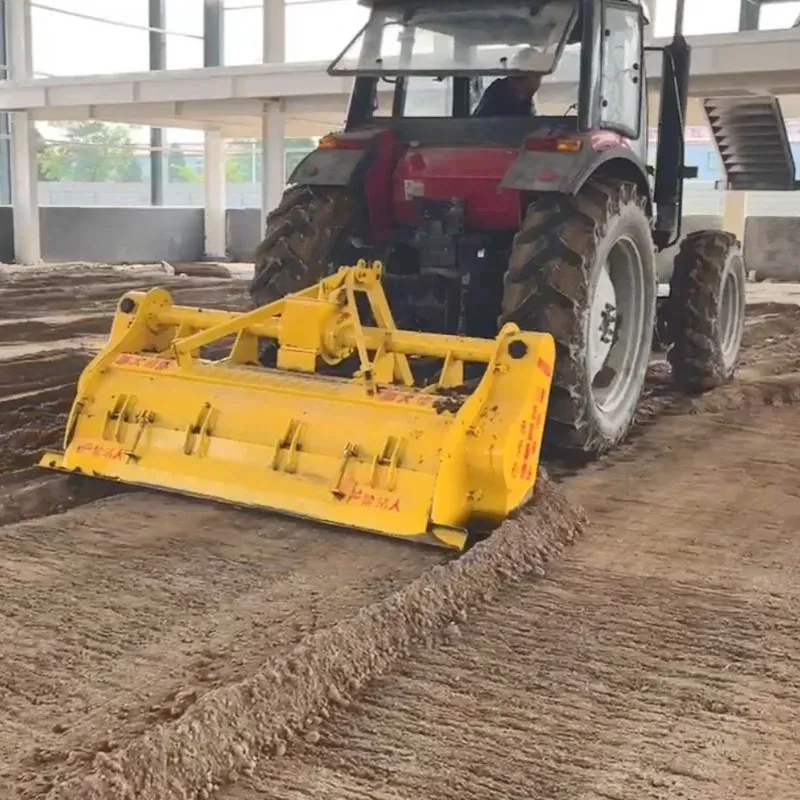
| Compact Tractors | Wheel and crawler tractors | 15 HP family tractor to about 155 HP (116 kW) | Any farm needing haulage, ploughing, loader work |
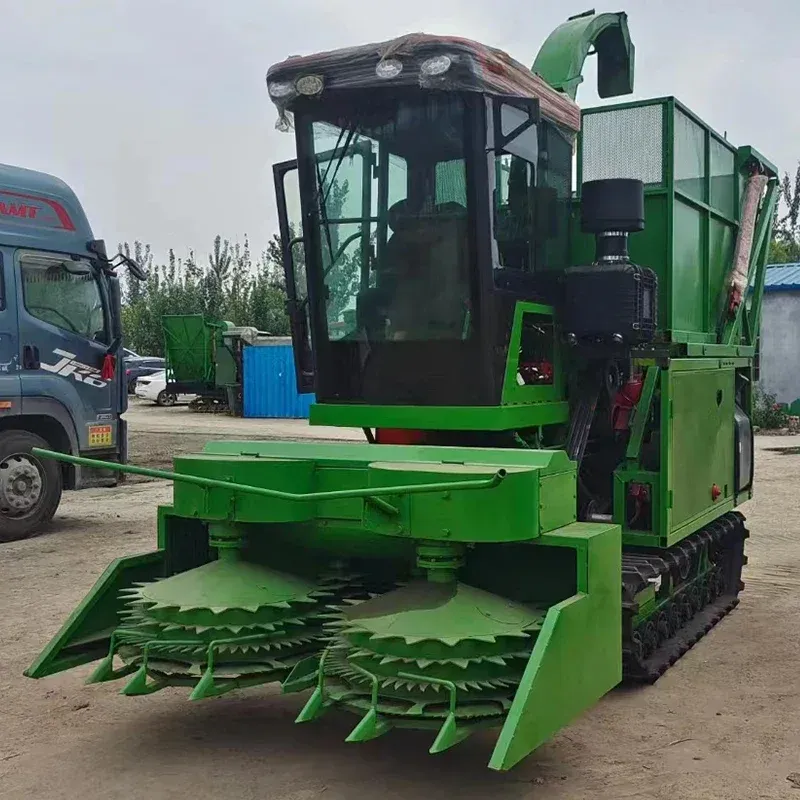
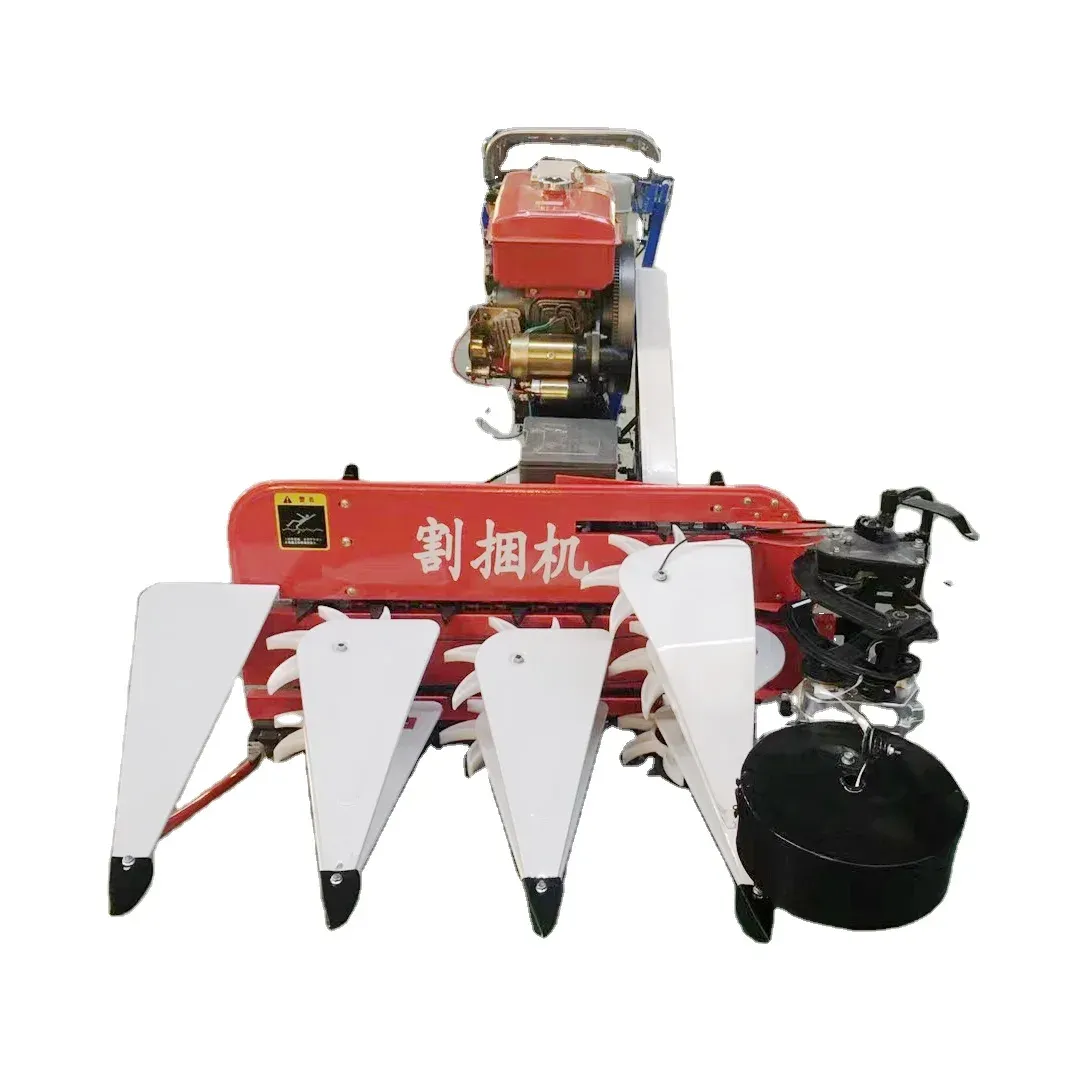
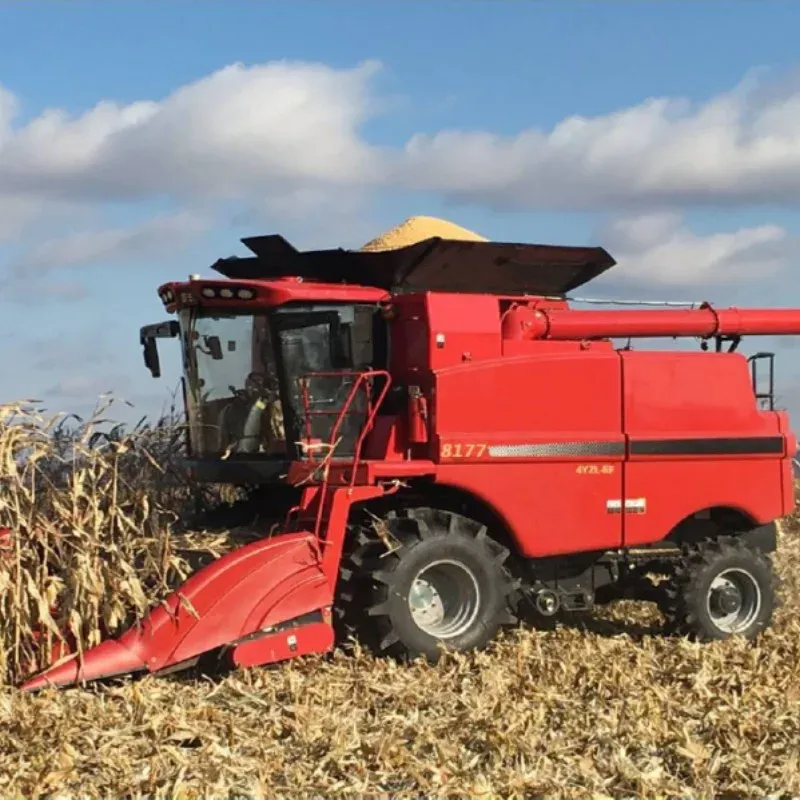
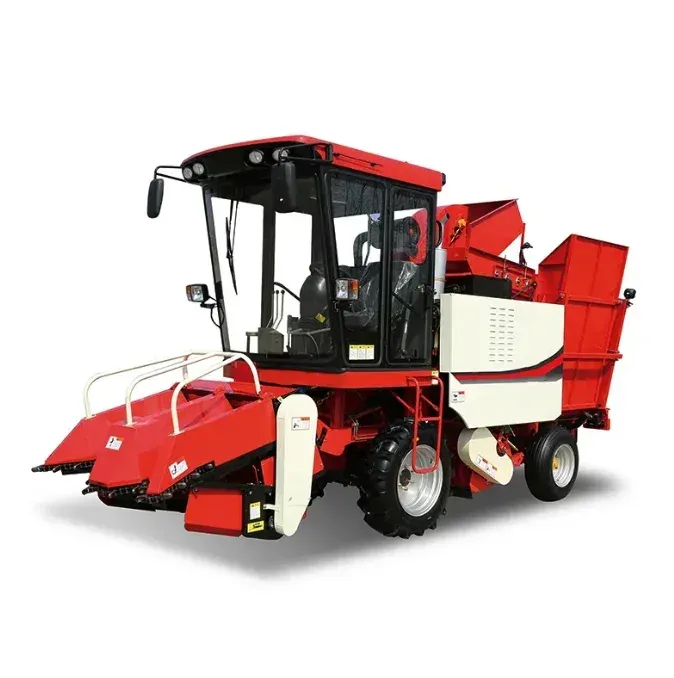
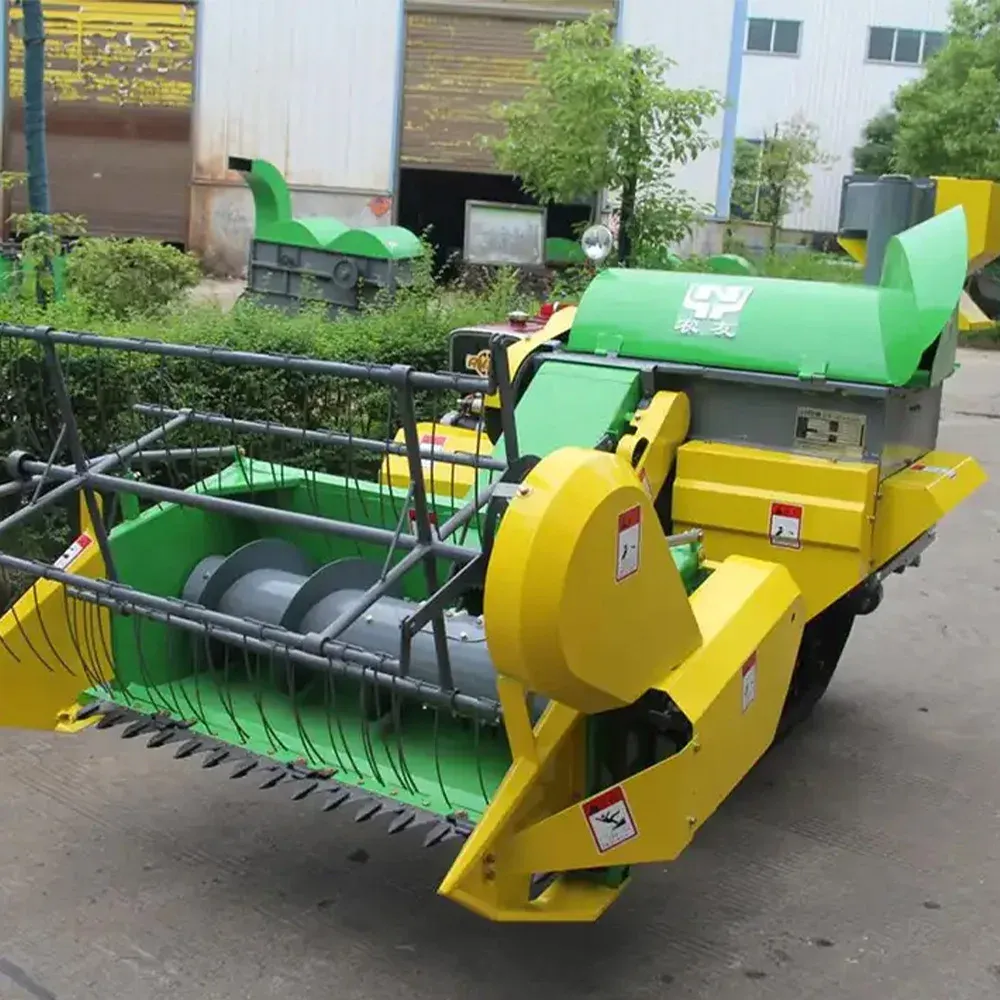
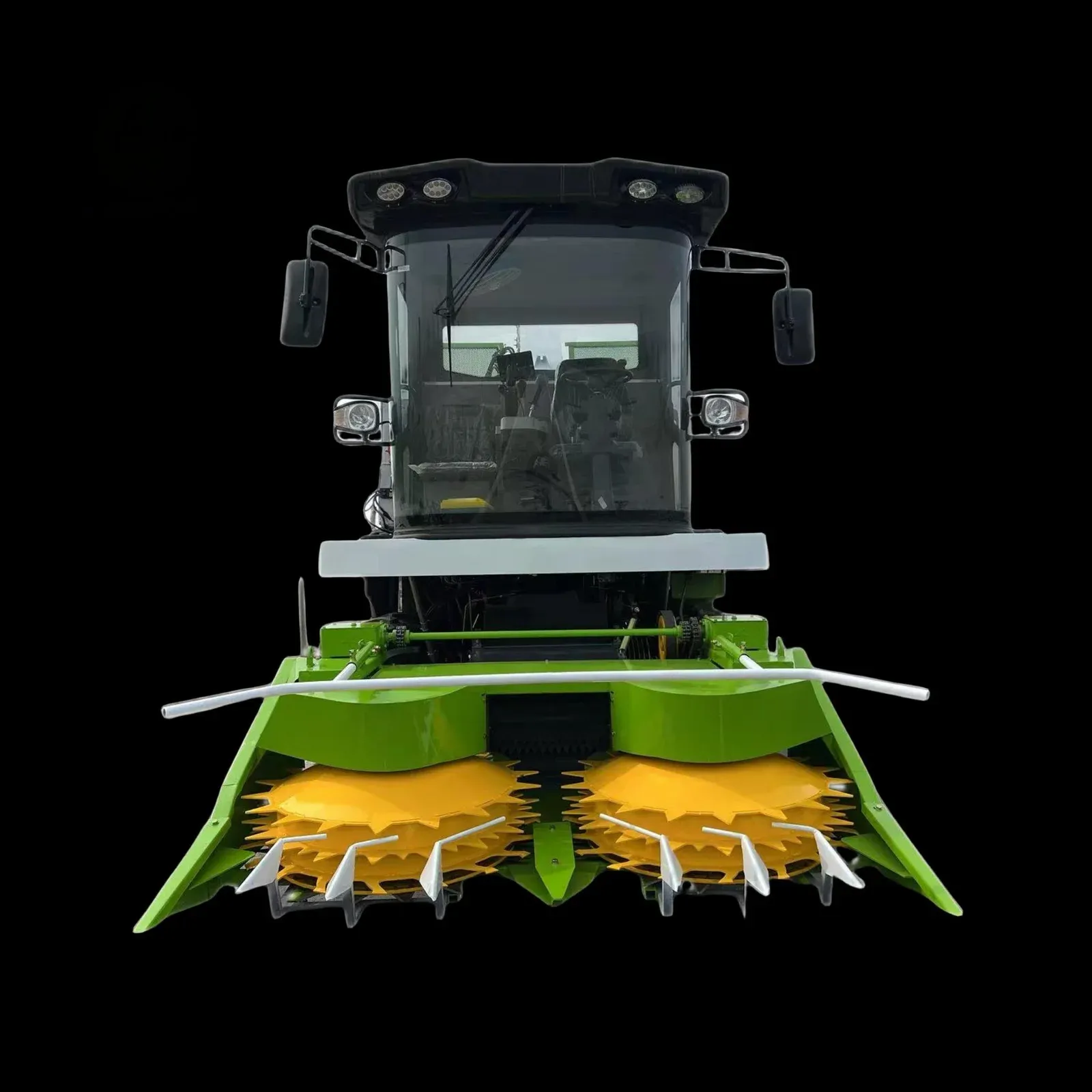
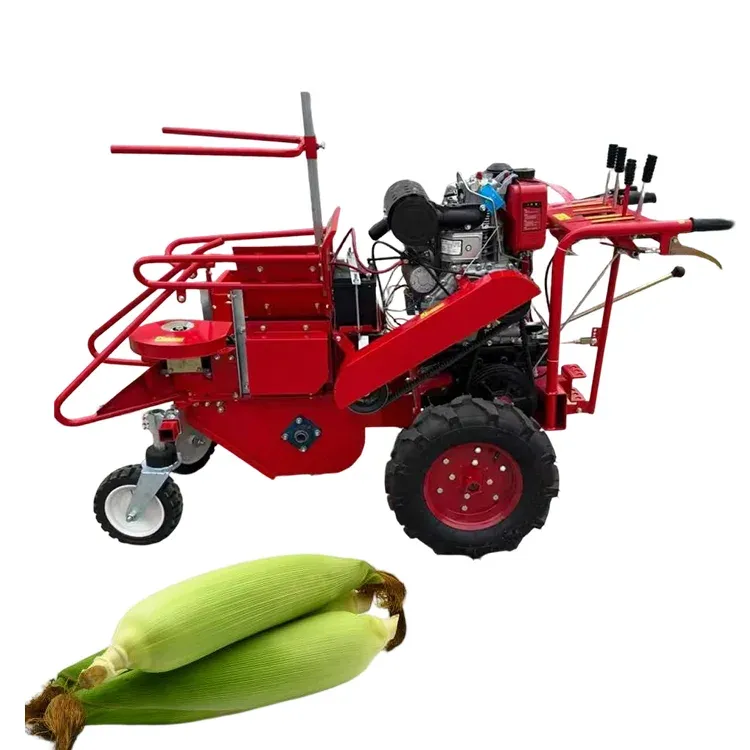
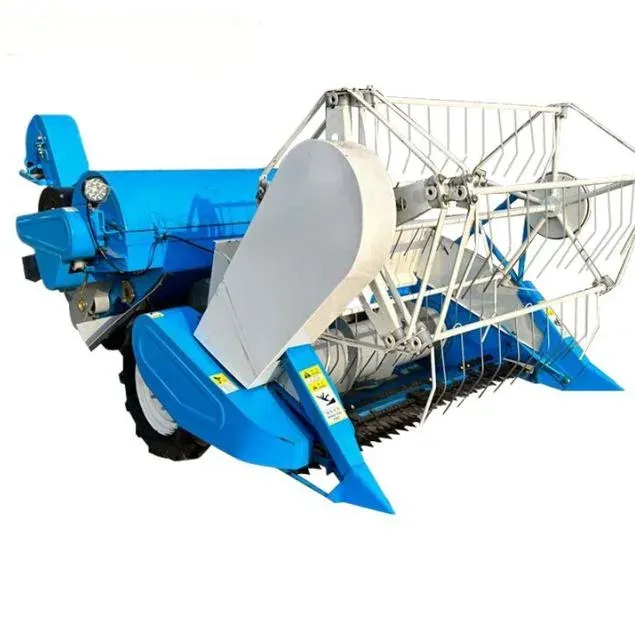
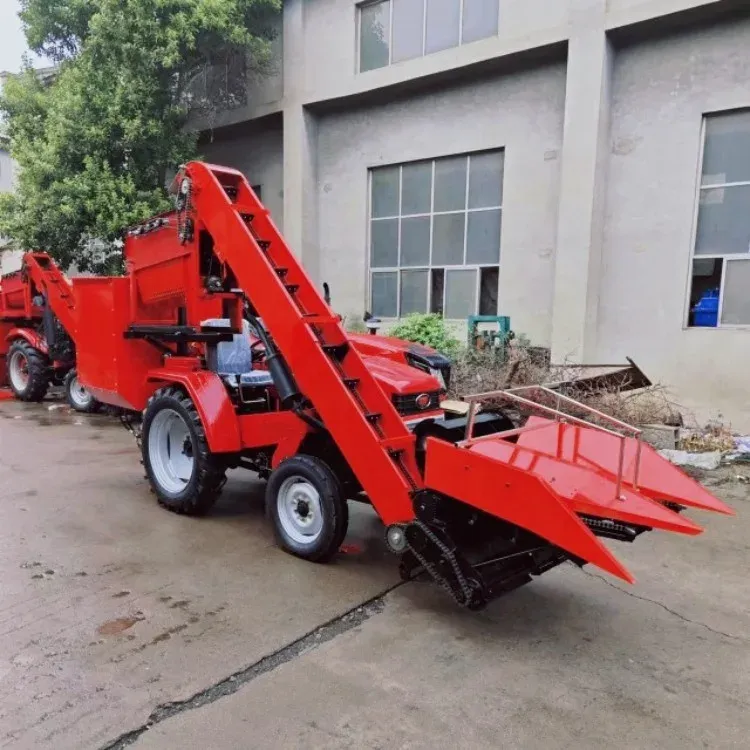
| Harvesters | Combines, corn and silage harvesters, reaper binder | 5.5 HP binder to 240 HP, 6-row combine | Grain, corn and fodder growers |
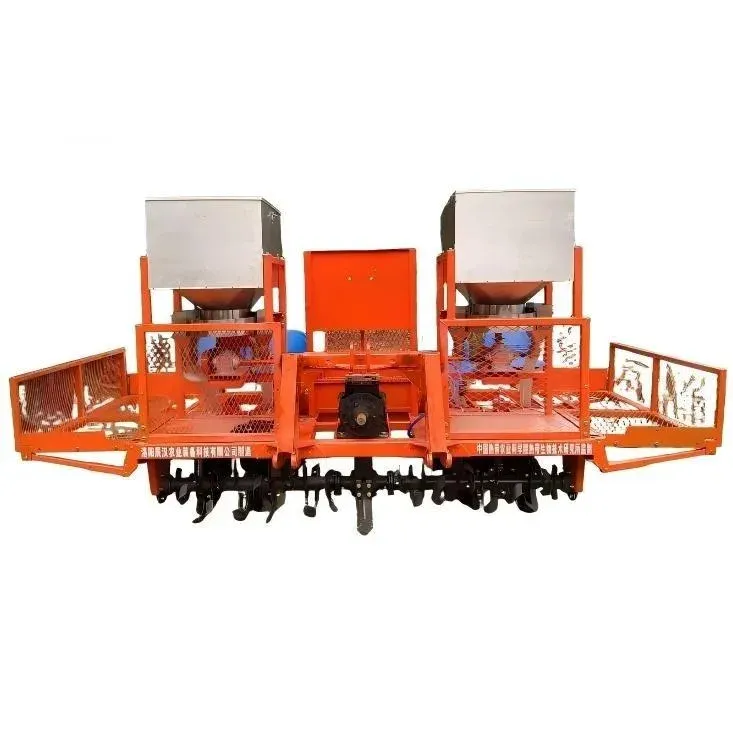
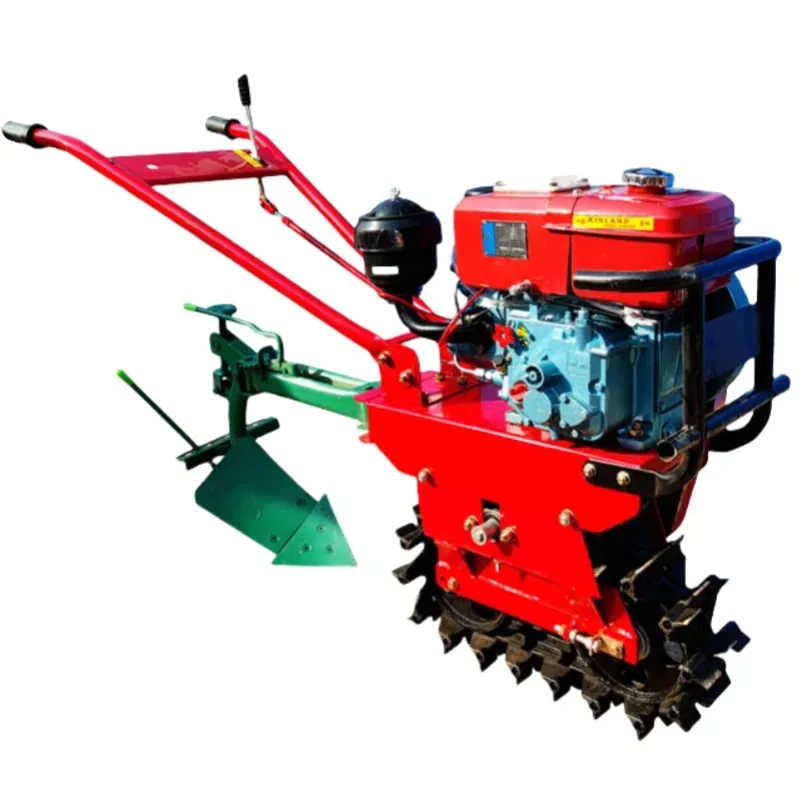
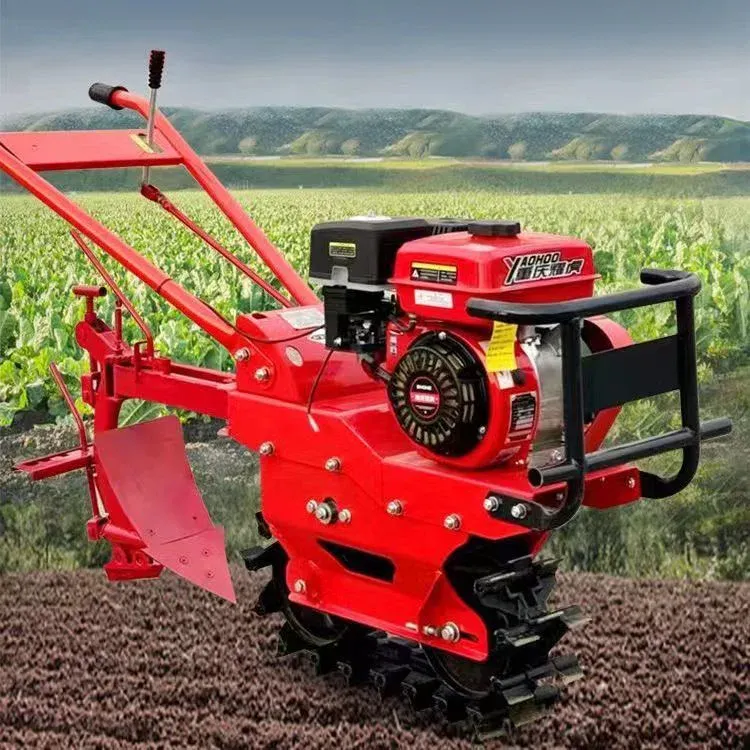
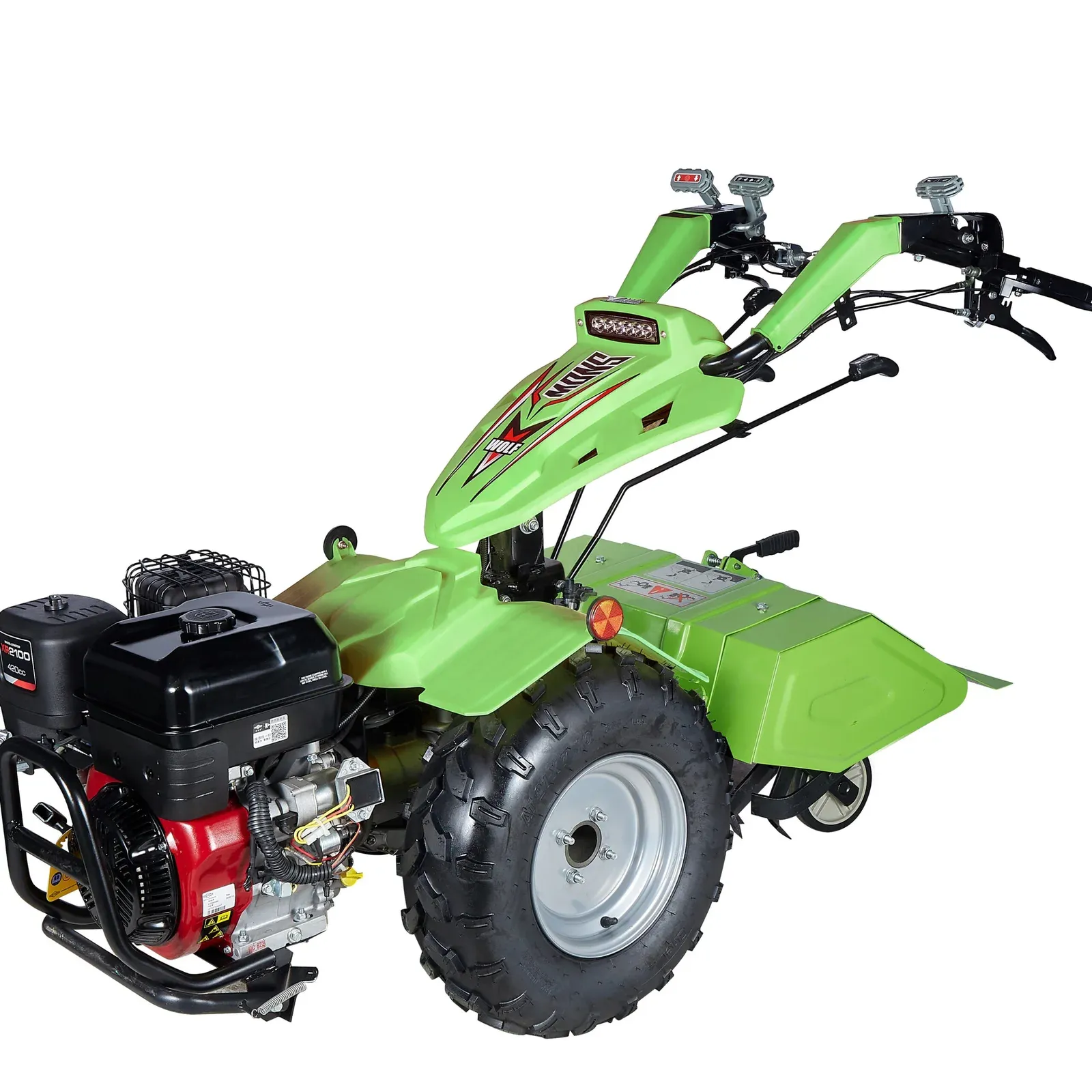
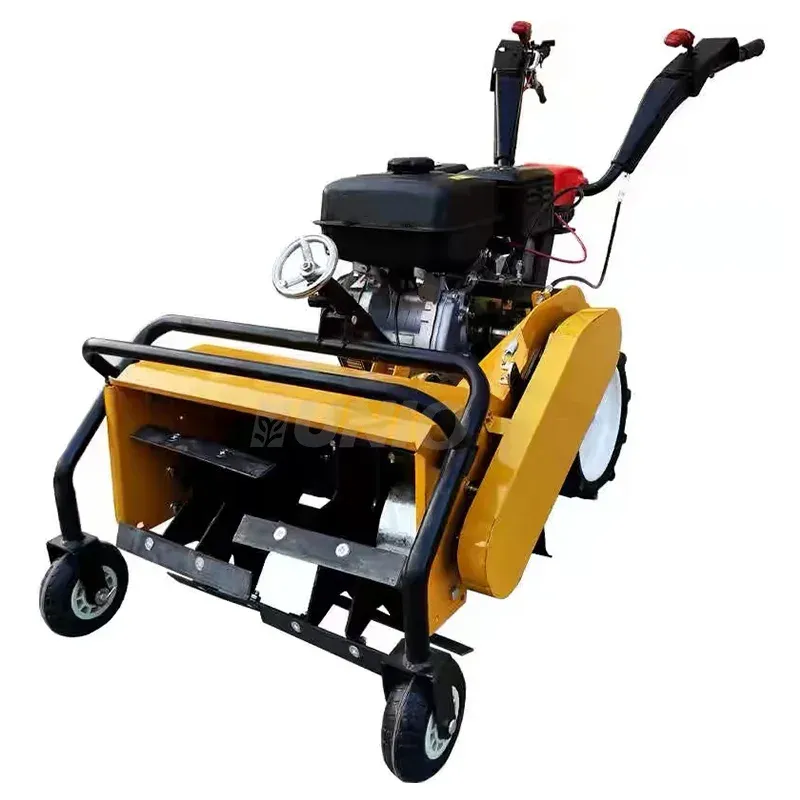
| Cultivators and Tillers | Power tillers, weeders, mini crawlers | 7-9 HP up to an 8-35 HP two-wheel tractor | Small farms, terraces, paddy |
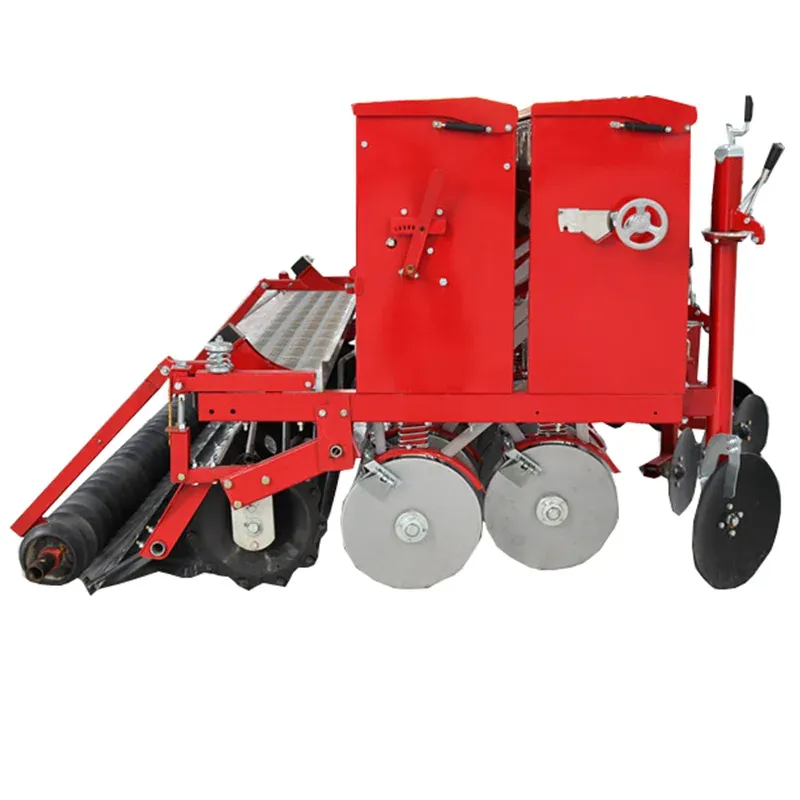
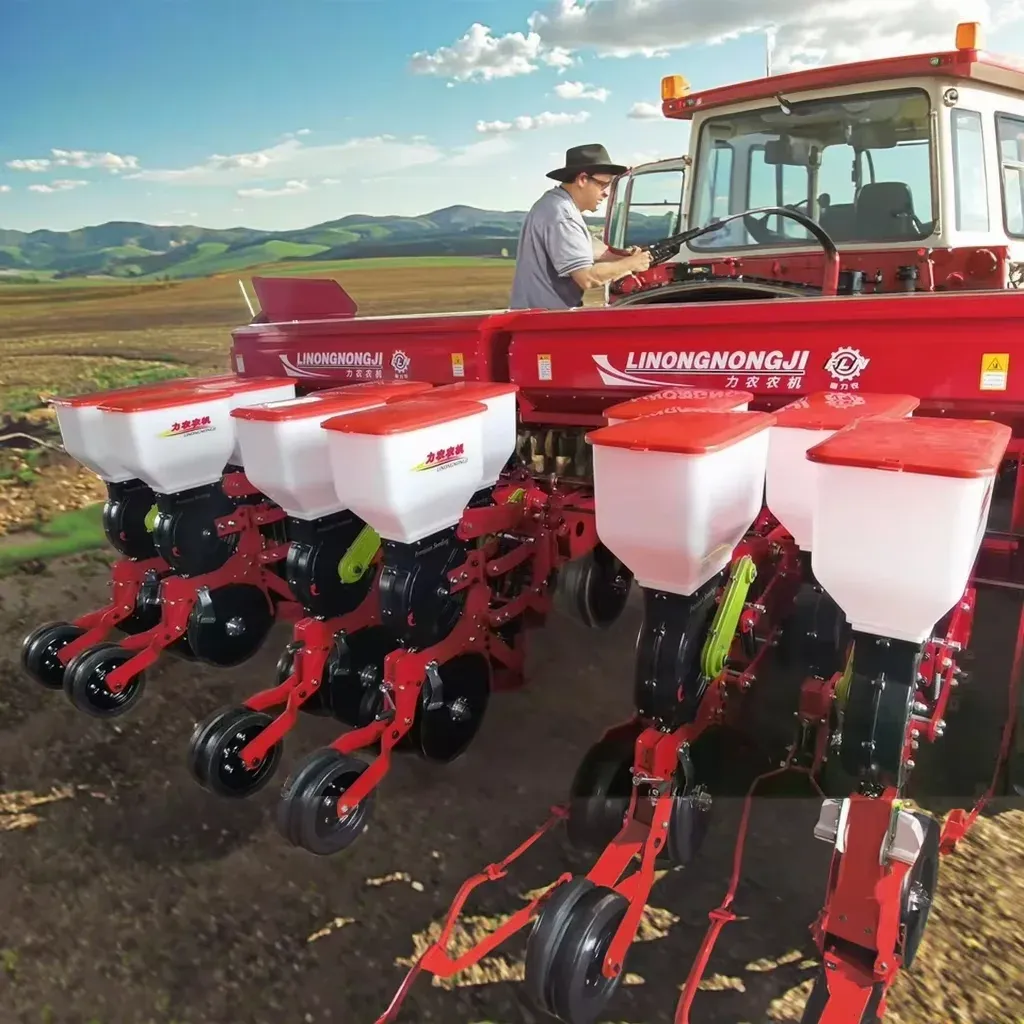
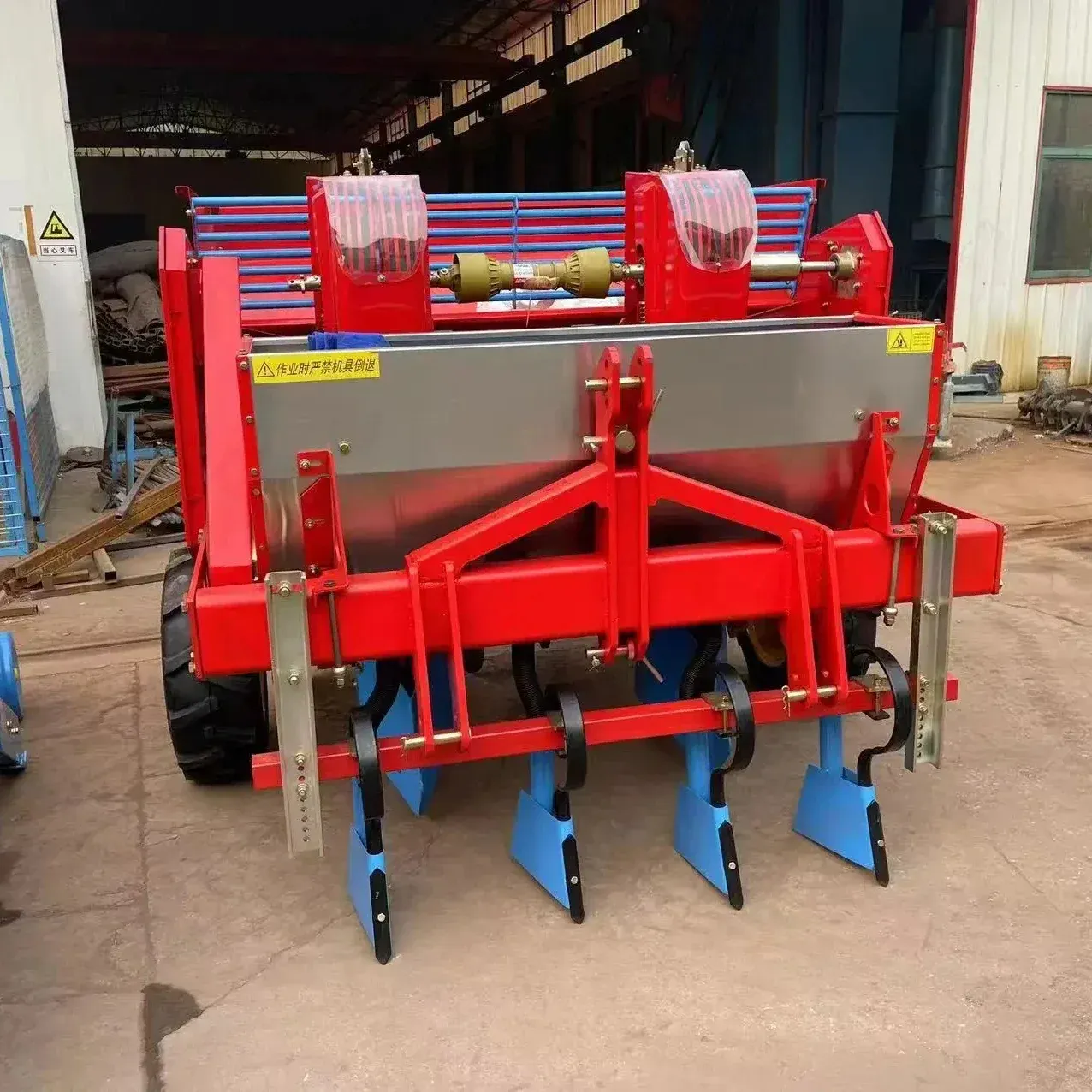
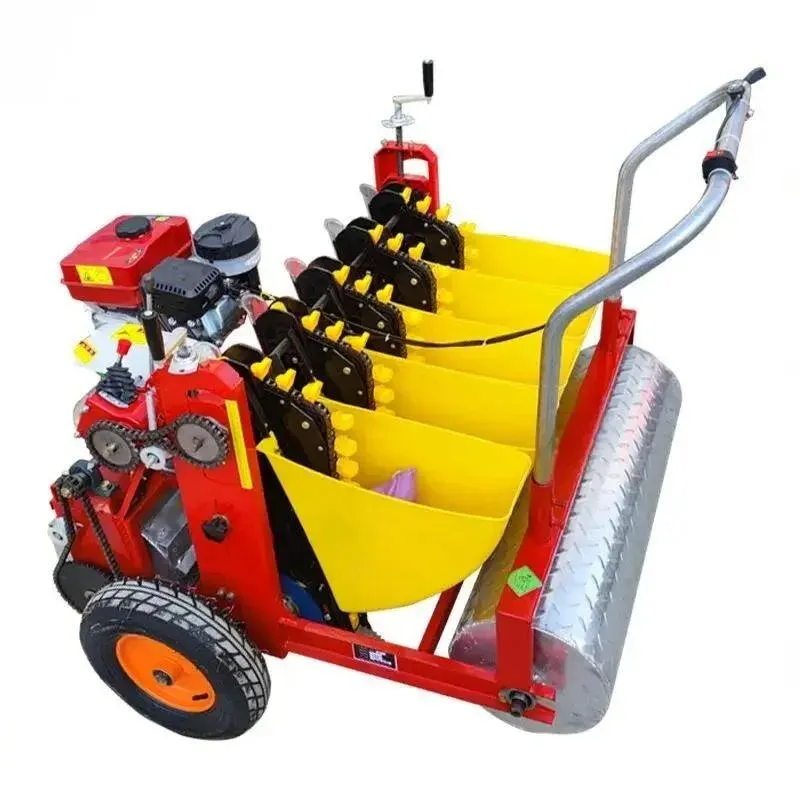
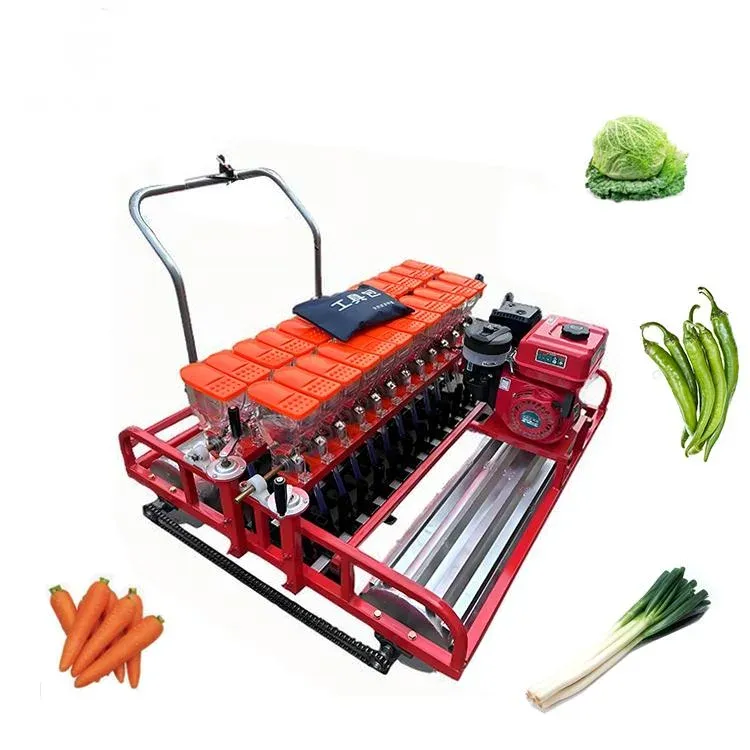
| Seeders and Planters | Seed drills and row planters | 2 to 18 rows, 6-25 row vegetable seeder | Alfalfa, soybean, potato, garlic, sugarcane |
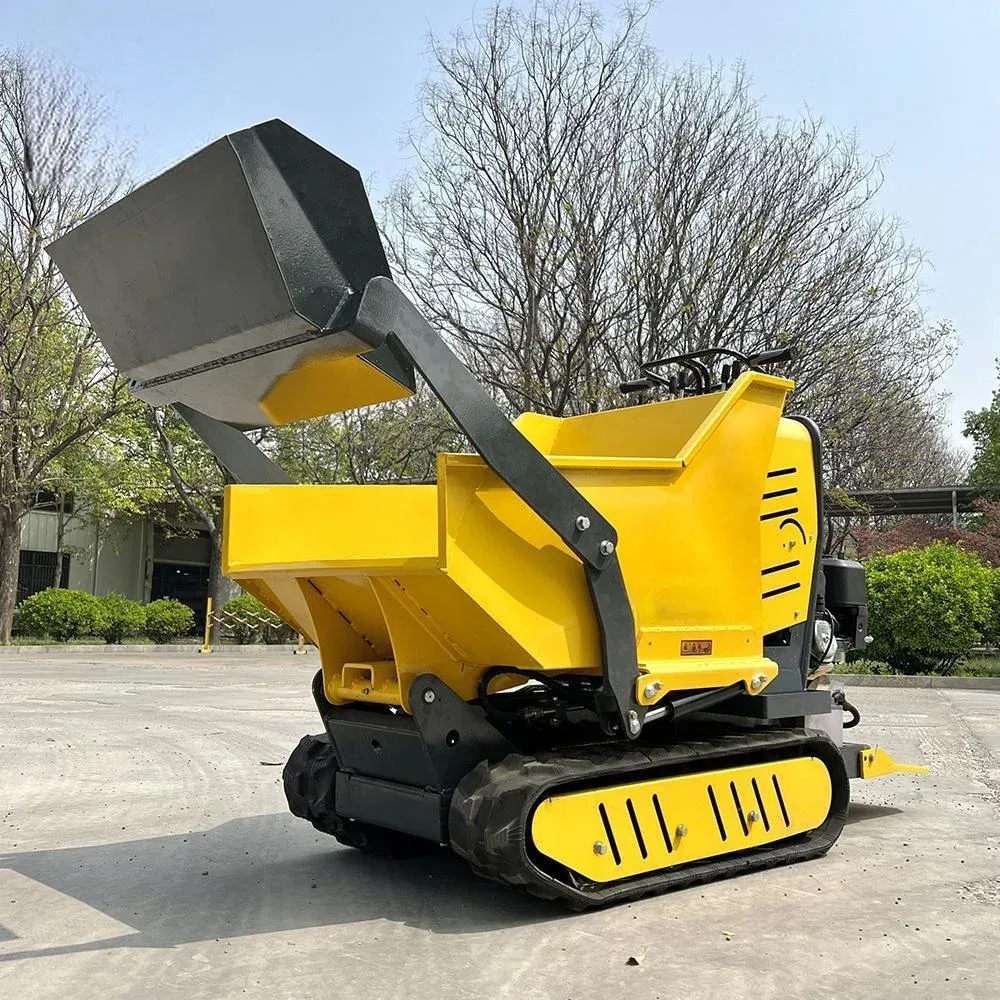
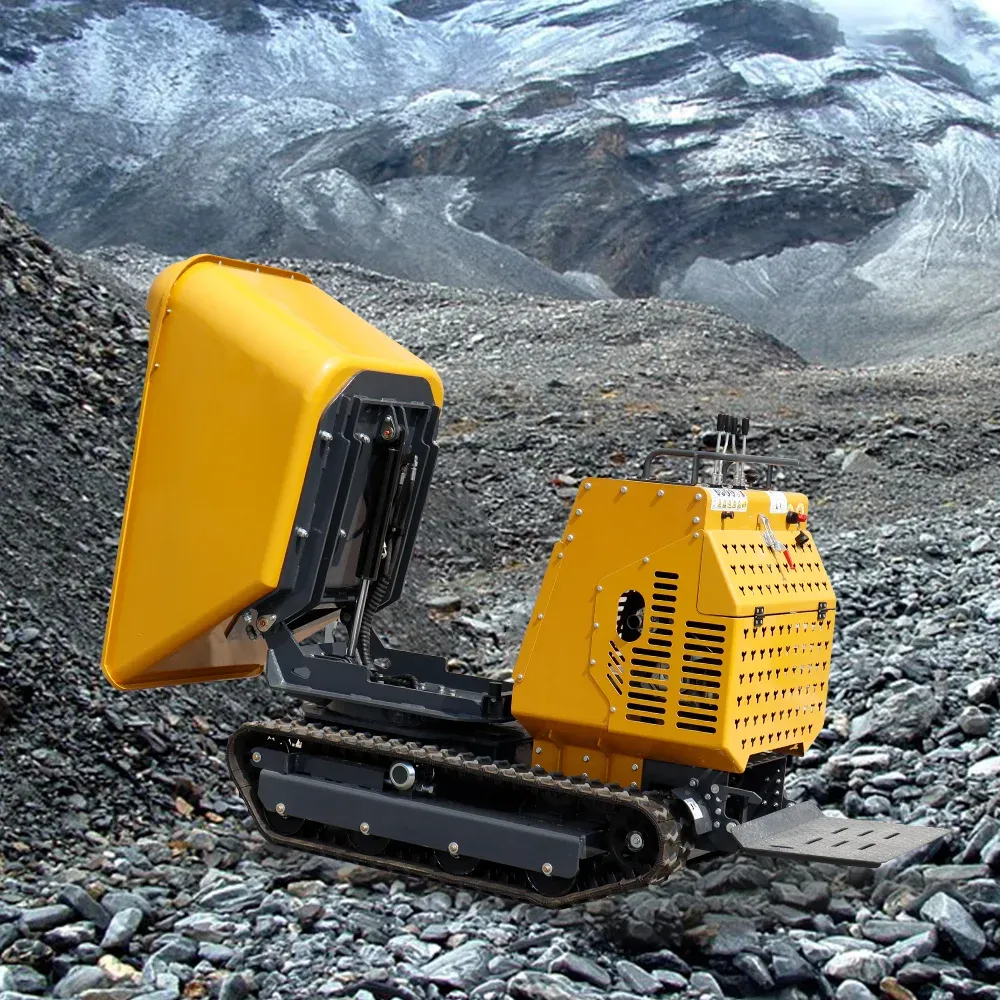
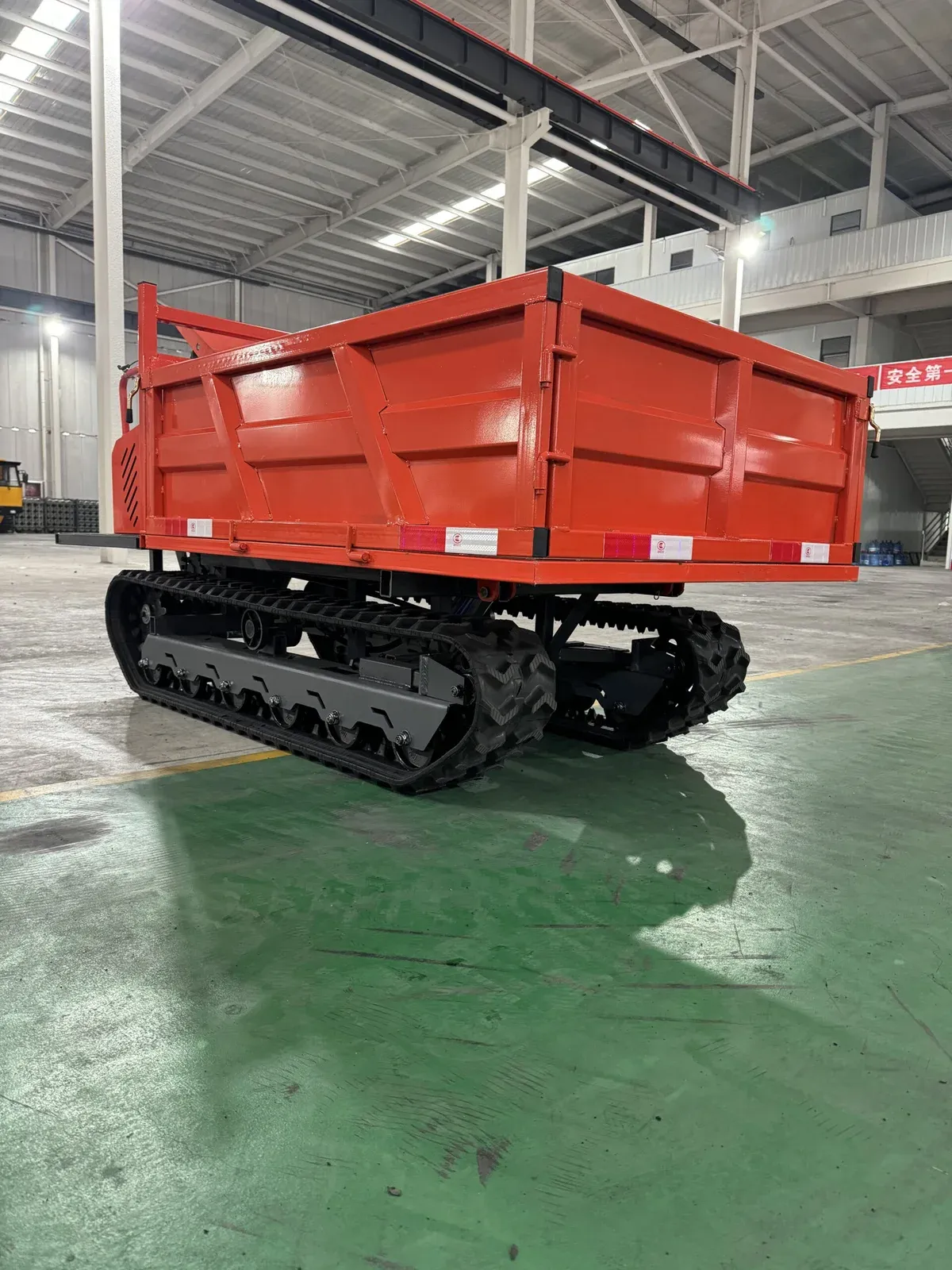
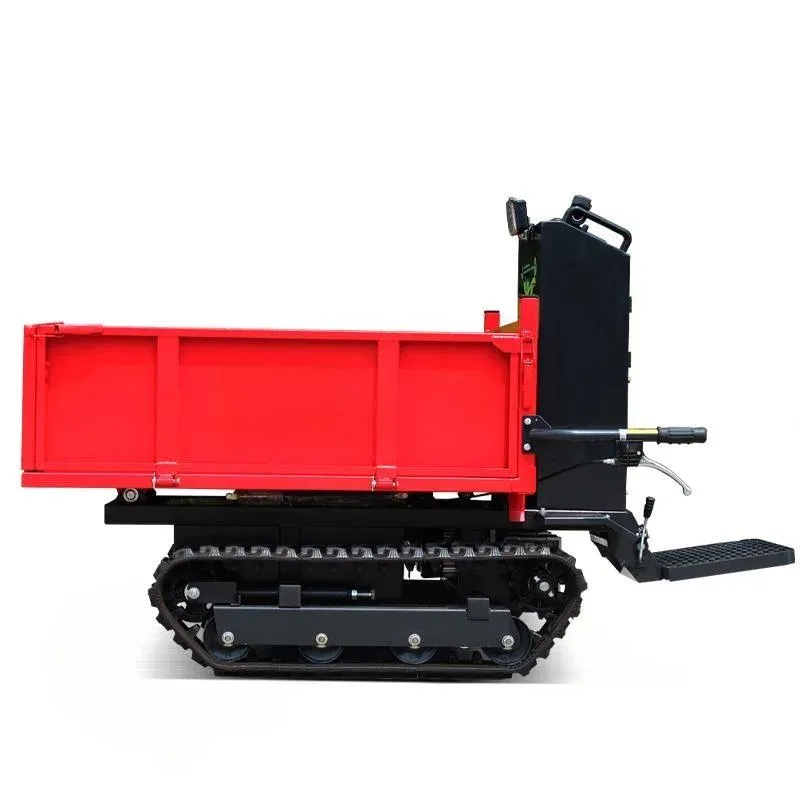
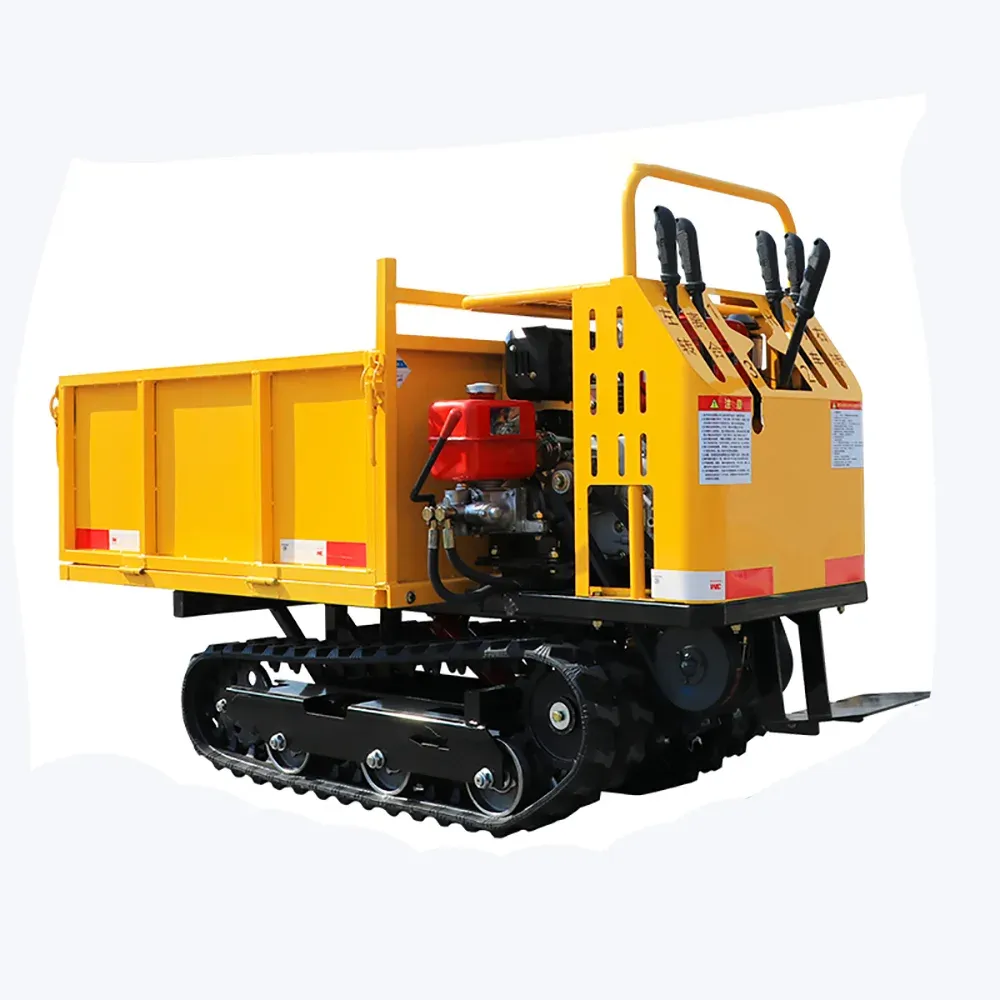
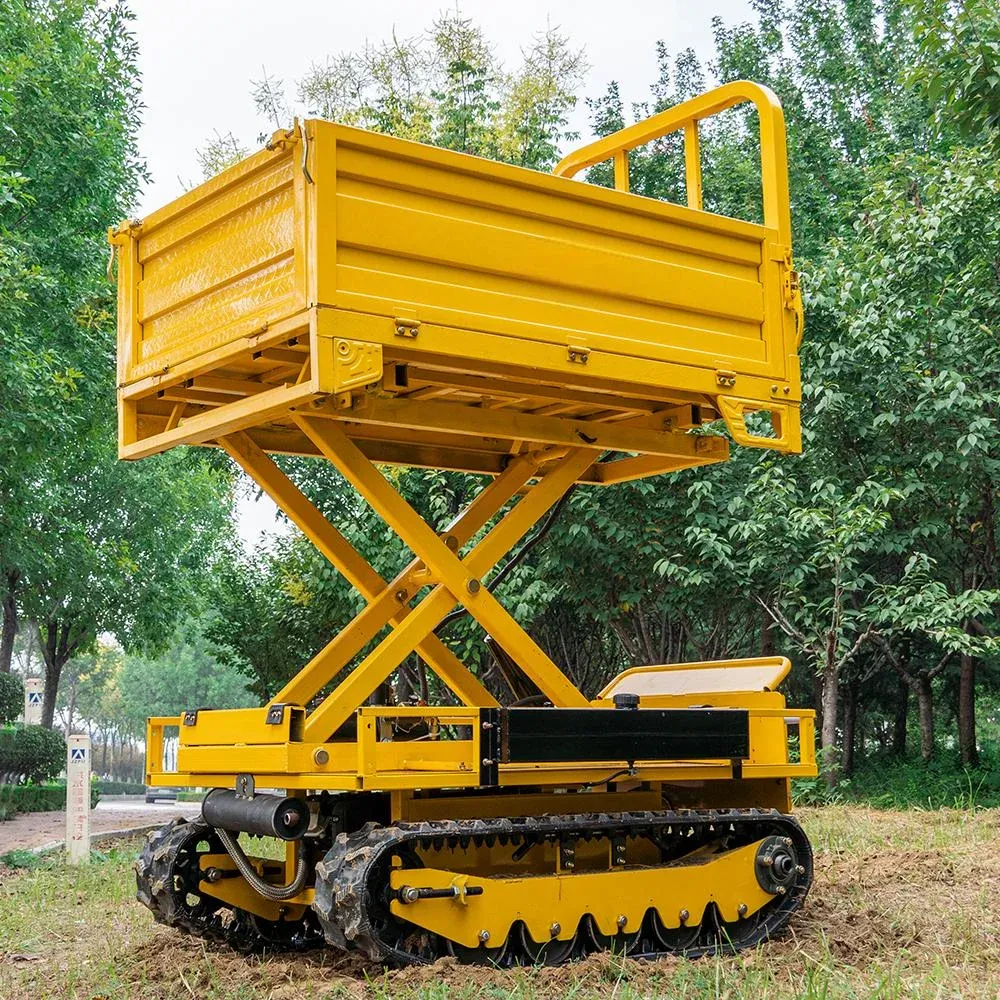
| Orchard Transport | Crawler carriers and dumpers | 6 kW electric to 22 kW diesel, up to 1.5 t | Hillside orchards, plantations |
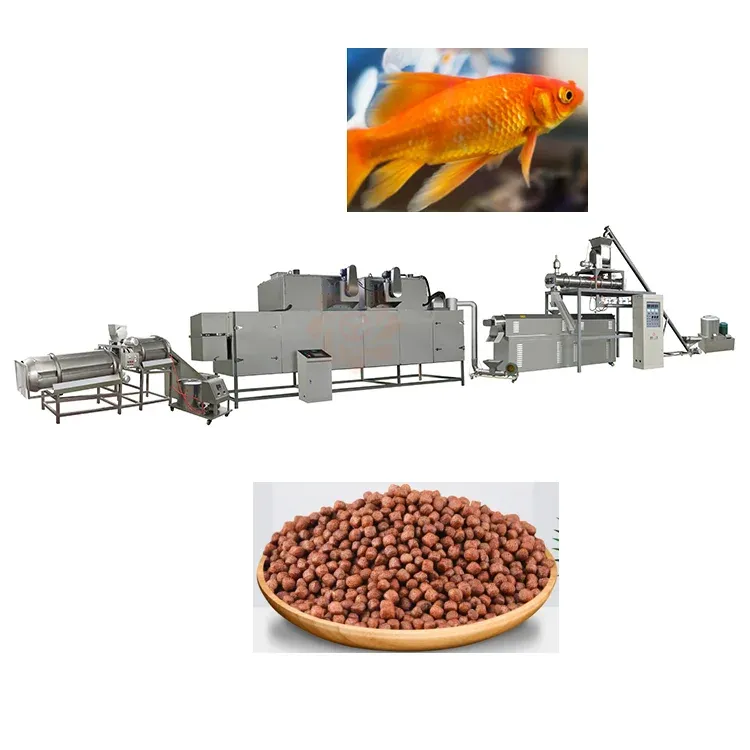
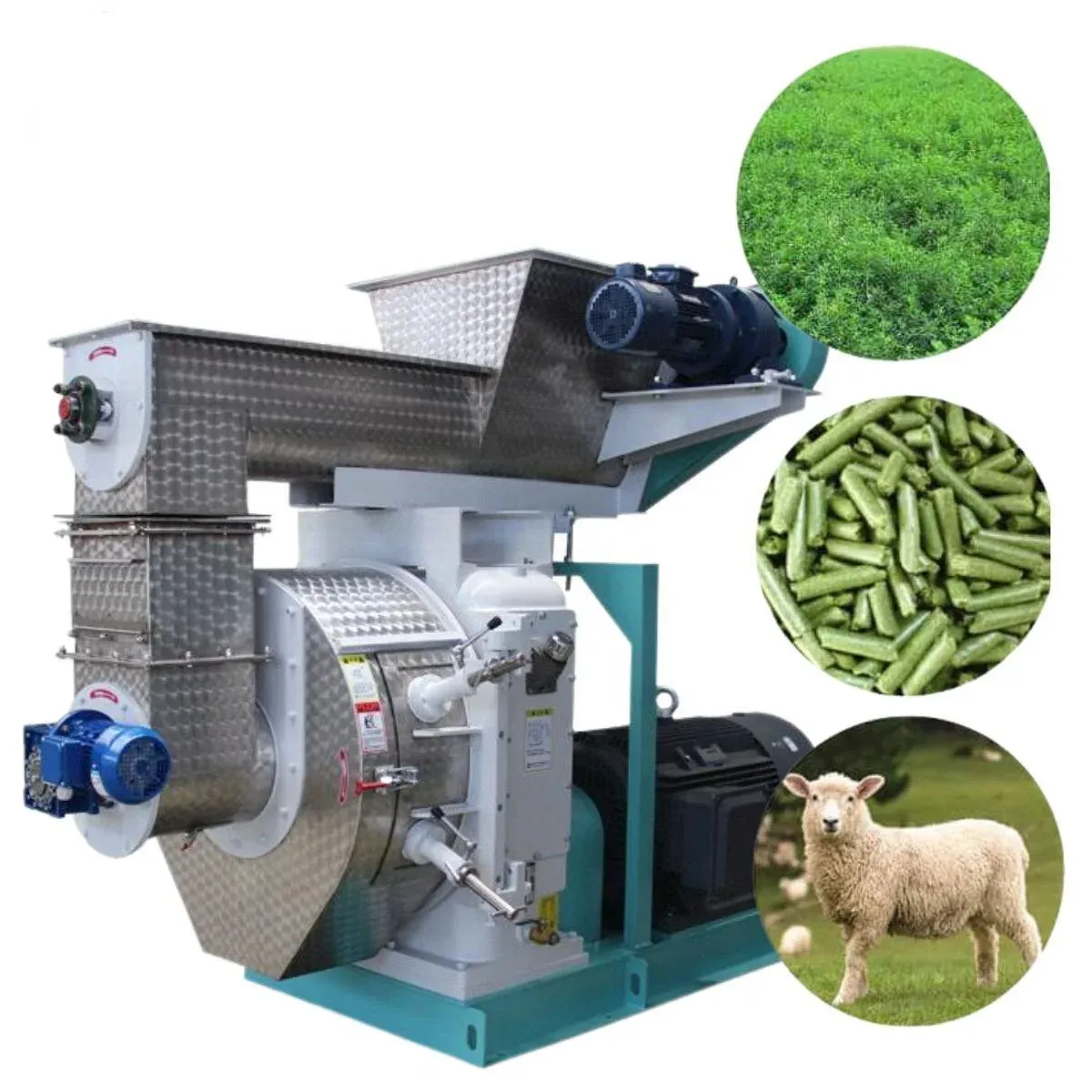
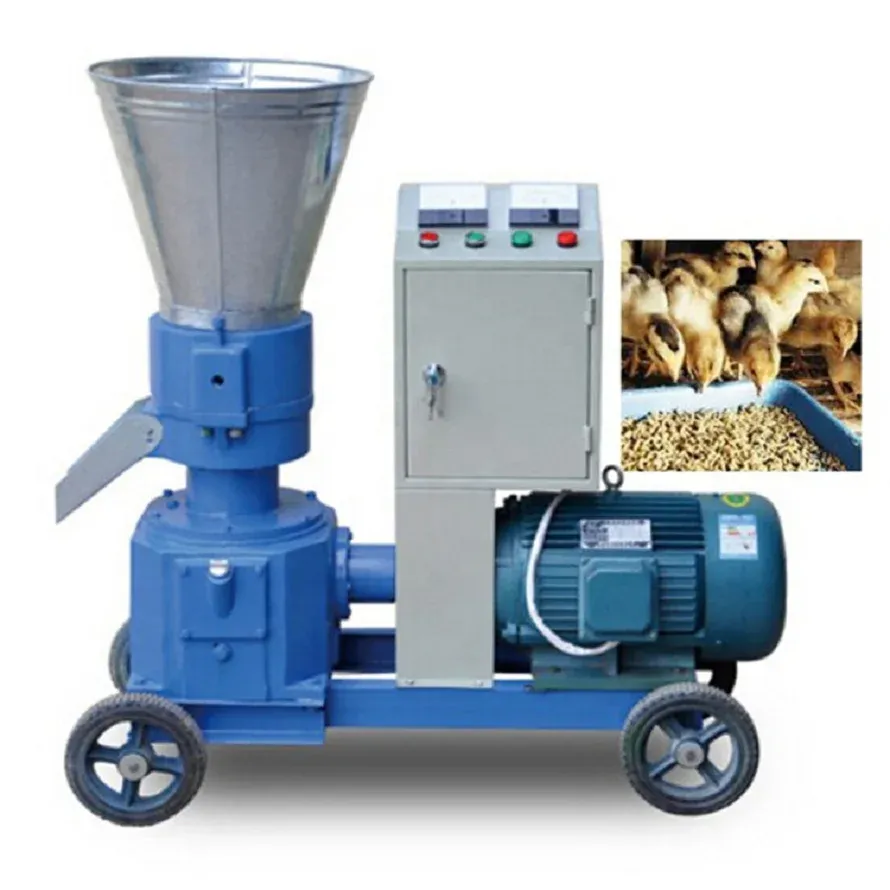
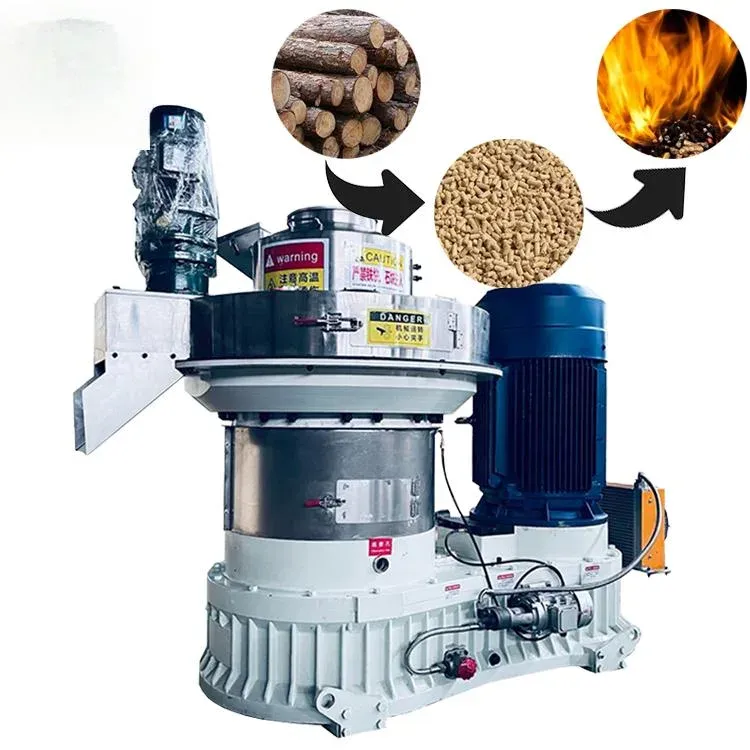
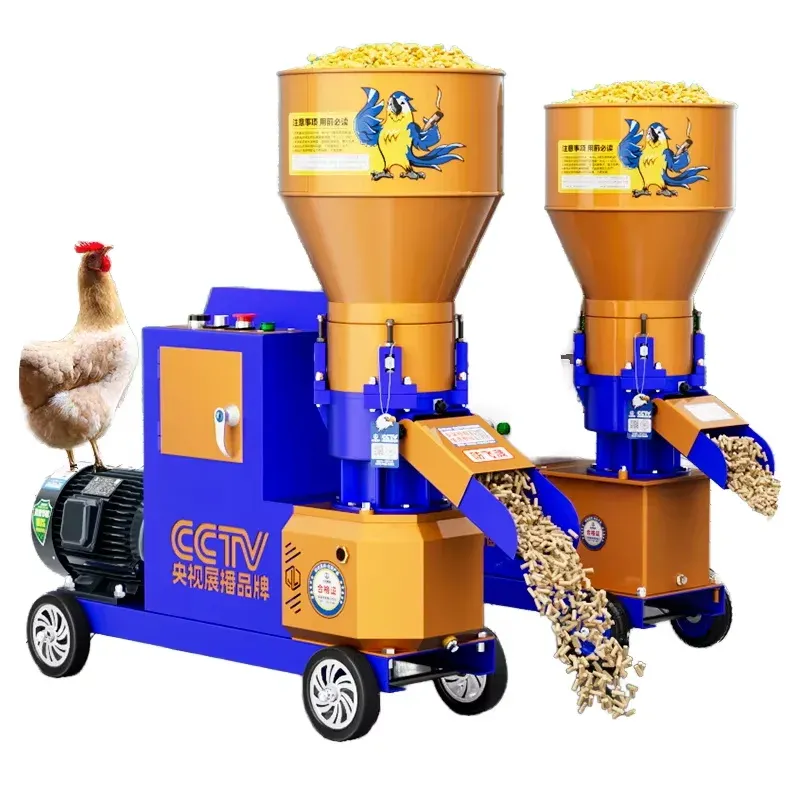
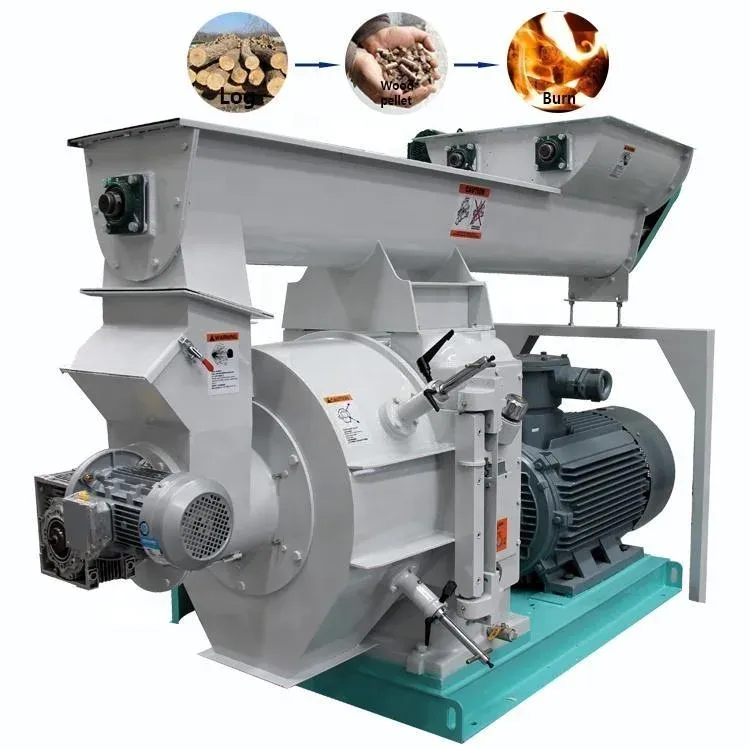
| Pellet Machines | Feed and biomass pelleting | 200 kg/h up to 5,000 kg/h | Feed makers, biomass fuel |
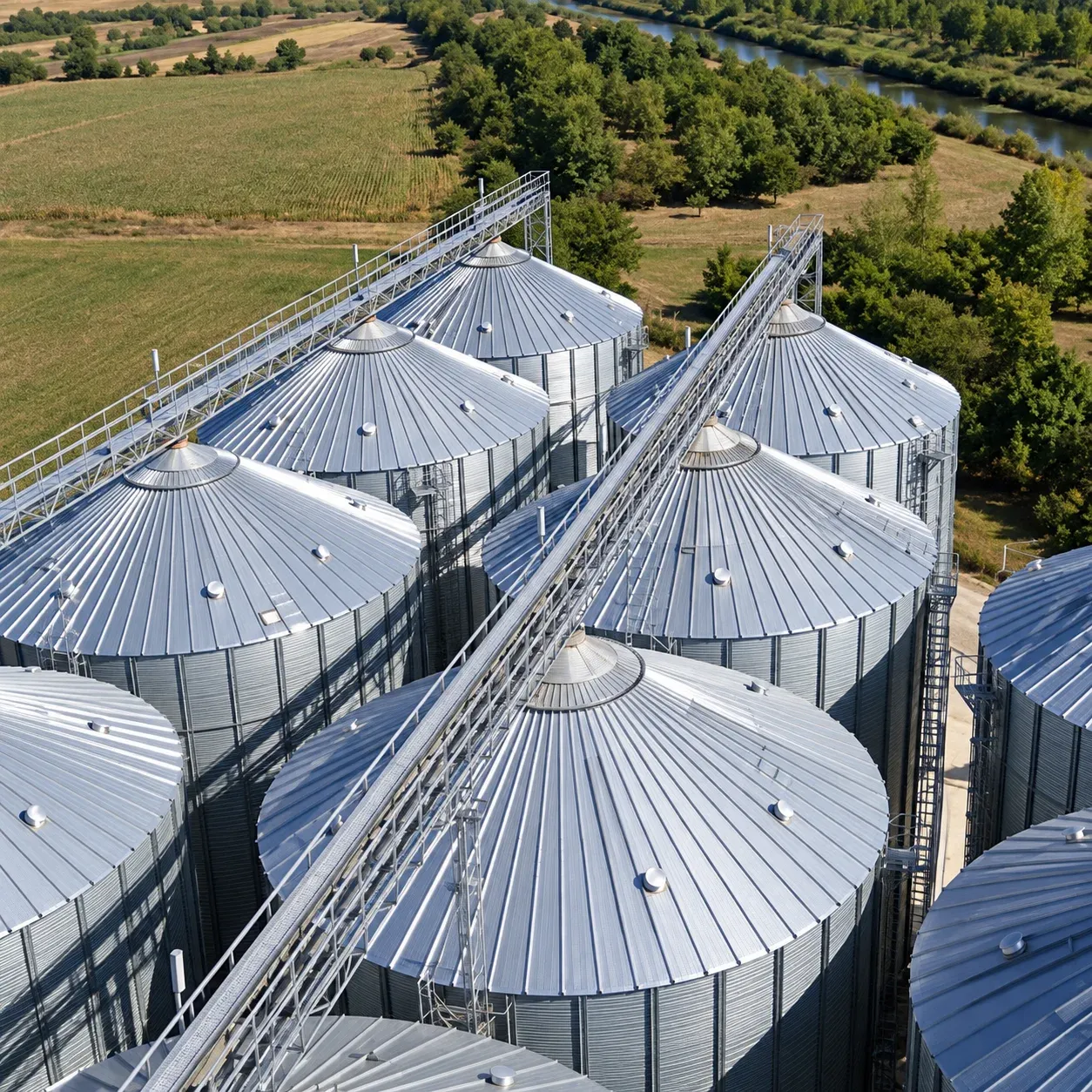
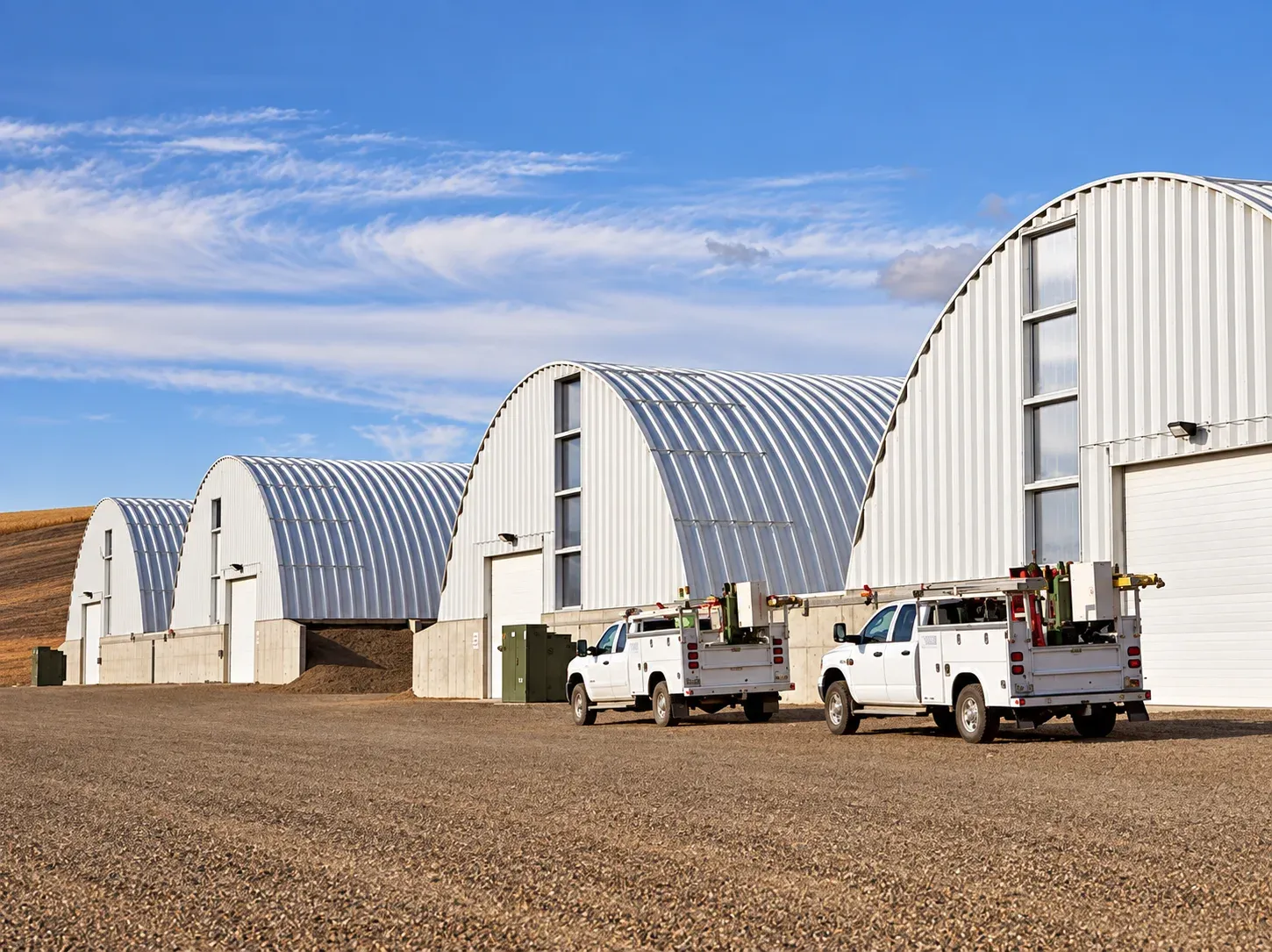
| Silos and Crop Storage | Steel silos, ventilated stores | Silos 100-15,000 t | Grain traders, co-operatives |
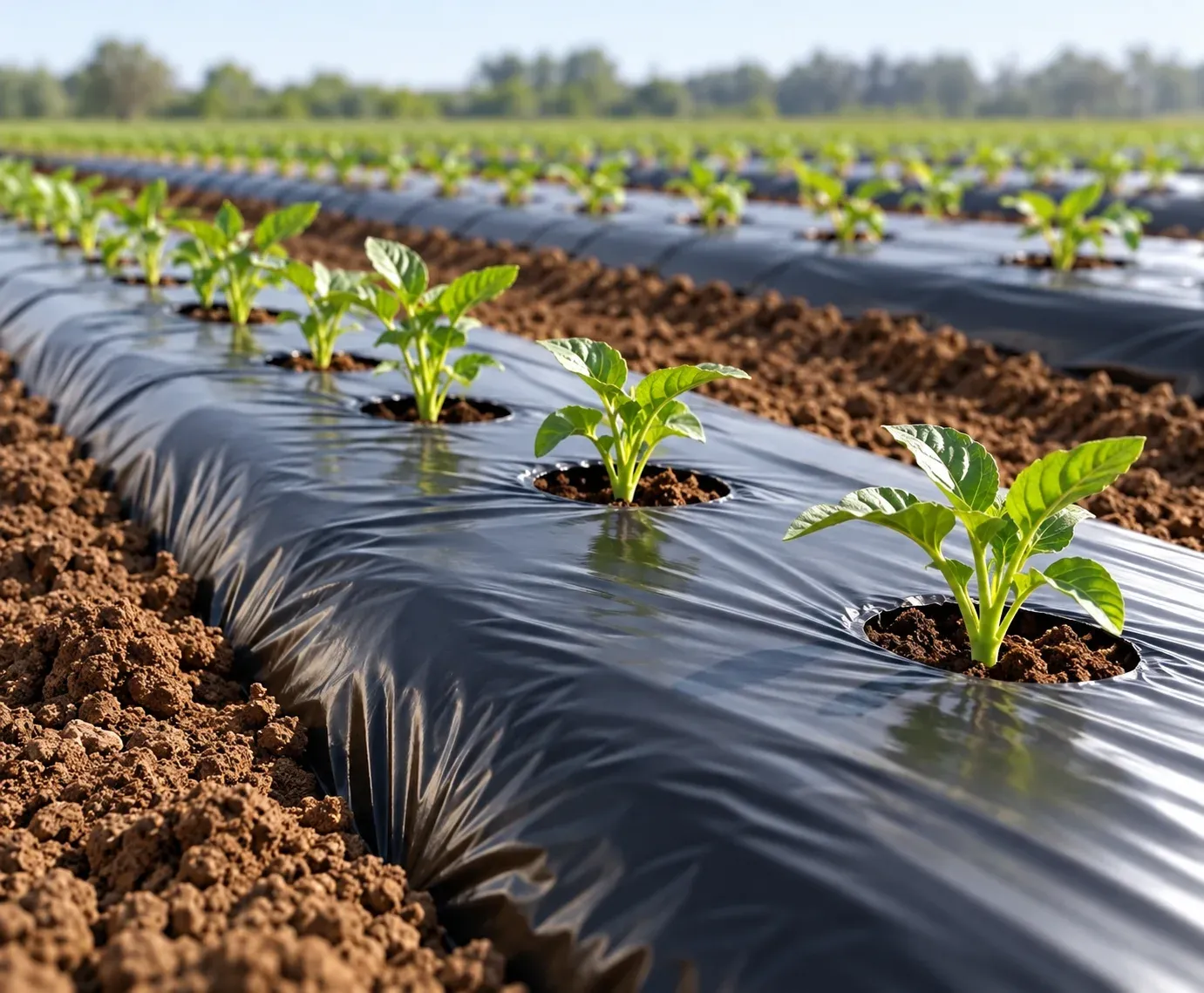
| Greenhouse and Mulch Film | Polyethylene film | Mulch film and air-bubble film | Vegetable and greenhouse growers |
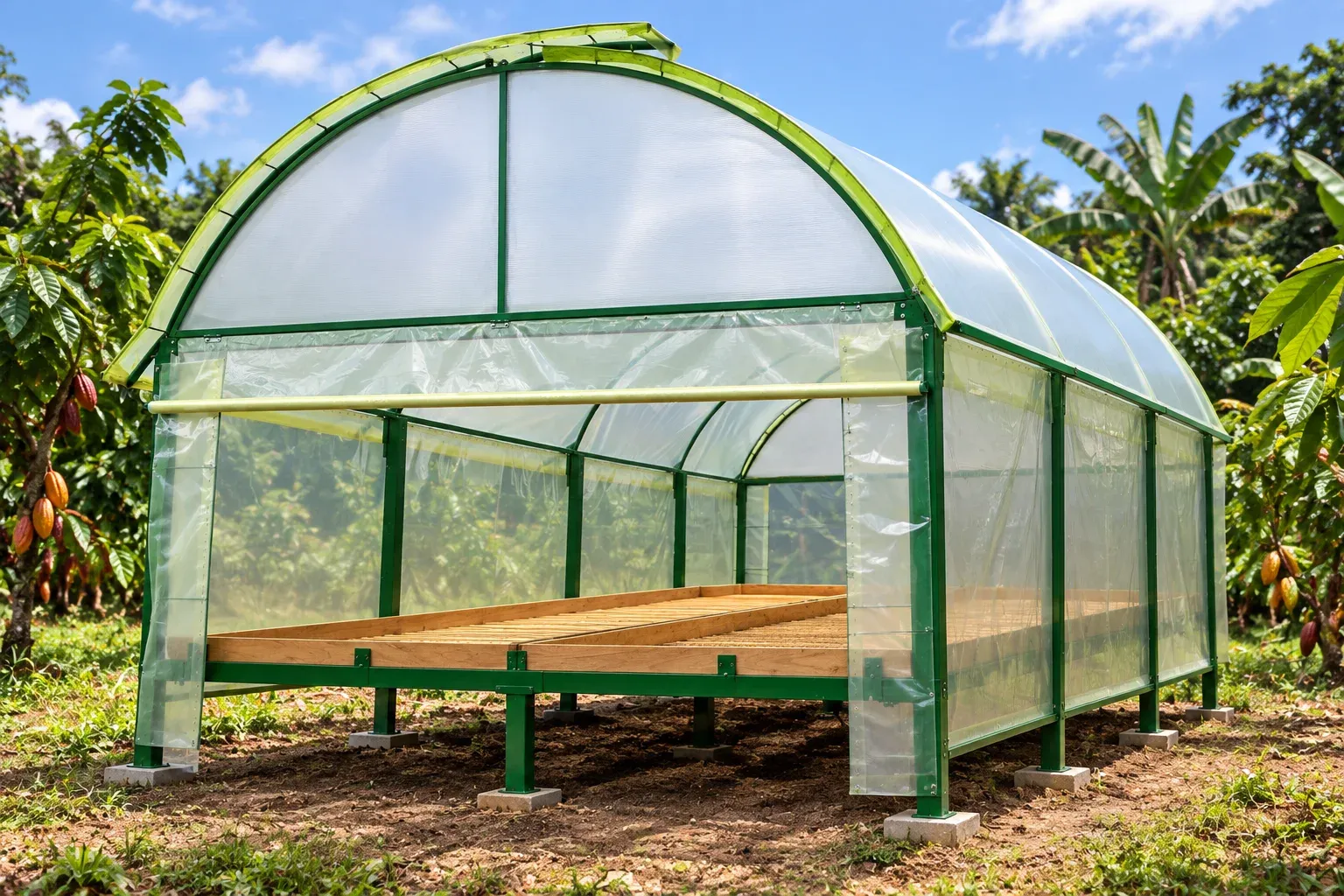
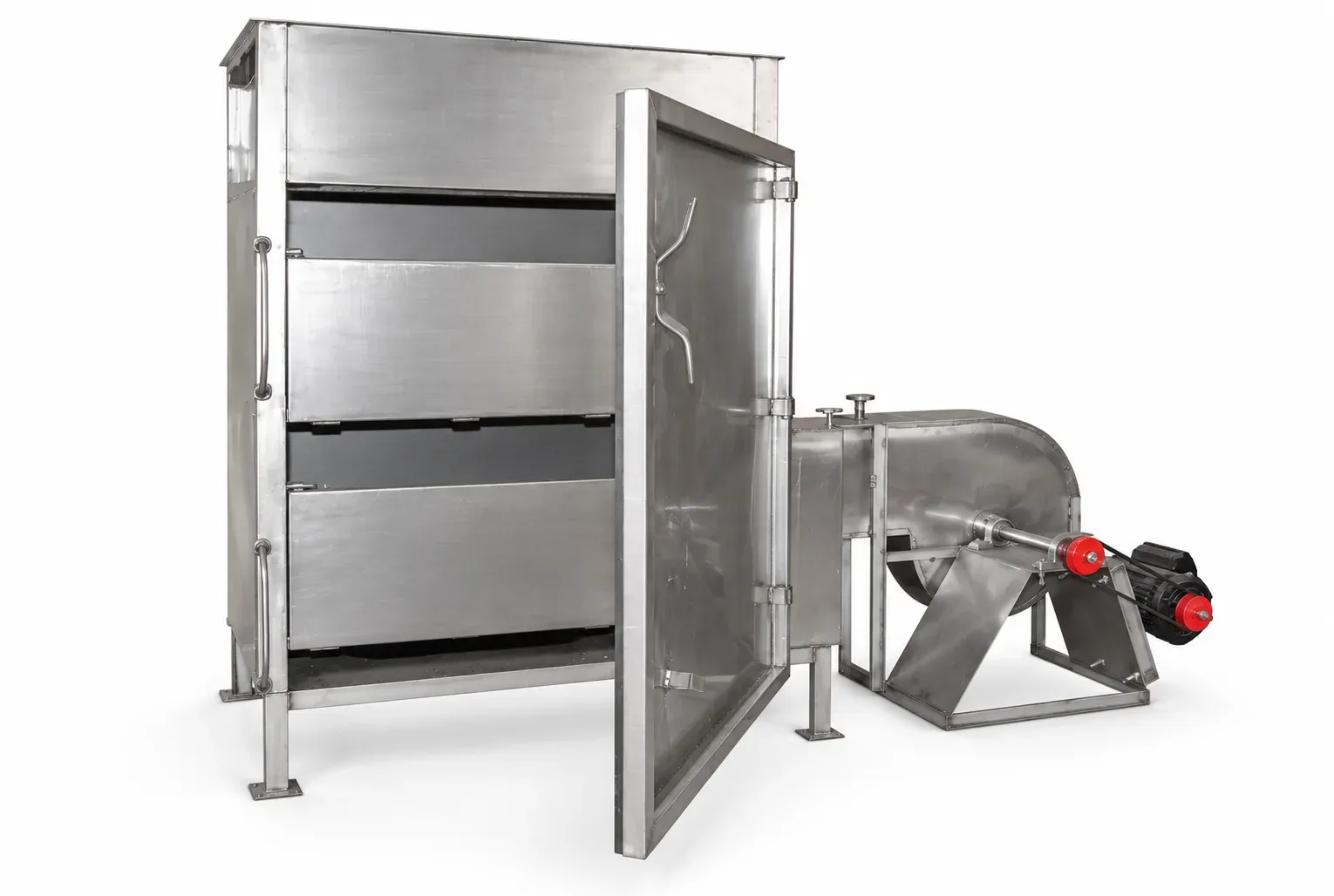
| Cocoa and Crop Dryers | Gas dryer, solar dryer | About 240 to 300 kg per batch | Cocoa smallholders and buying centres |
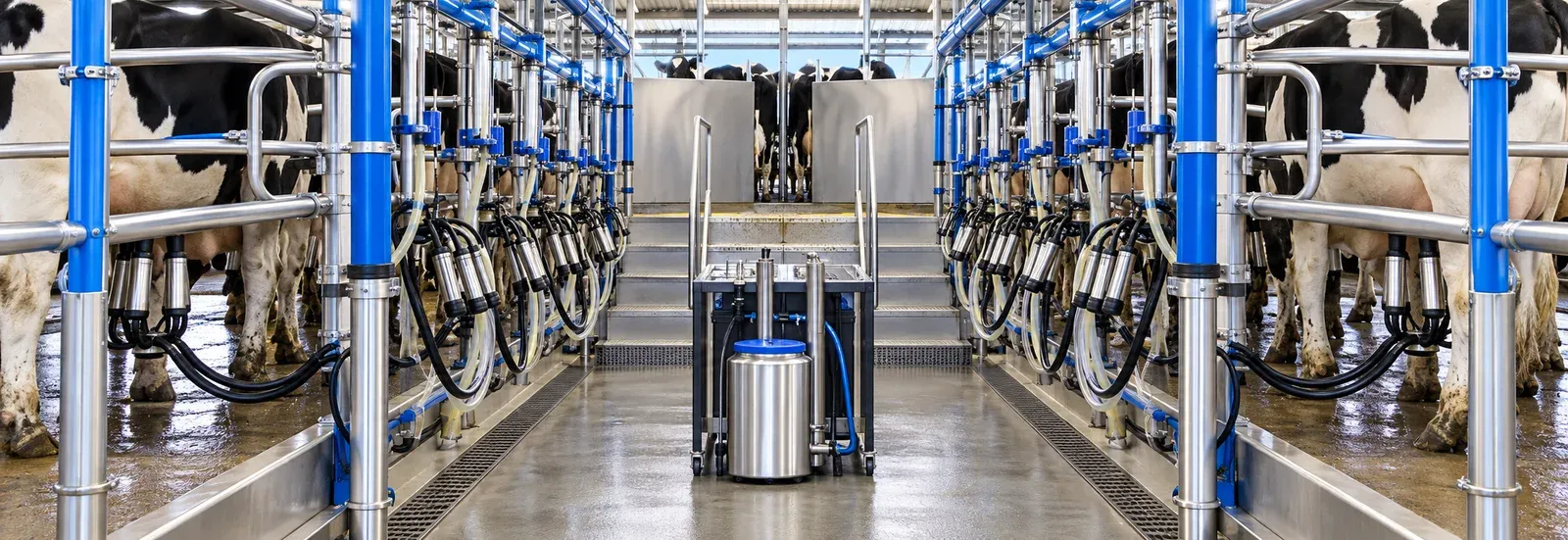
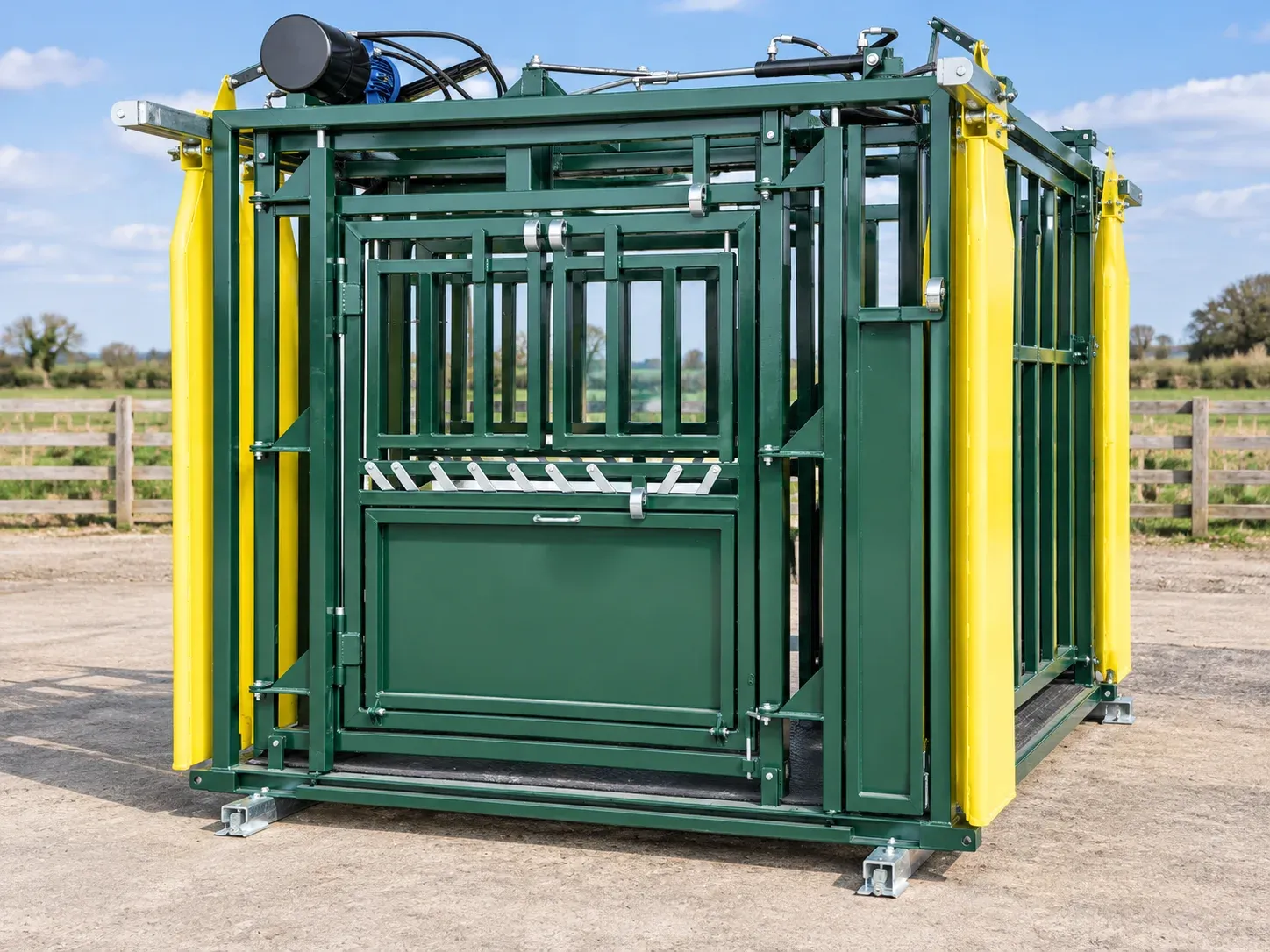
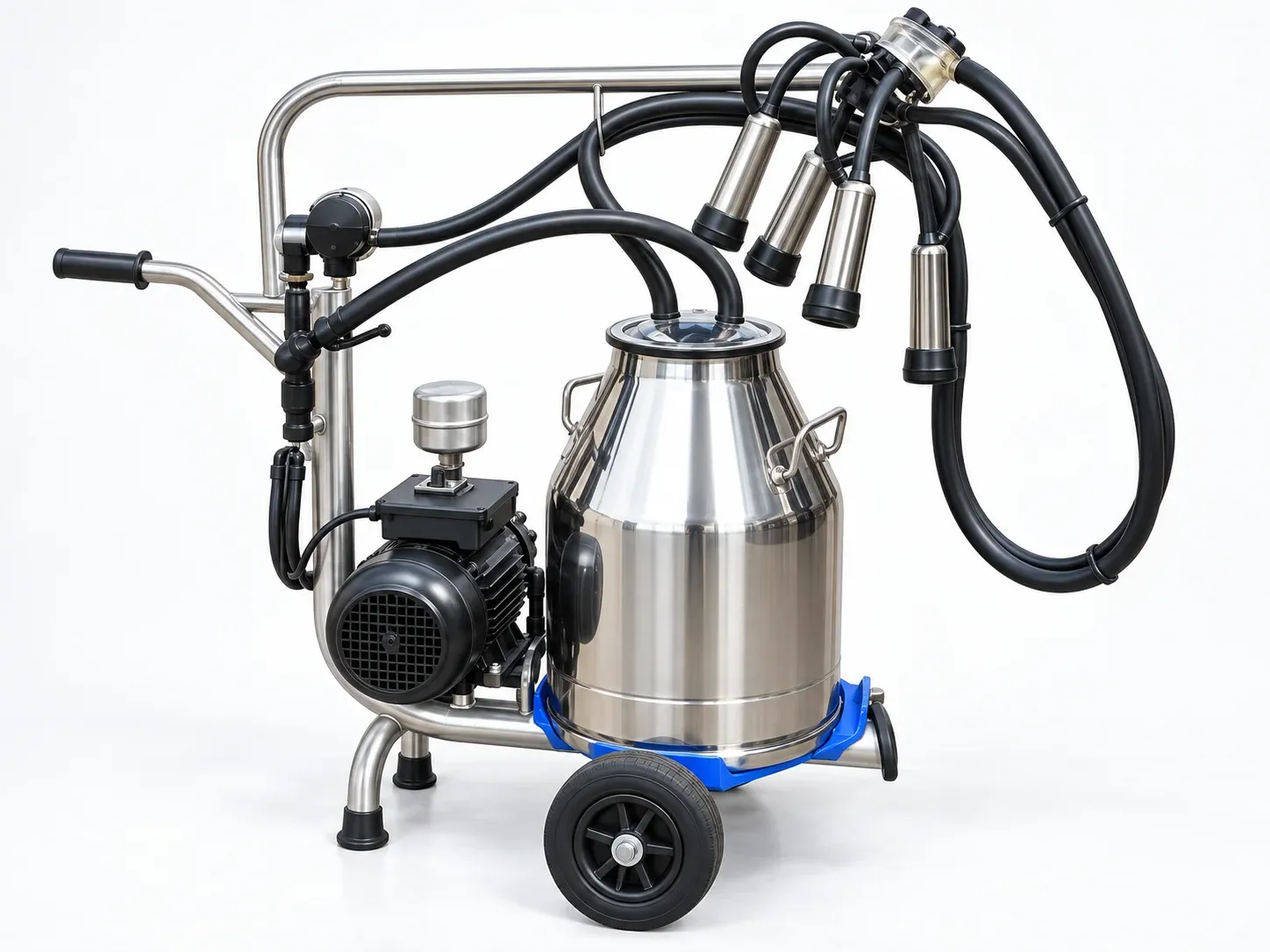
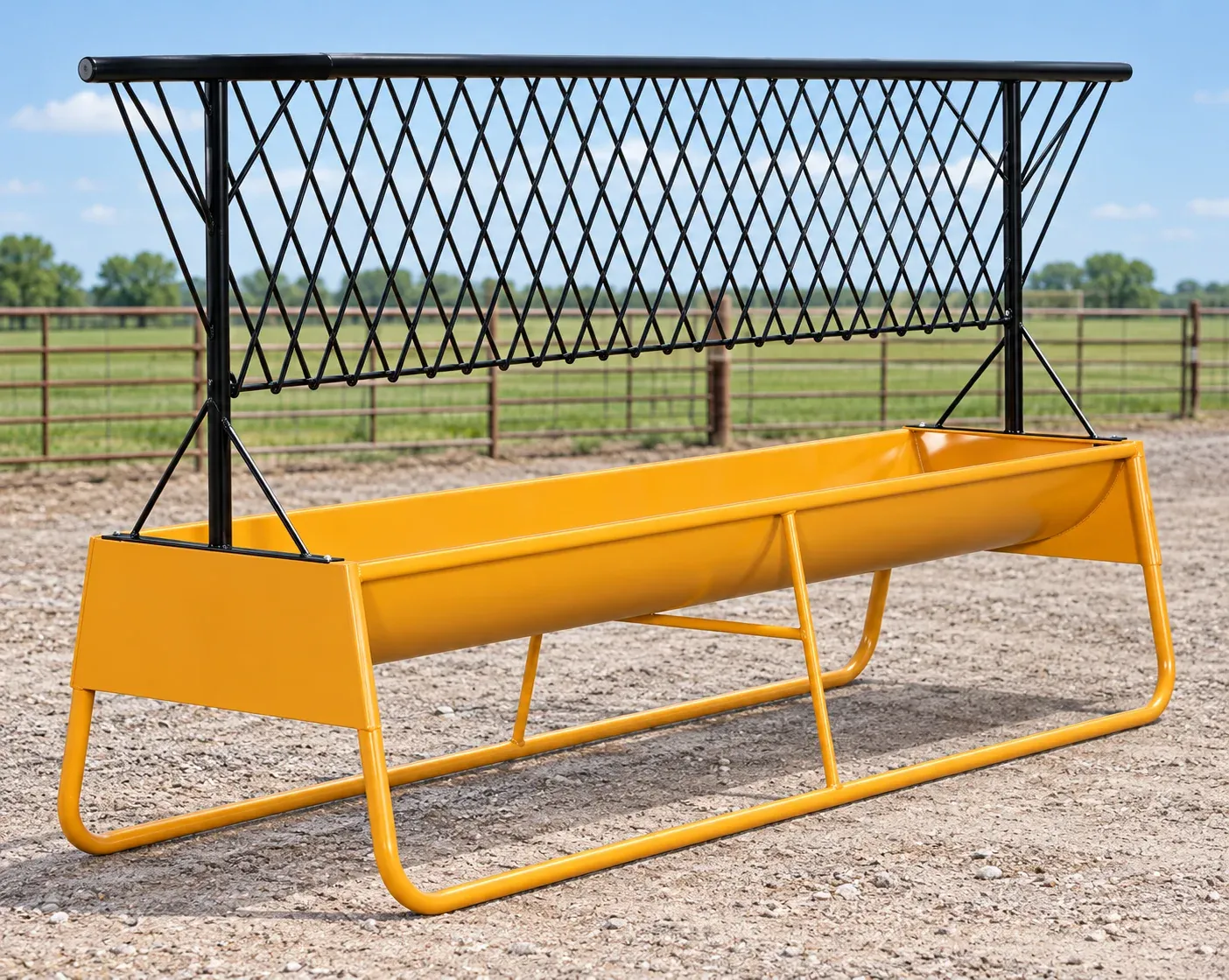
| Livestock and Dairy | Milking, crush, feed bunks | Single-cow bucket unit to parlour | Dairy and beef farms |
How to sequence a purchase
Most farms we hear from do not buy ten machines. They buy in the order the work stops them. The usual path is:
- A power source: a tractor, or a power tiller where plots are small. Everything mounted later is sized against its horsepower and PTO speed.
- Planting and tillage implements that match that power.
- A harvester, only after planting is steady; a harvester sits idle most of the year, so a mounted unit or contract hire can come first.
- Post-harvest: drying, storage and, for animal farms, pellets and dairy gear.
Power, voltage and climate
Field machines run on diesel or petrol, so check fuel quality and filtration for your region. Workshop and store machines are the ones where electrics matter: our small pellet machines come in 220 V or 380 V versions, larger mills and biomass lines run at 380 V three-phase, and the milking bucket unit is a 230 V, 50 Hz single-phase machine. In hot, humid areas, ask about corrosion protection and, for dryers and stores, ventilation design. Rice paddy and clay need cage wheels or crawler tracks that dry-land buyers can skip.
What to send for a quote
- Crops, planting calendar and farm area
- Soil type and slope
- Tractor power you already own, if any
- Local voltage and frequency for electric machines
- Quantity, destination port, and whether a spare wear-parts kit is needed
Our deeper guides cover combine harvester price drivers, flat die and ring die pellet machines and bucket versus parlour milking. If you are unsure where to start, send us the field work list and we will point you to the group.