Three groups, three jobs
A cold chain keeps goods at the right temperature from the farm, boat or factory to the buyer. The equipment splits naturally into storage, ice and central refrigeration. Most customers need one; fish and food businesses often need two.
| Group | What it is | Our range covers | Suits | Page |
|---|---|---|---|---|
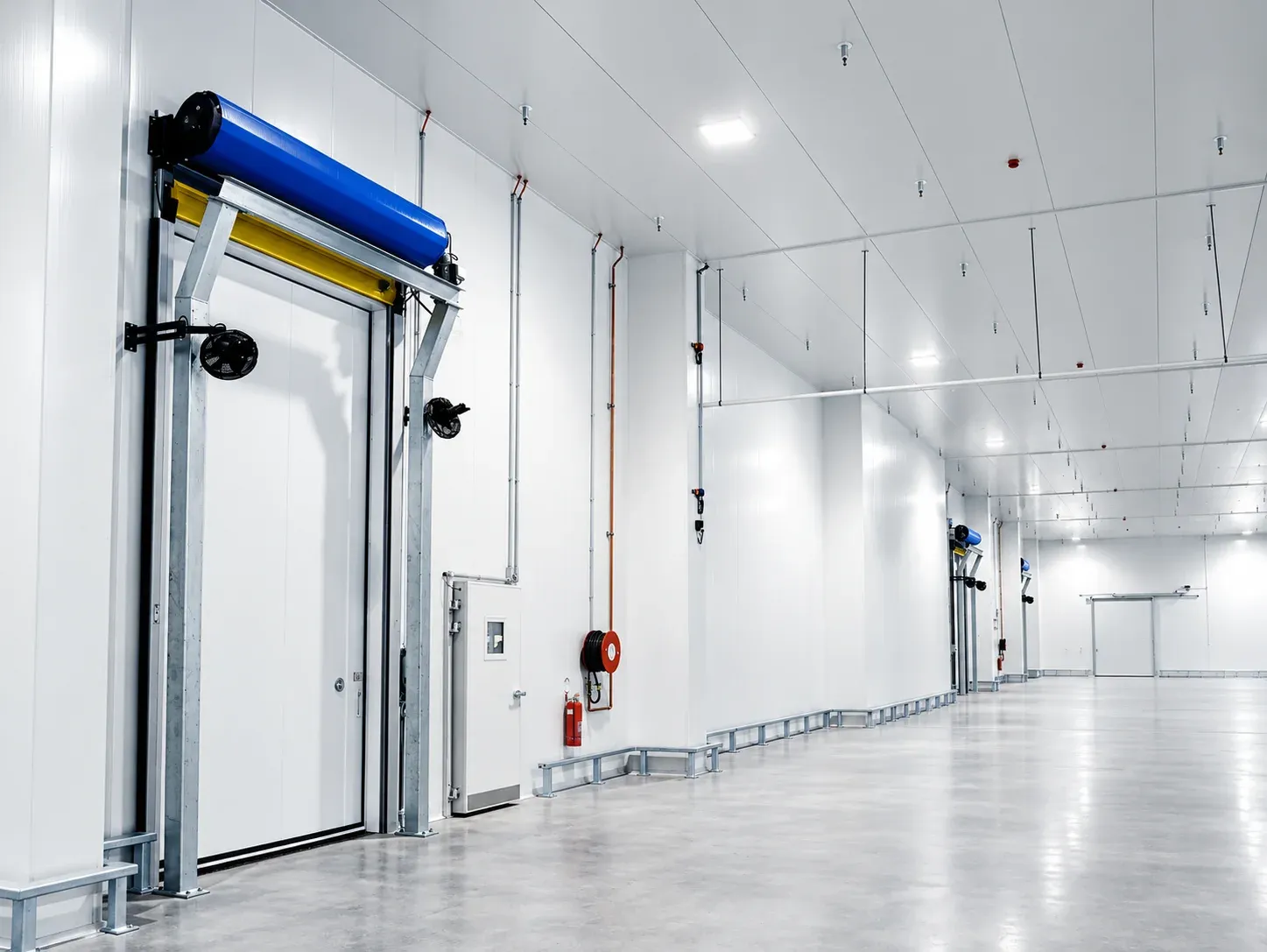
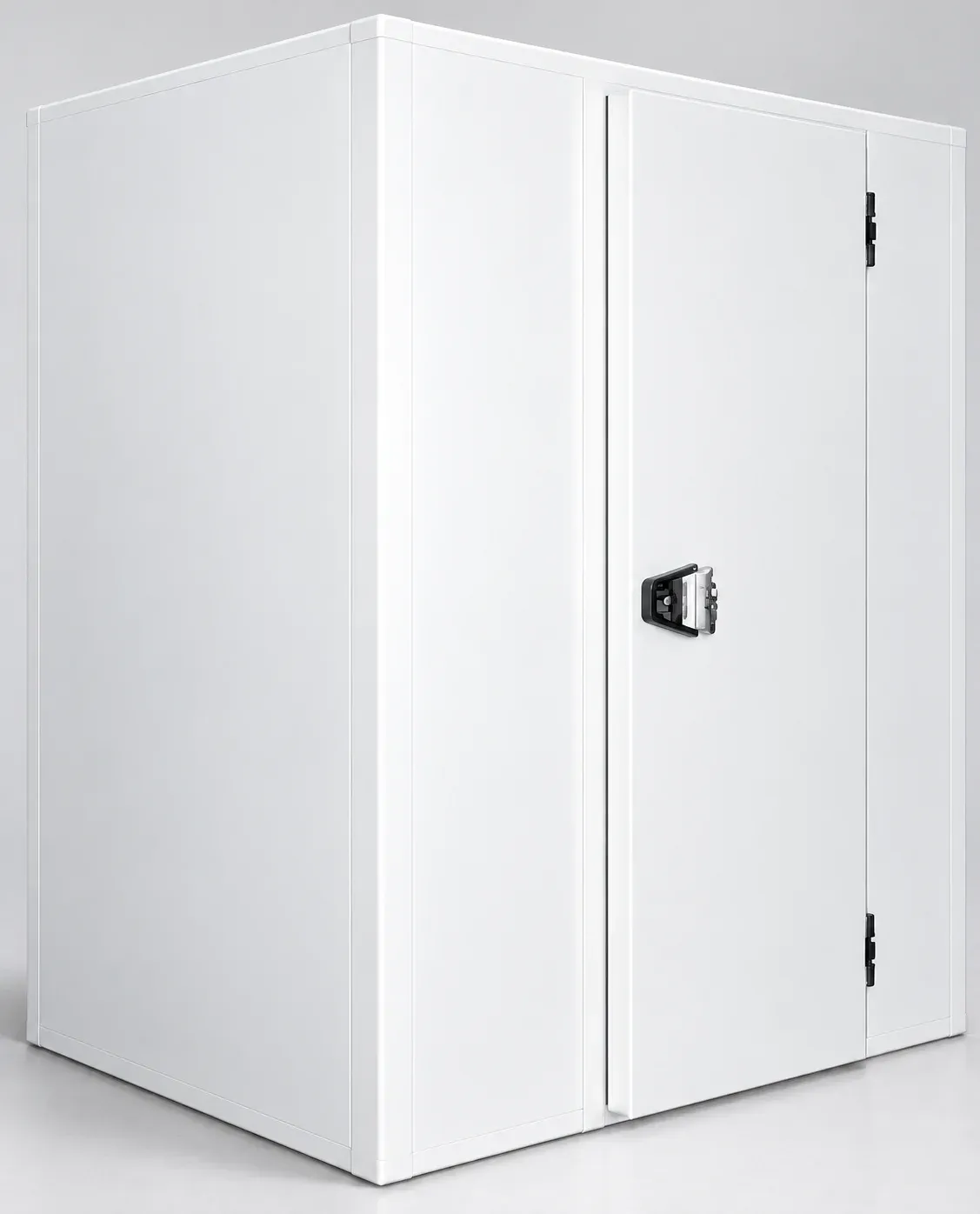
| Cold rooms and freezer rooms | Insulated panel rooms with evaporators and condensing units | A 2,180 x 2,580 x 2,200 mm modular room, plus engineered rooms per project | Restaurants, processors, distribution stores | Cold rooms |
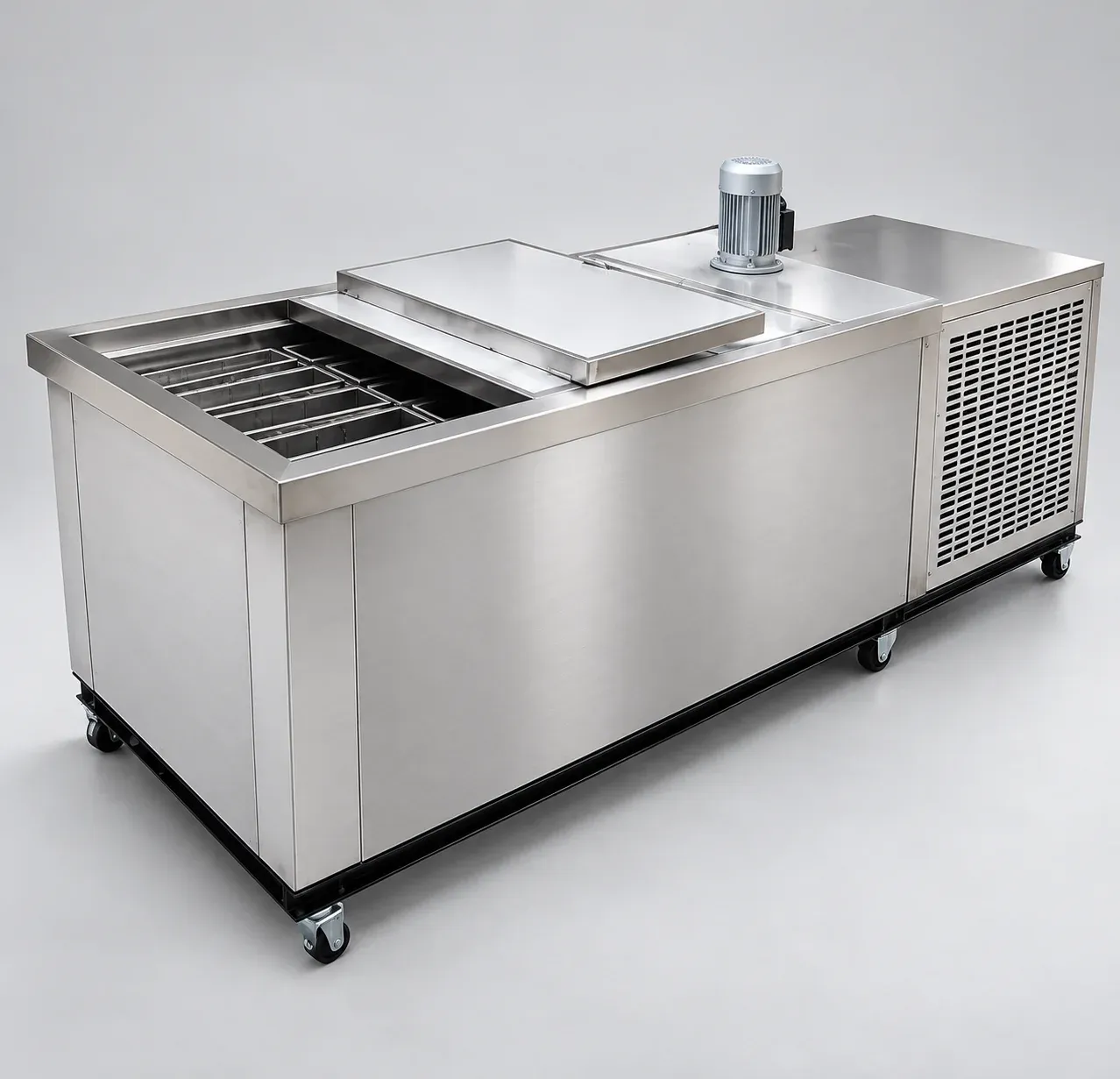
| Ice machines | Brine-type block ice makers | 500, 1,000 and 2,000 kg per 24 h; 5 or 10 kg blocks | Fish landings, ice sellers, food transport | Ice machines |
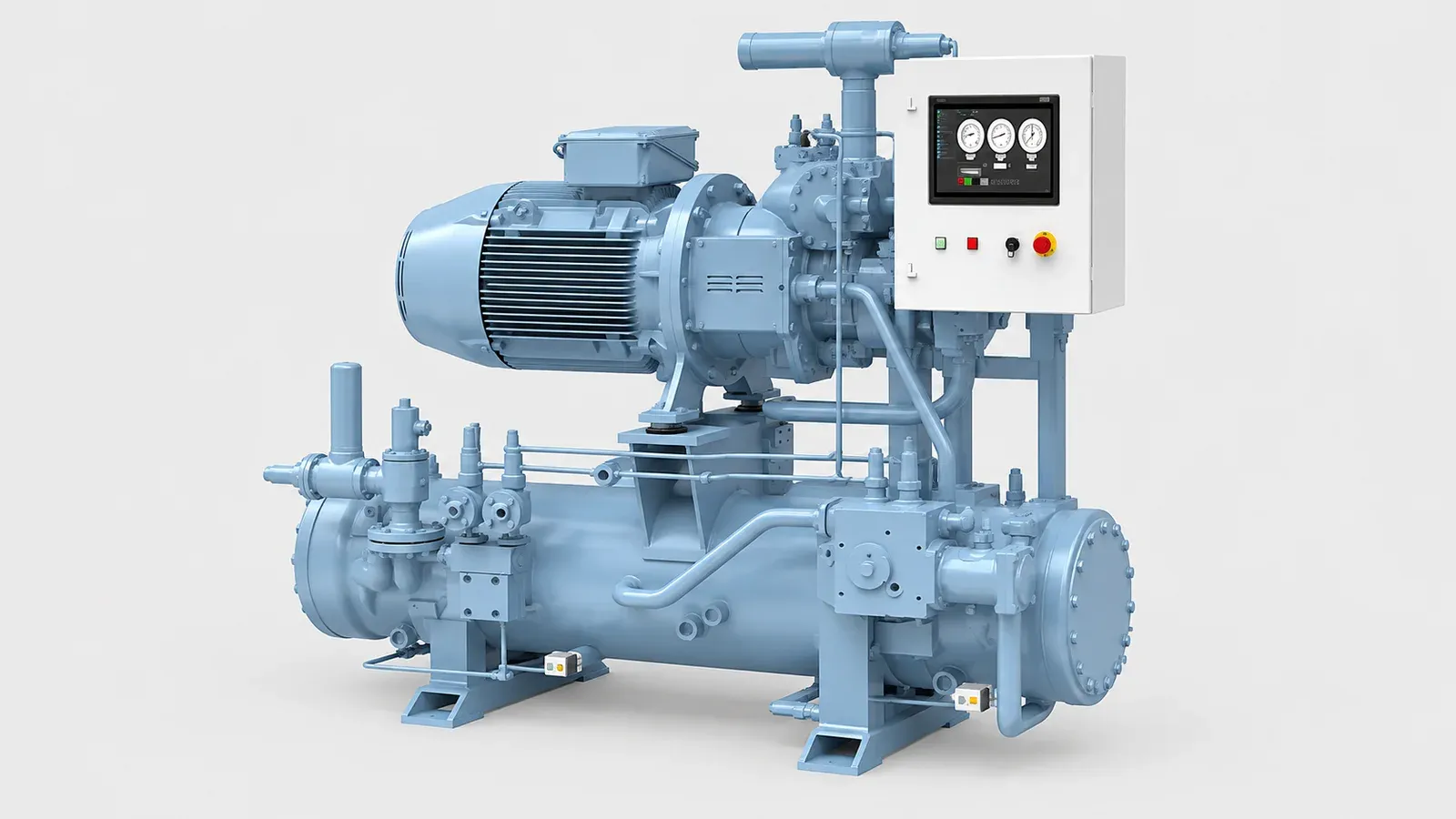
| Industrial refrigeration | Ammonia plants with piston or screw compressors | About 100 kW to several MW | Large cold stores, food factories | Industrial refrigeration |
How to choose between them
If you need to hold product at temperature, you need a cold room. If you need to chill product quickly in the field or on a boat, or move it without power, you need ice. FAO notes block ice remains useful in tropical countries because storage and transport are simple. If the cooling load is large, or you run several cold stores and freezers on one site, a central plant is worth the engineering.
Sizing differs for each. Cold rooms are sized from stock weight and heat load; our cold room sizing guide walks through a metric example. Ice machines are sized from kilograms of ice per day plus melt. Plants are sized from kilowatts of cooling at each suction temperature.
Where to begin in each group
For a small chilled or frozen store, the modular walk-in cold room is the quickest route: flat panels, two installers, one to two days. For a bigger or mixed-temperature building, ask about the custom cold and freezer room installations, where the envelope, doors and shelving area are designed together. Ice buyers usually start from the brine-type block ice machine, and plant buyers from the ammonia refrigeration system.
Common combinations
Fish landing sites pair an ice machine with a cold room for ice storage. Food factories often run a central plant for freezers and a few packaged rooms for small chilled stores. Distribution hubs separate chilled and frozen zones under one roof. A short call about your site usually settles which pairing is cheaper to run, because the biggest running cost in any cold store is electricity, and the right split between central and packaged equipment changes it.
Power, water and climate
Voltage and frequency matter in every group. The modular room is listed for 220 V single phase or 380 V three phase; the ice machine uses about 5-15 kW depending on size, air- or water-cooled; ammonia plants have project-specific motors and controls. Hot climates change output: ice machines make less ice with warm water, and condensers need more area. Give us your peak ambient, not the average.
What to send for a quote
- What you store or chill, and the temperature
- Quantity per day or peak stock
- Site location, ambient and water conditions
- Power supply: voltage, frequency, phase
- Building dimensions or available site area
- Whether you want one group or a combined package
We will point you to the right group and propose the starting model.