Two product groups, one buying rule
Gas plant and bench instruments look unrelated, but both are bought against a stated duty: a flow and a purity for gas, a magnification or speed for instruments. Write that duty down first and the shortlist collapses quickly.
| Group | What is in it | Typical range | Suits |
|---|---|---|---|
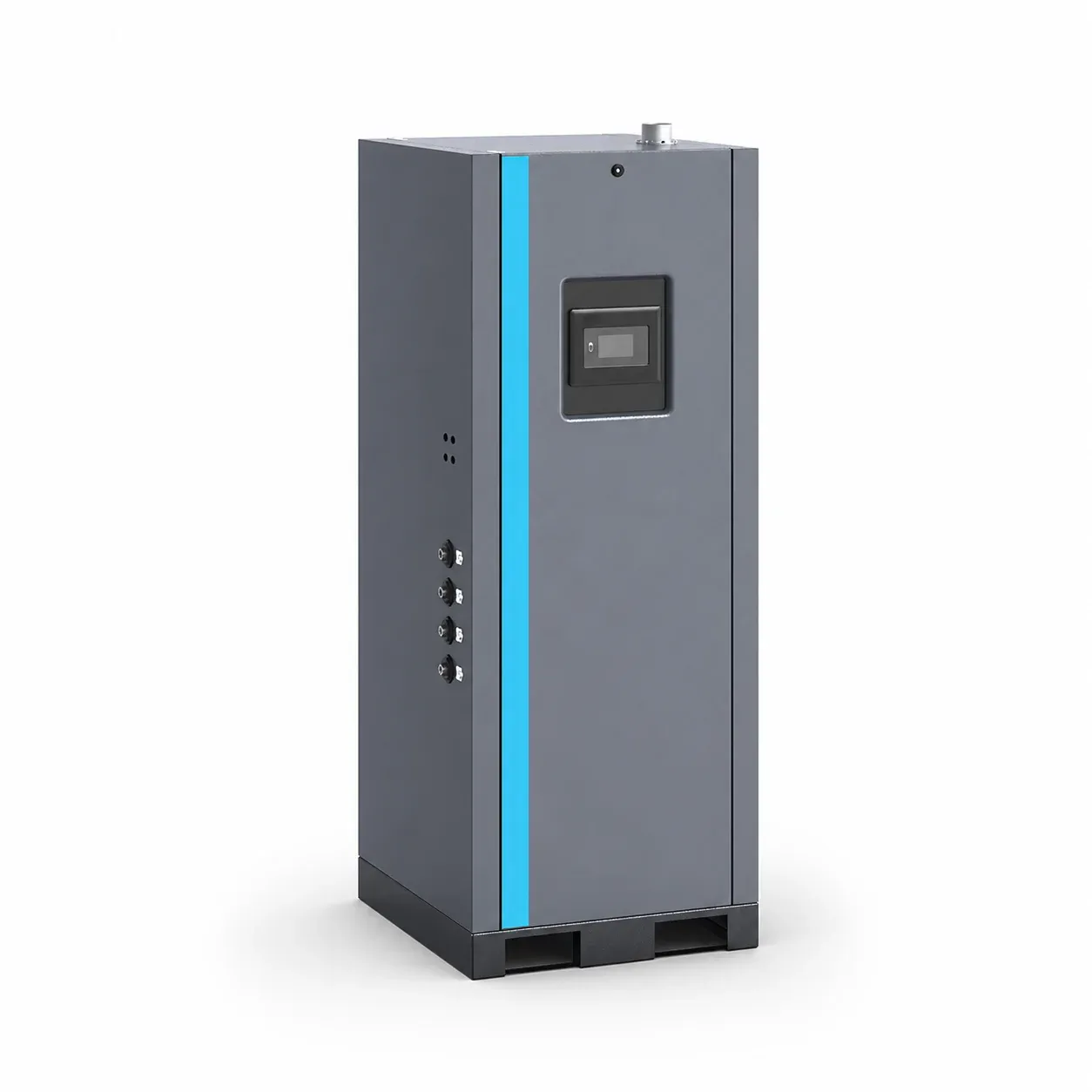
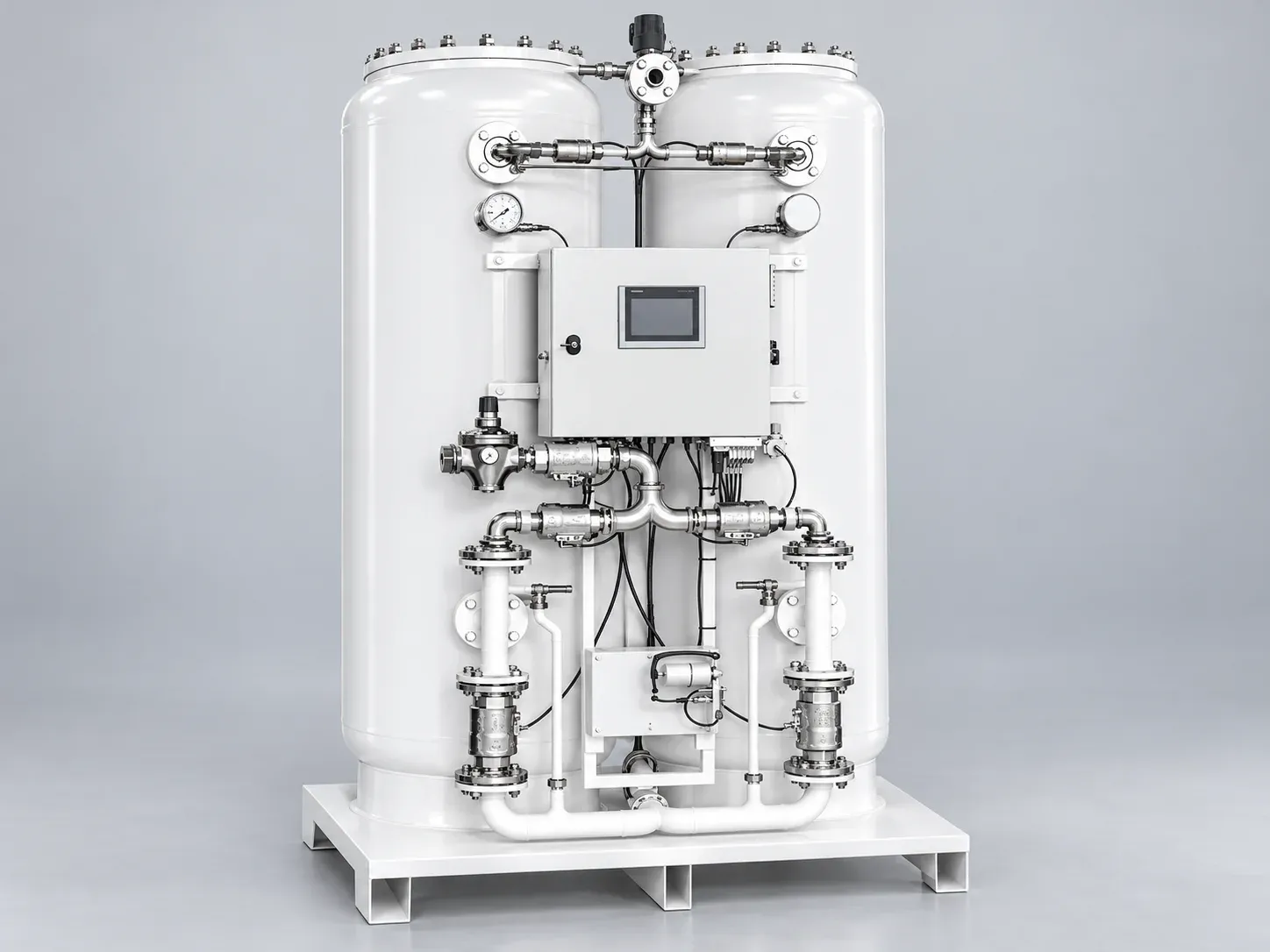
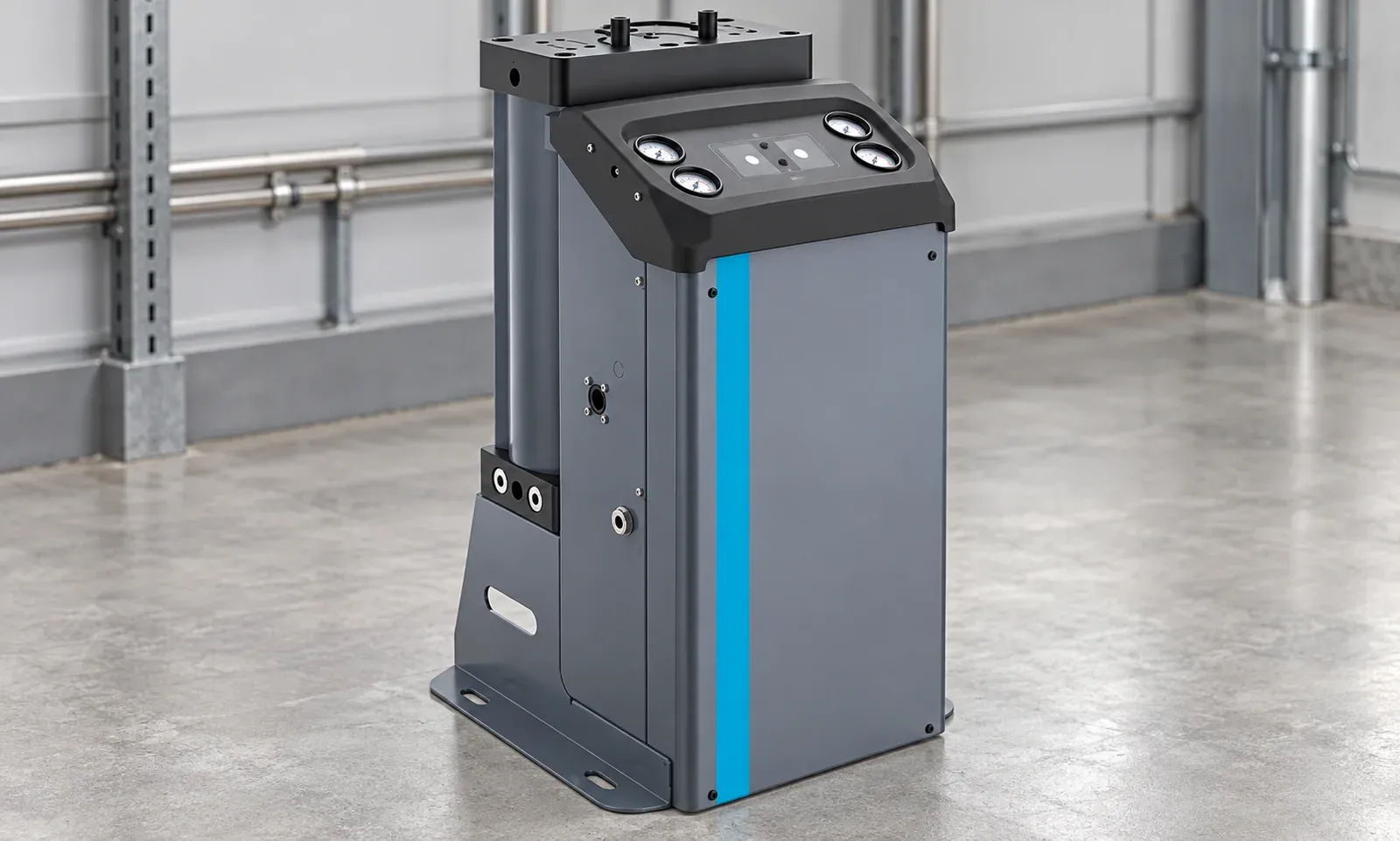
| Oxygen and nitrogen generators | PSA oxygen for hospitals and industry; compact PSA nitrogen | Oxygen 1.8-433.40 m³/h across the medical series; nitrogen 0.3-18.8 Nm³/h | Hospitals, clinics, workshops, packaging and electronics |
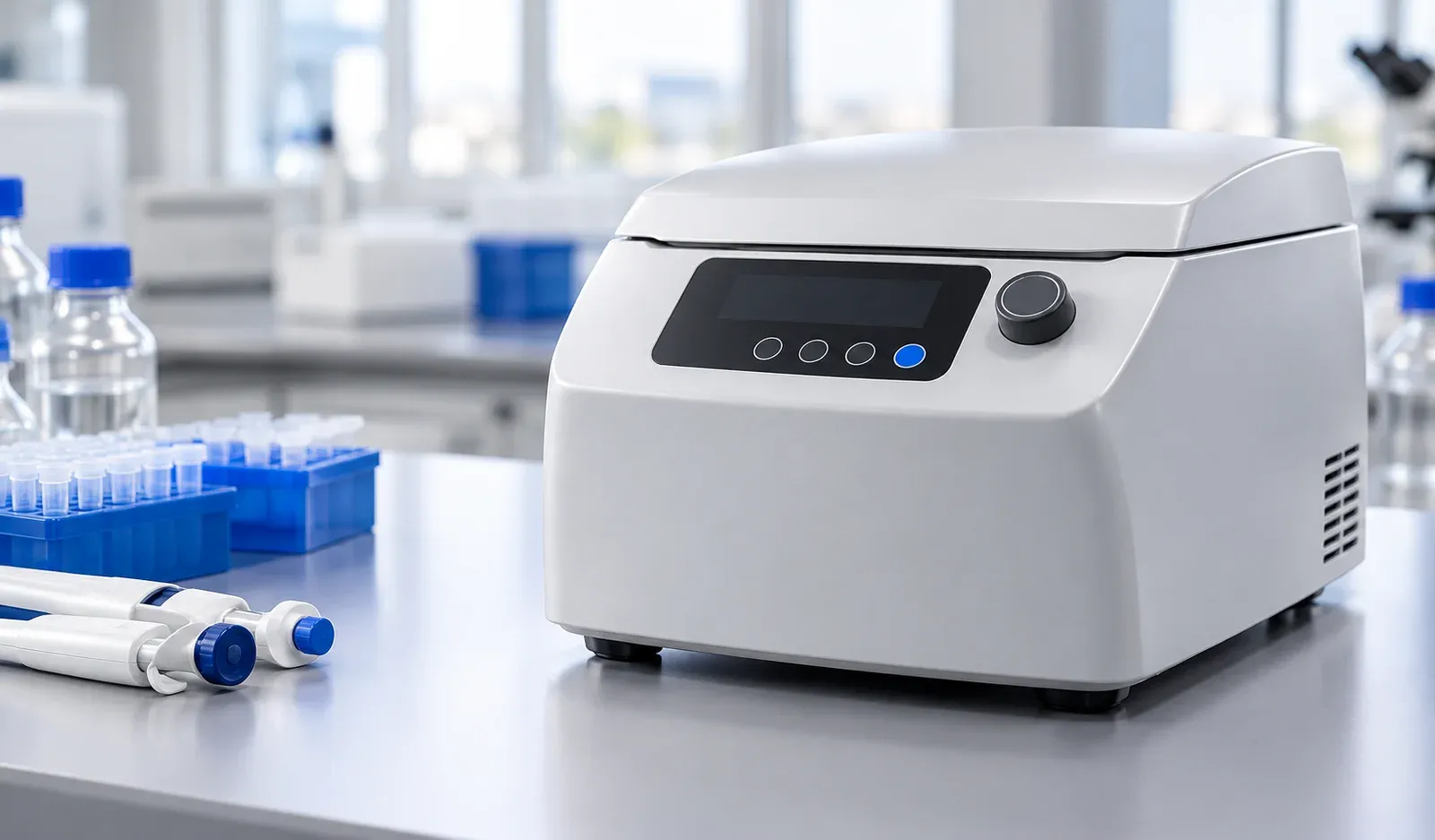
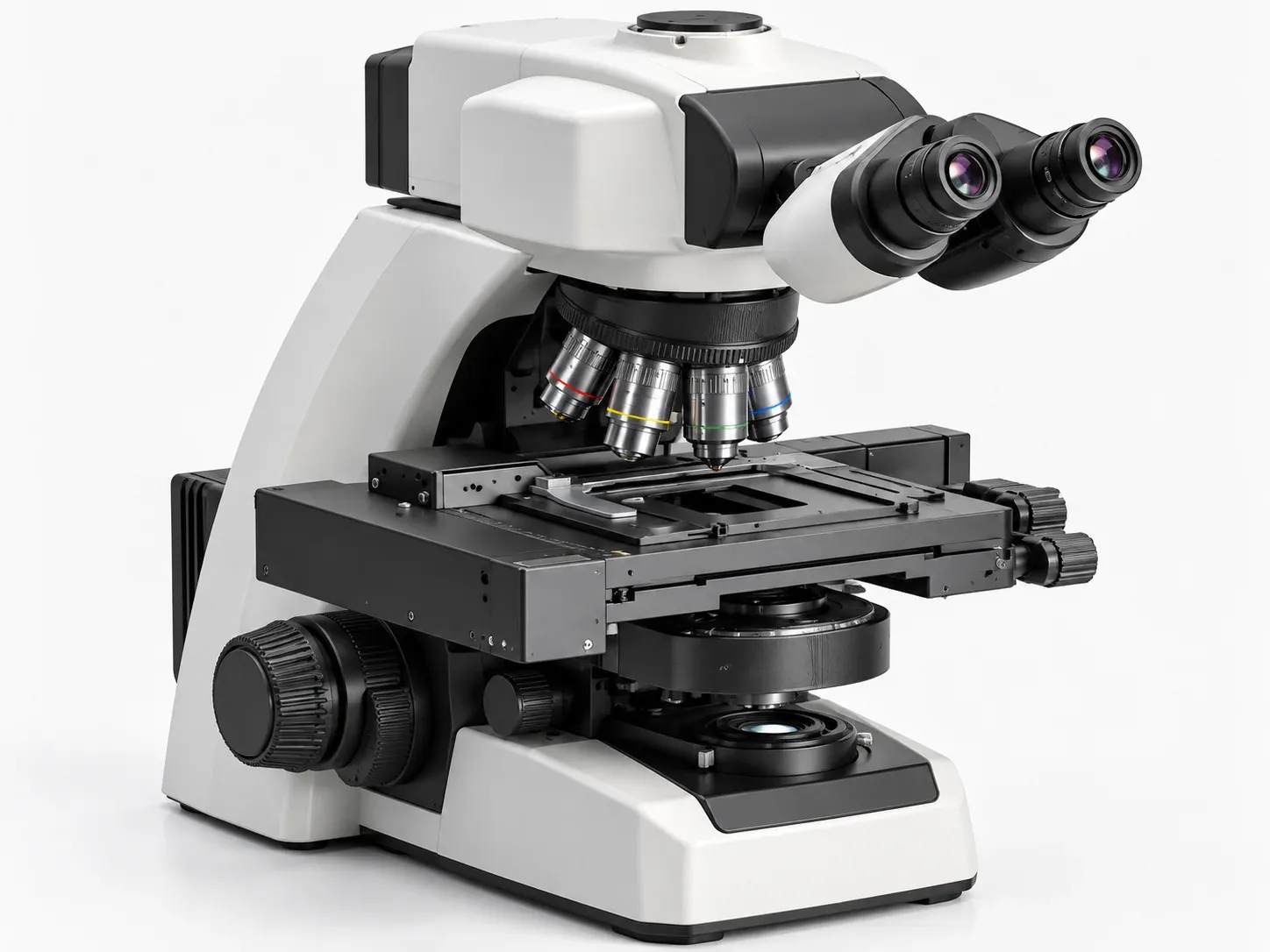
| Laboratory equipment | Upright research microscope, benchtop micro centrifuge | 40x-1,000x magnification; about 12,000-16,000 rpm | Clinical labs, schools, research groups |
How the gas side works
PSA stands for pressure swing adsorption. Compressed air passes through a bed of molecular sieve; one tower makes gas while the other regenerates, swapping about every 30-60 seconds for oxygen. Oxygen units use zeolite and give about 90-96% purity. Nitrogen units use carbon molecular sieve and, as our product page notes, can reach 99.999% depending on flow. Specific power for industrial oxygen is about 0.35-0.6 kWh per Nm³.
A generator is part of a system. Add the compressor, dryer and filters, a receiver, an analyzer, alarms and a backup source. A rule of thumb on our medical page is that one hospital bed uses about 3-6 L/min of oxygen on average, more for ventilated patients; ask your clinical engineer to size the peak. The trade-offs against delivered cylinders are covered in our PSA oxygen generator vs cylinders guide.
Choosing within the industry
- Is the need continuous gas? Go to the generators. Is it examination or analysis? Go to lab equipment.
- Oxygen for patients or for process? The medical series is planned with air treatment, storage, monitoring and backup; the industrial one suits cutting, furnaces or filling cylinders through a booster to 15 MPa.
- Lab nitrogen? Check purity first, then flow, then outlet pressure of about 0.5-0.8 MPa.
Products worth opening: medical PSA oxygen generator system, compact PSA nitrogen generator, research microscope.
Power, air and installation
Every PSA unit is only as good as its feed air. Our nitrogen page assumes compressed air at about 0.7-1.0 MPa, and the compressor and pretreatment are quoted separately. Check that your power voltage and frequency match the package, and allow a start-up period of about 5-15 minutes for nitrogen to reach purity. For hospitals, the oxygen plant room needs ventilation, a clean air intake and a route for the piping to the ward network, and the analyzer and alarms should be wired to a place that is staffed around the clock.
Laboratory side in brief
The upright microscope is built up from a binocular or trinocular head, objectives from 4x to 100x oil immersion, LED illumination and optional fluorescence cubes, with a digital camera if images must be stored. The benchtop micro centrifuge comes in room-temperature and refrigerated versions, the refrigerated one covering about -10 to +40 °C. Decide first whether samples need cooling and whether you spin standard microtubes or PCR strips, because that sets the rotor. Instruments are configured, not bought off a single price list, so give the intended application and we match the options.
What to send for a quote
- Gas, flow in m³/h or Nm³/h, and required purity
- Outlet pressure and whether cylinder filling is needed
- Number of beds, or process equipment, being supplied
- Compressed air available, if any; power voltage and frequency
- Site ambient temperature, altitude and room dimensions
- Local approvals or standards your project must meet
Include these in your enquiry and we can propose a package.