Pick the source before the brand of machine
Most buying mistakes in this category come from choosing equipment before looking at what the site can feed it. Hydro needs a head and a flow. A gas set needs a steady gas supply of known quality. A diesel set needs only fuel delivery and a load list, which is why it is the default for backup and for remote sites without a grid.
The five groups
| Group | Typical size in our range | Suits | Page |
|---|---|---|---|
| Small hydropower | about 100 kW to 1 MW | Rivers, canals, mountain streams | Turbine by head and flow |
| Gas and biogas sets | configured per gas supply | Landfills, digesters, waste gas | Fuel analysis first |
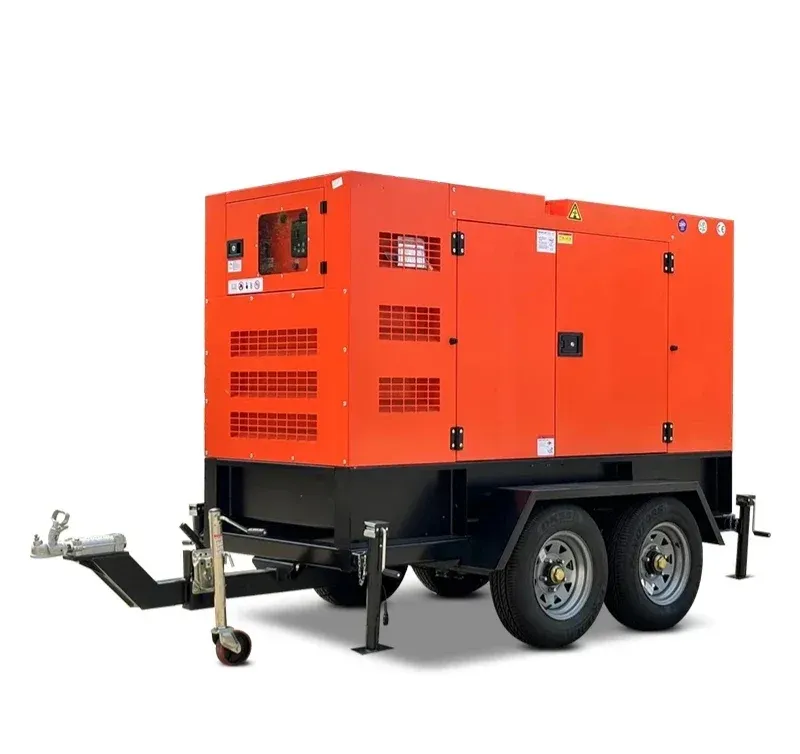
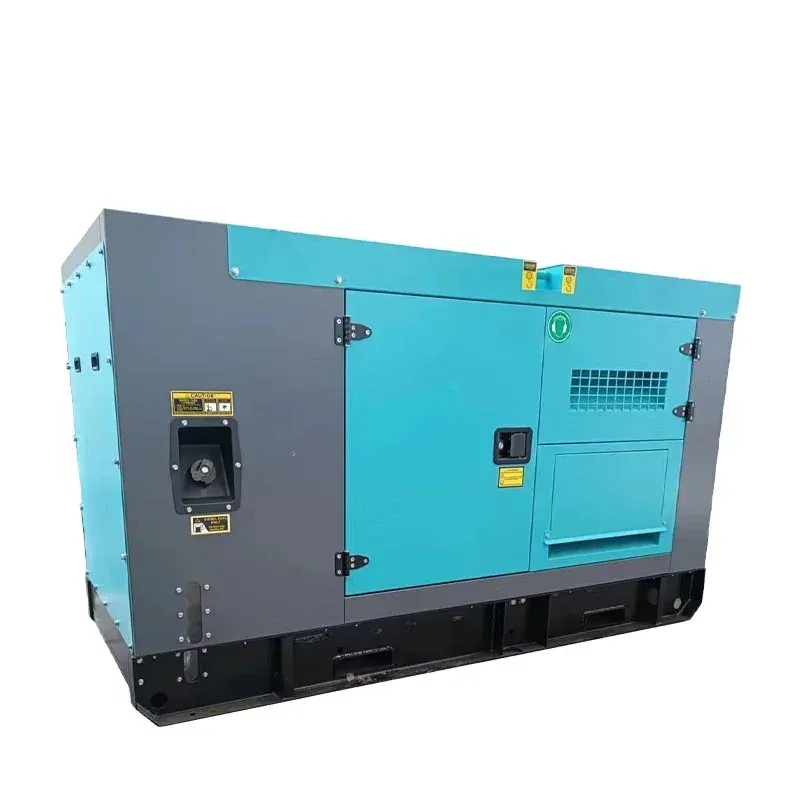
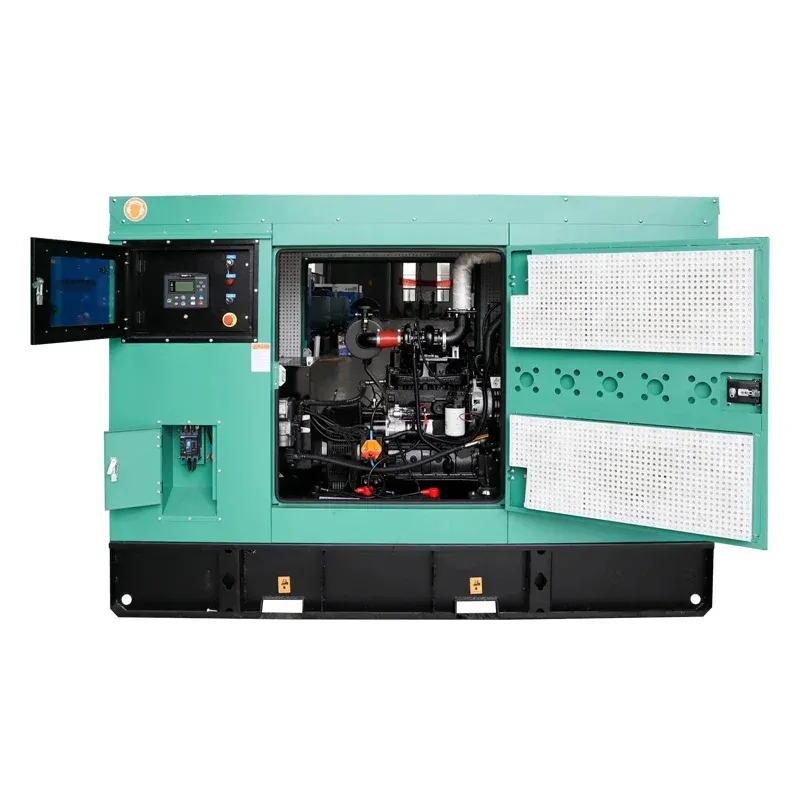
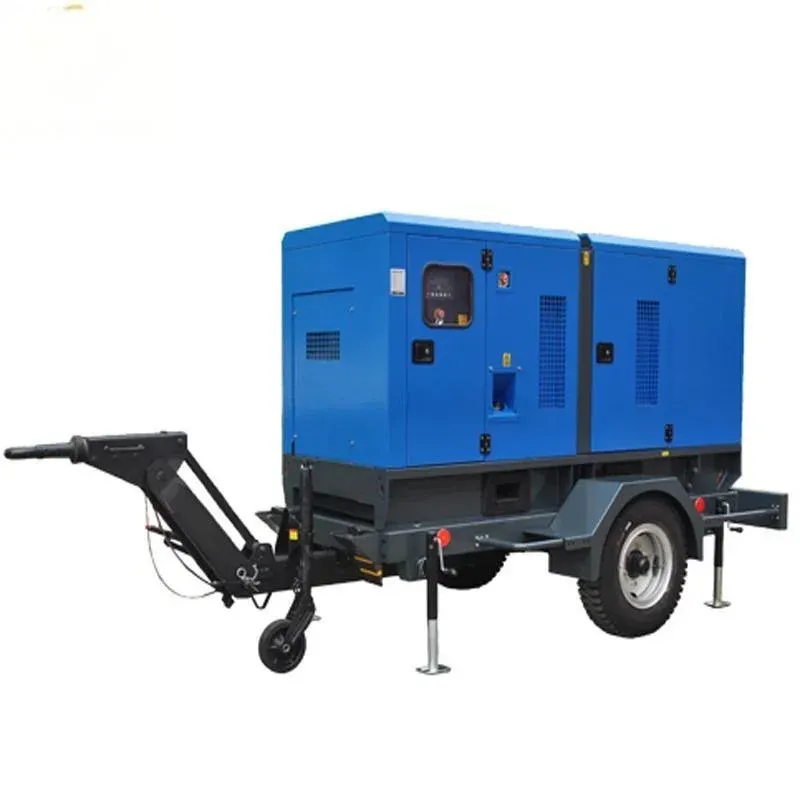
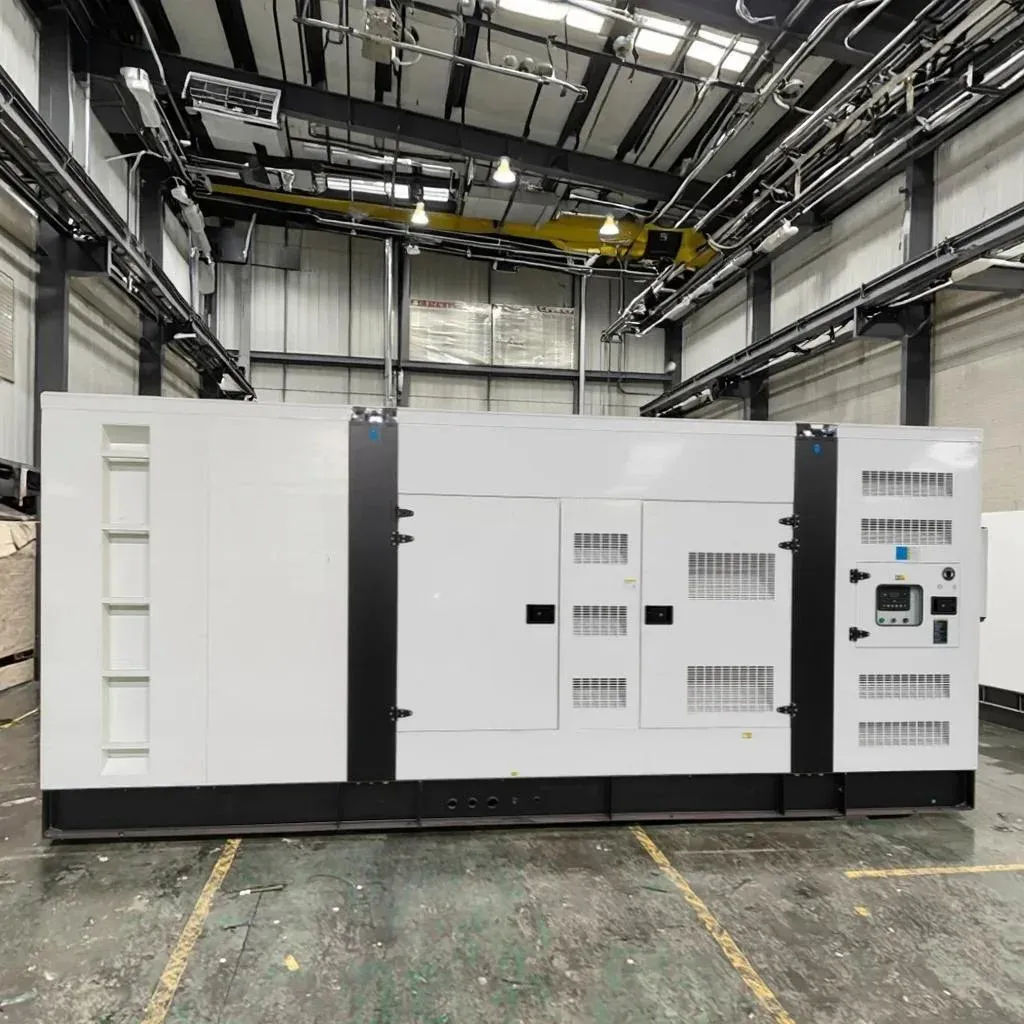
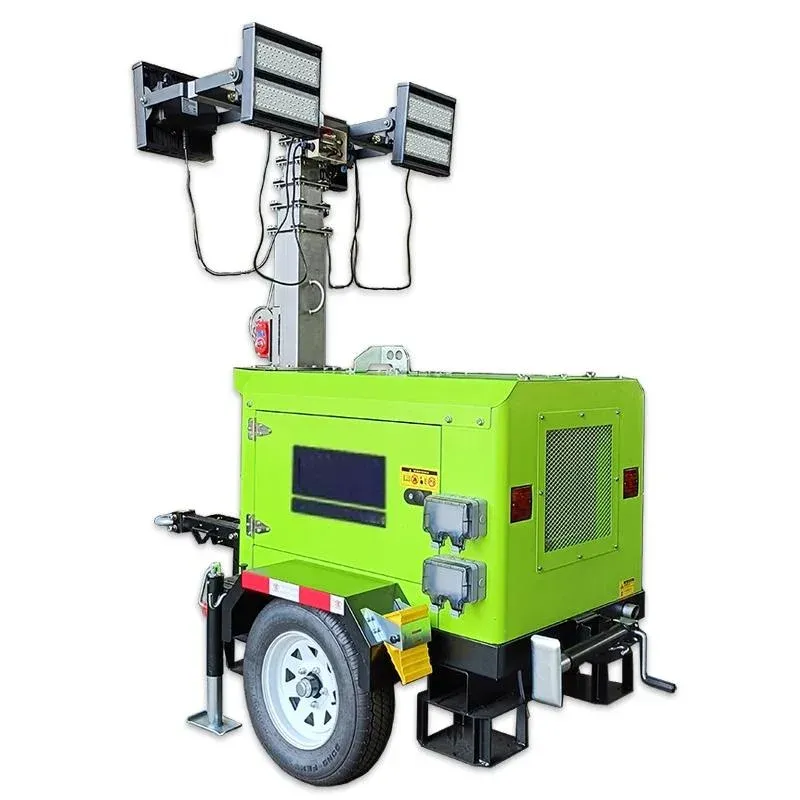
| Diesel generators | 10 to 500 kVA, plus light tower | Backup, remote sites, construction | Size by load list |
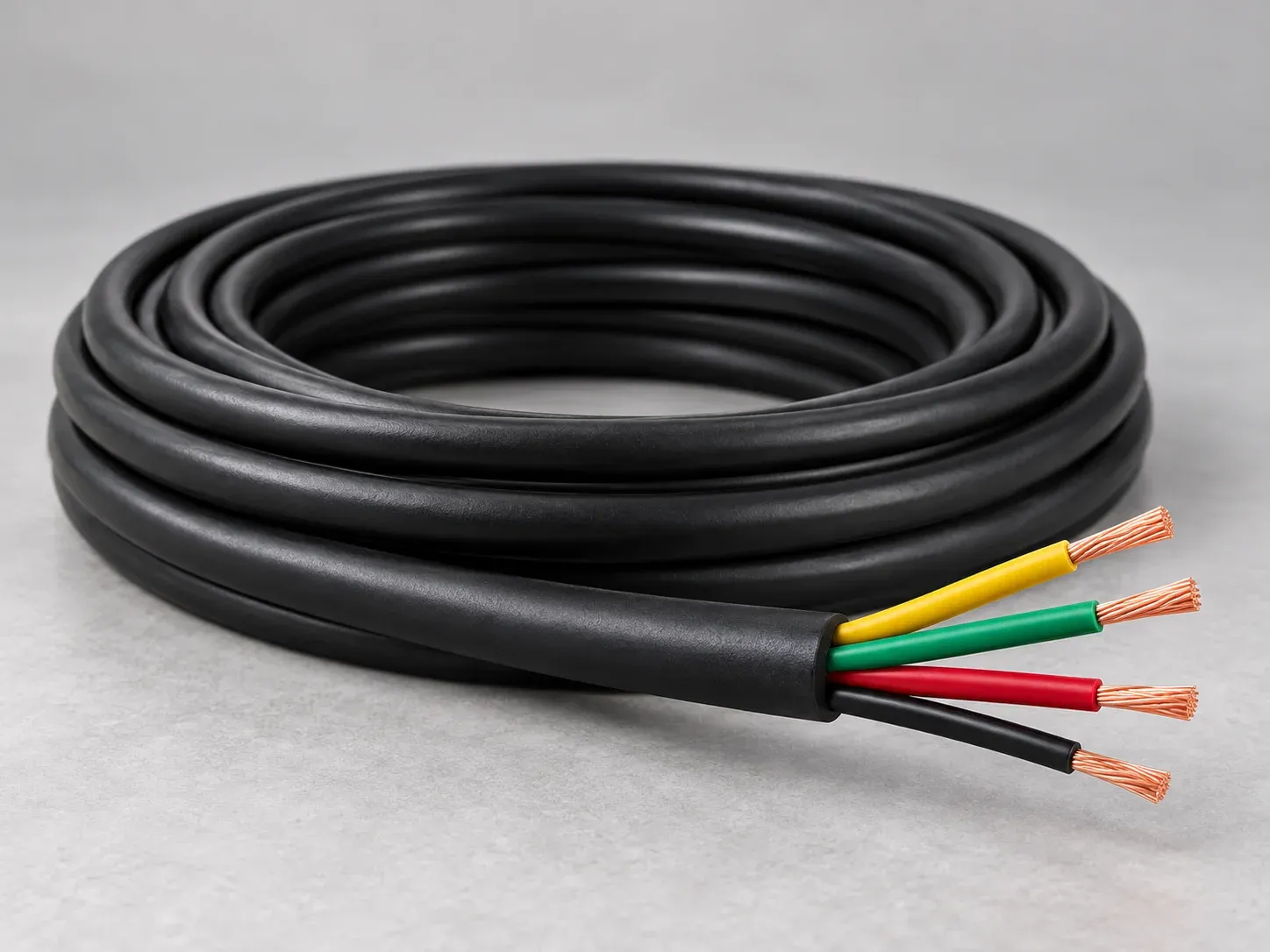
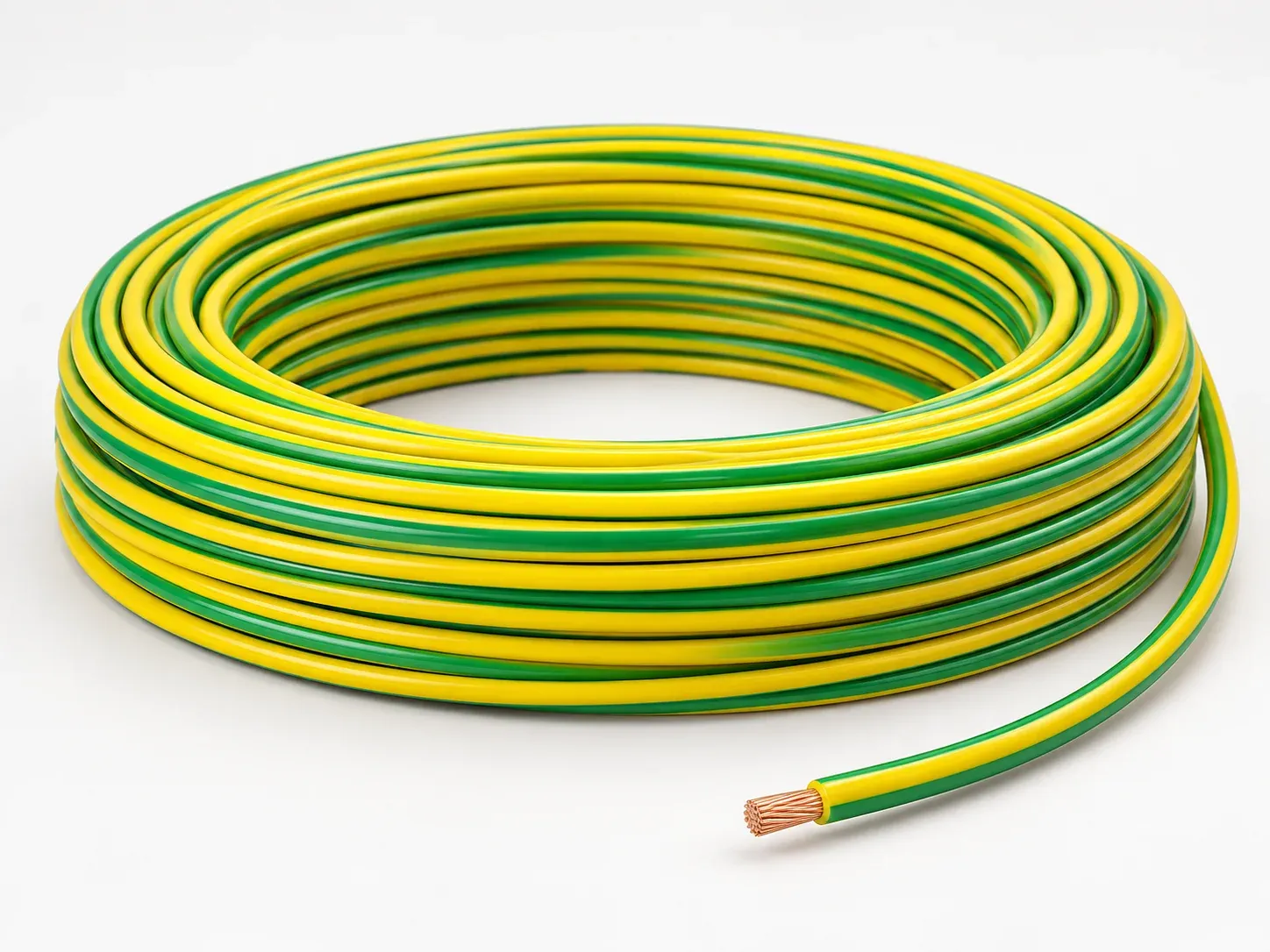
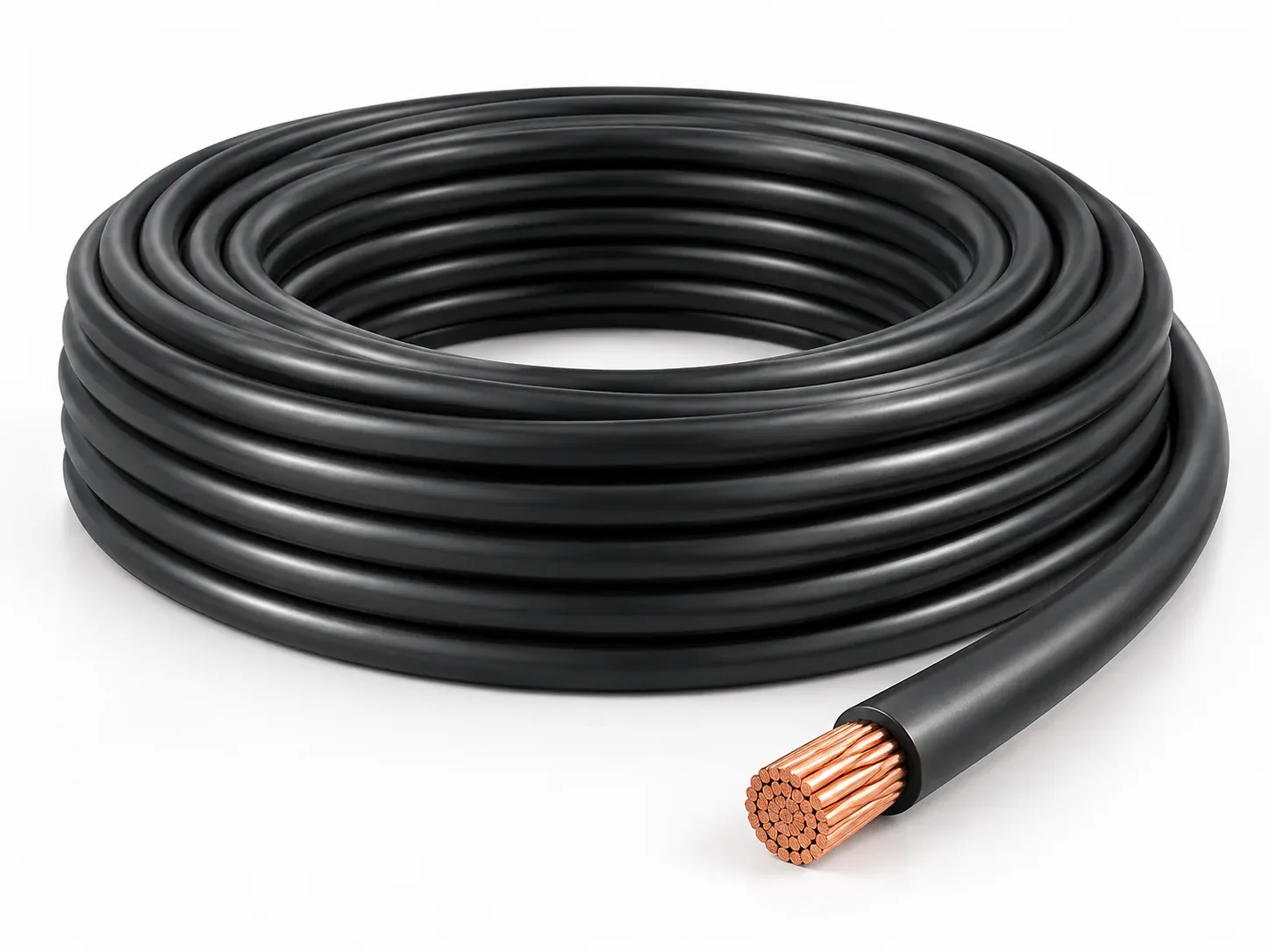
| Building wire and cable | wire from 1 mm² (THHN 14 AWG to 4/0); armoured cable 1.5 to 25 mm² | Buildings, underground runs | Conductor and voltage class |
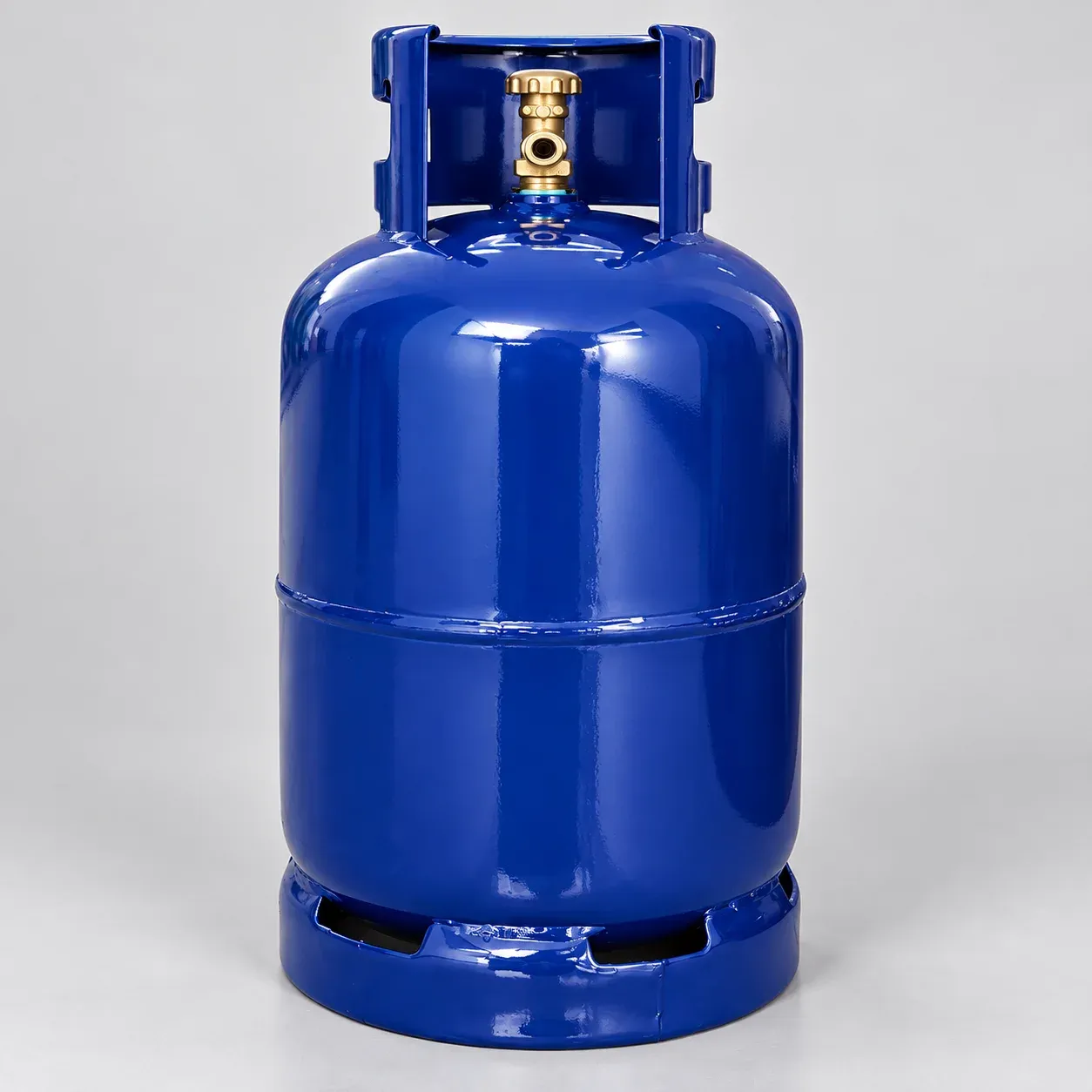
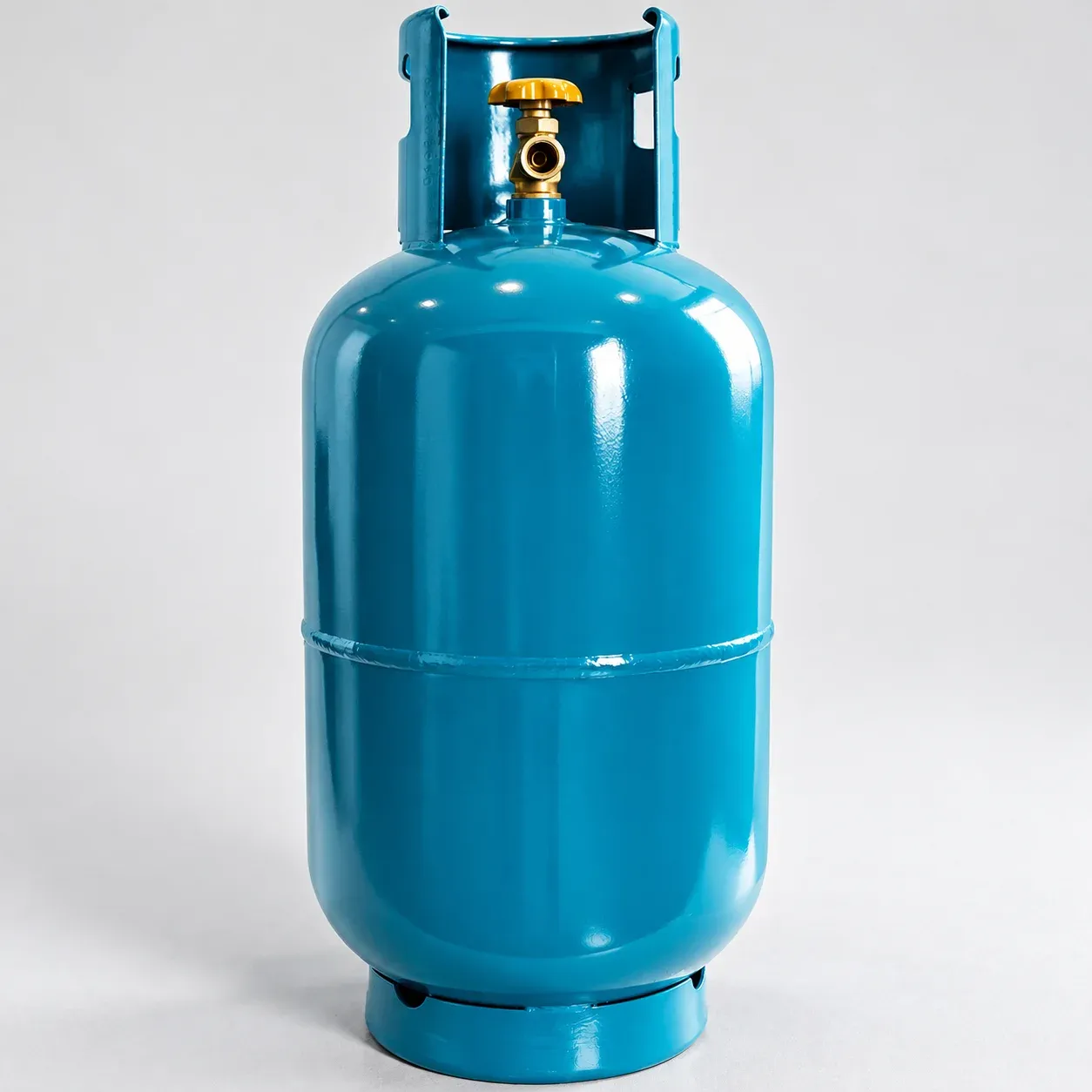
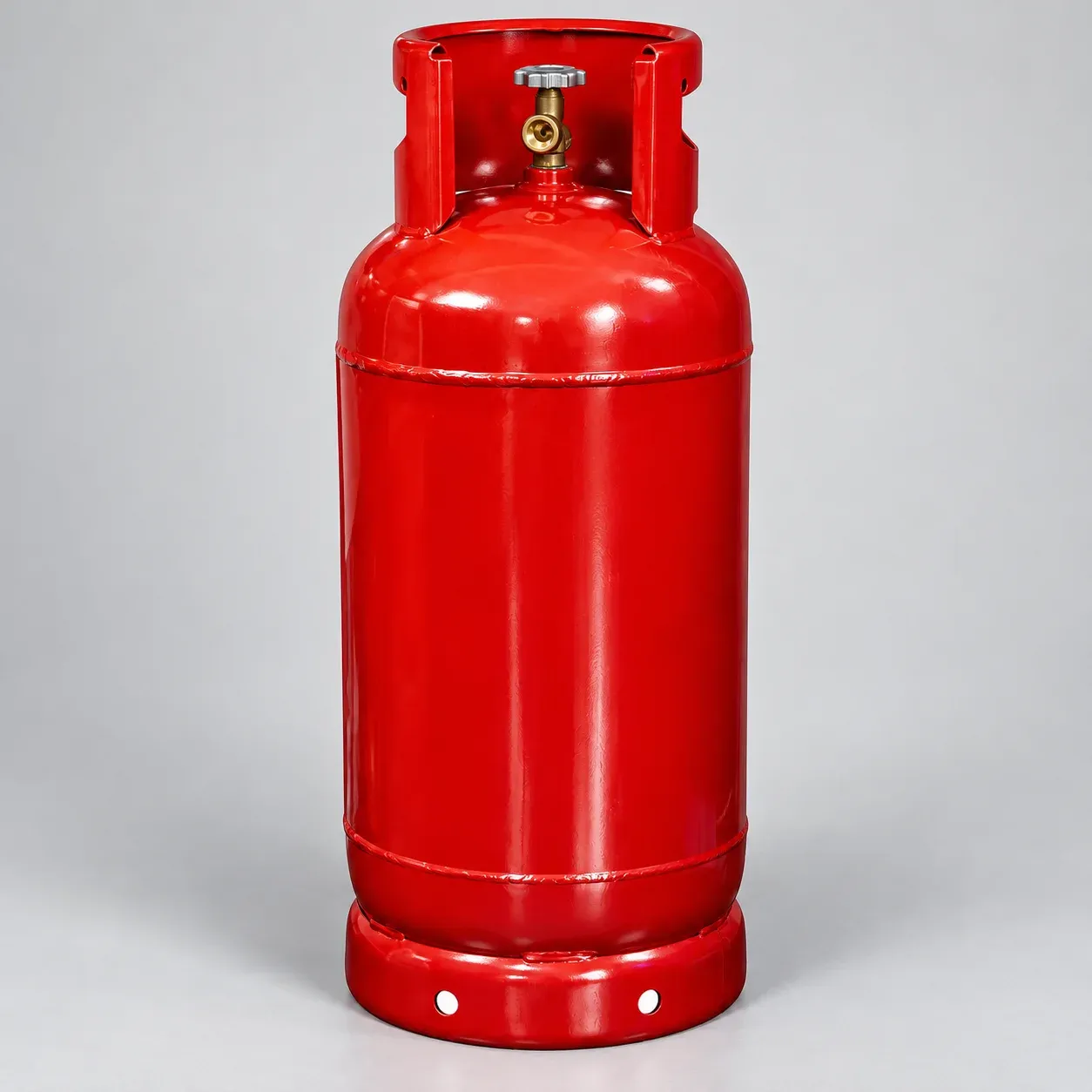
| LPG cylinders | 12.5, 15 and 45 kg | Household and commercial cooking | Fill size and valve |
How to choose between them
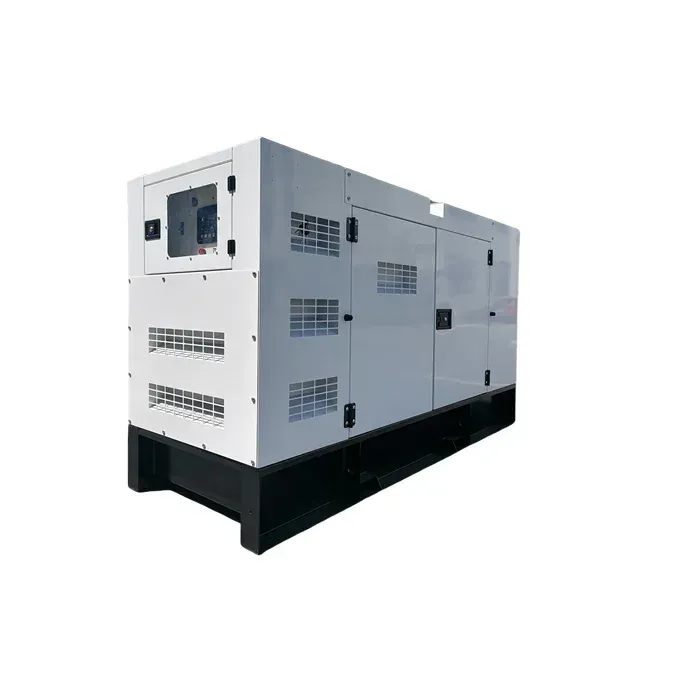
- No grid, no river, no waste gas: diesel. Start from the 10 kVA home set up to the 500 kVA heavy-duty set.
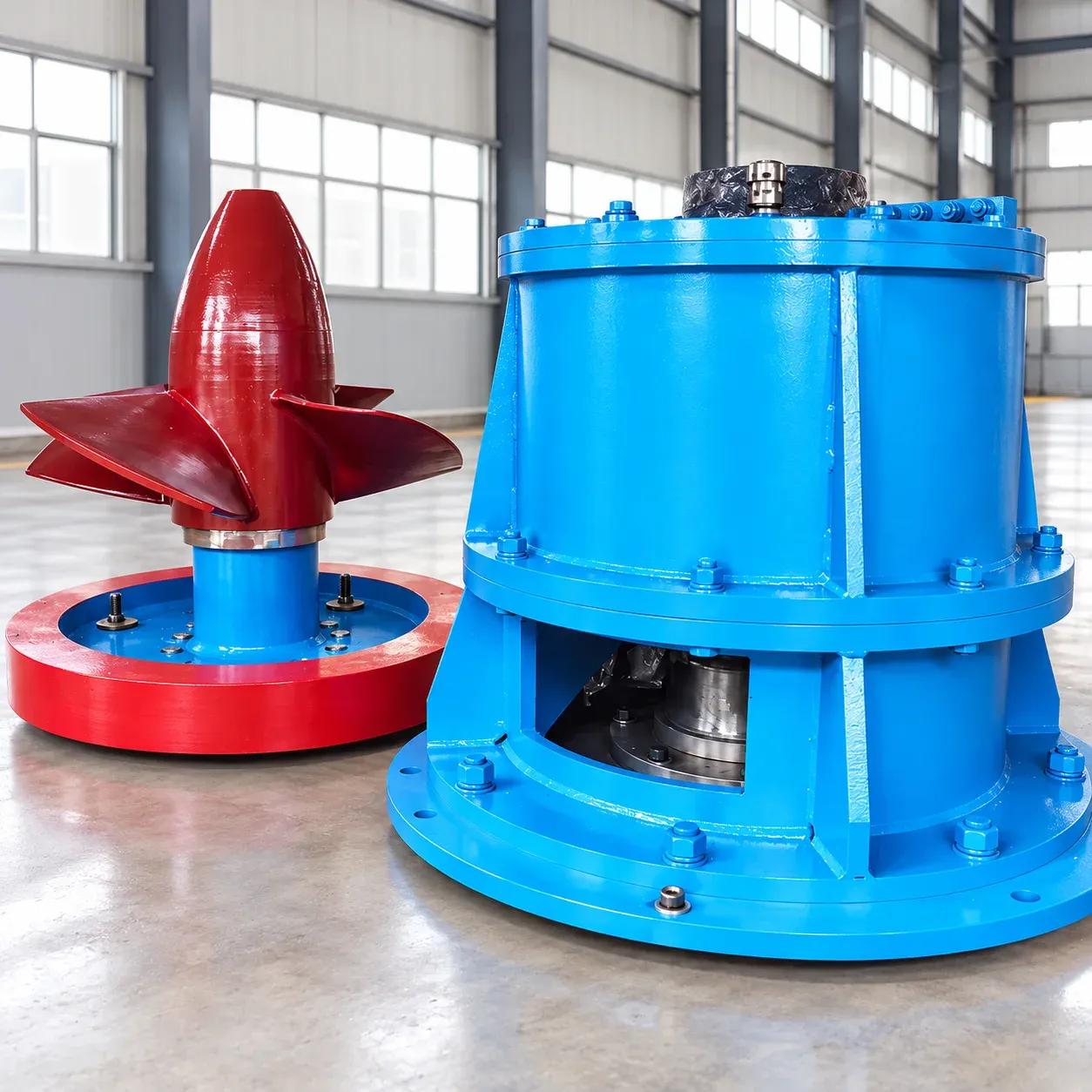
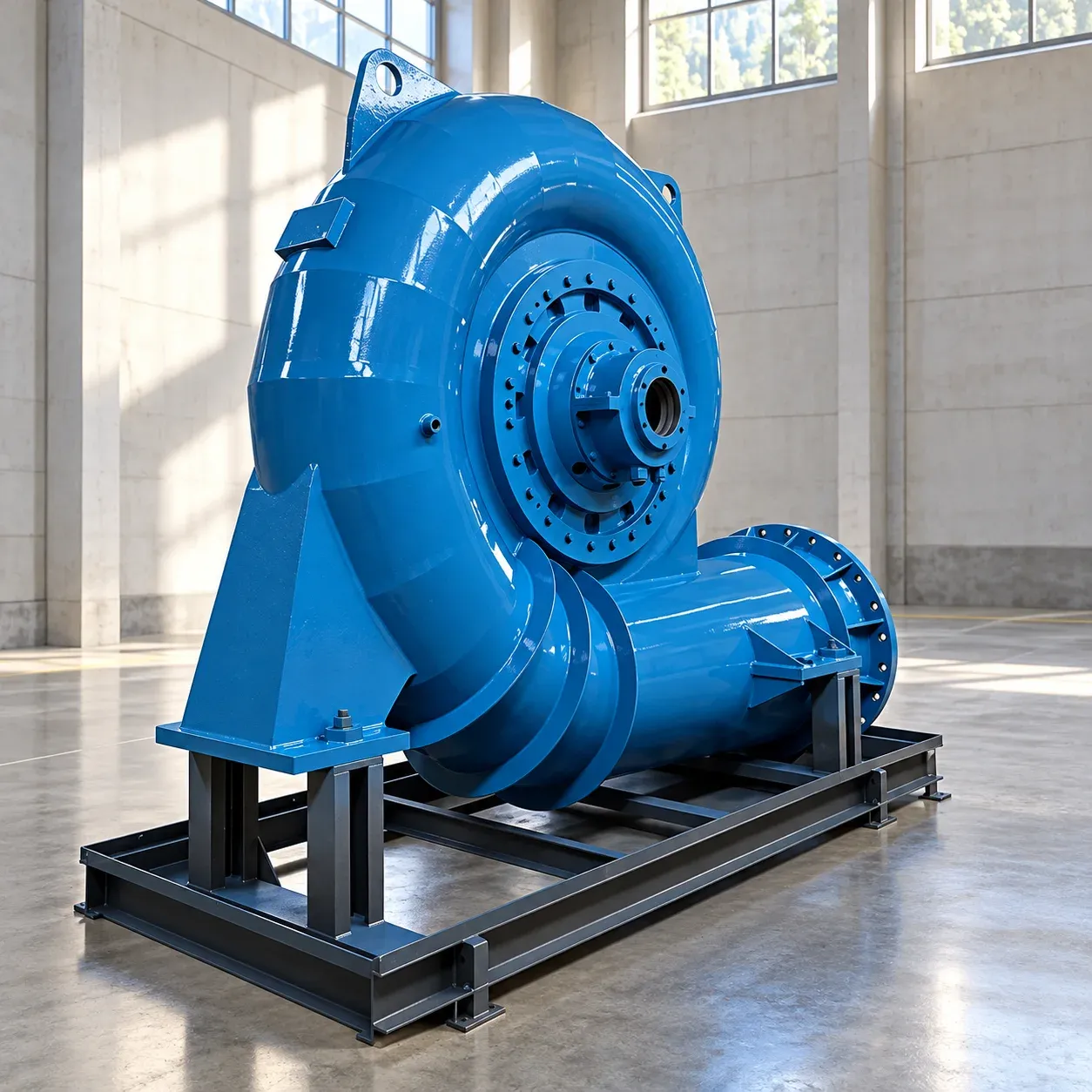
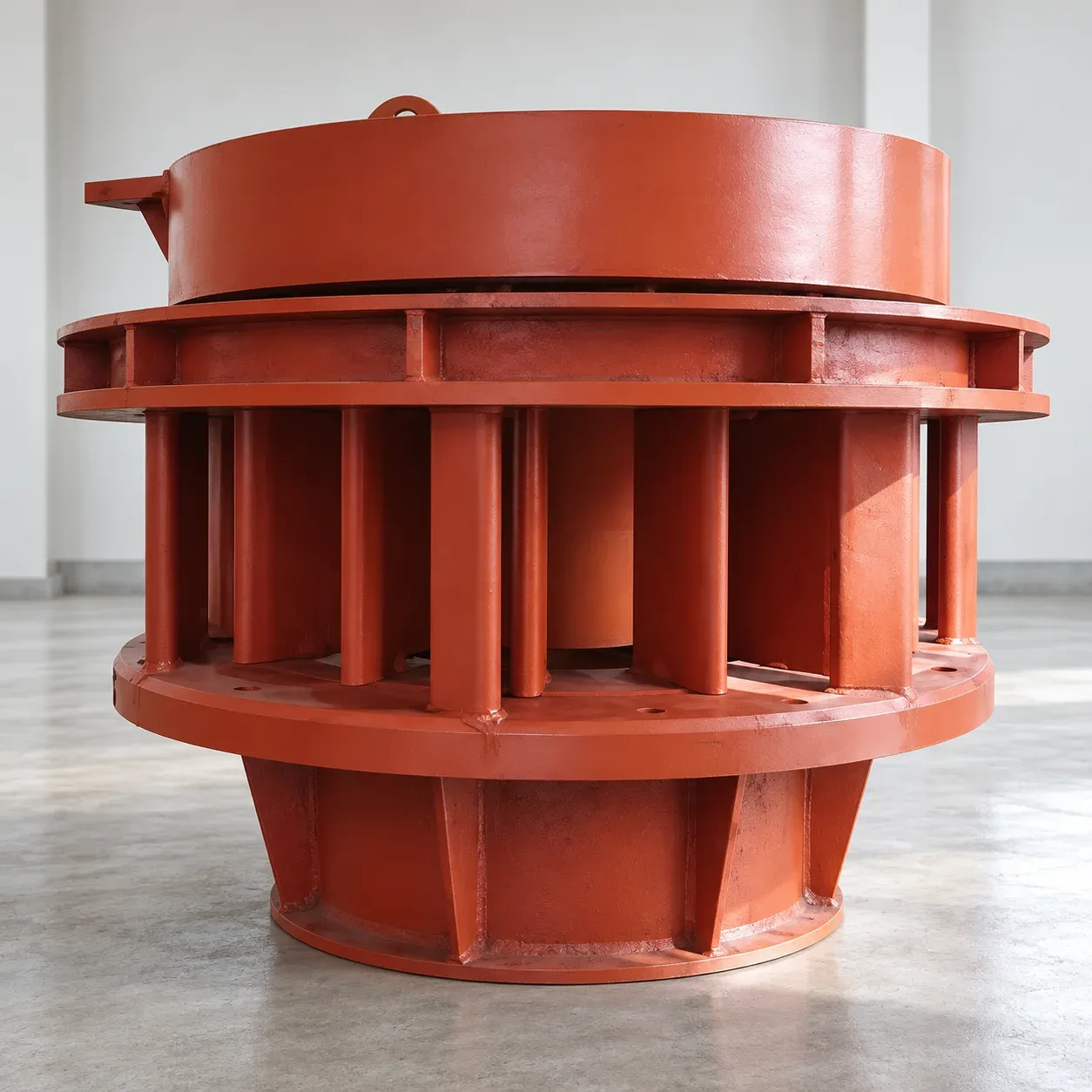
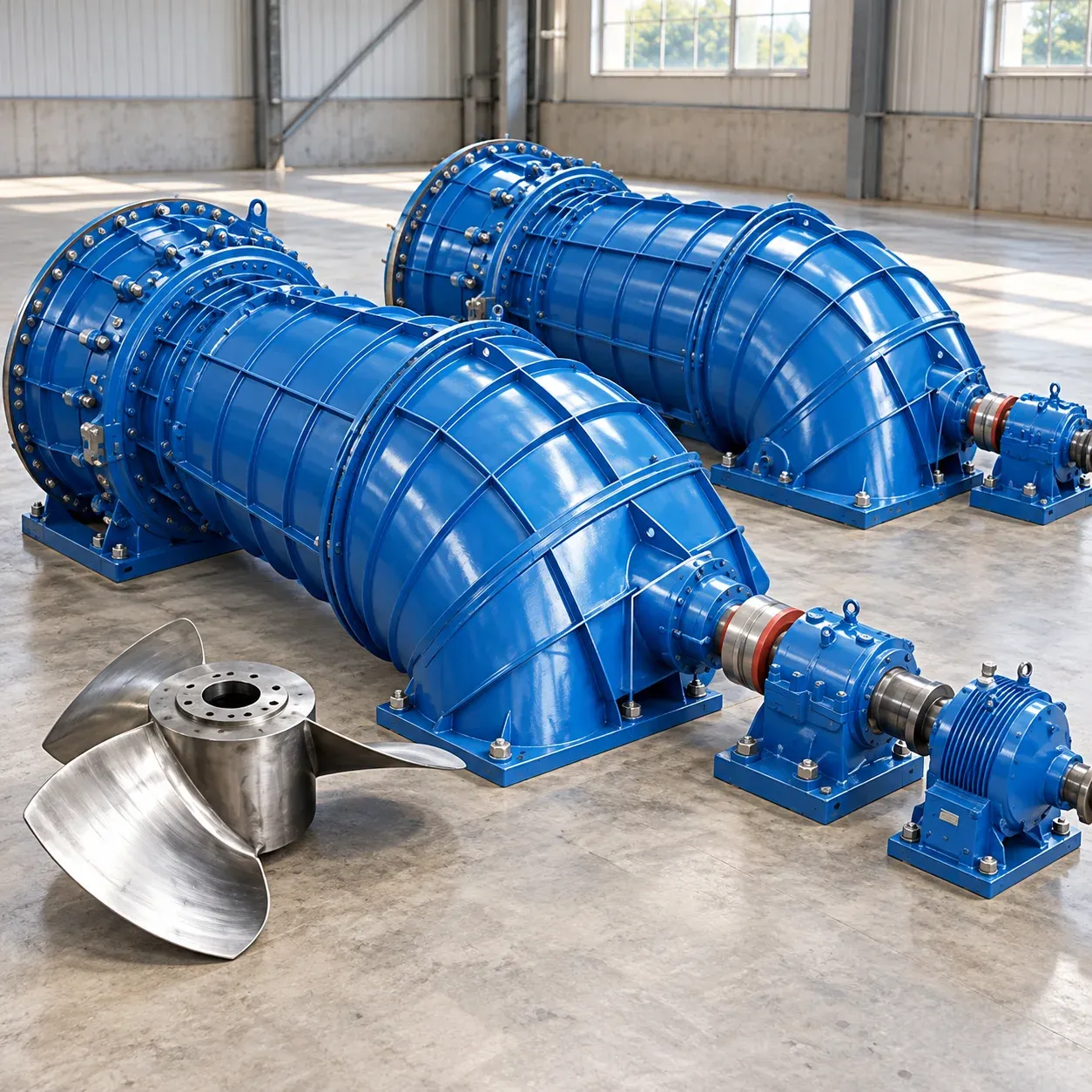
- A reliable stream or canal: hydro runs for years with low operating cost. Our 1 MW Pelton set is for high head; the 200 kW Kaplan set is for a head of about 10 m.
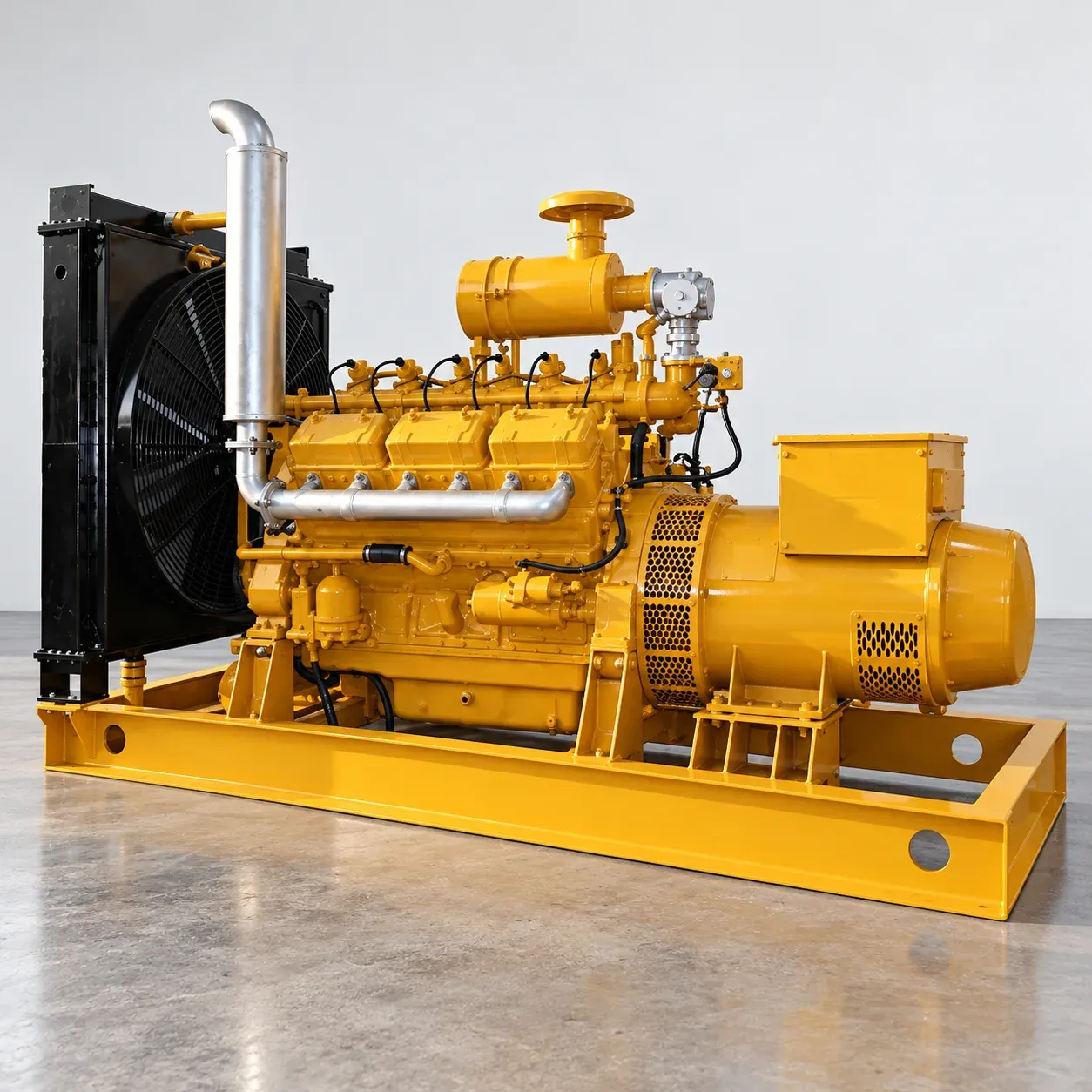
- A landfill or digester: the landfill gas and methane set turns a waste stream into power, if the gas flow justifies an engine.
- A mixed site: hydro or gas as the base, with a diesel set for outages.
Voltage and frequency
Check both before ordering. Many of our diesel sets list 50 and 60 Hz with 1,500 or 1,800 rpm engines; the hydro and gas sets list 50 or 60 Hz with voltages from 230 V up to 400 V class, and the Francis set up to 10 kV. A set built for the wrong frequency will not run motors correctly. Cable sizing follows from current and run length, not from the generator’s kVA label alone.
Cost, lead time and who operates it
Compare options on total cost over the life of the plant, not on price per kW alone. Diesel is the cheapest to buy and the fastest to install, and typically the most expensive per kWh once fuel is counted. Hydro and landfill gas cost more to build and need civil or gas-collection work, but their fuel is free or a by-product. Think too about who will run the plant: a village scheme needs a design that a local technician can maintain, with spare parts that can reach the site. Wire and cable are a small share of project cost but a large share of faults, so choose conductor size and insulation for the actual current and the installation method, buried or in conduit.
Combining sources
A hybrid plan is often the practical answer. A run-of-river hydro set can carry the base load, a diesel set can cover dry-season shortfalls and maintenance outages, and a landfill gas set can feed a municipal grid while a small diesel unit keeps the control building alive. Whatever you combine, tell us up front so the controls, synchronising equipment and protection settings are matched from the beginning.
What to send for a quote
- The energy source on site: head and flow, gas analysis, or fuel supply.
- Required output in kW or kVA, with the largest motor.
- Grid connection or stand-alone use, voltage, frequency and phase.
- Climate, altitude and noise limits.
- Any cable, cylinders or accessories to be included.
For deeper reading, see our guides on sizing a diesel generator, small hydropower turbine types and biogas and landfill gas generator sets.