Short answer: To size a diesel generator, add up the kW of the loads that run at the same time, divide by the power factor (0.8 is the usual default) to get kVA, and then choose a set so that normal load sits around 60-80 percent of its prime rating. Check that it can start your largest motor and apply derating for your site altitude and heat before you order.
kW, kVA and power factor in one minute
Generators are sold in kVA because the alternator is limited by current and voltage. Your equipment is mostly labelled in kW. The two are linked by power factor (PF): kW = kVA x PF. Most diesel sets are rated at 0.8 PF, so 100 kVA gives about 80 kW, and a 100 kW load needs about 125 kVA (100 / 0.8). The engine limits the kW and the alternator windings limit the kVA, so the set must stay inside both.
Lights and heaters have a PF near 1; motors and welders are lower. If you do not know your PF, use 0.8.
The sizing steps
- List every load that can run at once, not every nameplate in the building.
- Convert each to kW (for motors, electrical input, not shaft rating).
- Add the kW, then divide by 0.8 for kVA.
- Check the starting surge of your largest motor (next section).
- Apply site derating and duty class.
- Choose a standard size so that normal load is about 60-80 percent of the rating. A set run for long periods at very low load runs poorly, and one run flat out has shorter engine life.
Motor starting decides many sizes
A motor started direct-on-line can draw roughly three to seven times its running current for a second or two. The generator voltage dips, and if the dip is too big the motor will not accelerate or other equipment trips. The remedies are a gentler starter or a larger set.
| Starting method | Typical starting current vs running | Effect on set size |
|---|---|---|
| Direct-on-line | about 3-7x | Largest set size, biggest voltage dip |
| Star-delta | about one third of direct-on-line | Often one size smaller |
| Soft starter | adjustable, often 2-4x | Smaller set, gentler start |
| Variable-speed drive | close to running current | Smallest set |
These are general values; ask the supplier to check the motor data sheet.
Standby, prime and continuous ratings
A standby rating is for emergency use with limited hours a year. A prime rating is for long hours at variable load, such as a site with no grid. A continuous rating is for a steady load round the clock. The same engine carries a higher number on standby than on prime, so a “100 kVA standby” set is smaller than a “100 kVA prime” set. If your set will run daily, ask for the prime or continuous figure.
Altitude and heat
Engines need air. At altitude or high intake temperature, available power falls, and the alternator also runs hotter. There is no single universal factor, because each engine and alternator reacts differently, and intake air inside an enclosure is hotter than the weather forecast. Give the supplier your maximum altitude in metres and air temperature, and ask for the maker’s derating table.
400 V 50 Hz or 480 V 60 Hz
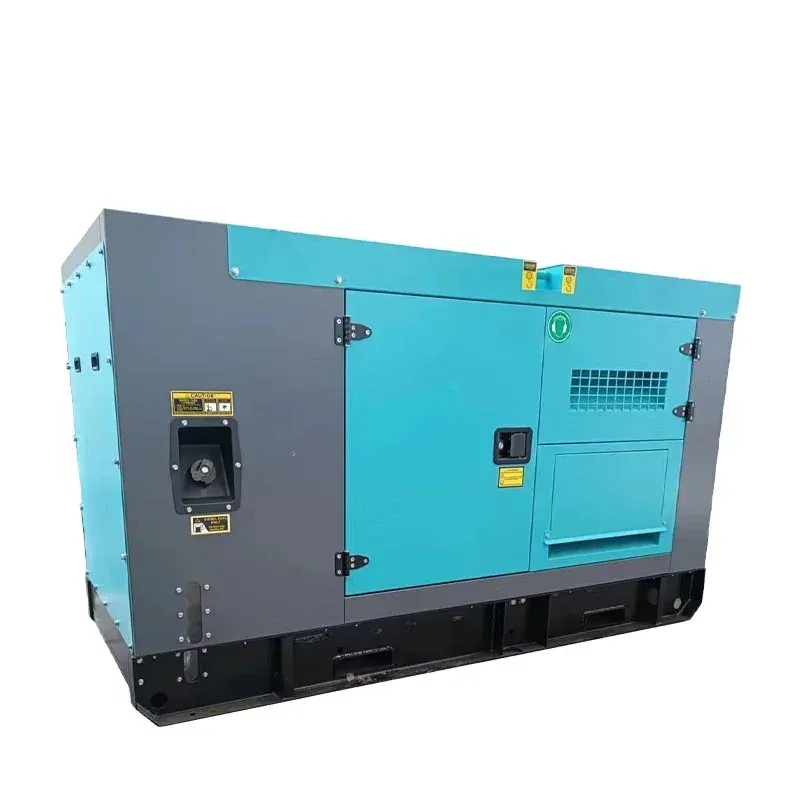
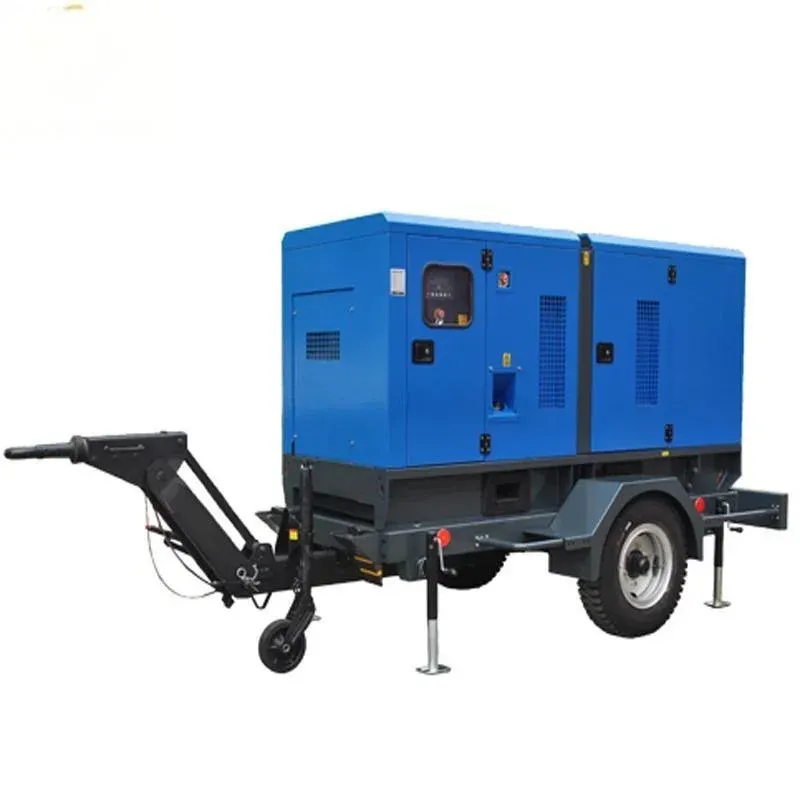
Match the set to your network. Much of Africa, the Middle East, South and Southeast Asia and Europe uses 400/380 V at 50 Hz (1500 RPM sets). The US and parts of Latin America use 60 Hz (1800 RPM), often 480 V three-phase or 208/240 V. State voltage, frequency and phase when you ask for a quote. Our 50 kVA portable set is listed for 50 or 60 Hz with several voltage options, and the 20 kVA 380 V set is fixed at 380 V, 50 Hz.
Example: a small factory
Example: a workshop runs these loads together: lighting 2 kW, office and fans 4 kW, three machine tools totalling 12 kW, a pump 5.5 kW and an 11 kW air compressor.
- Running total: 2 + 4 + 12 + 5.5 + 11 = 34.5 kW
- In kVA at 0.8: 34.5 / 0.8 = about 43 kVA
- To keep normal load near 80 percent: 43 / 0.8 = about 54 kVA
A 50 kVA (40 kW) set would carry this at about 86 percent of its kW rating, which is above the comfort zone, and then the compressor has to start. Started direct-on-line, the compressor alone could briefly draw several times its running current, which is too much for this set. With a star-delta or soft starter the set might cope, but with no room for growth. A larger set from the 20-250 kVA range, around the 60-75 kVA class, gives margin for the compressor start and future machines. The real choice should be confirmed with the compressor and motor data.
Buyer checklist
Send the supplier, in one message:
- the list of simultaneous loads in kW and, for motors, their starting method;
- the largest motor and whether it starts direct-on-line;
- voltage, frequency and single or three phase;
- site altitude and maximum air temperature;
- duty: standby, prime or continuous, and expected running hours;
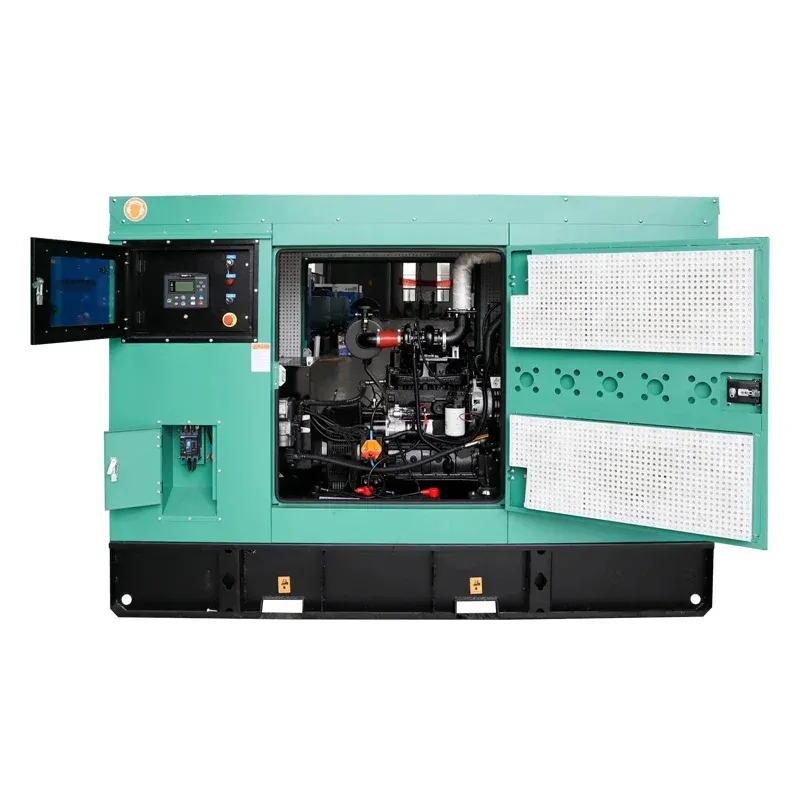
- silent or open frame, ATS or remote start, and fuel tank size. For canopy choices, see silent vs open-frame generators.
On the quote, check that the rating (standby or prime) matches your duty and that both kW and kVA are stated.
When a diesel set is not the right answer
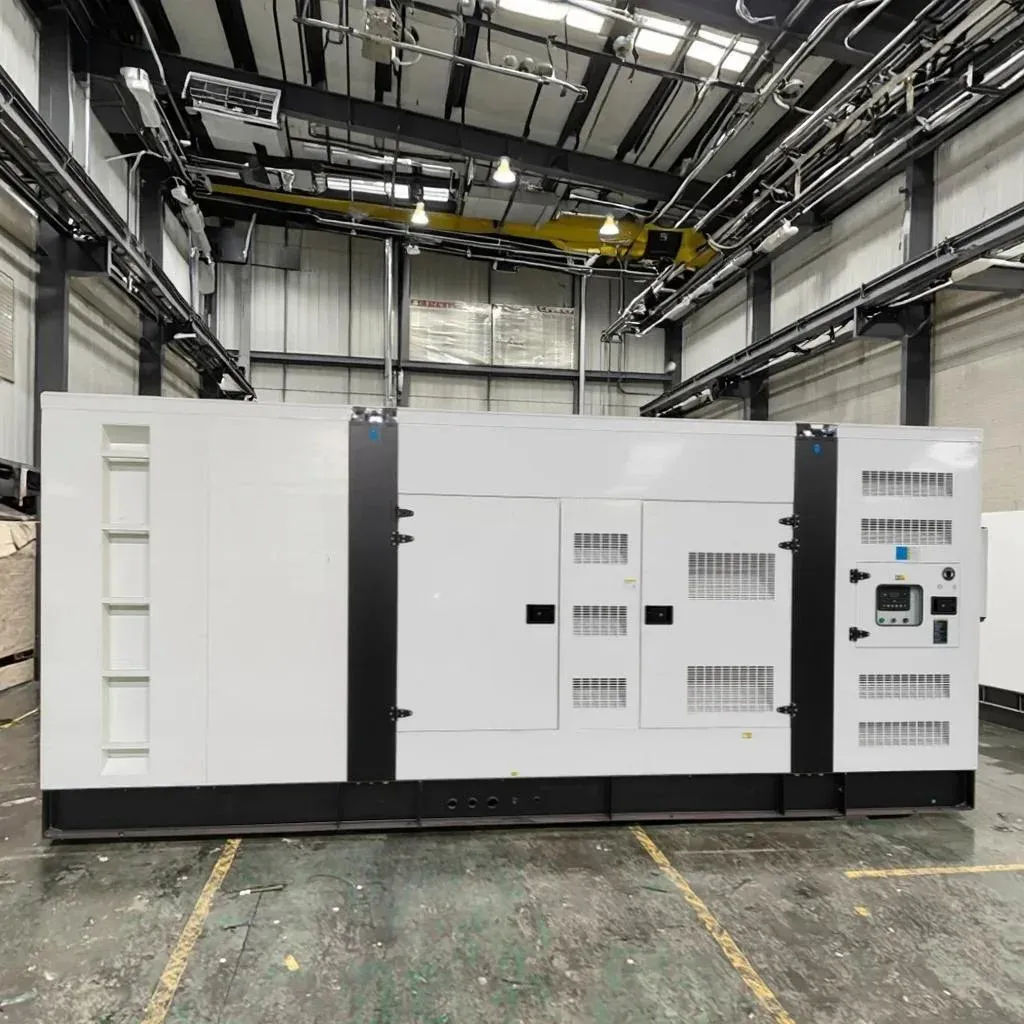
For a very small load used a few hours, a petrol set may cost less. If biogas is free on site, see the biogas and landfill gas generator guide. For loads above a few hundred kVA, paralleled sets, such as two 500 kVA sets, give redundancy and let one be serviced while the other runs. See all power equipment.
Get it checked
If you send us your load list, voltage, frequency and site conditions through the contact page, our engineers can check your size and starting method before you order.