Factory equipment is bought in a different order from consumer goods. You begin with the product you want to sell, then the raw material, then the daily output, and only then the machine. This page lists our nine industrial groups in one table so you can see which one matches that chain, then jump to the group page for sizes, options and a quote checklist.
The nine groups
| Group | What it is | Size from our products | Suits |
|---|---|---|---|
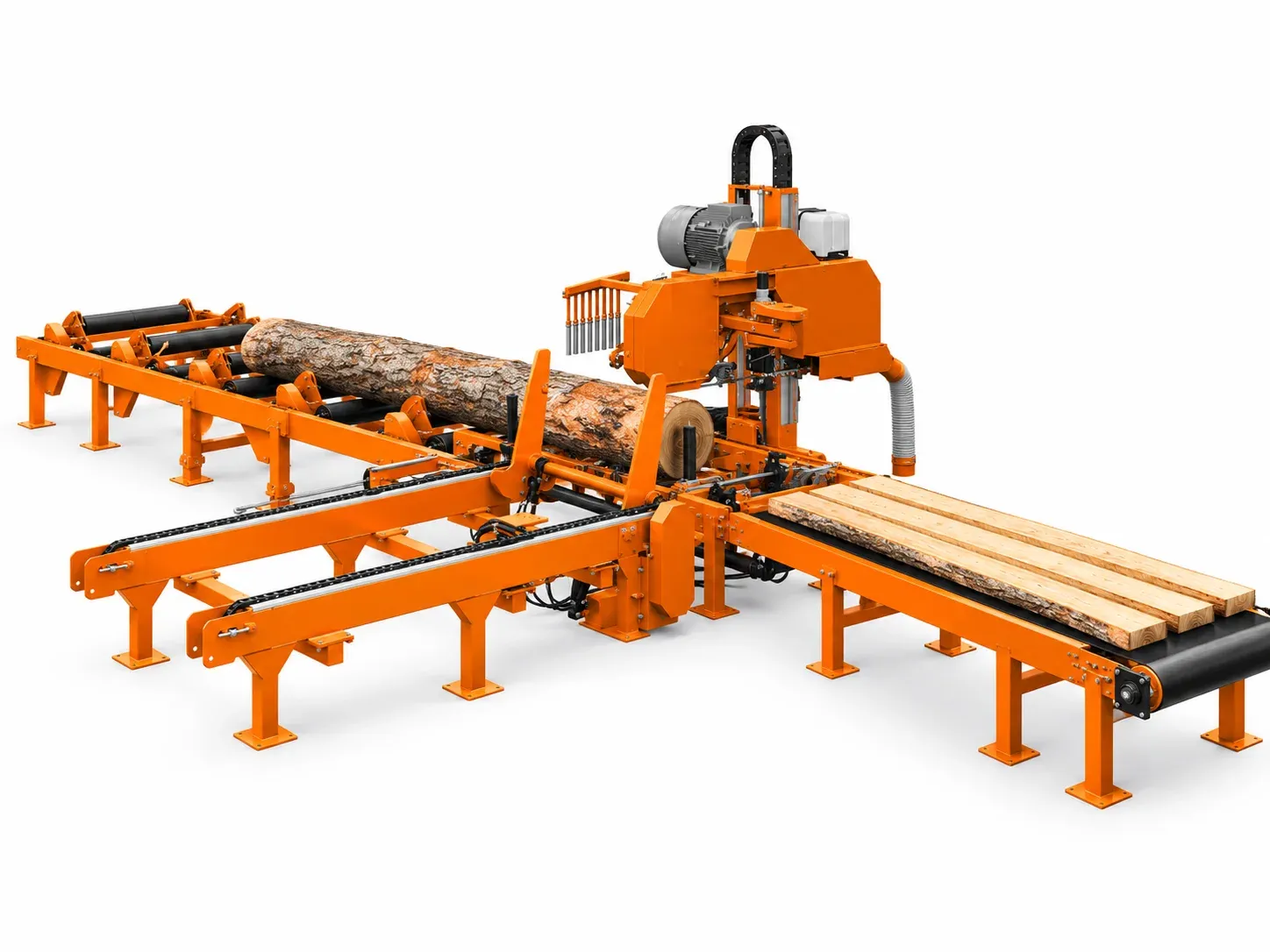
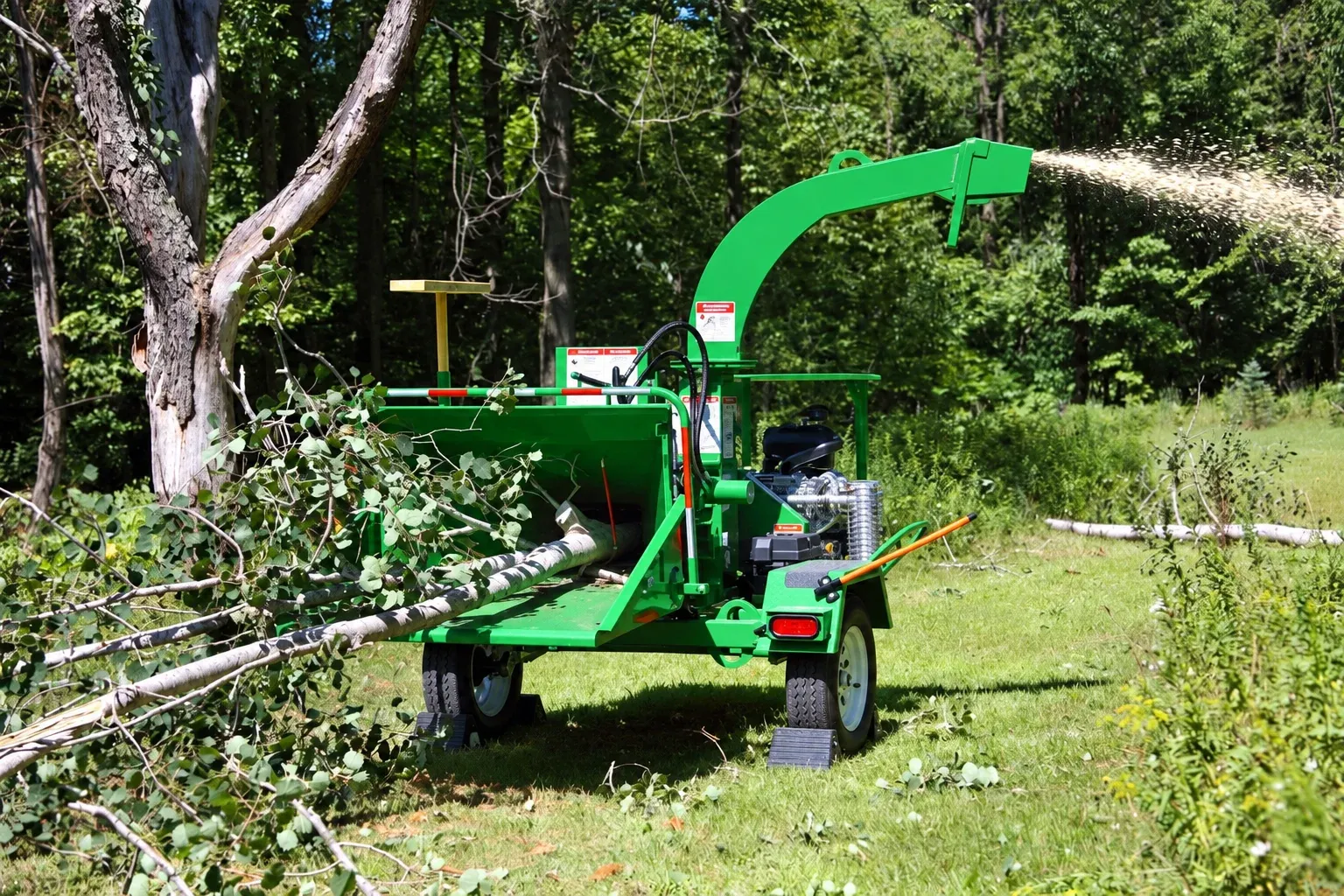
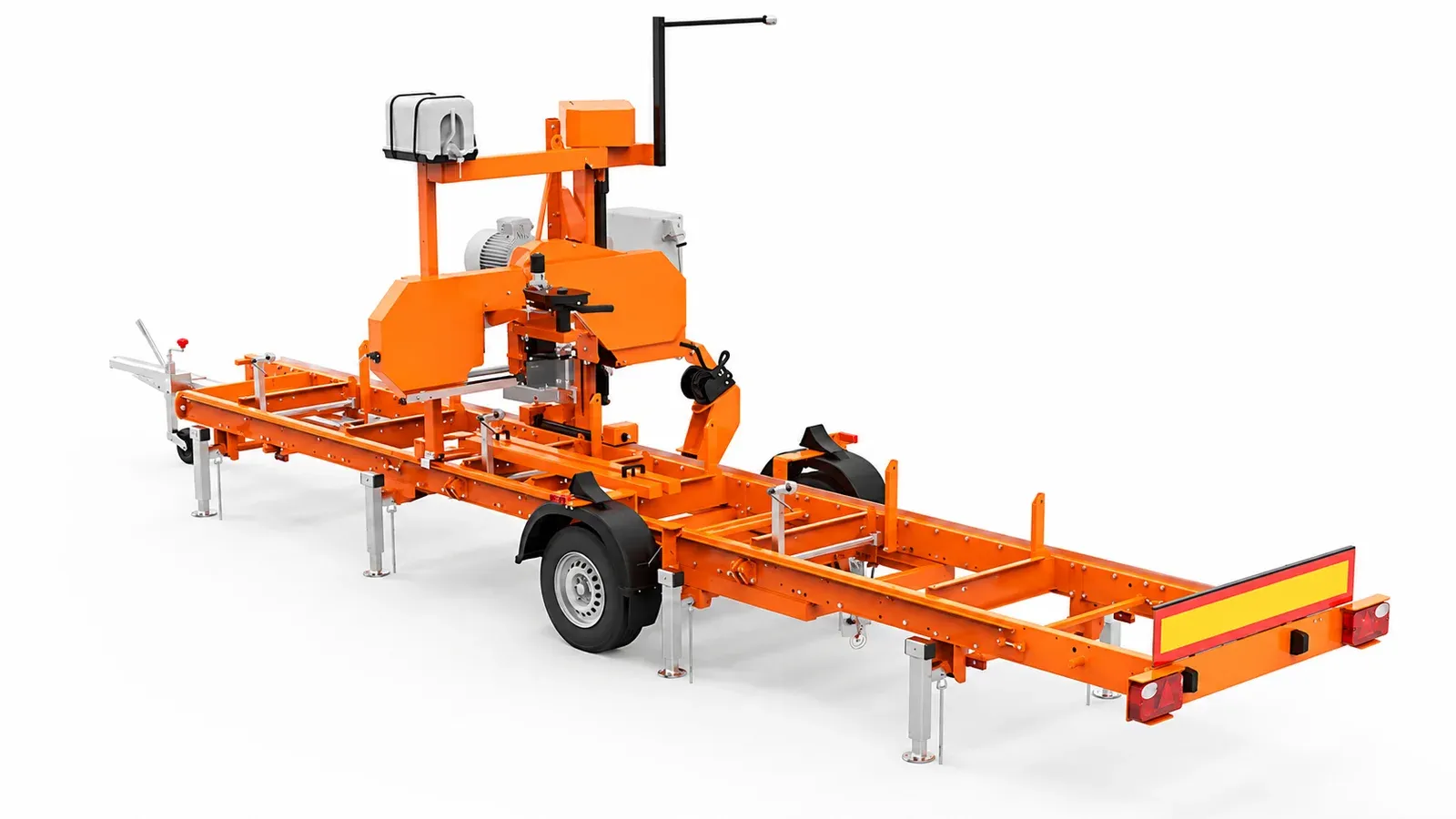
| Sawmills and wood processing | Portable bandsaw, log-to-stack line, chipper | 0.5-2 m³ lumber/h portable; 5-50 m³ logs/h line | Timber yards, woodlot owners |
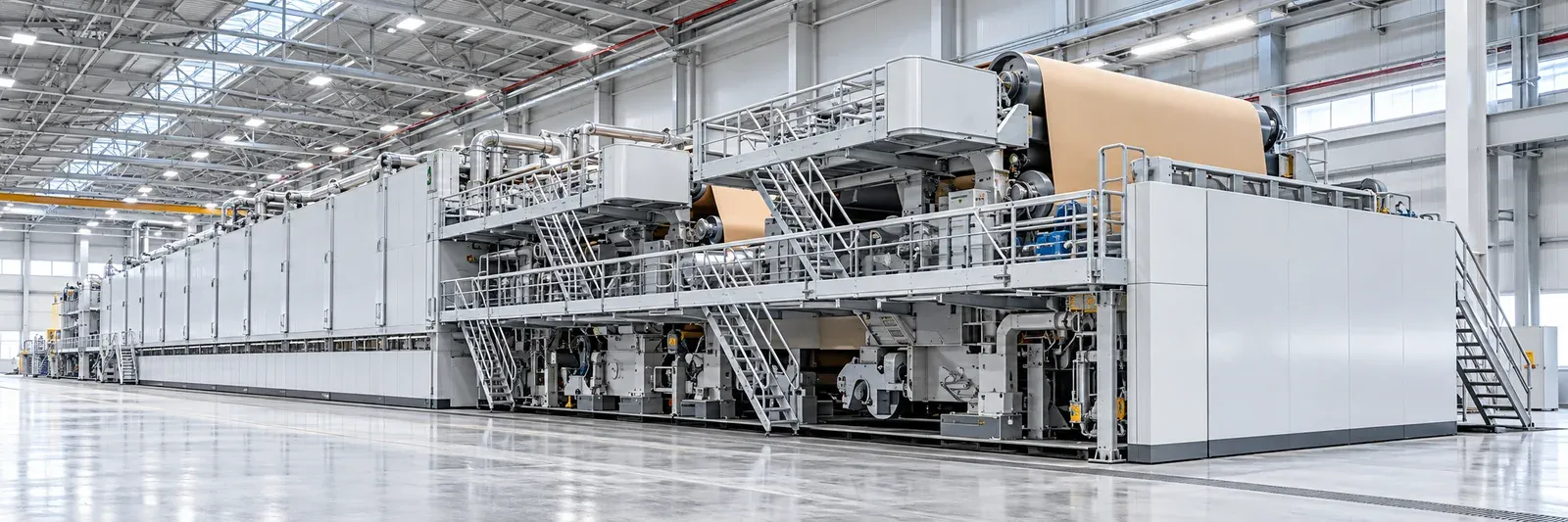
| Paper and board machines | Kraft liner, fluting and board lines | 50-500 t/day, 1,600-5,000 mm wide | Packaging paper mills |
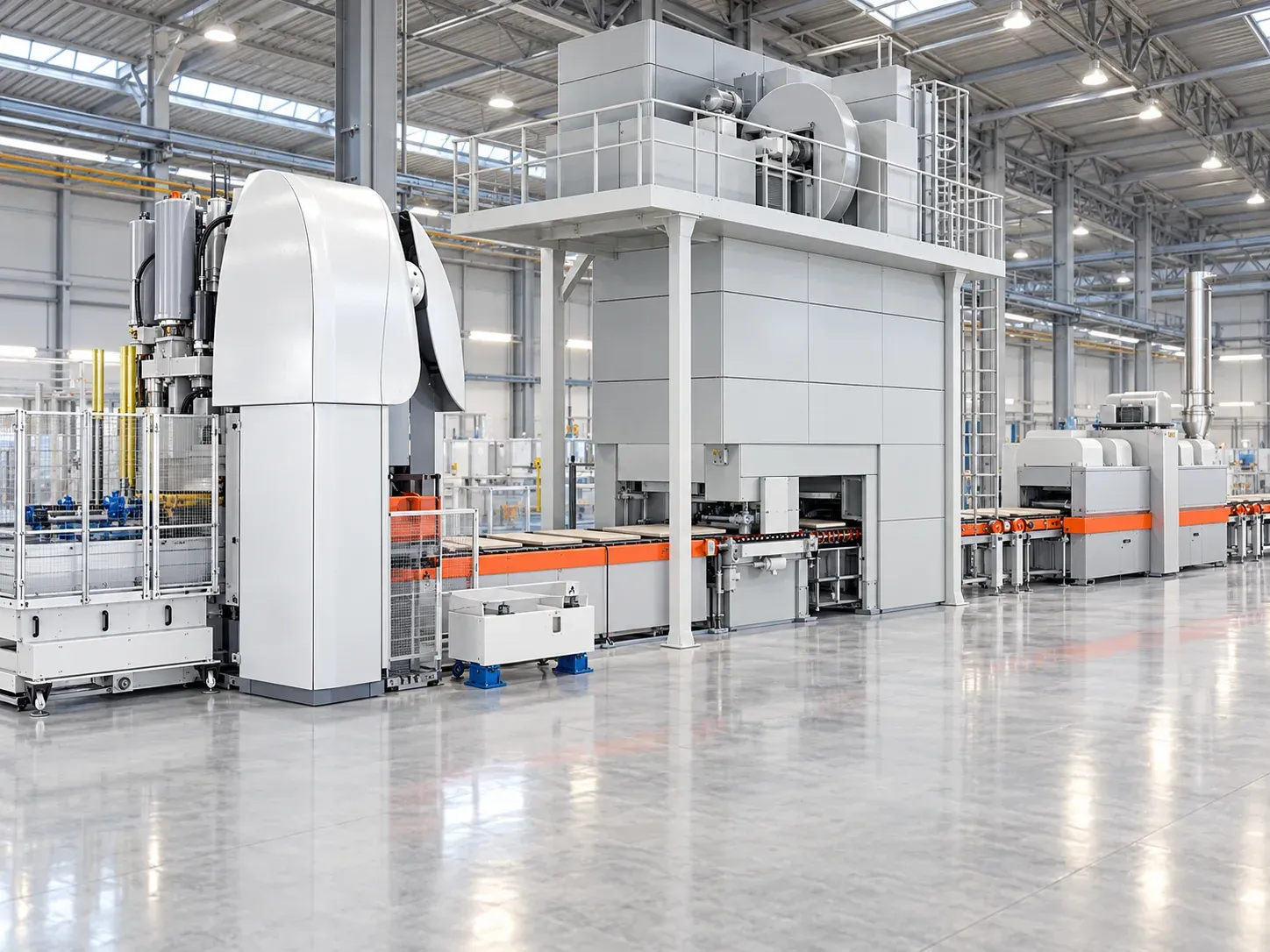
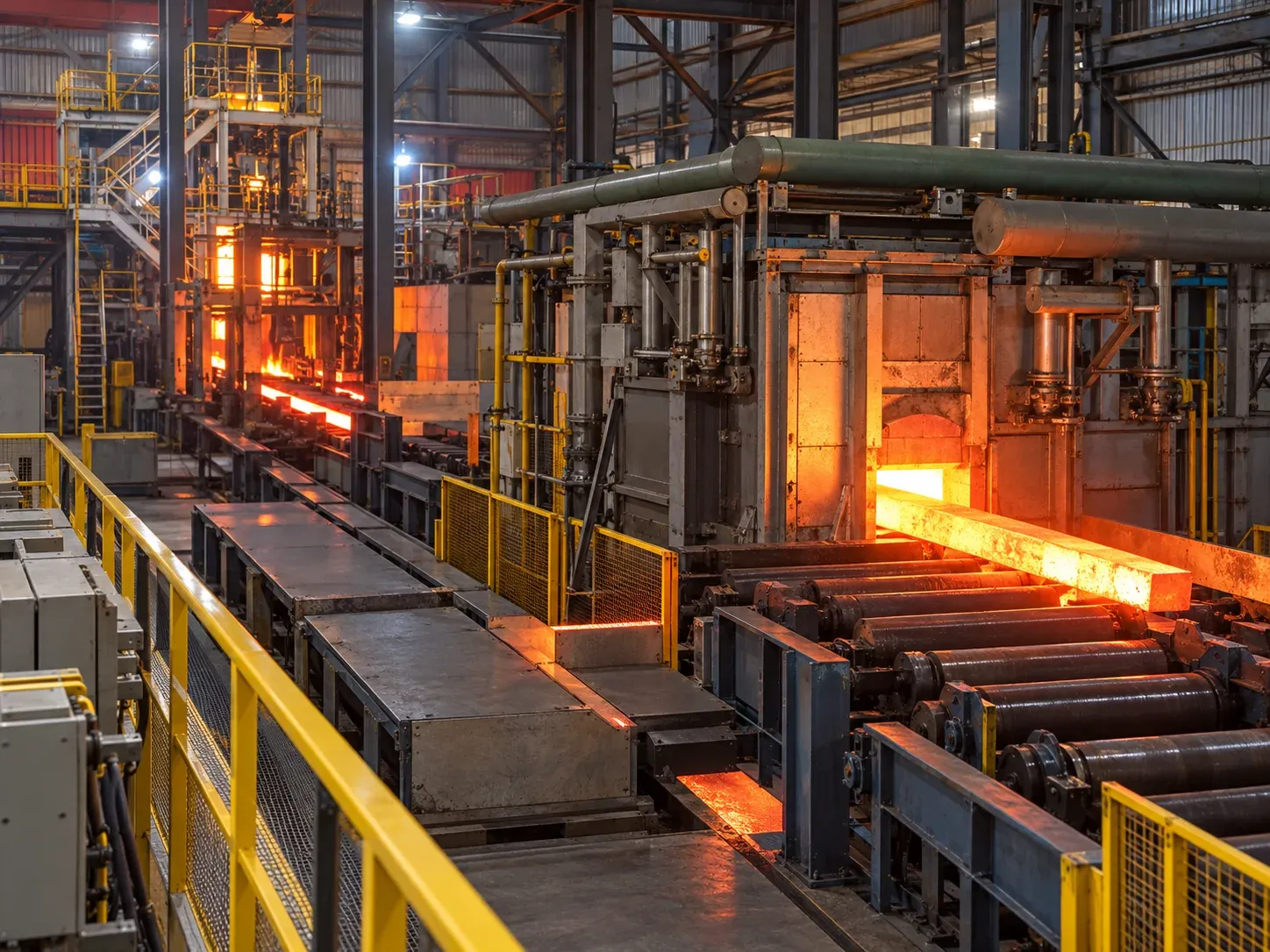
| Ceramic tile and steel rolling | Tile plant and mini rebar mill | 3,000-30,000 m² tile/day; 10,000-50,000 t/year rebar scheme | Building-material producers |
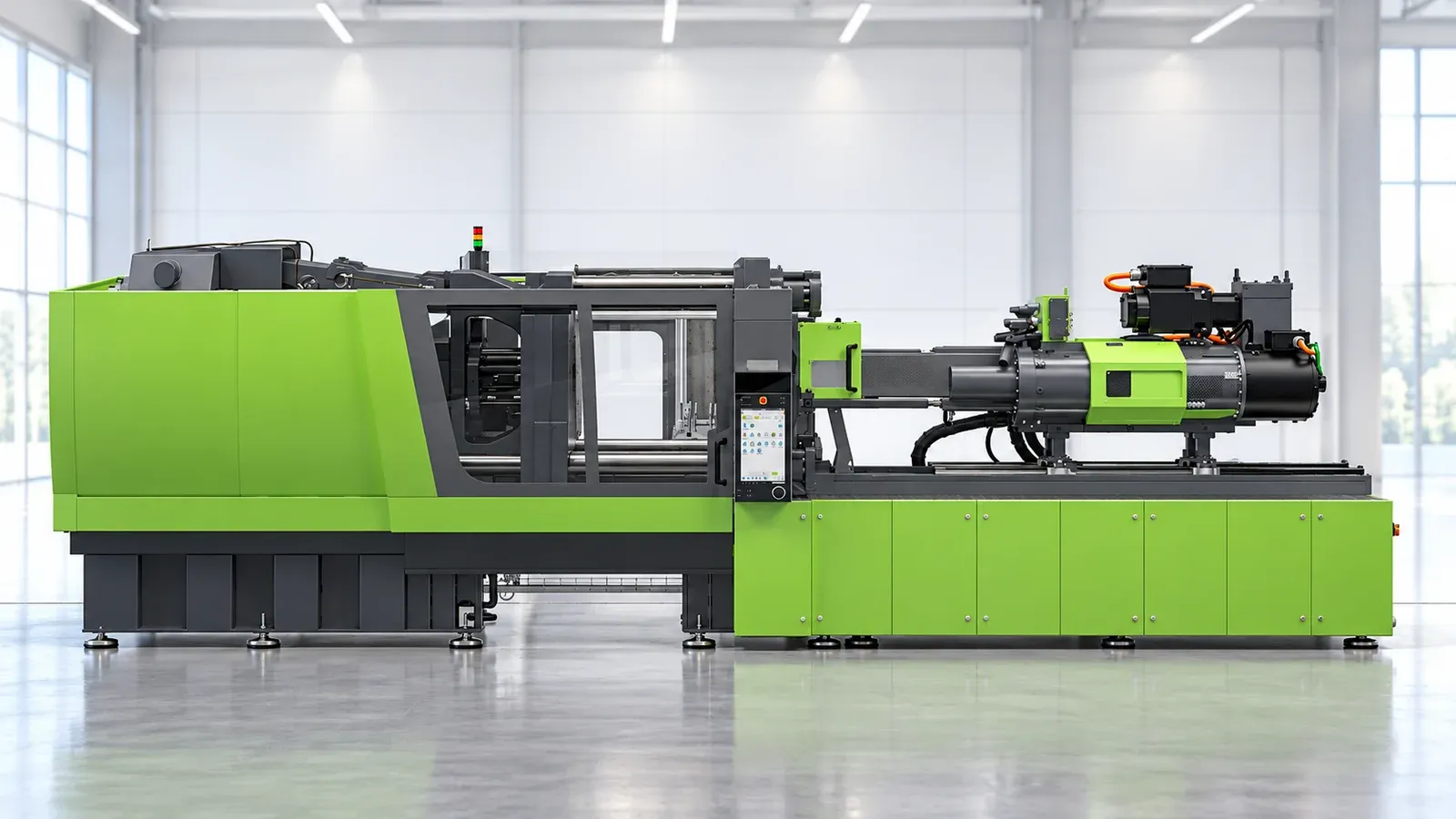
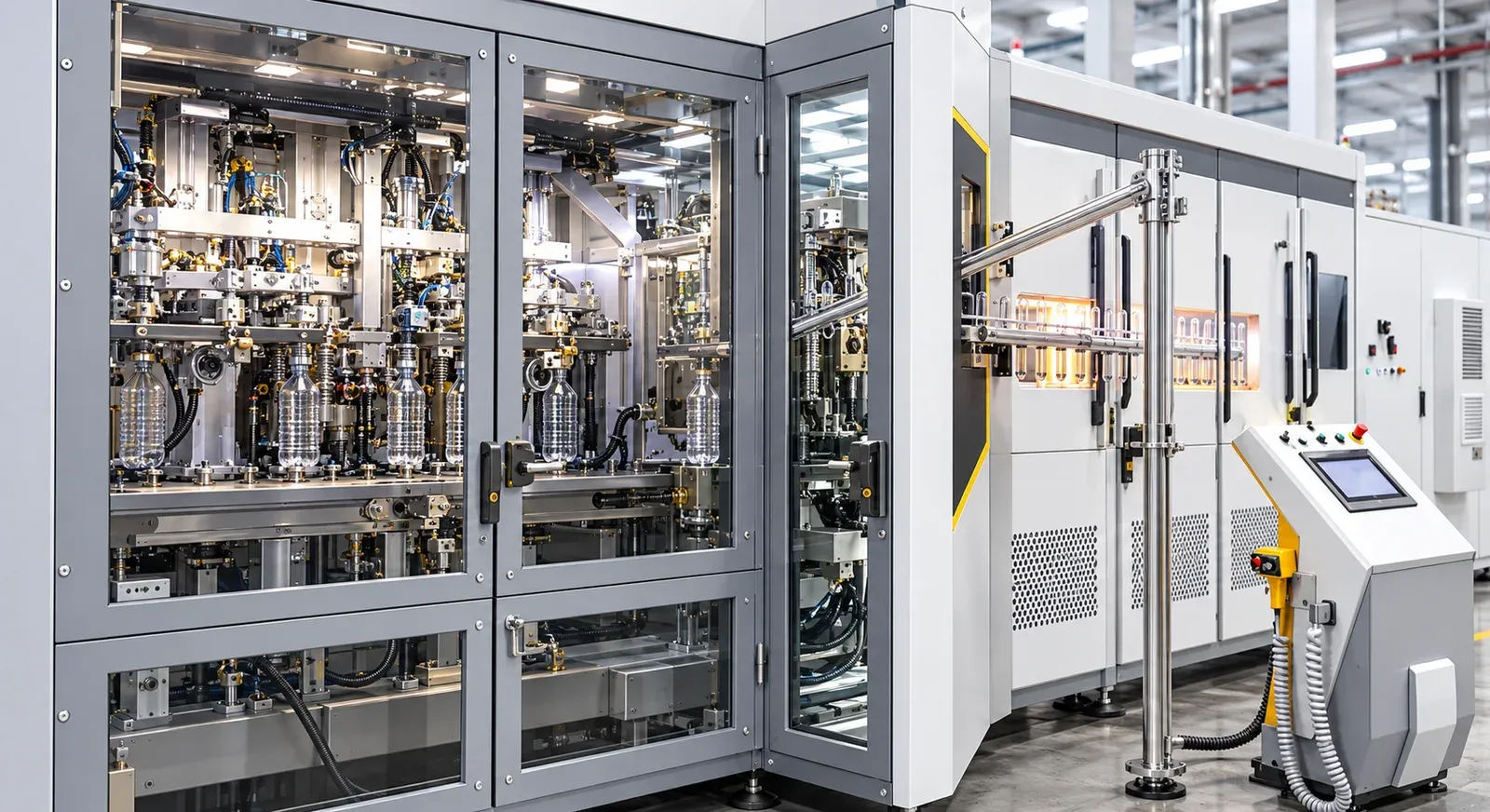
| Blow and injection molding | Rotary PET blow molder, 5000 kN injection machine | 6-24 cavities; 1,000-3,000 cm³ shot | Bottle and container makers |
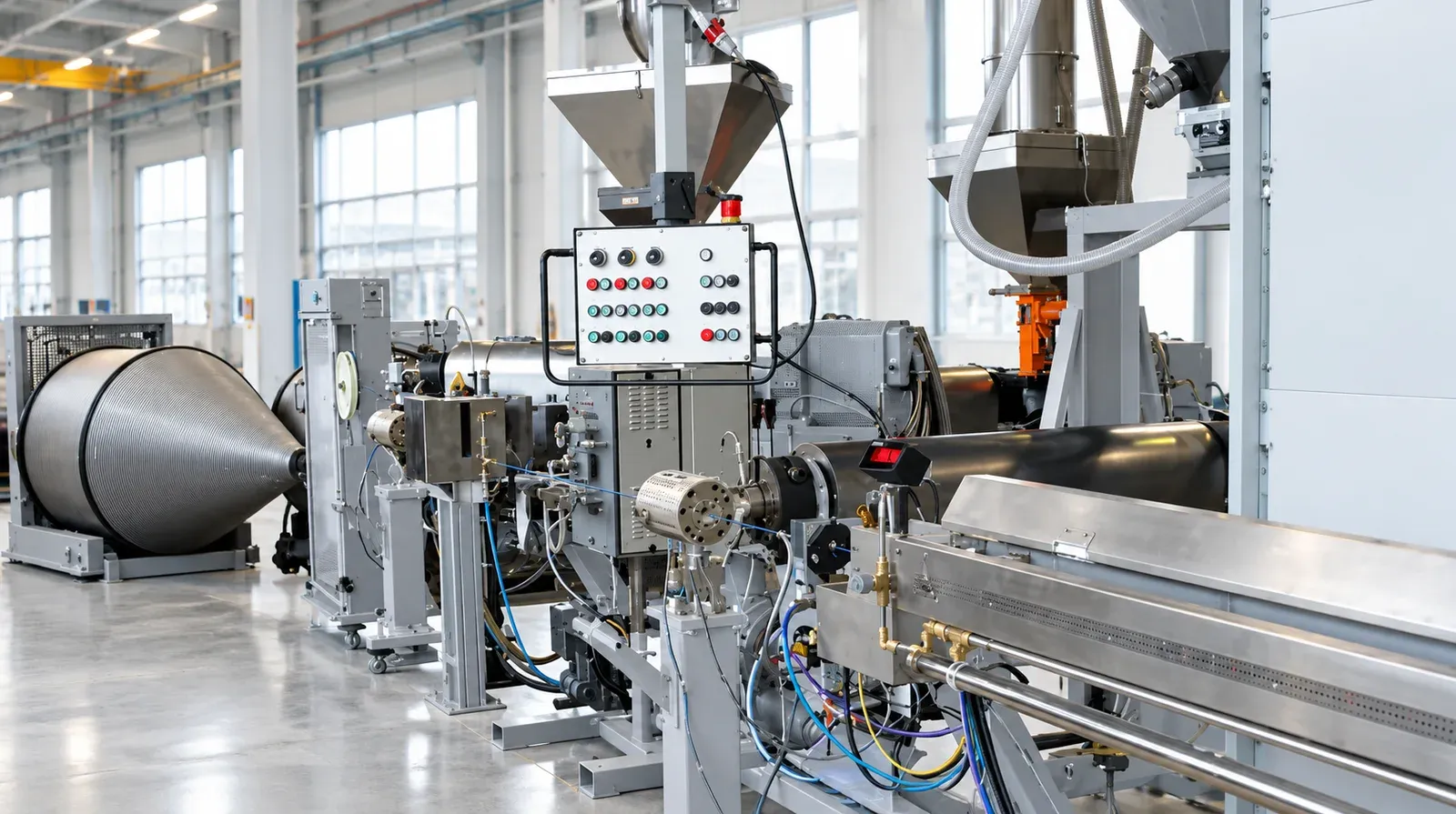
| Cable and battery production | Cable insulation extrusion, lead-acid grid and plate | Screw 50-90 mm; 50-300 m/min | Wire plants, battery makers |
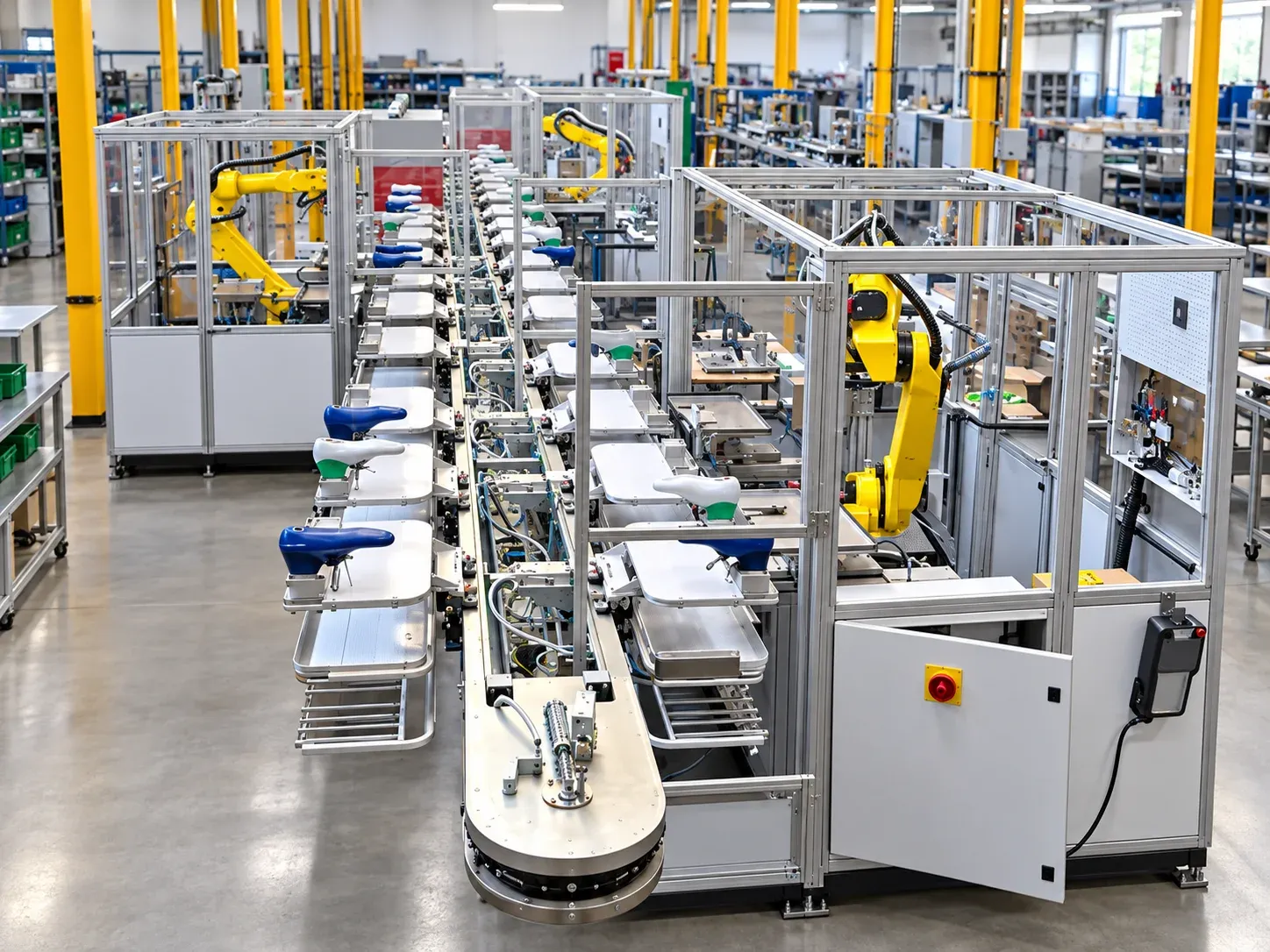
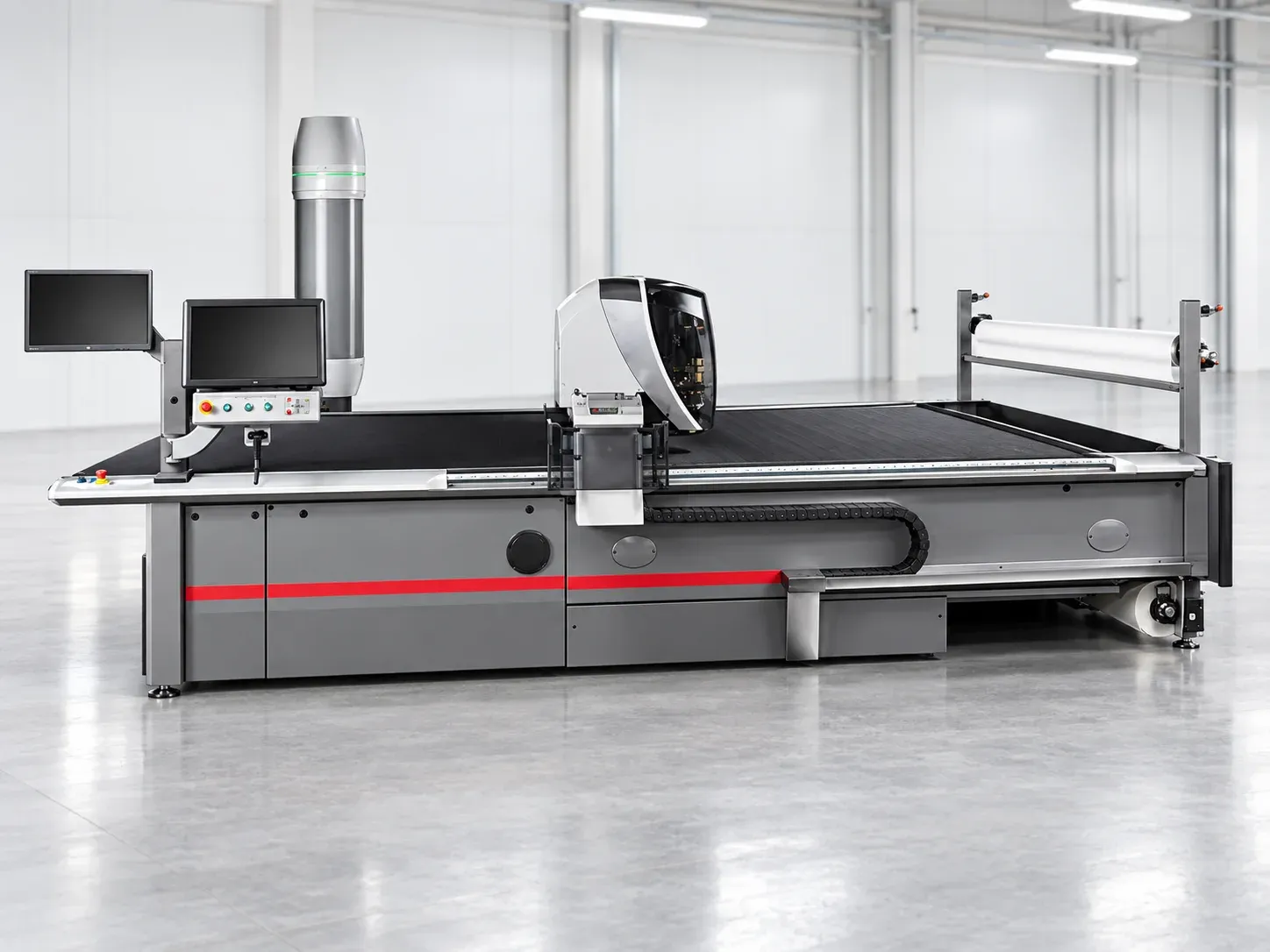
| Textile cutting and footwear | Automatic fabric cutter, shoe assembly line | Cutting width 1.6-2.2 m; 600-2,500 pairs/day | Garment and shoe factories |
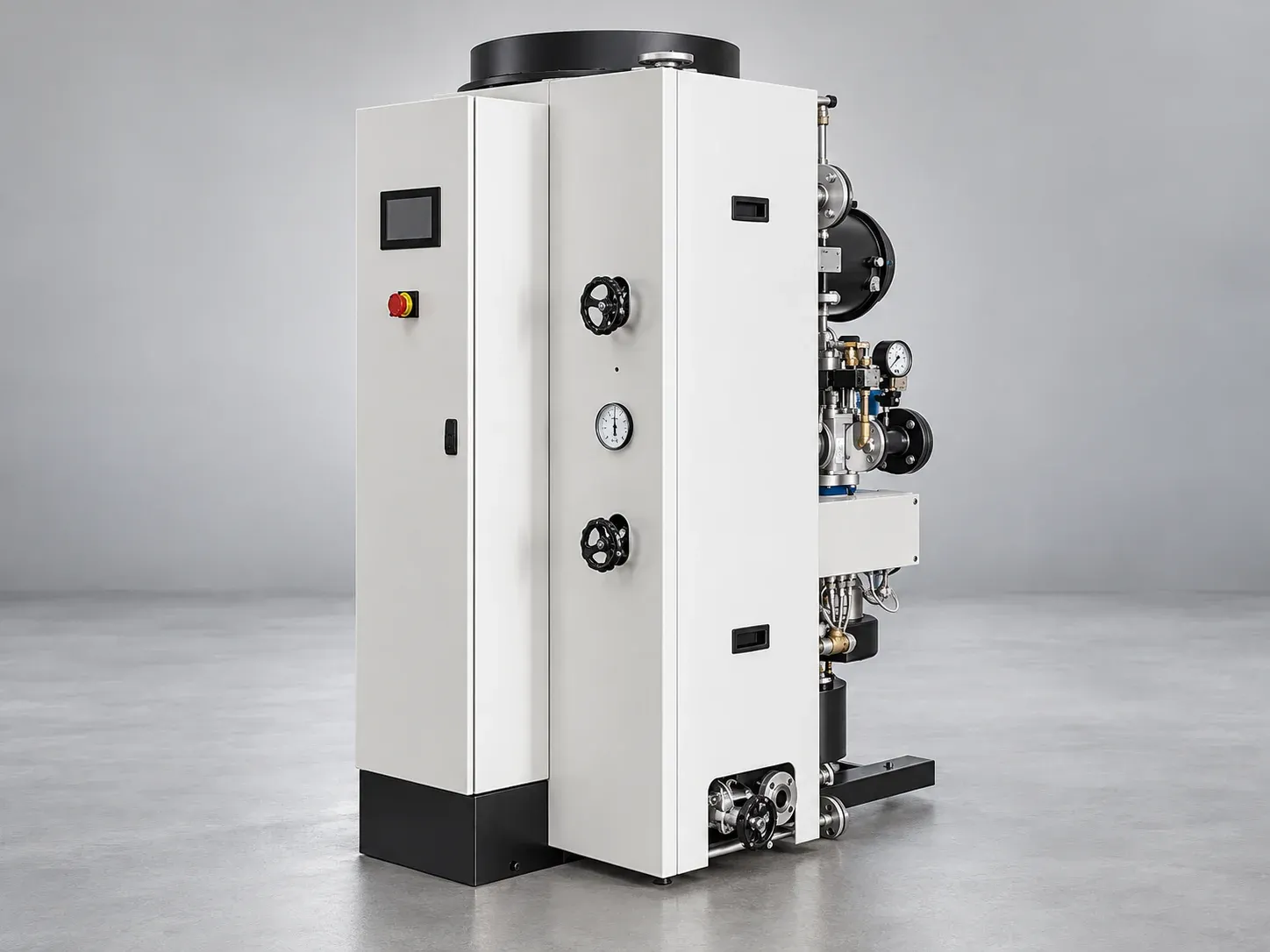
| Industrial steam generators | Compact vertical gas or oil steam unit | 0.7-1.0 MPa, saturated steam | Laundries, food and process plants |
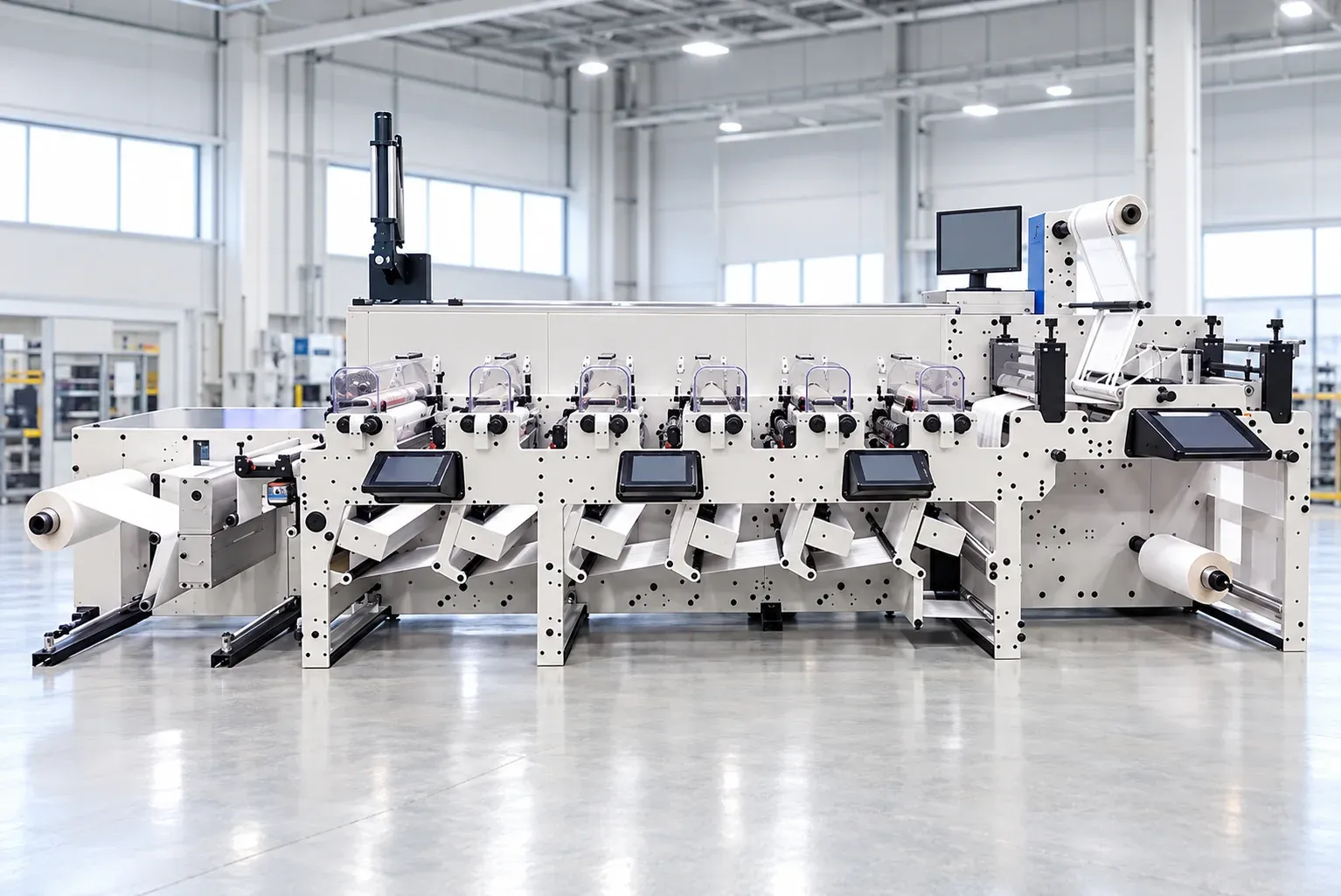
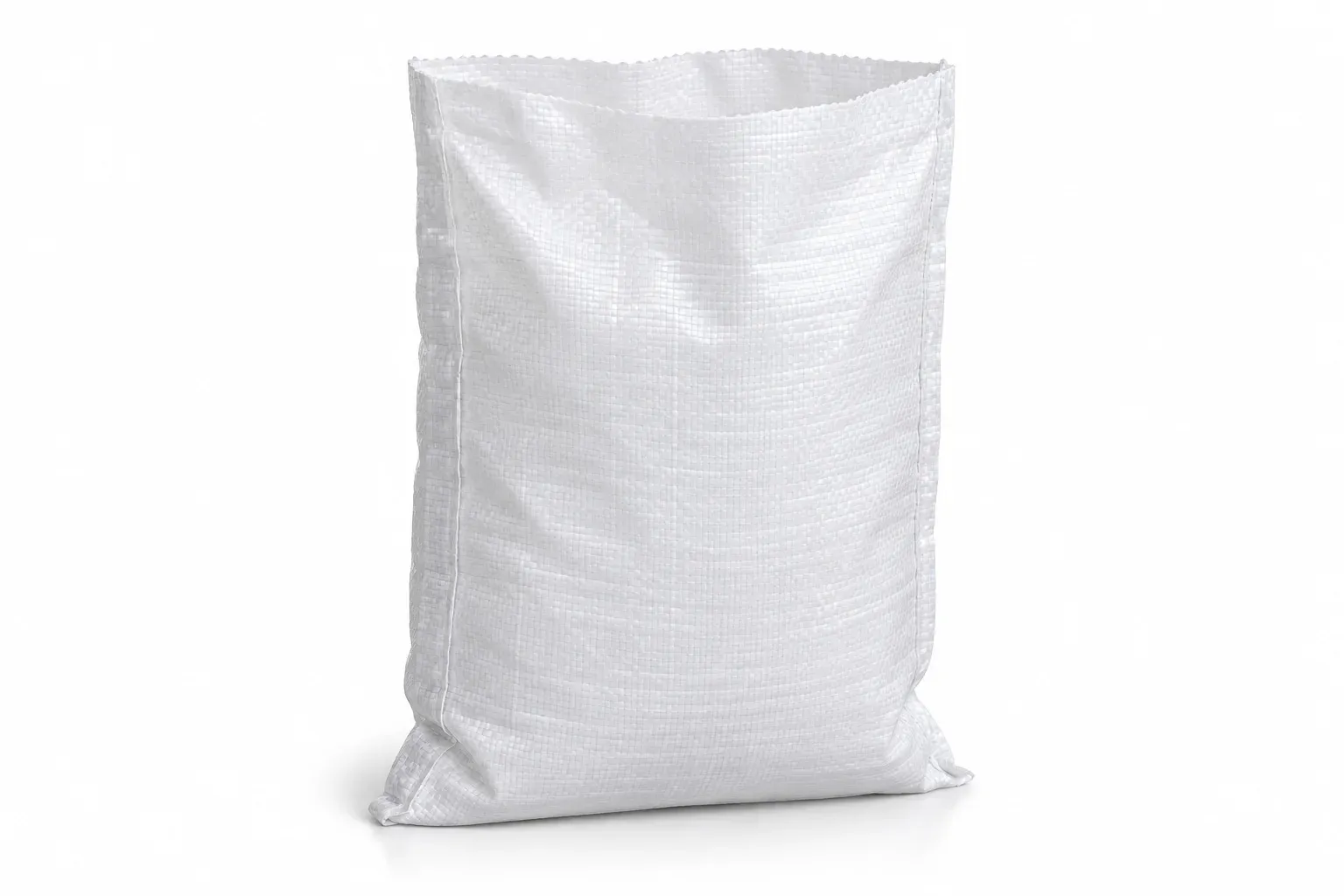
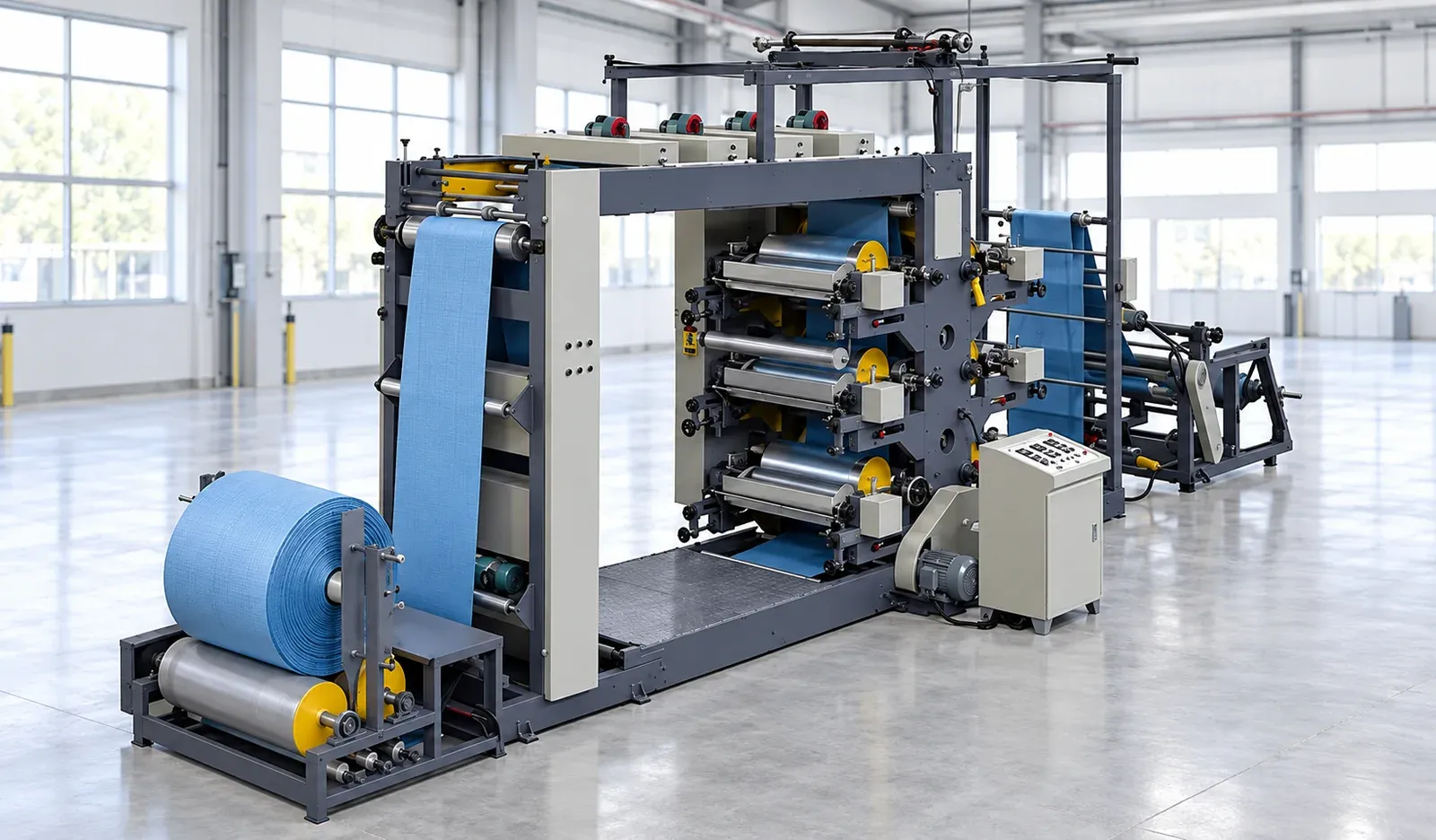
| Woven bags and flexo printing | Flexo presses, PP woven sacks | Web 160-530 mm label press; 10-50 kg sacks | Packaging printers, bag users |
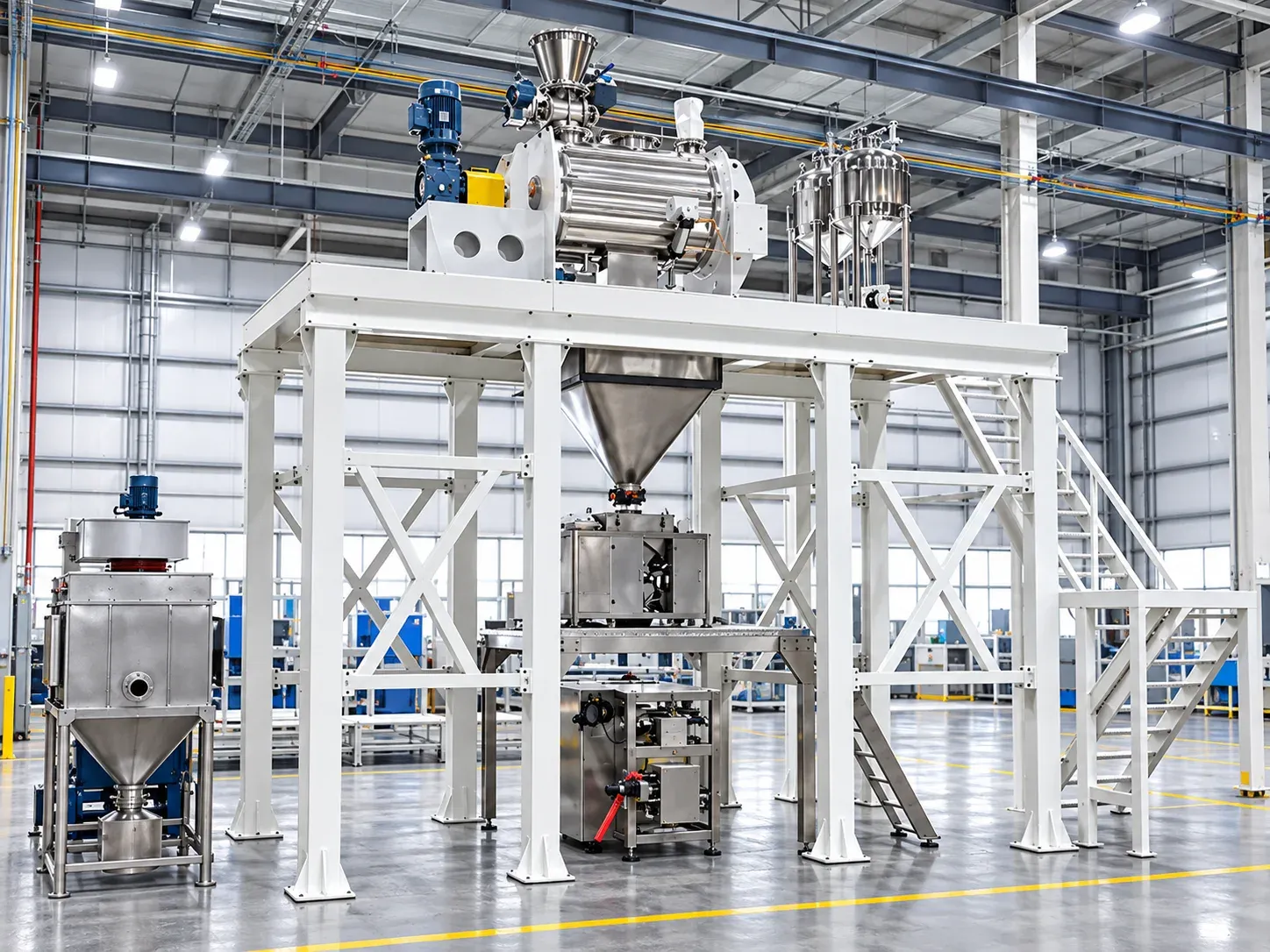
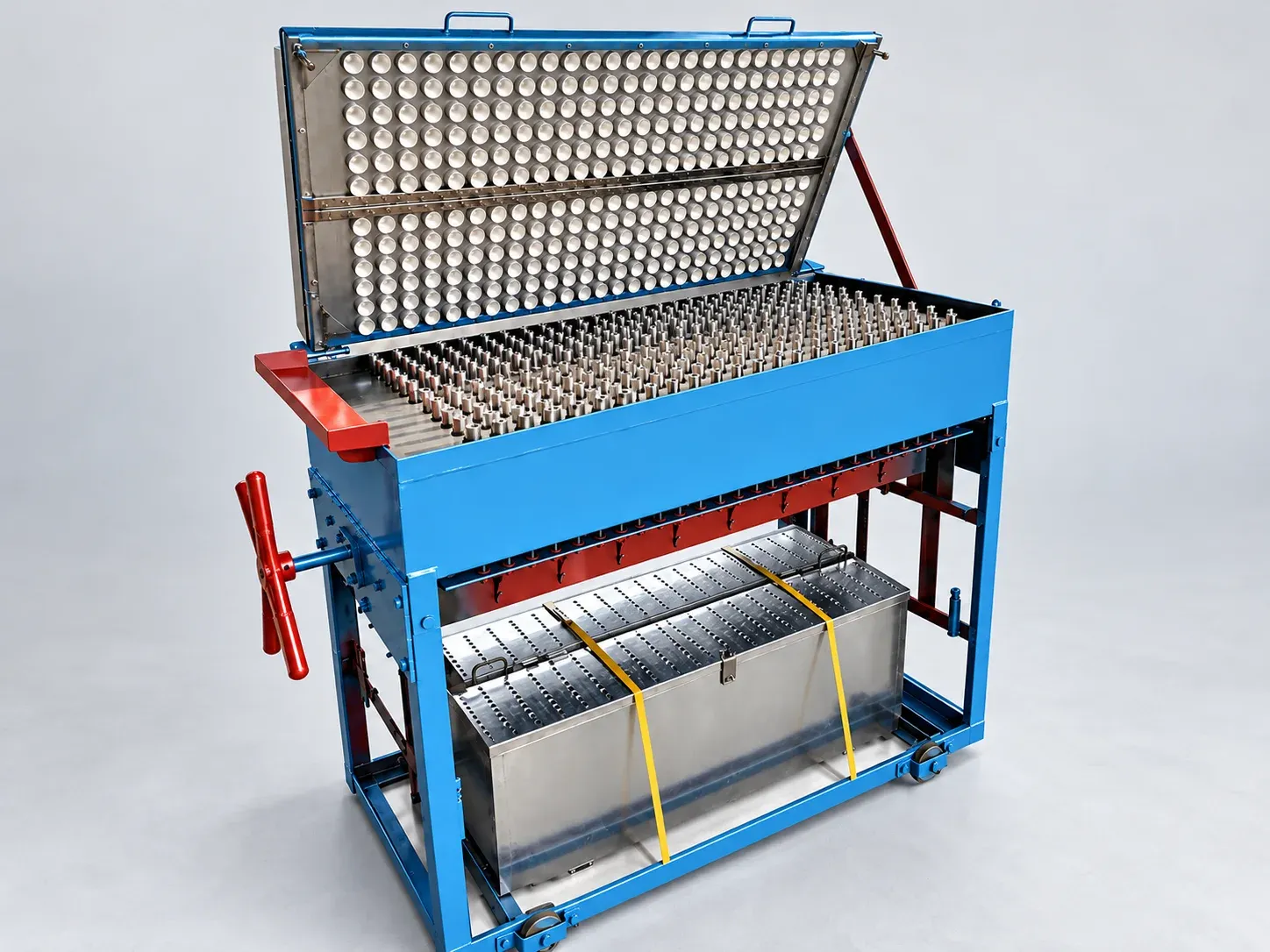
| Detergent and candle production | Powder mixing and packing line, candle molder | 0.5-5 t/h powder; candles 15-80 mm | Small consumer-goods producers |
Single machine or complete line
Some of these are machines you can place in an existing room: the candle molder, the fabric cutter, the label press. Others are plants. Sawmill, paper, tile, rebar and cable-insulation lines need a layout drawing, foundations and commissioning, and their capacity comes from the weakest section, not the largest. Decide early which you are buying, because a line enquiry needs more data than a single-machine one.
Utilities that cross every group
Four utilities show up again and again in our product pages, so check them before you compare machines:
| Utility | Where it matters | Figures on our pages |
|---|---|---|
| Three-phase power | Every line | From 2 kW on a candle machine to 5,000 kW on a rebar mill |
| Compressed air | Printing, plastics, candles, detergent | Commonly 0.5-0.8 MPa |
| Cooling water | Blow molding, cable lines, candles, tile | Chilled at about 8-20 °C on molding and candle machines |
| Steam or fuel | Paper, tile, rebar, detergent, textile finishing | Paper dryers 0.3-0.8 MPa; steam generator 0.7-1.0 MPa |
Voltage is the first thing to confirm: 380-415 V 50 Hz applies in much of Africa, Europe, Asia and the Middle East, while 460-480 V 60 Hz is common in the Americas and parts of Asia. Hot, humid sites also need cooling water and ventilation margin on motors and chillers.
How to choose between groups
If you have raw material and a product in mind, pick the group by product: planks, paper, tile, rebar, bottle, cable, shoe, laundry steam, bags, soap powder. If you are exploring a first factory, size by investment and labor: a candle molder or flexo press runs with a few operators, while a shoe assembly line uses about 25-70 operators per shift and a sawmill line about 6-20. Industry classifications such as the NAICS machinery code group sawmill, woodworking and paper machinery together, and you will see the same logic here: wood and paper share log handling, drives and drying, even though the products differ. For plastics, the clamping-force basics are covered in injection molding machine clamping force and the technology overview is on Wikipedia.
What to send for a quote
- The product to make and its size or weight.
- Raw material and where it comes from.
- Daily or yearly output, and shifts per day.
- Local voltage and frequency, and available fuel, steam or water.
- Floor area or site plan, and destination port.
Send those five items for any group and we reply with a suitable model or line.