Industrial Manufacturing · Single machine
Industrial Manufacturing · Complete line
Complete Sawmill Lines, From Log Deck to Stacking
Sawmill equipment arranged into a line that matches your logs and production target, from log deck and head saw to edging, sorting and stacking.
- Model
- MM-SML
- Product group
- Sawmills & Wood Processing
- Log deck, infeed and conveying
- Head saw with optional edging and multi-saw
- Cross-cutting, sorting and stacking sections
- Linked controls and optional automation
- Layout set by log species and target boards
Overview
A line built from sections
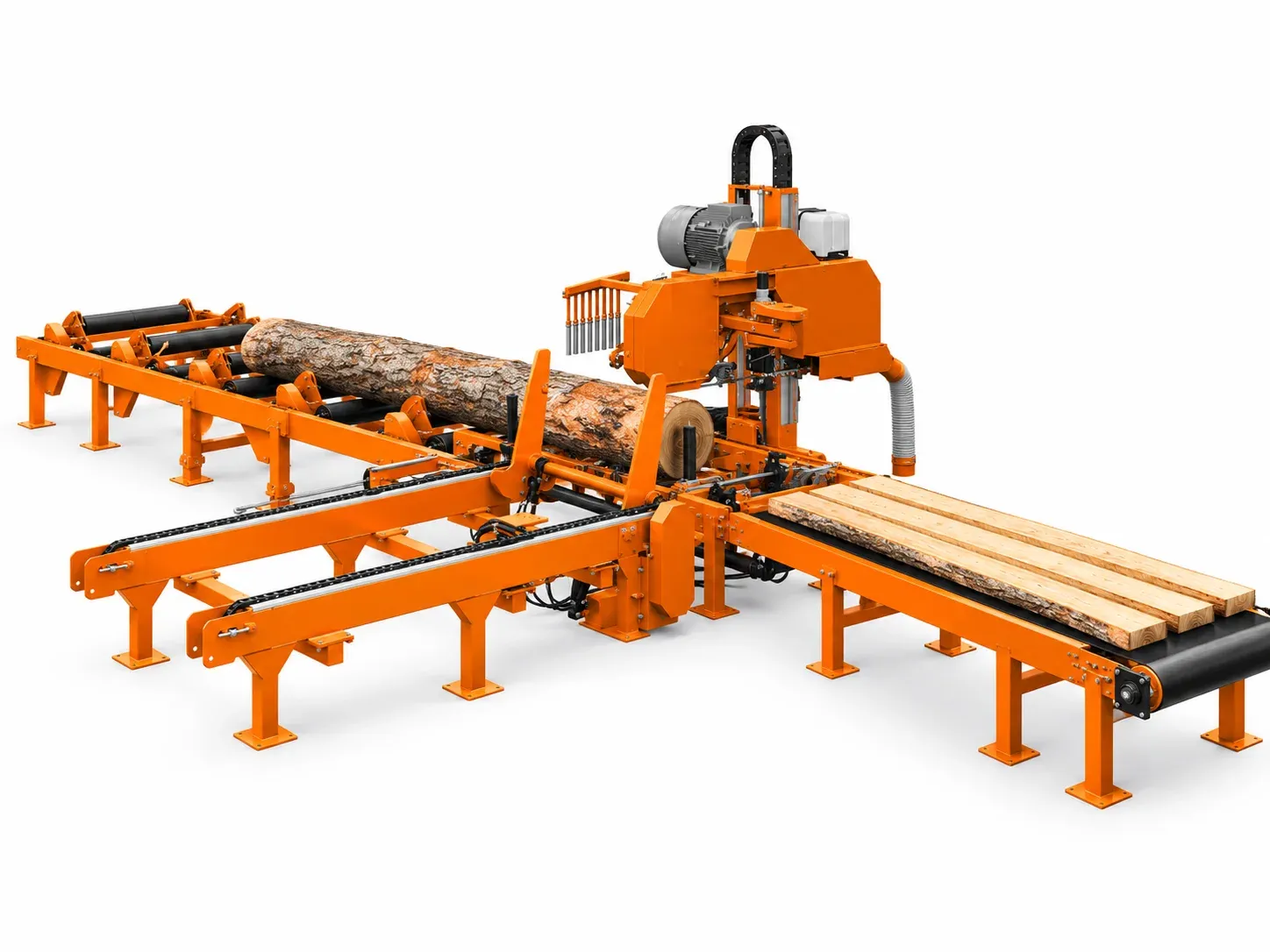
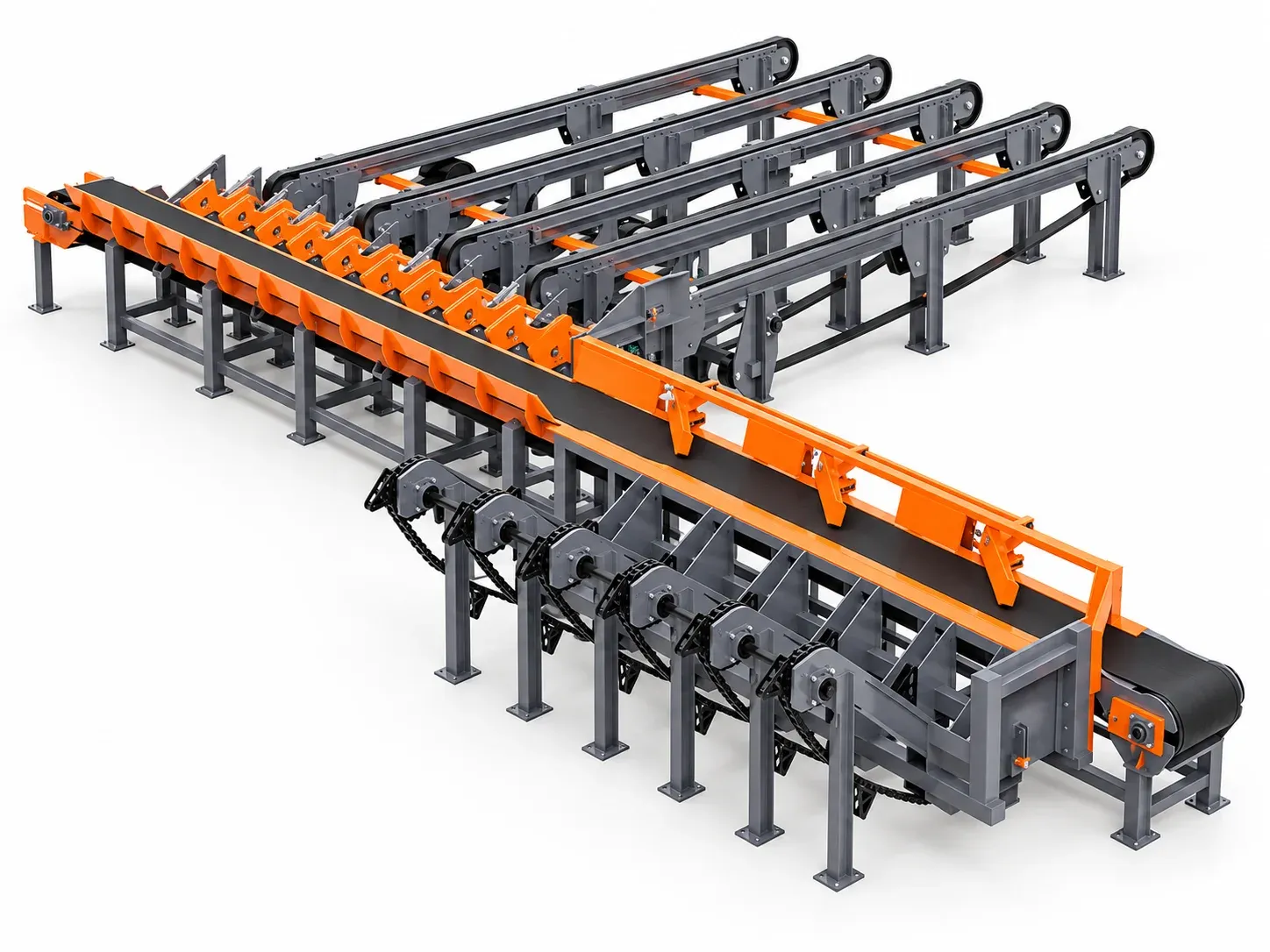
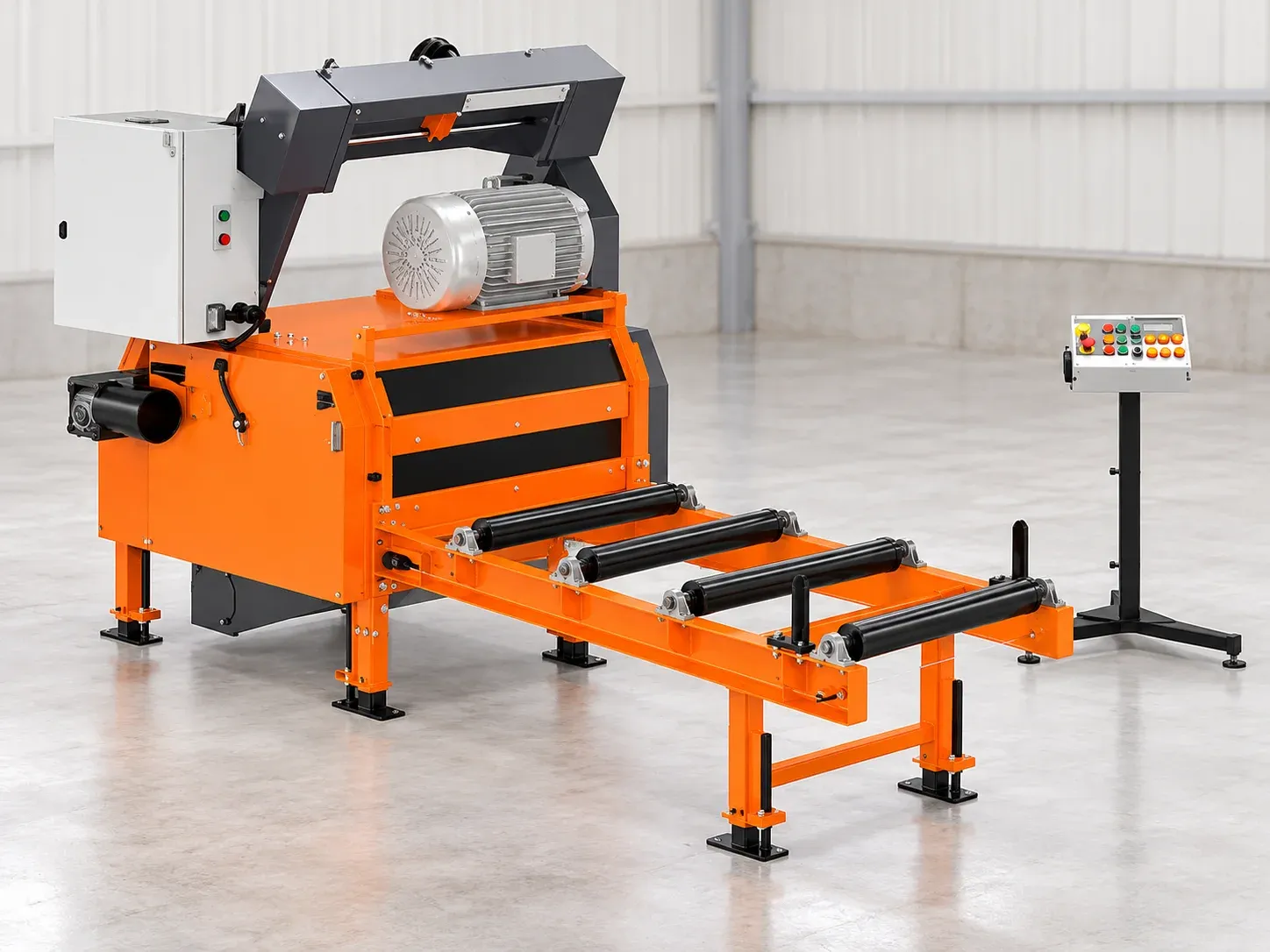
A sawmill is a chain of machines, and the right chain depends on your logs. Ours typically starts with log loading and a transfer deck, then feeds a head saw that opens the log. Boards pass to an edger or multi-saw, then to a cross-cut and a sorting and stacking section. Roller tables, transfer decks and belt conveyors move wood between stations.
Why configuration matters
Log species, diameter range, length and the boards you want to sell decide the sawing pattern, the number of stations and how automated the line should be. A hardwood mill cutting wide boards needs a different layout from a plant producing pallet components from small logs. We do not offer one fixed package; we propose a layout once we know the raw material and the output you target.
Where it fits
These lines suit sawmills starting up, yards adding capacity, and pallet factories that want to cut their own boards. A smaller project may need only a head saw with an edger and manual stacking; a larger one adds debarking, sorting and automatic stacking.
What the design depends on
Log size and species, shifts per day, target product sizes, level of automation and the available site layout. Power supply, dust and slab handling, and how offcuts leave the line also shape the design.
Shipping and installation
Machines ship in containers with foundation drawings and electrical diagrams. Our engineers can guide installation and commissioning remotely or on site, and we keep wear parts such as blades available for reorder.
Quotation
Use the quote checklist below and our engineers will reply with a written scope, drawings or a specification, and a clear list of what is and is not included. Questions on shipping, spare parts and installation are answered in the same reply.
Compared with portable sawmills and chippers
A complete sawmill line suits a plant that sees a regular supply of logs and sells boards by the truckload. Each section works at its own pace and the conveyors tie them together, so output is a flow of boards, not one board at a time. The saw-set, edger and trimmer are sized so that none of them becomes the bottleneck.
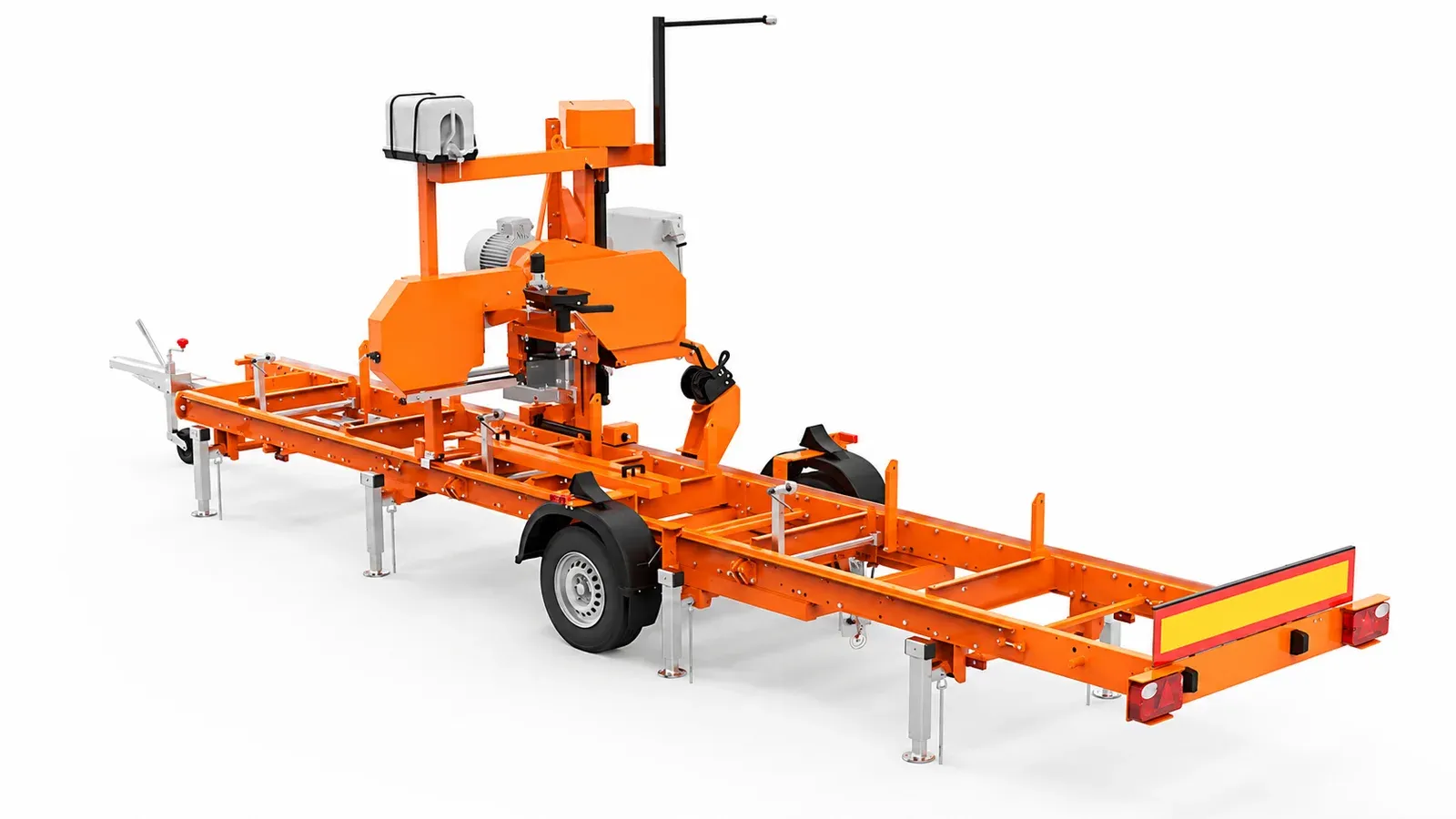
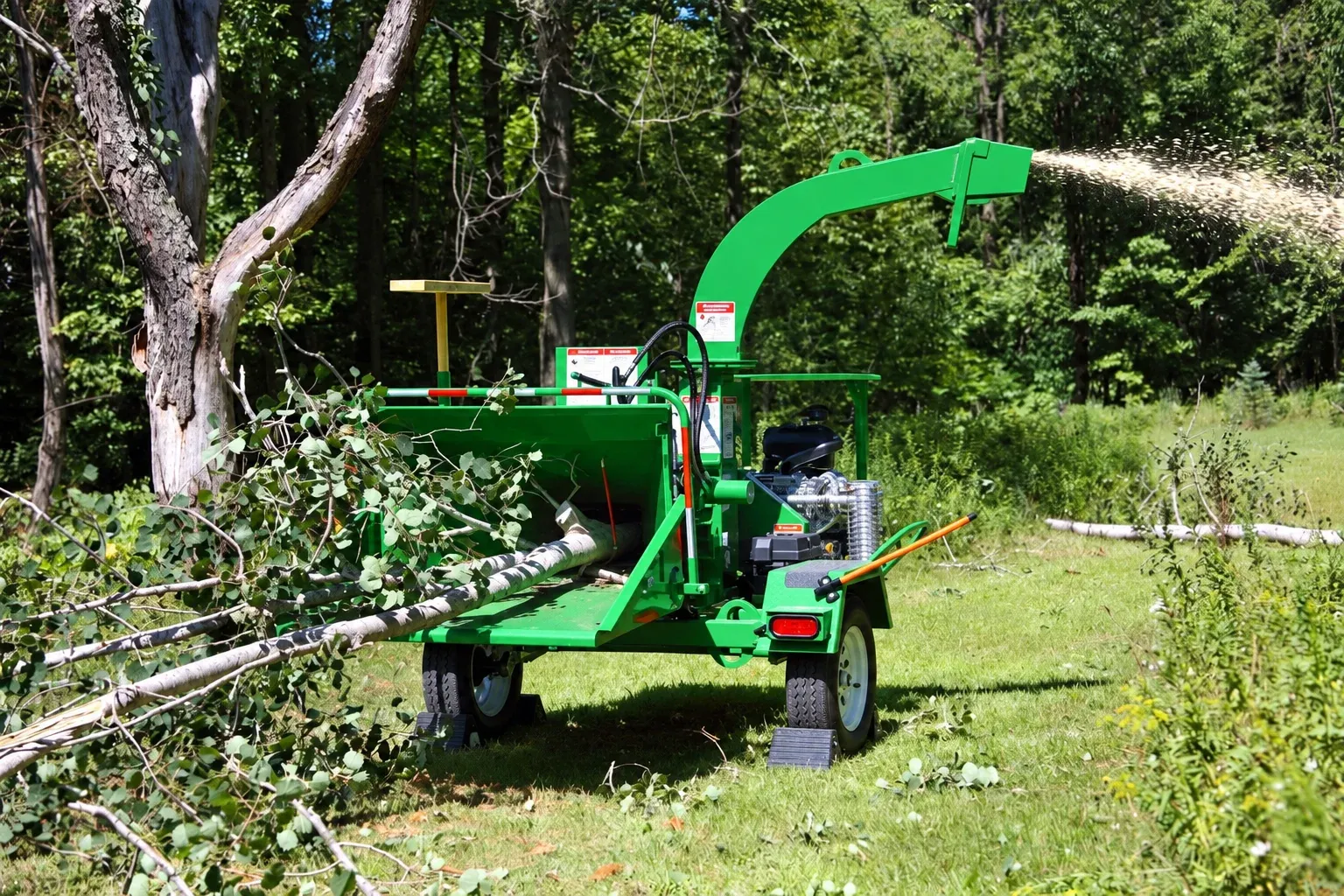
If your log supply is small or scattered, a portable bandsaw mill is the cheaper tool: one or two people, one log at a time, at the log yard or forest. For waste wood, branches and slabs, a chipper turns it into fuel or raw material for boards and pulp. Many plants run all three: a line for the main logs, a portable mill for odd sizes and a chipper for the residue. When planning, count the whole chain, from log yard to sawdust, since handling often costs more than sawing.
Specifications
| Model | MM-SML |
|---|---|
| Log diameter | about 150–700 mm |
| Log length | about 2–6.5 m |
| Throughput | about 5–50 m³ of logs per hour |
| Installed power | about 100–600 kW |
| Board thickness | about 15–100 mm |
| Sawing accuracy | about ±1 mm |
| Crew | about 6–20 per shift |
Configurations
| Optional sub-systems | Log infeed, debarking, head saw, edger, multi-saw, conveying, sorting, stacking and automation controls |
|---|
Standard equipment
- Log infeed deck and chain conveyor
- Head saw (band or circular)
- Roller conveyors and transfer tables
- Edger
- Trimmer
- Electrical control cabinet
Options
- Debarker
- Log scanner and optimizer
- Resaw or multi-saw
- Automatic sorter
- Stacker
- Sawdust and slab conveyor with chipper
- Dust extraction
Frequently asked questions
Can I start with a small setup and expand later?
Yes. We often plan the layout so that an edger, sorting or stacking section can be added later without moving the head saw.
Do you supply the saw blades?
Blades and other wear parts are available from us. We advise on the right type for your wood.
Is installation included?
We provide drawings and guidance. On-site supervision can be arranged under the contract.
How many people does a sawmill line need?
Small lines run with about 6–10 people, and larger lines with automatic sorting and stacking need 15–20. Each automatic unit you add reduces labor and raises the capital cost.
Request a quote: Complete Sawmill Lines, From Log Deck to Stacking
Send your requirement and our engineers reply with the configuration, lead time and a quotation.
Related products
Industrial Manufacturing · Single machine
Trailer-Mounted Portable Bandsaw Sawmill
Industrial Manufacturing · Complete line
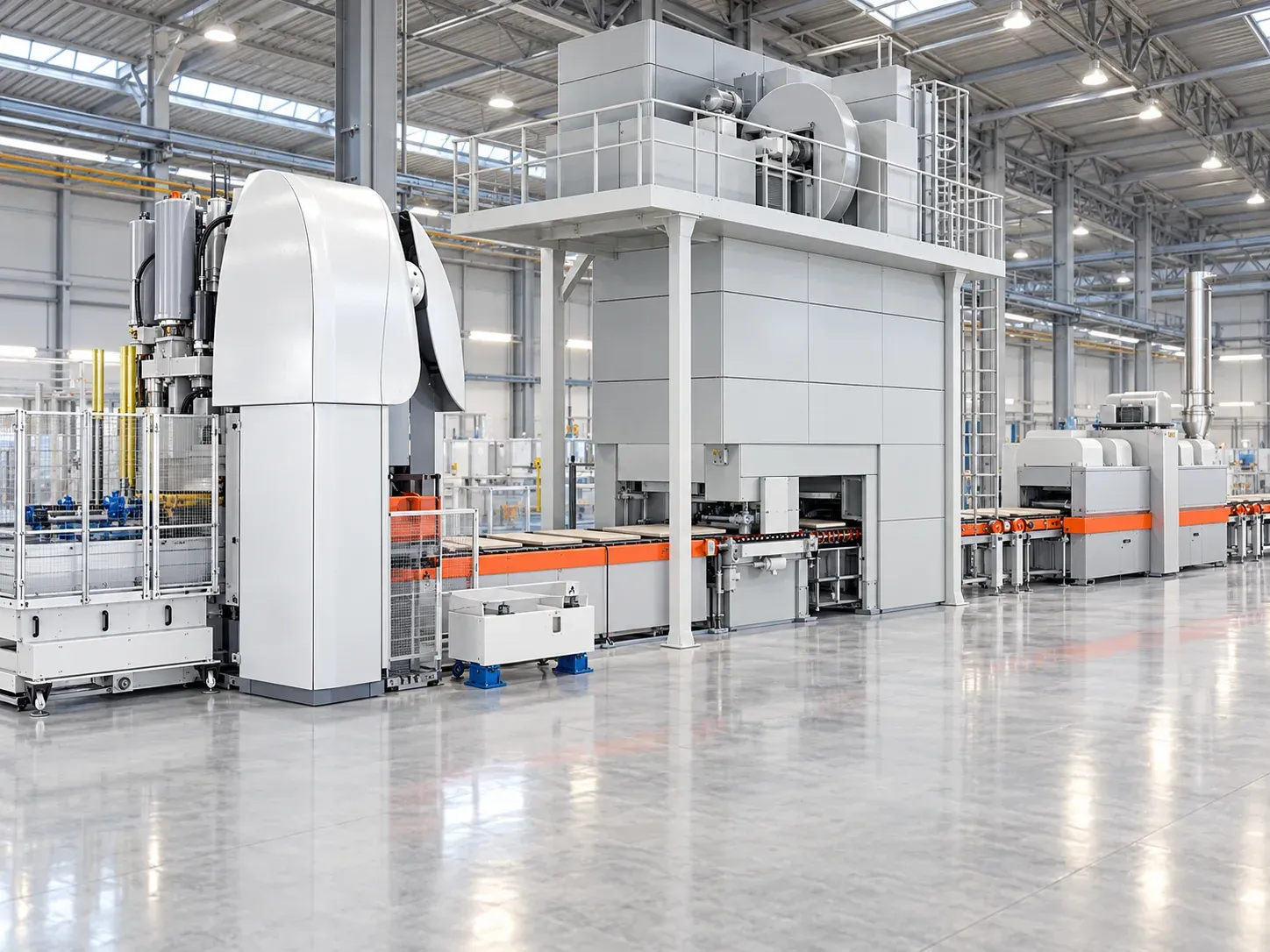
Ceramic Tile & Large-Slab Production Lines
Industrial Manufacturing · Complete line
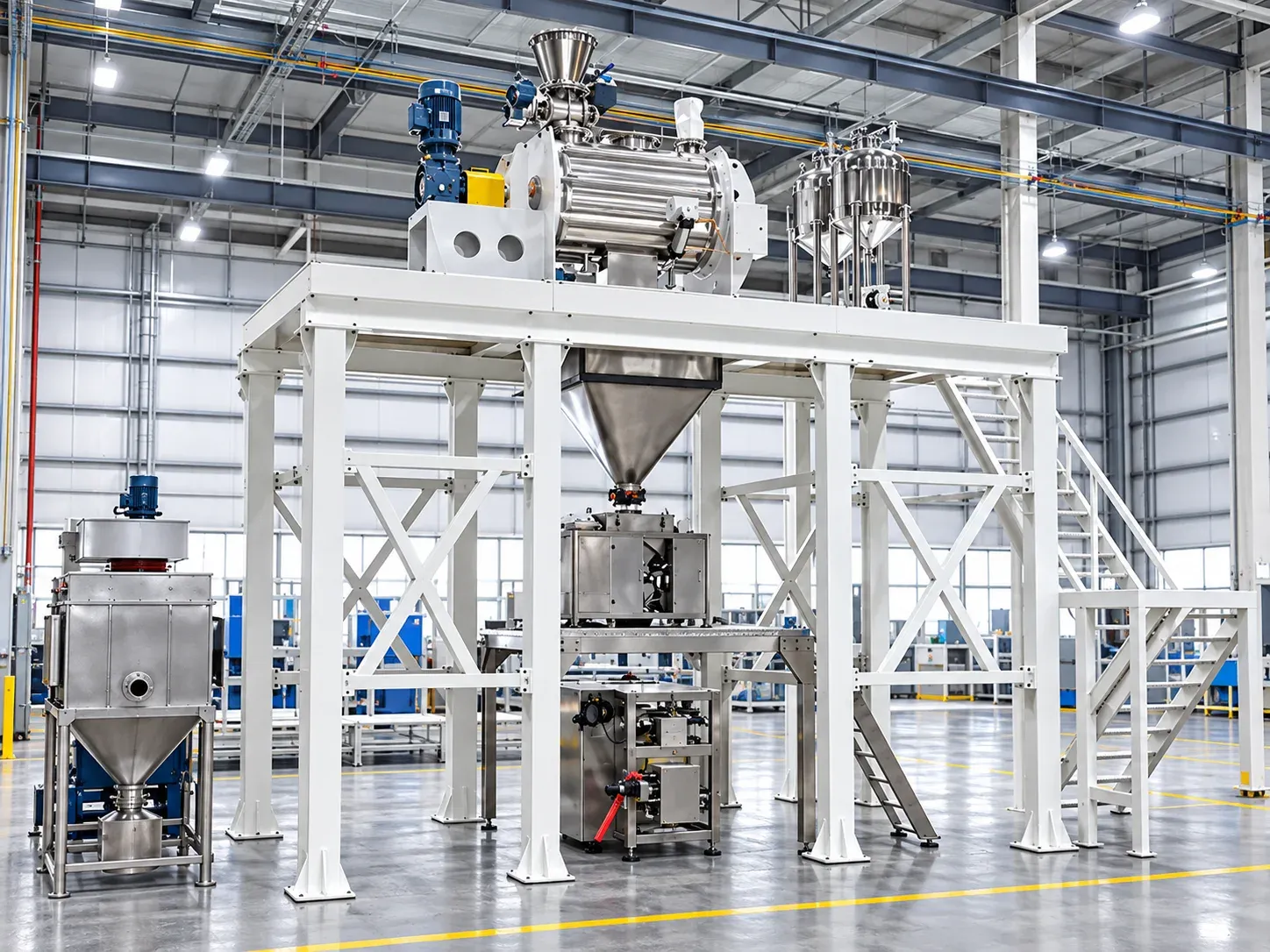
Detergent Powder Mixing and Packing Line