Think of a water supply as a chain: source, treatment, storage, delivery. Each group in this section sits on one link, and buying the wrong link first is the usual mistake. A bigger tank does nothing for salty well water, and an RO plant fed with muddy river water will foul its membranes in weeks.
The four groups at a glance
| Group | What it does | Size in our range | Suits | Page |
|---|---|---|---|---|
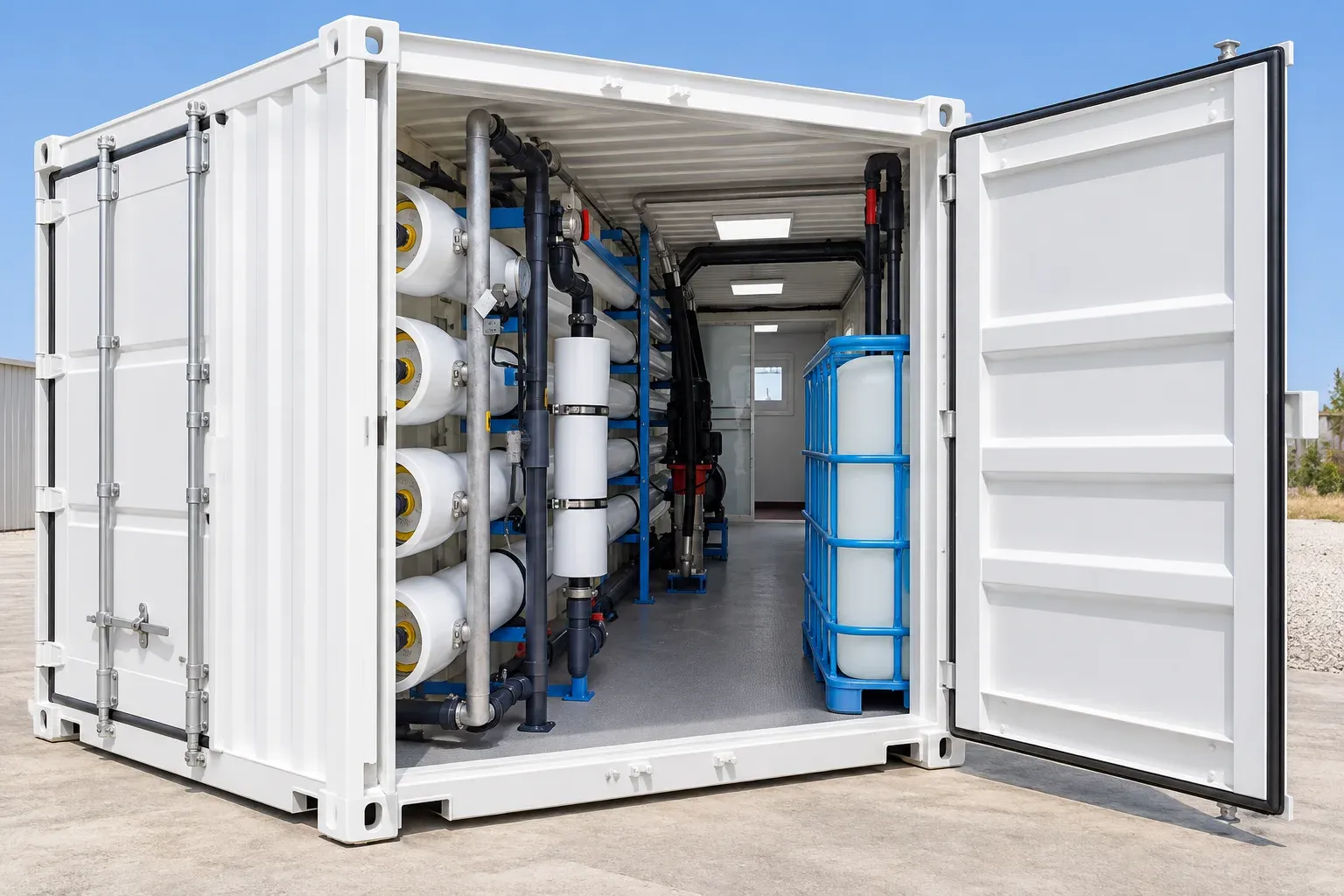
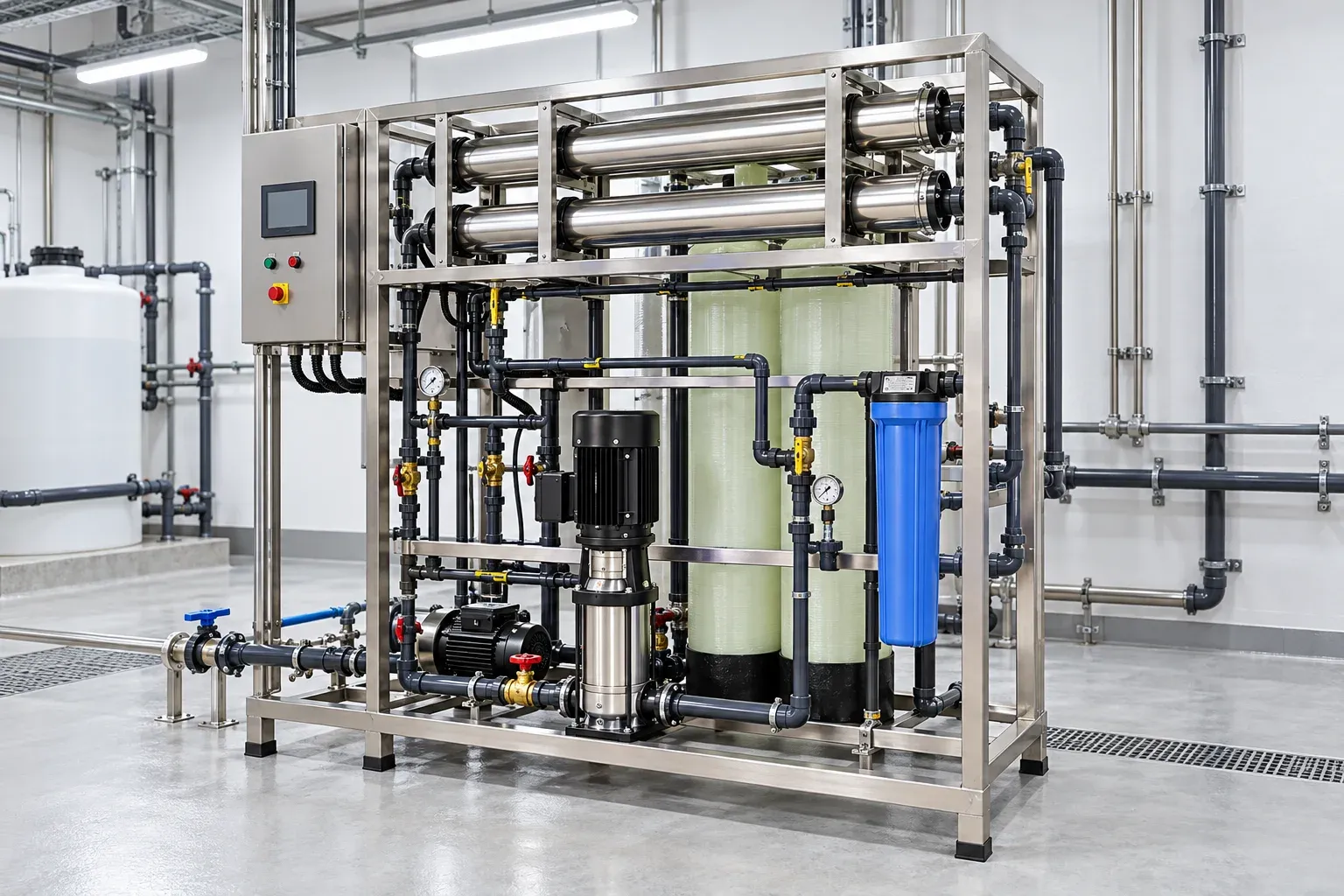
| RO and desalination | Removes dissolved salts from brackish water | about 1-10 m³/h per skid; 10 m³/h containerized | Island, coastal and arid sites; factories needing low-salt water | RO & Desalination |
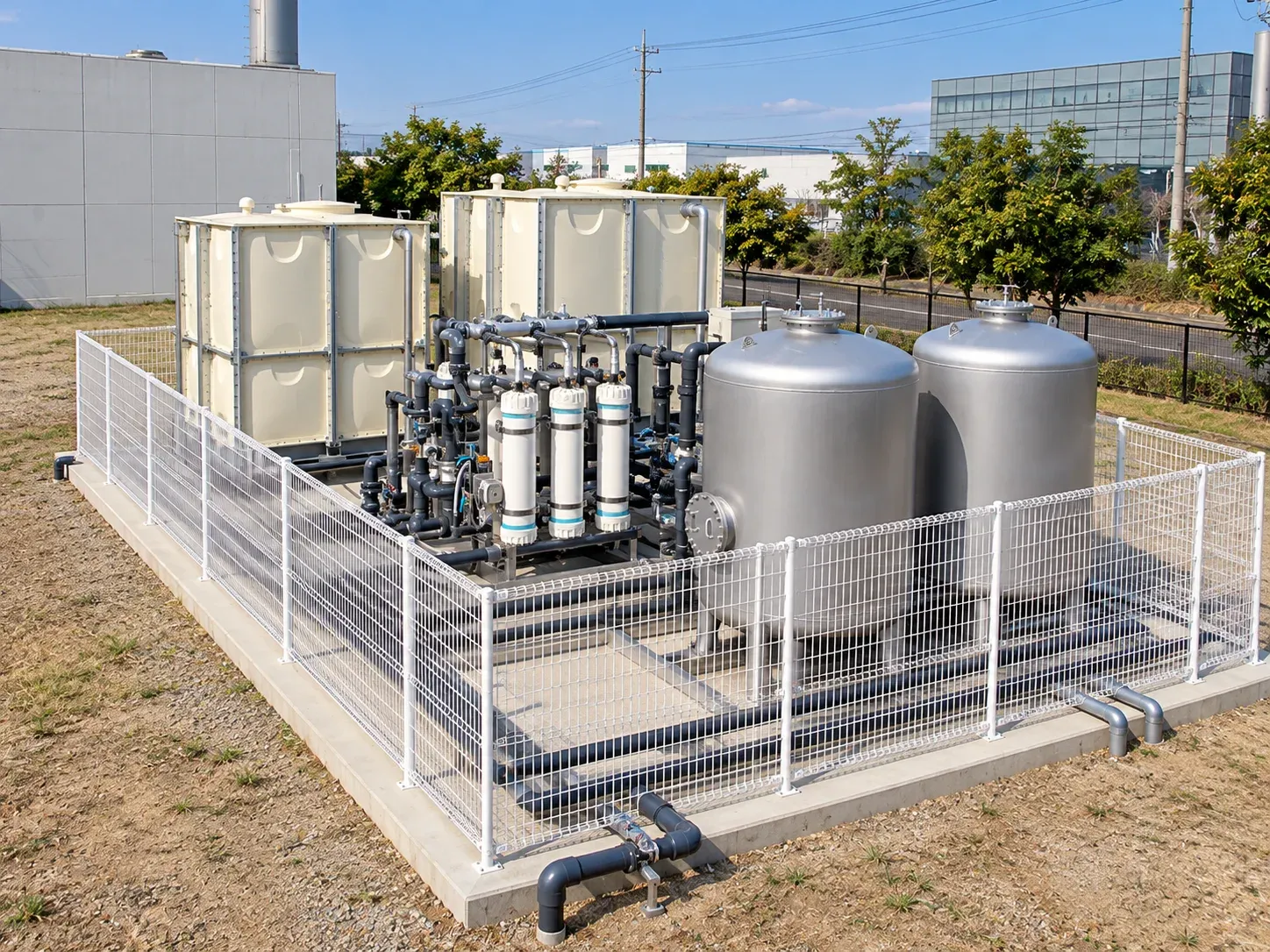
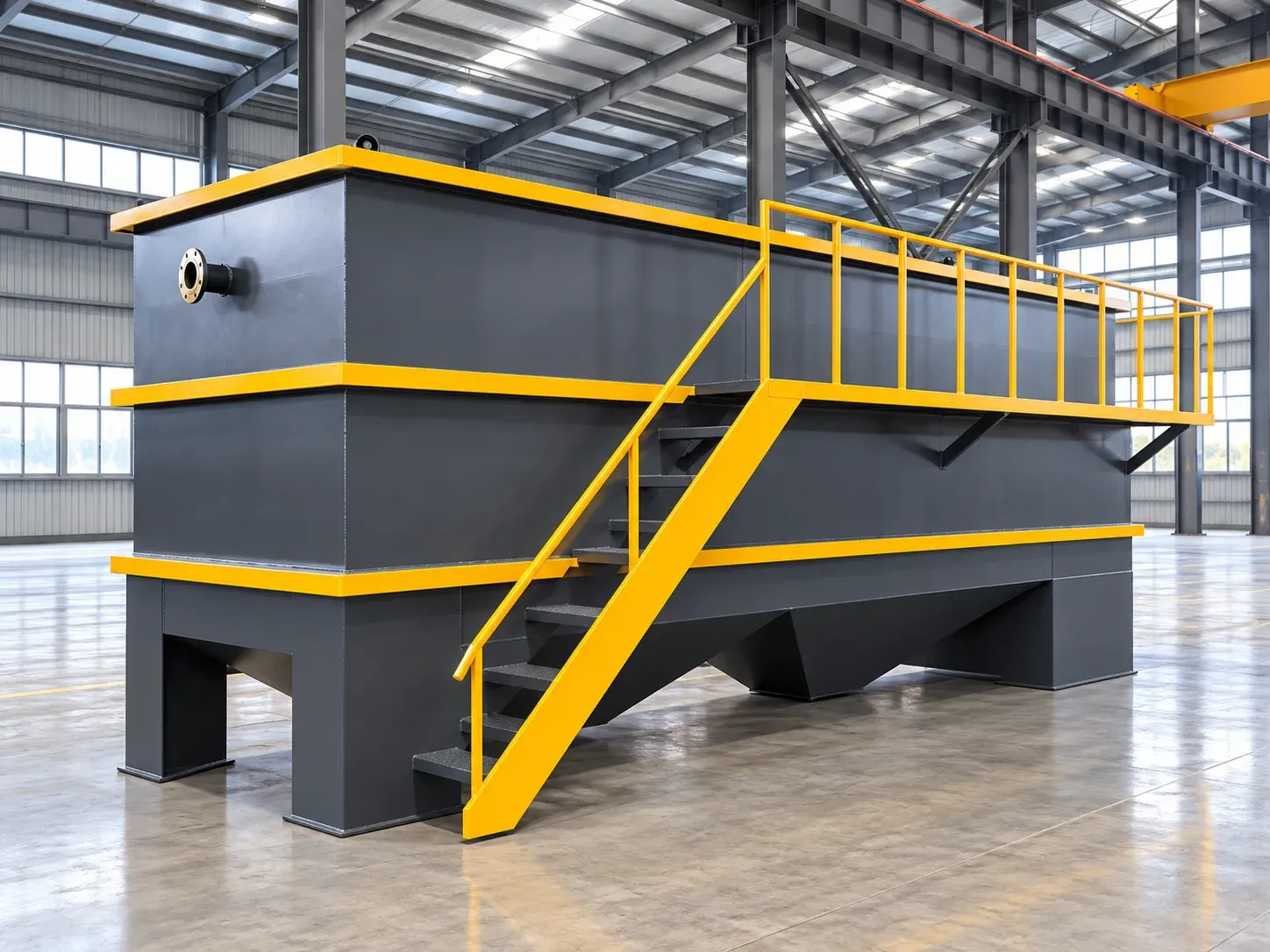
| Packaged treatment plants | Clarifies river water, or removes iron and manganese from wells | 3-9 t/h groundwater; about 10-200 m³/h surface | Towns, camps, mines, farms | Treatment Plants |
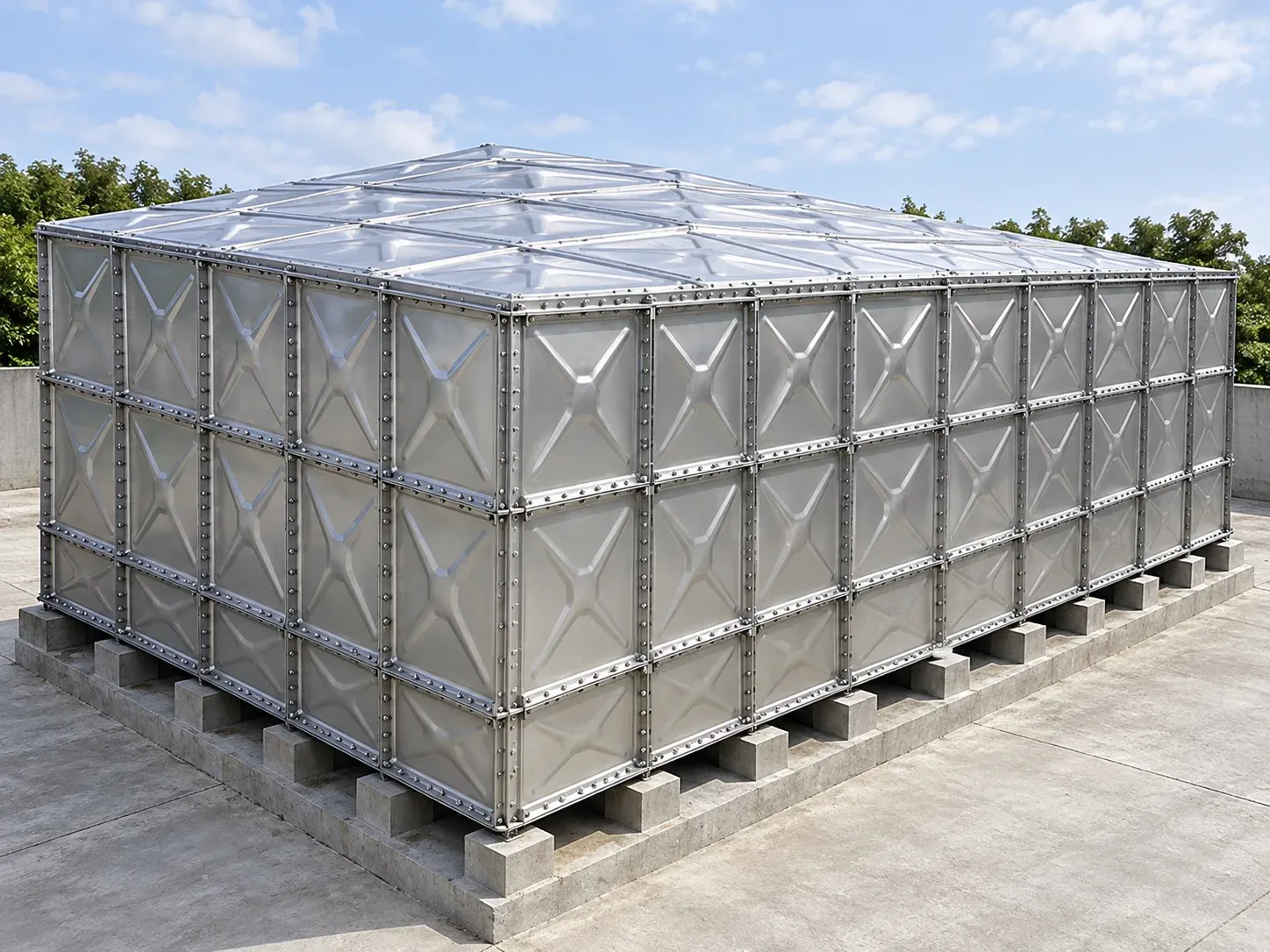
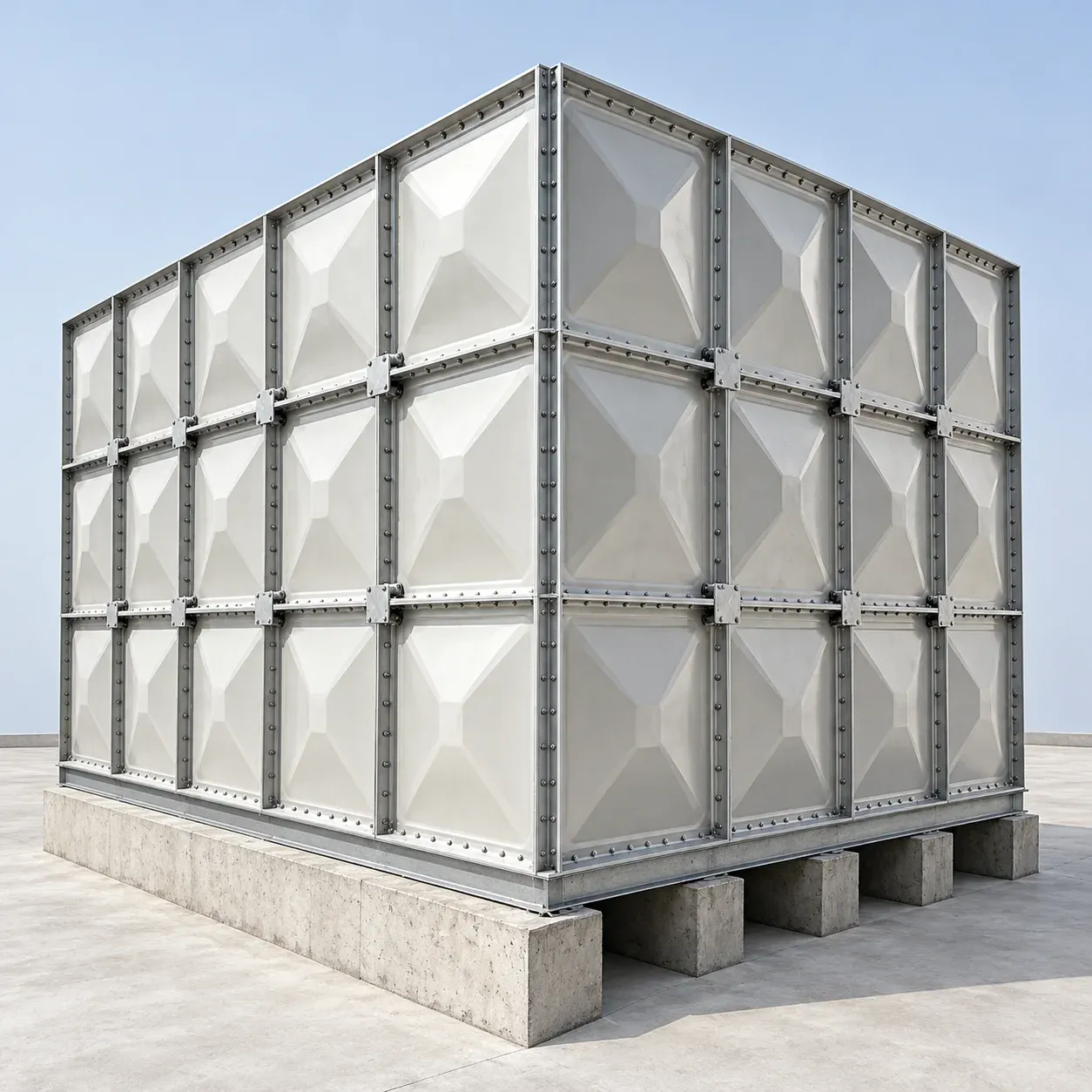
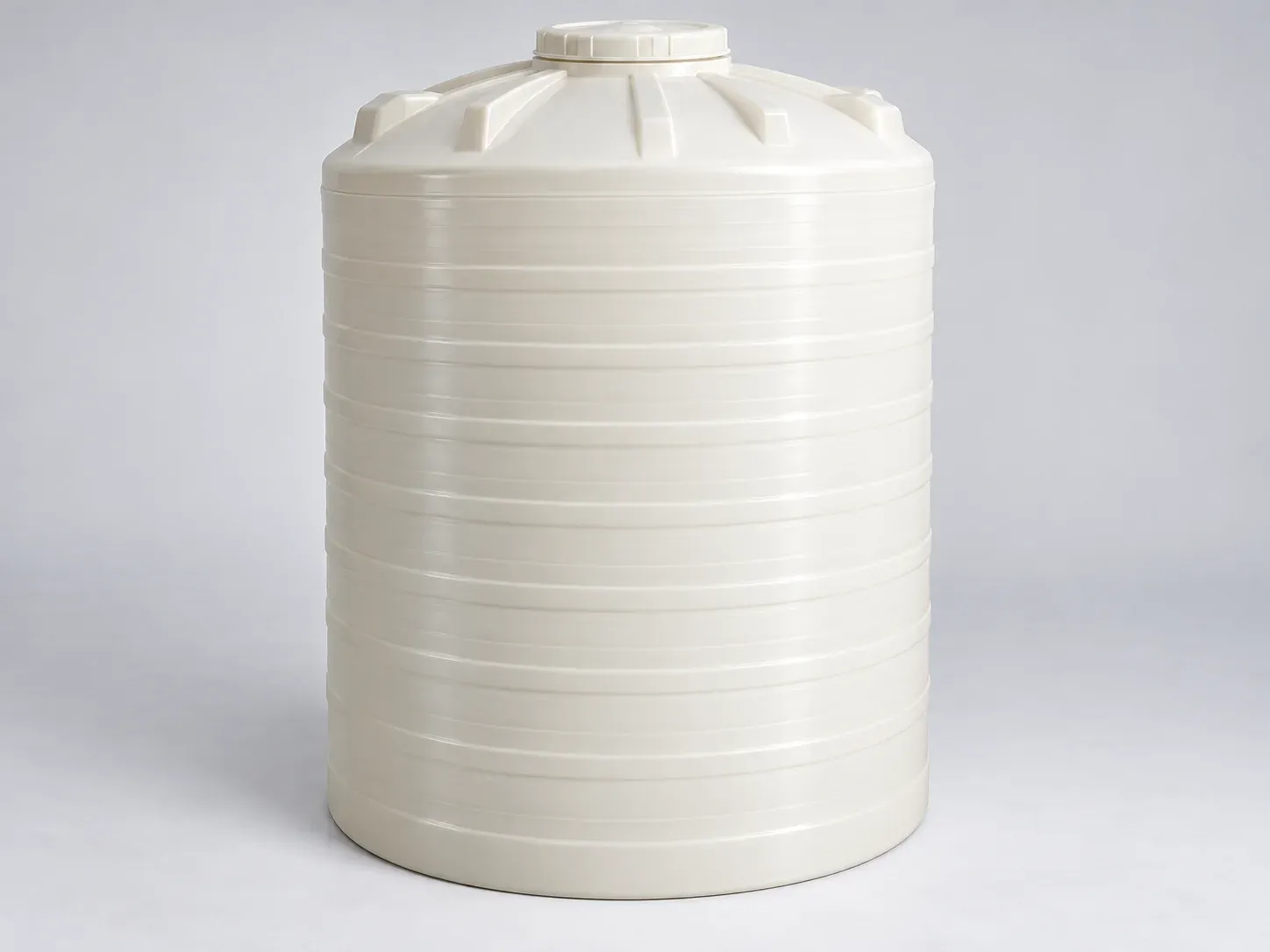
| Water storage tanks | Holds treated water for peak and fire demand | PE 1-30 tons; panel tanks from a few to several hundred m³ | Buildings, farms, industry | Storage Tanks |
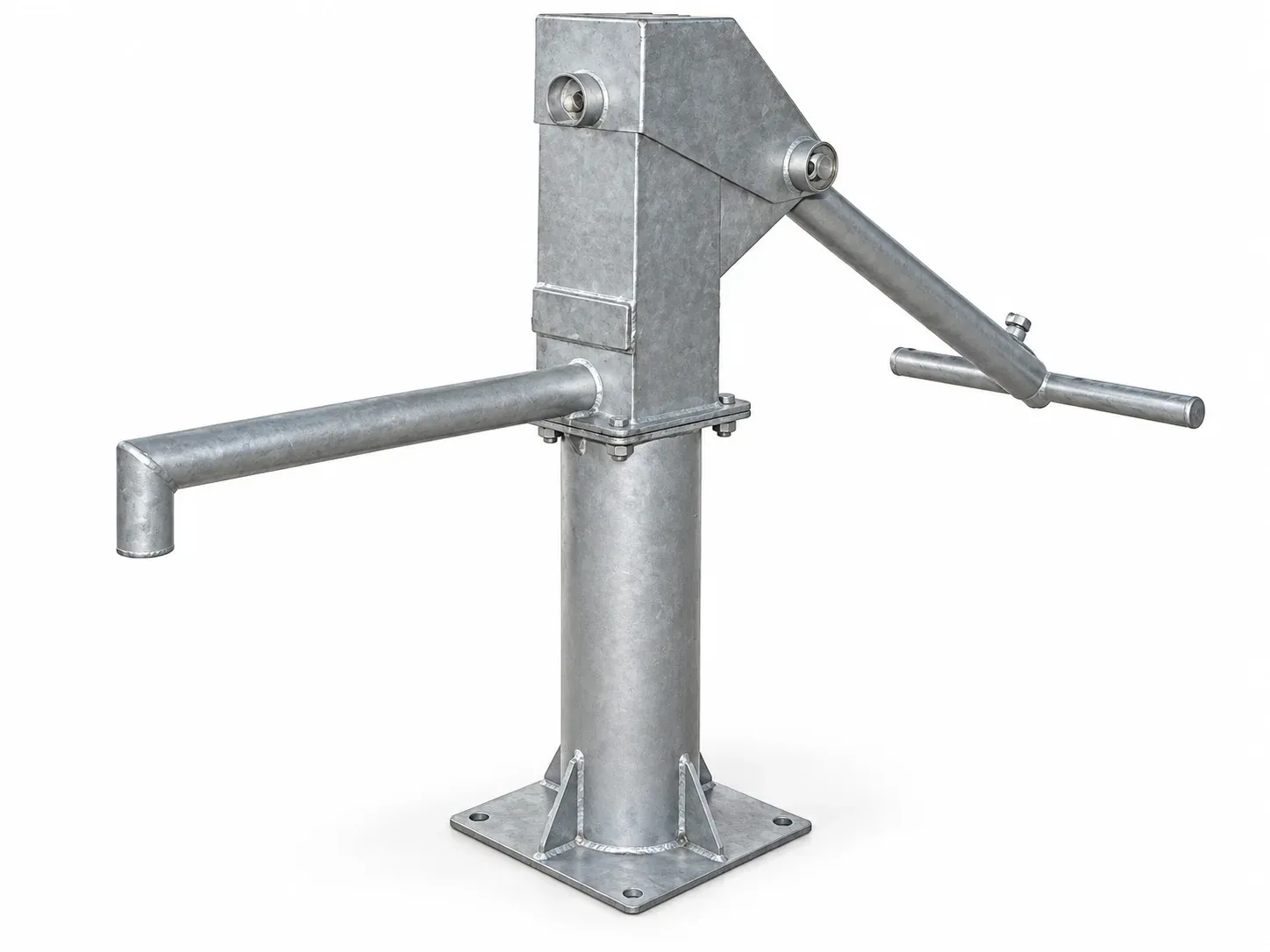
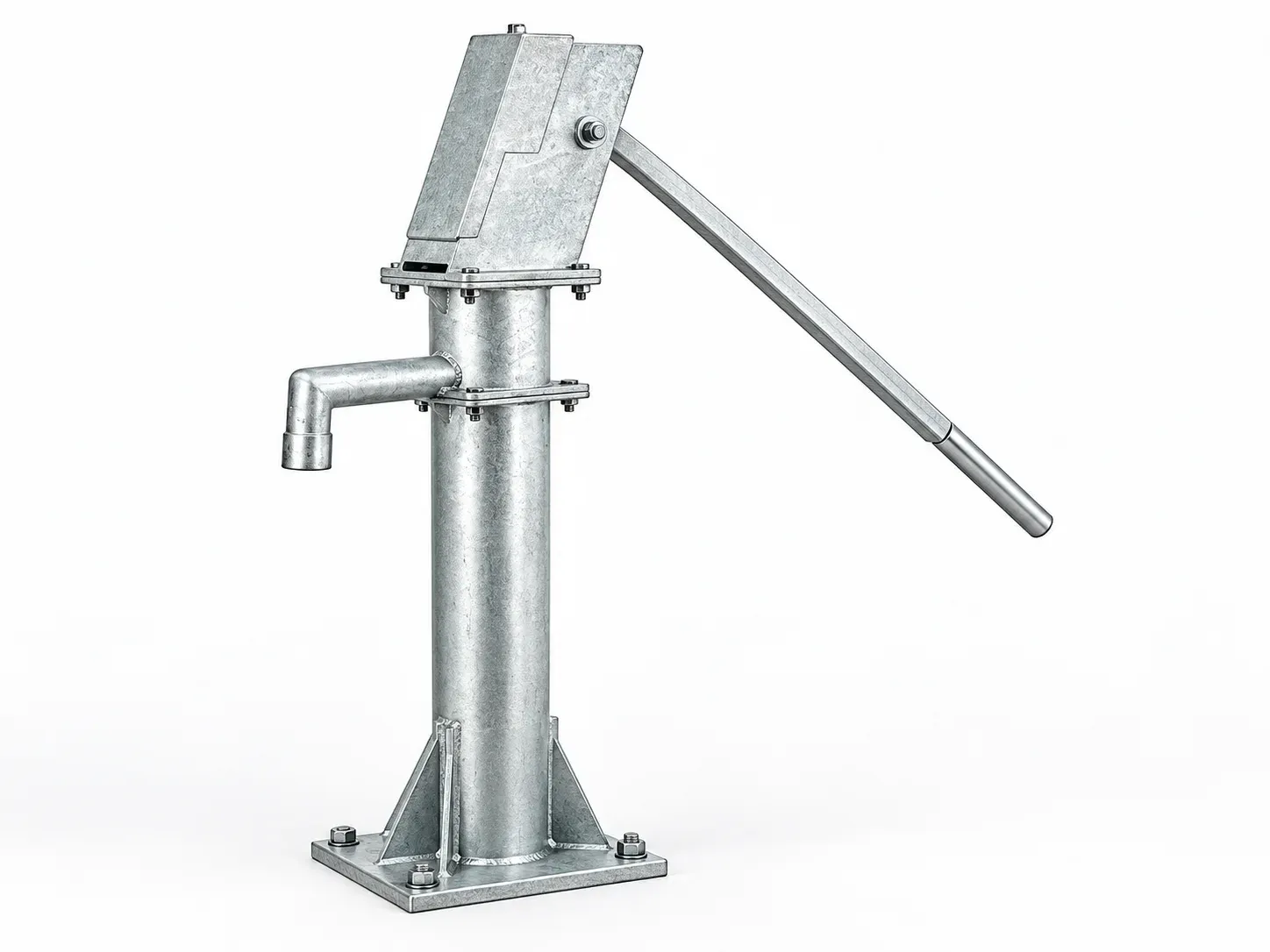
| Deep-well hand pumps | Lifts borehole water without power | about 250-300 users per pump, lift up to roughly 45 m | Villages, schools, clinics | Hand Pumps |
Matching the raw water to the group
Muddy surface water. A river, lake or reservoir needs coagulation, settling and filtration before anything else. Our integrated surface water plant handles raw turbidity of 10-500 NTU and aims at 1 NTU or less after treatment.
Borehole water with iron. Brown stains and a metallic taste point to iron or manganese. The groundwater plant with UF comes in 3, 6 and 9 t/h sizes with automatic backwash.
Salty well water. When TDS is the problem, only a membrane process helps. The containerized brackish RO plant makes 10 m³/h from a 4,000 ppm feed; the sizing details are in our RO system sizing guide.
Clean source, no power. A drilled well with good water and no grid only needs a pump: see the India Mark II type for static water levels up to about 45 m.
Power and voltage
Hand pumps and tanks need no electricity. Treatment plants and RO skids run on three-phase pumps, so state your supply (for example 400 V 50 Hz or 480 V 60 Hz) at the start. RO is the big energy user, at 1.56 kWh/m³ for the containerized plant at its design point. For a feel for how the options compare as a whole project, the packaged water treatment plant guide walks through a complete layout.
Storage: size it for the gap, not the average
Treated water is rarely used at the rate it is made. A plant running steadily all day feeds a town that draws most of its water morning and evening, and the tank covers the difference. Pick the material by site: rotomolded polyethylene for quick installation and wide size choice, bolted GRP or stainless panels when the volume is large or the access is tight, since panels are carried in and assembled on the spot.
Operating the equipment
Before you choose a group, think about who will run it. Hand pumps need no power and a local caretaker, packaged plants need a trained operator and a chemical supply, and RO systems need regular filter changes and membrane cleaning. A cheaper unit that nobody can maintain costs more than a better one that gets looked after. Ask what spare parts and consumables you should hold, and how long a typical set lasts before it needs attention.
What to send for a quote
- Water analysis of the source, or at least turbidity, TDS, iron, hardness and pH.
- Required daily or hourly output and operating hours.
- Use: drinking, process, irrigation, or fire reserve.
- Site conditions: ambient temperature, power supply, indoors or open air.
- Storage volume wanted and the footprint available.
- Delivery country, and whether installation guidance is needed.
Browse the product grid above, or return to all industries to see the rest of the catalogue.