Start with the work, not the machine
Heavy equipment guides tend to sort machines by the three stages of a quarry or mine: extraction (drilling, blasting, digging), handling (loading and hauling) and processing (crushing, separating). Building sites follow the same logic on a smaller scale: dig, carry, pour, finish. Our nine groups map onto those stages, so the quickest way to choose is to name the stage that is holding your project back.
| Group | What it is | Size range in our listing | Suits |
|---|---|---|---|
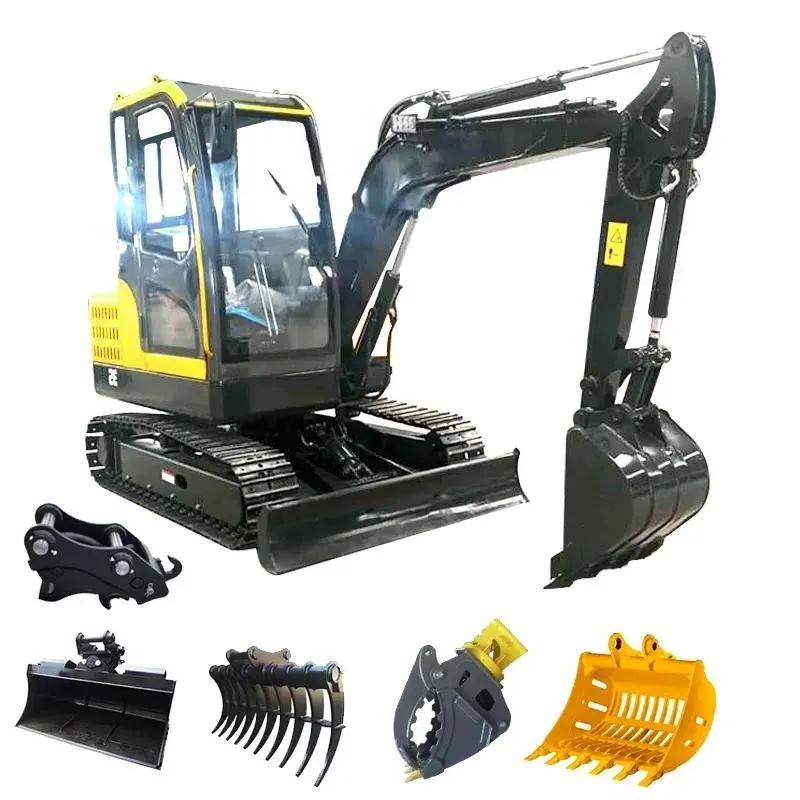
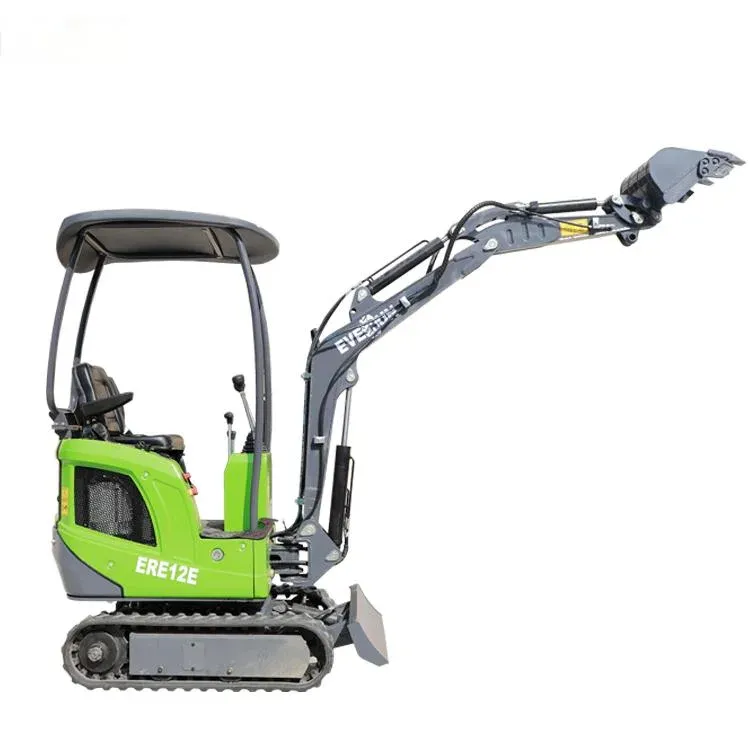
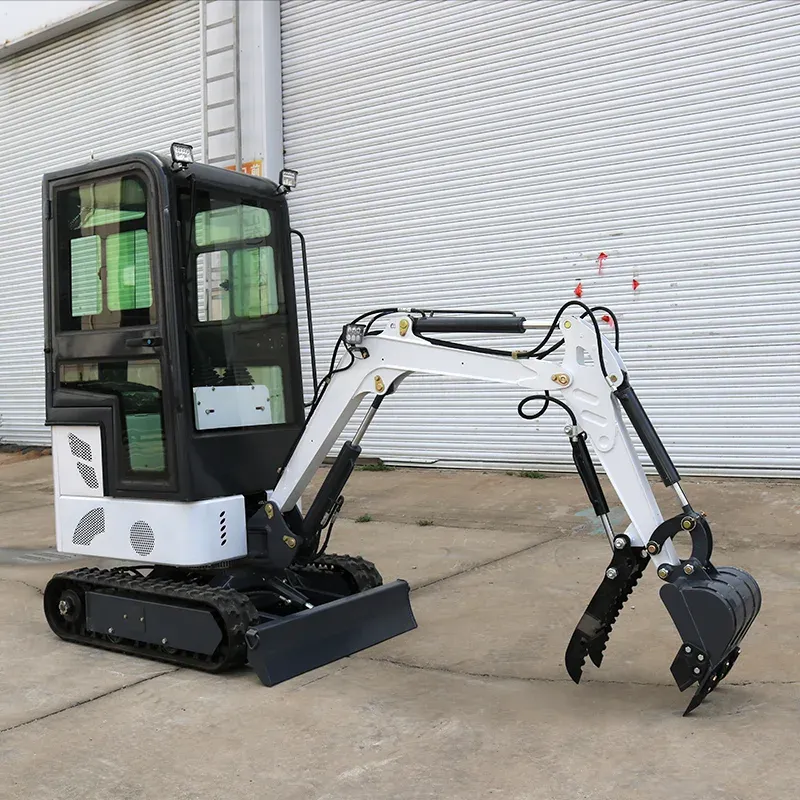
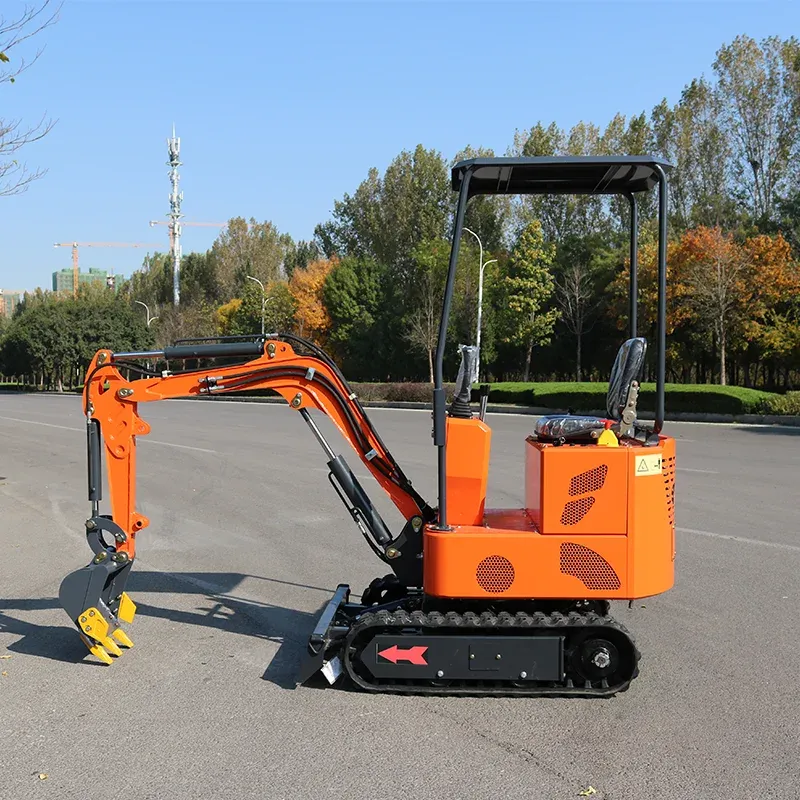
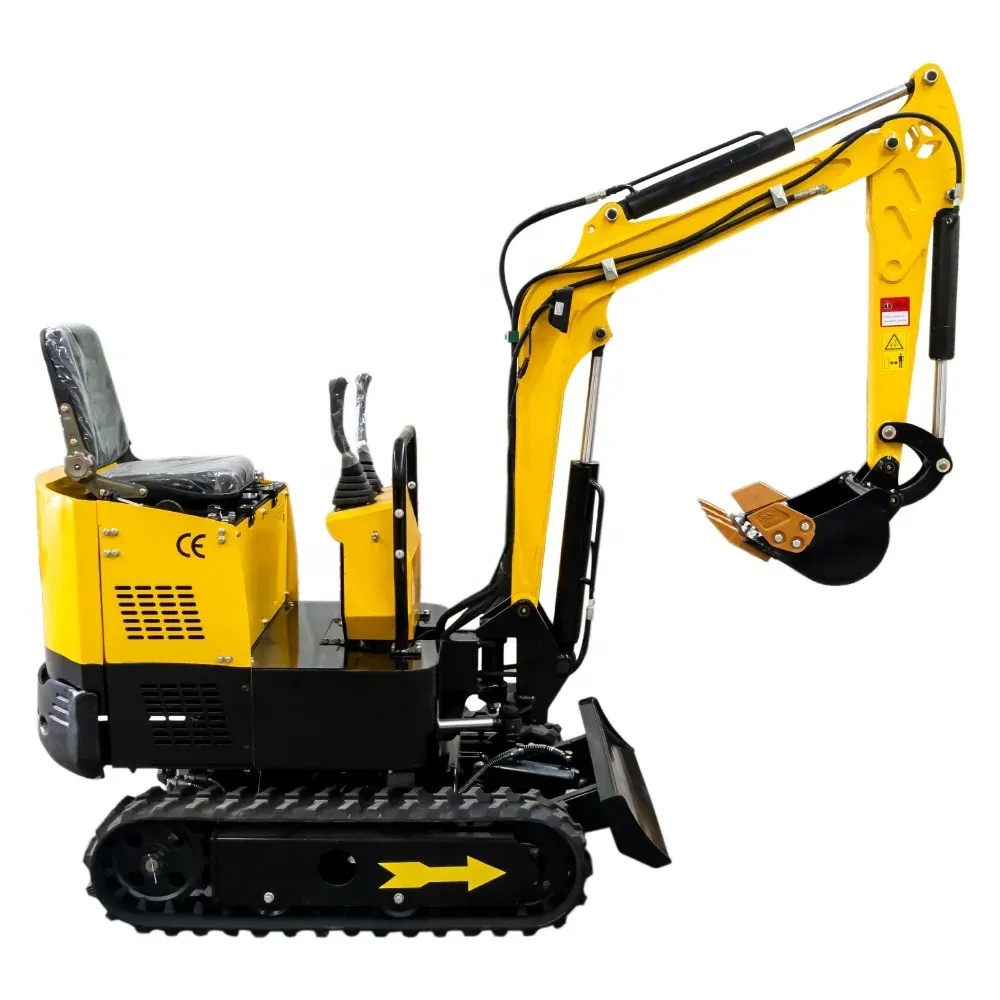
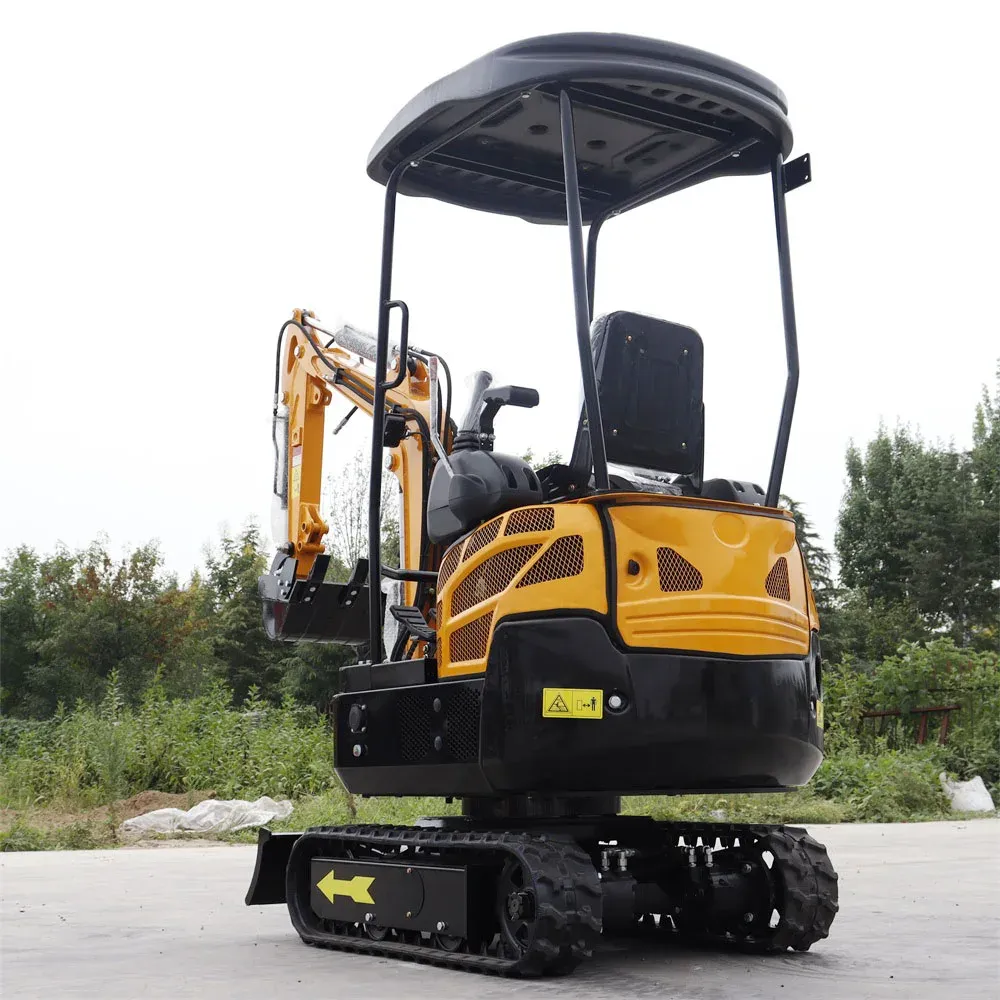
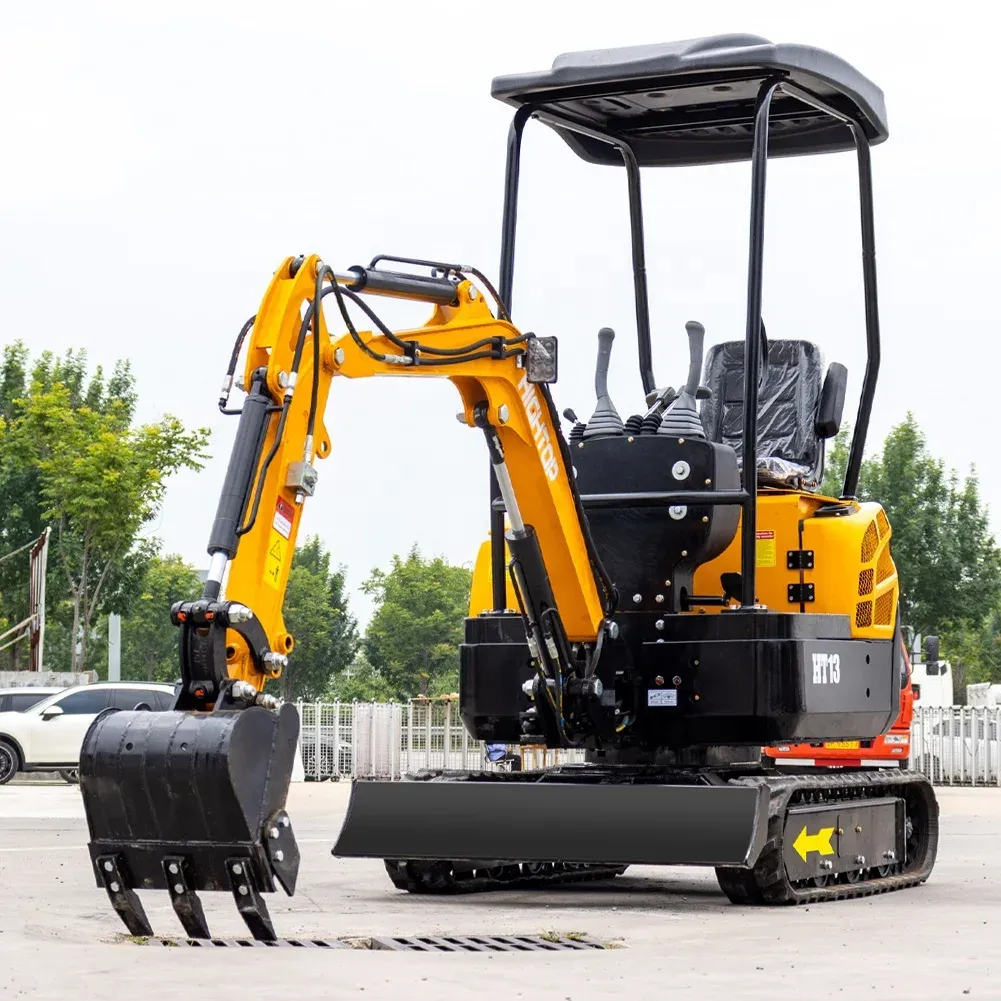
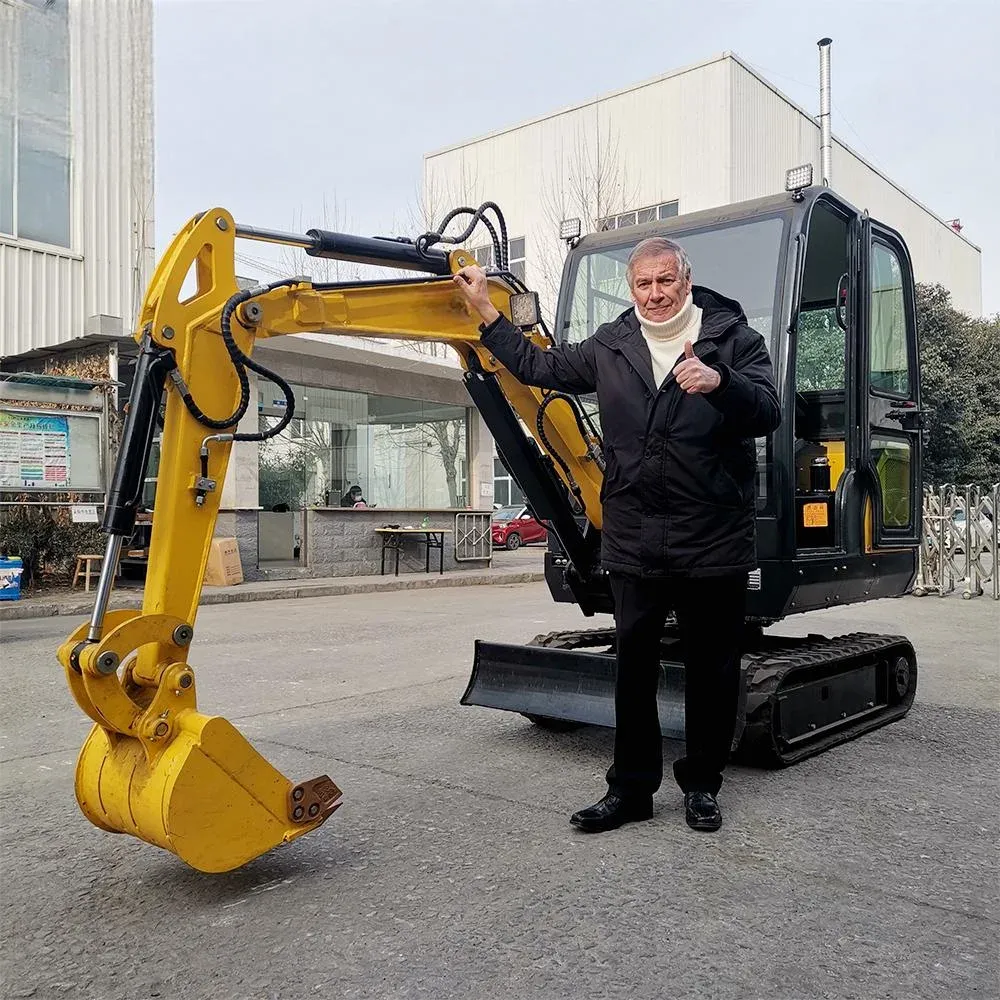
| Mini excavators | Compact crawler diggers, battery or engine | 0.8–3 t | Trenching, farm, garden, indoor access |
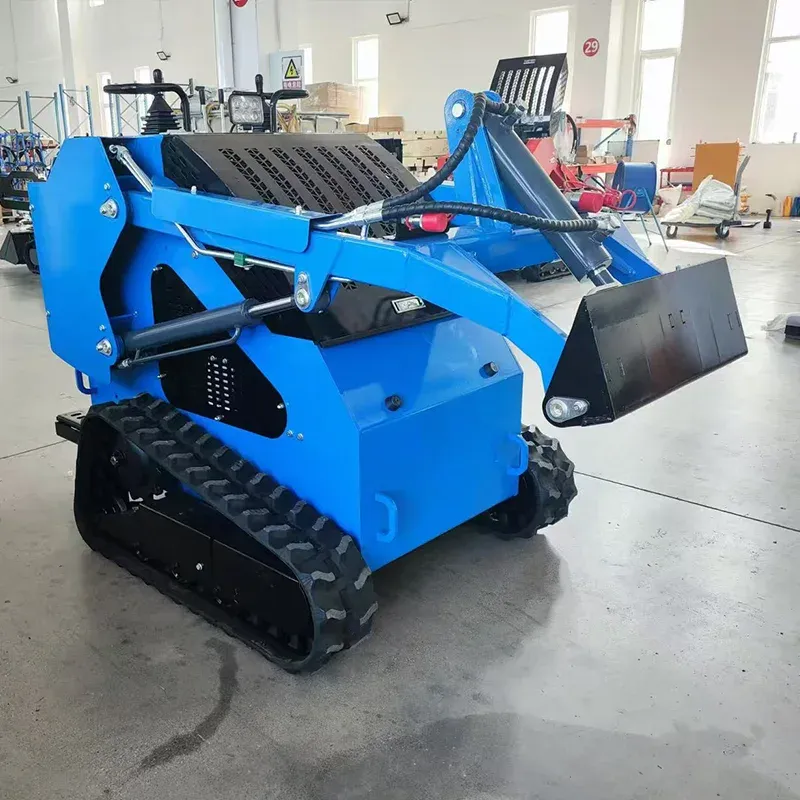
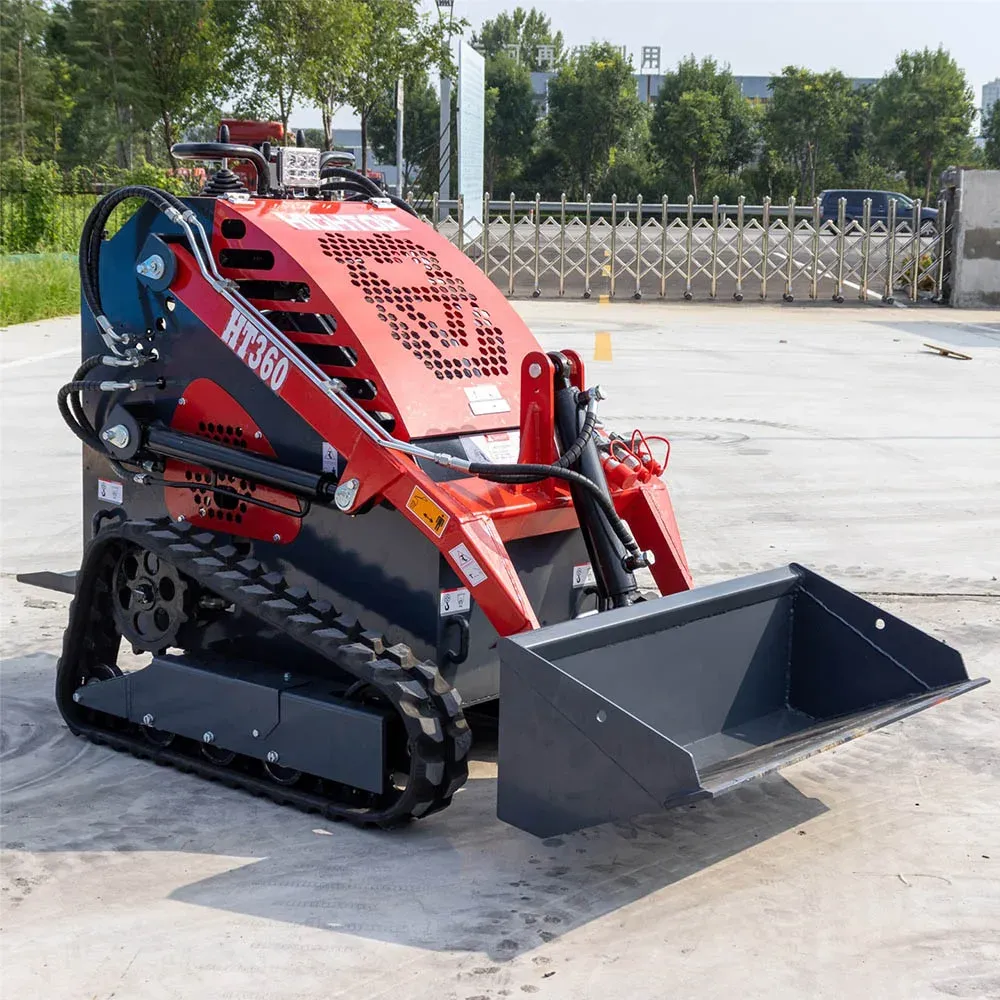
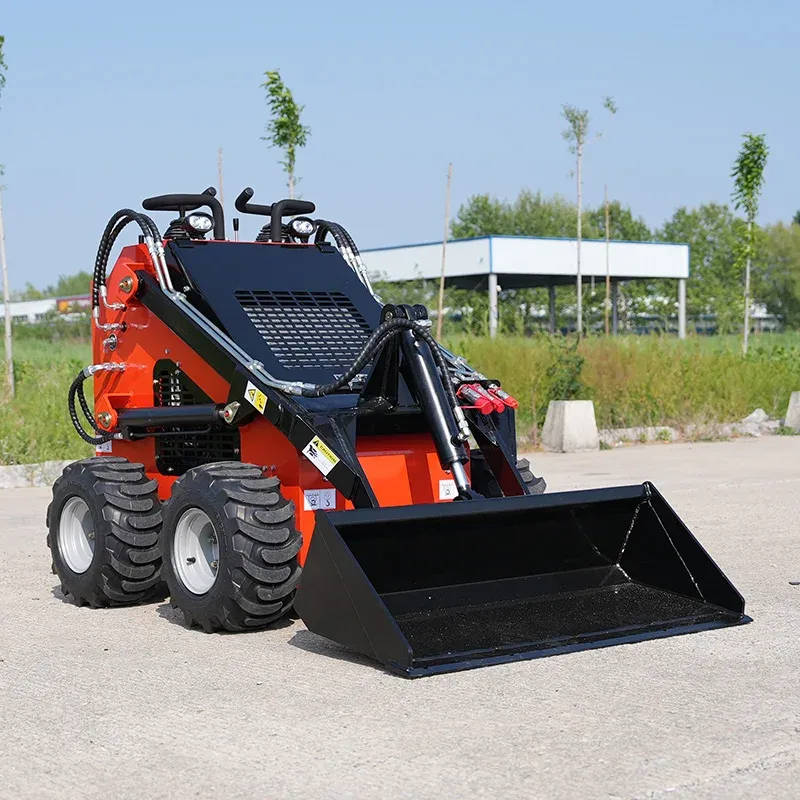
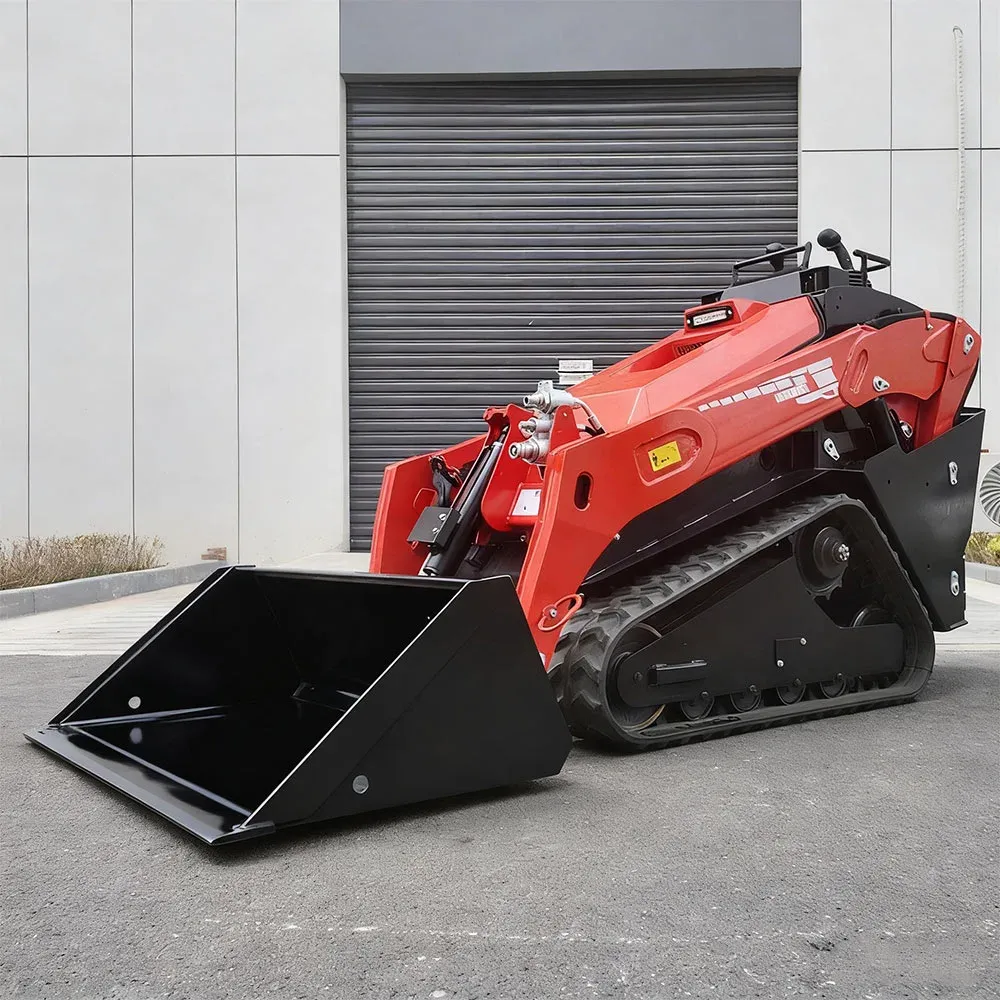
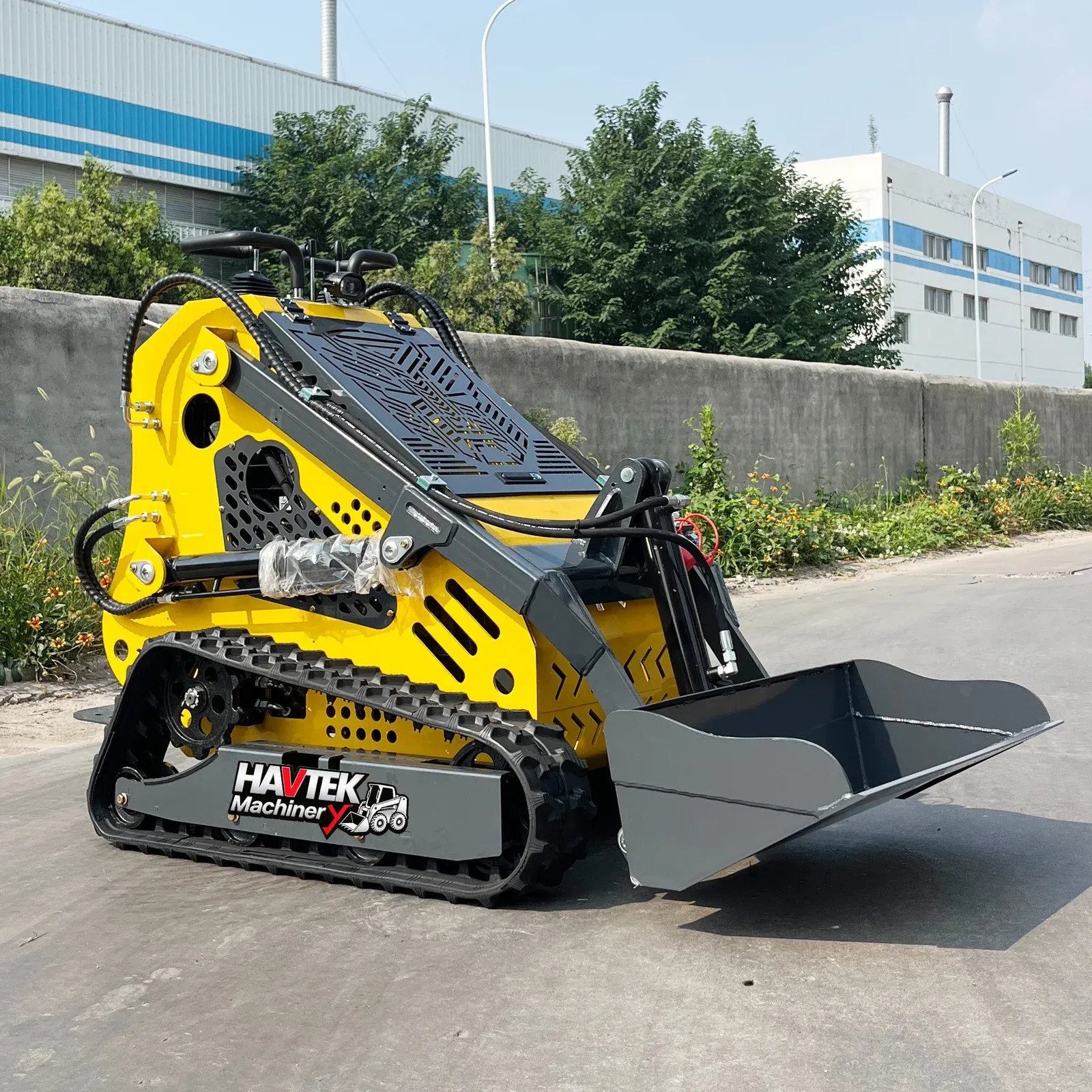
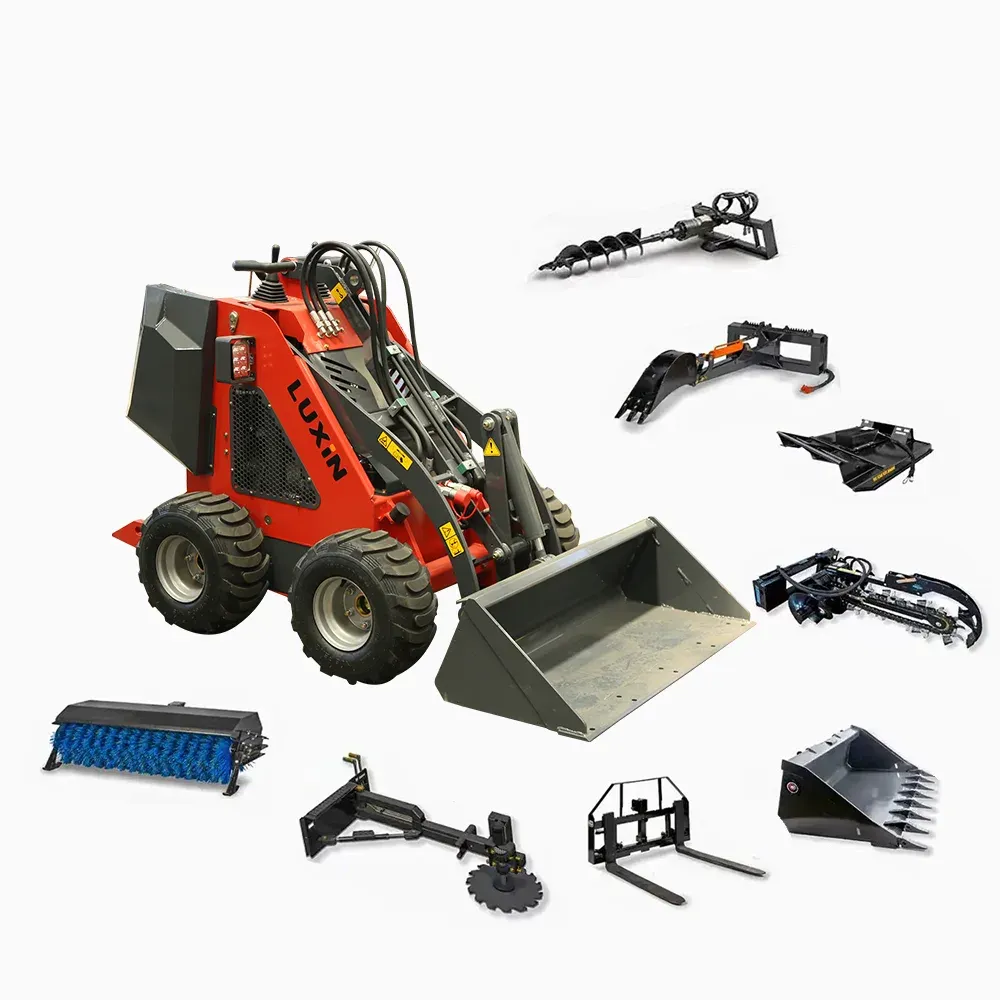
| Skid steer loaders | Wheeled and tracked mini loaders | 620–1,500 kg machine weight | Yards, farms, light building |
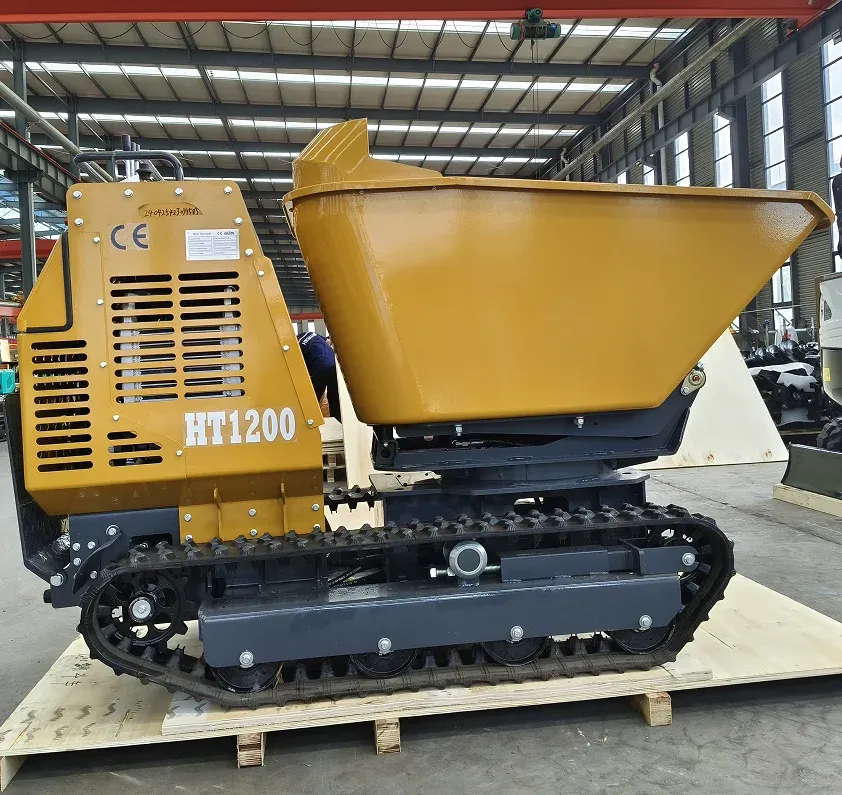
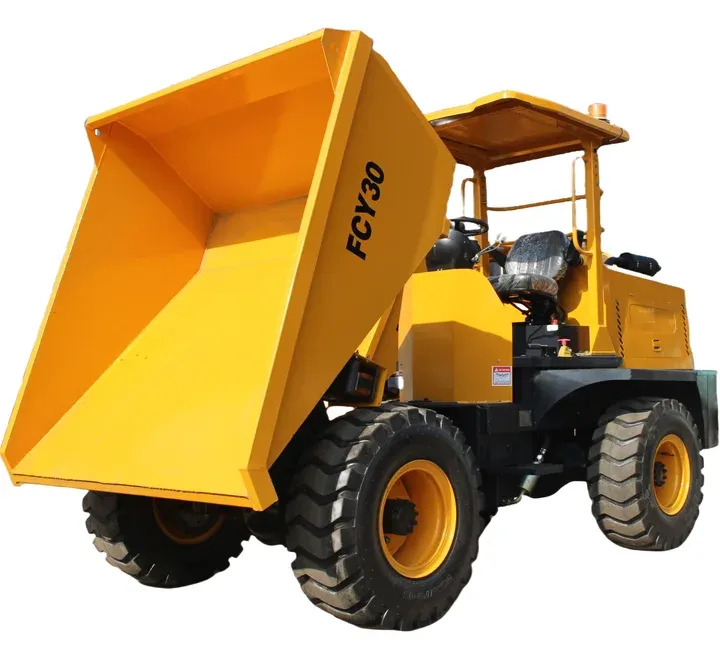
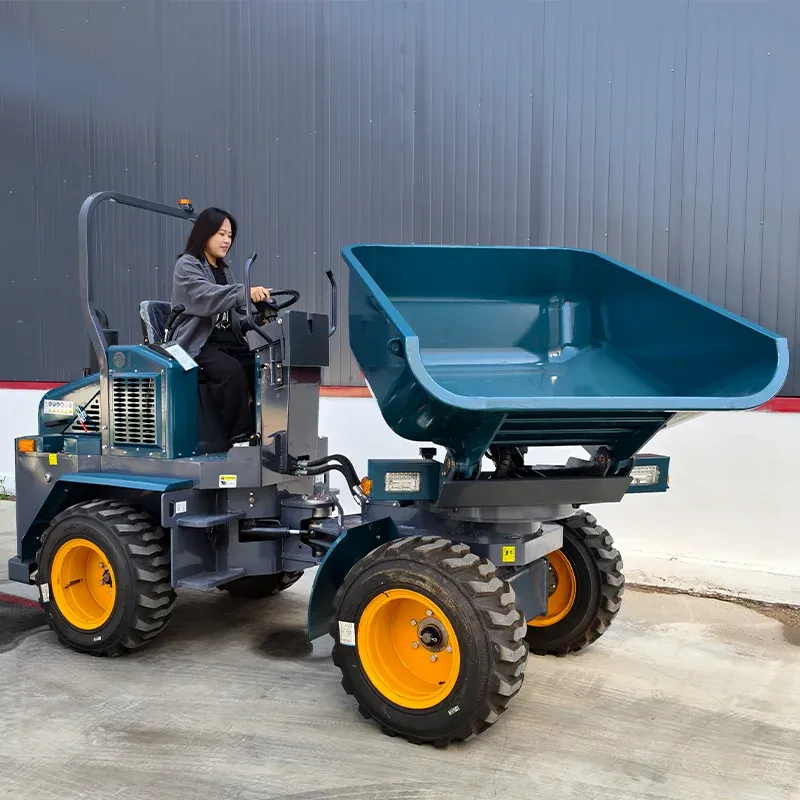
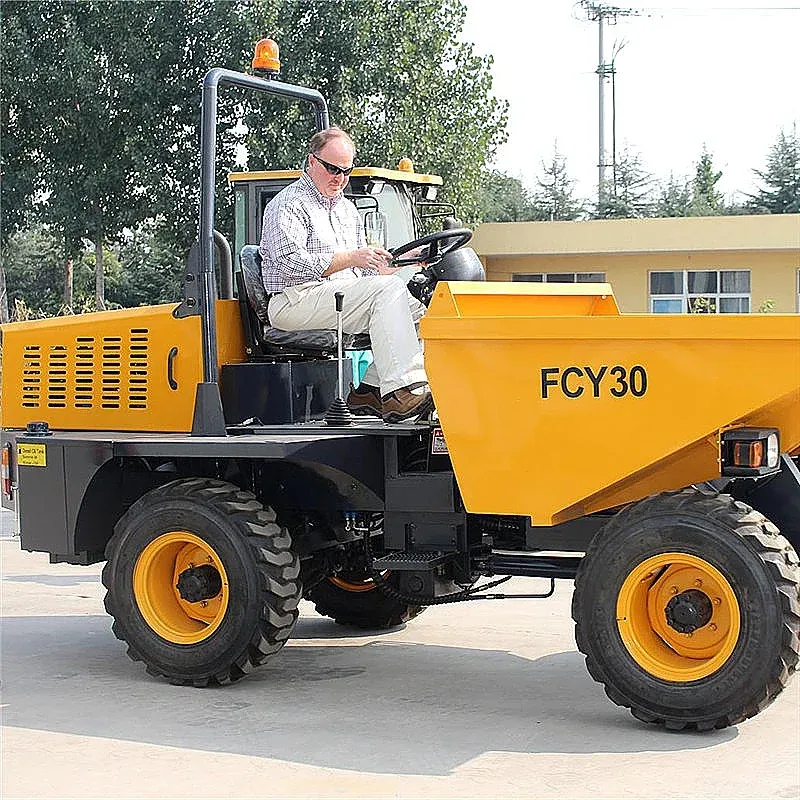
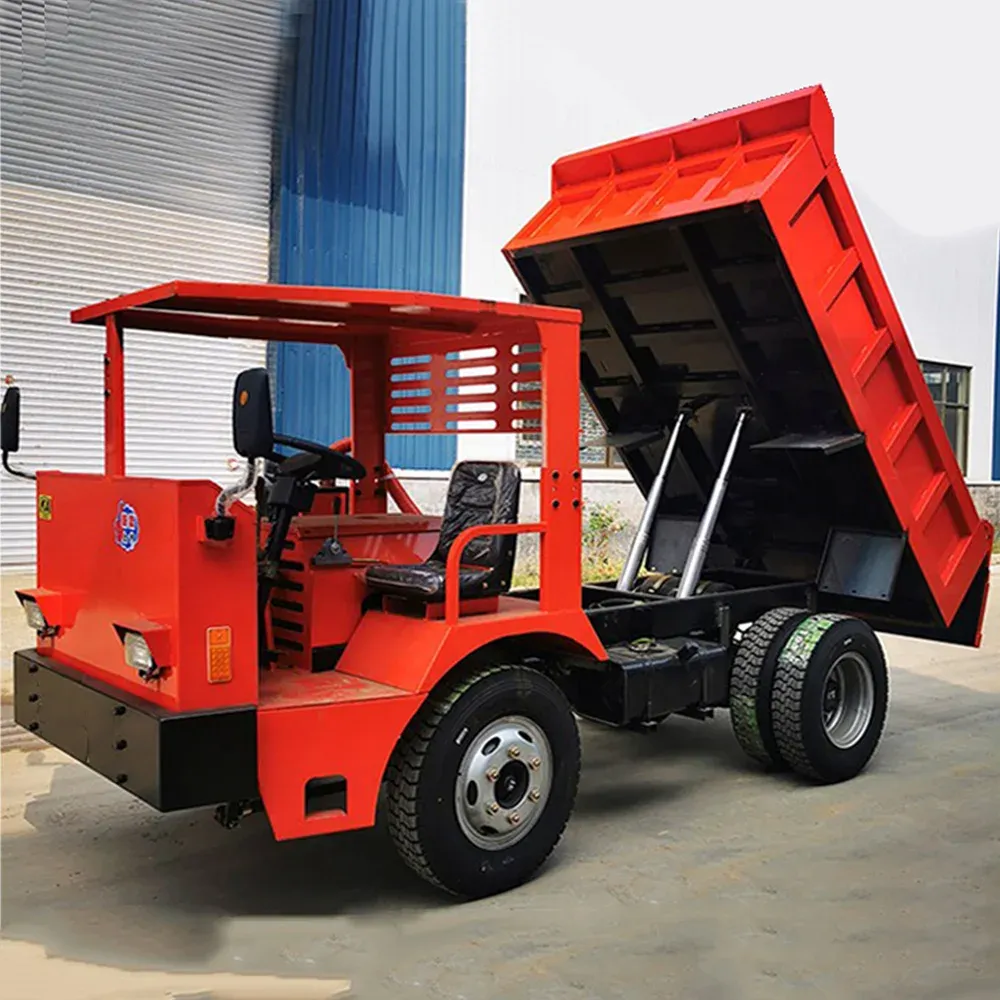
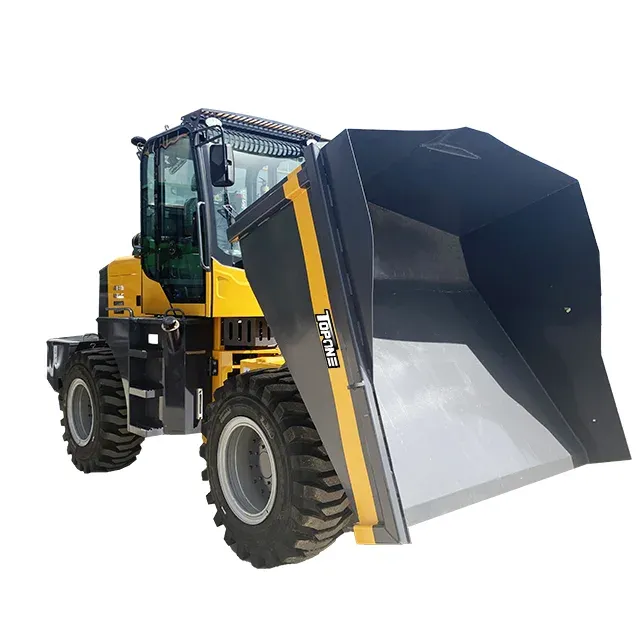
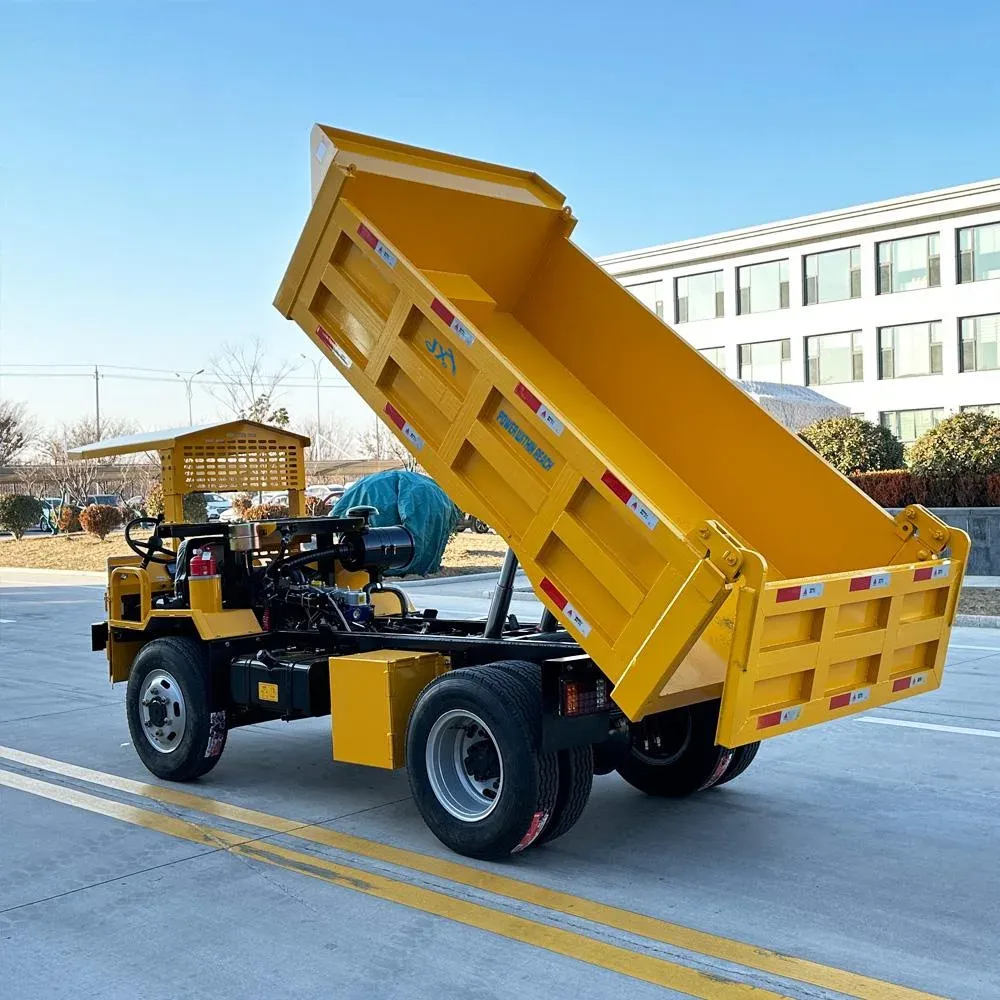
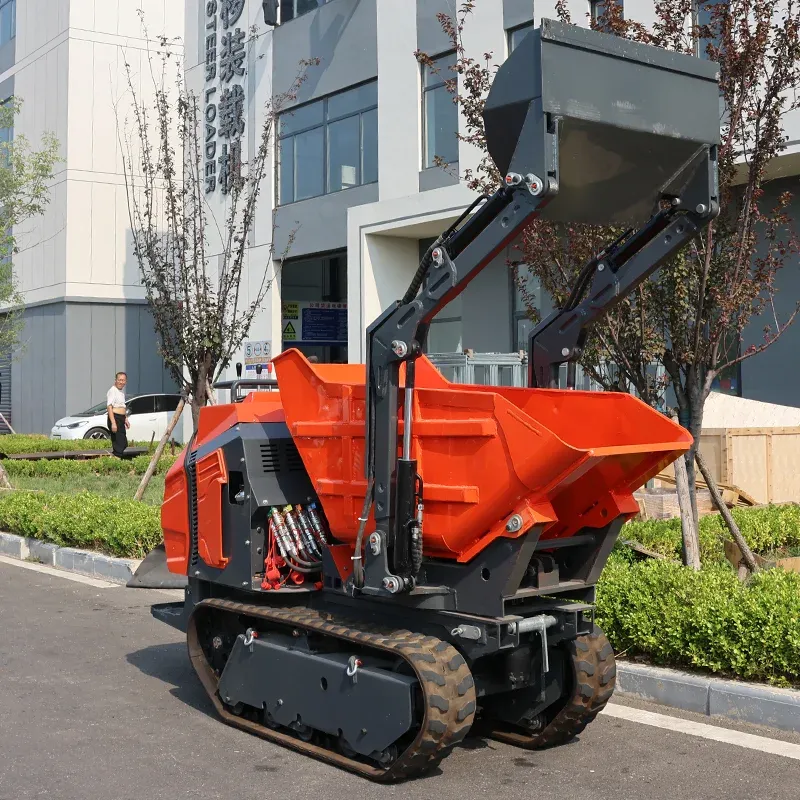
| Site dumpers | Wheeled and tracked carriers, some with loaders | Small crawler to 6–8 t class | Moving soil, rock, concrete |
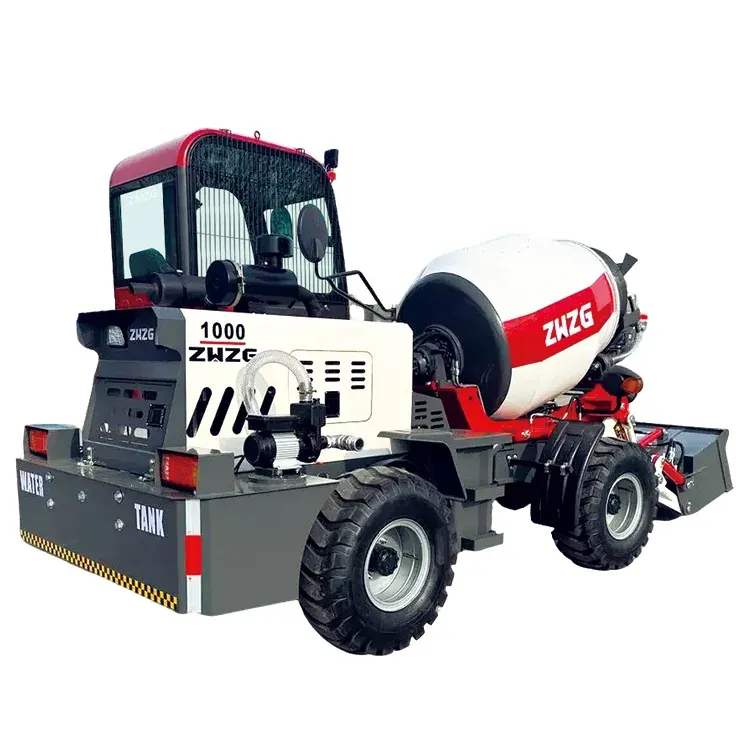
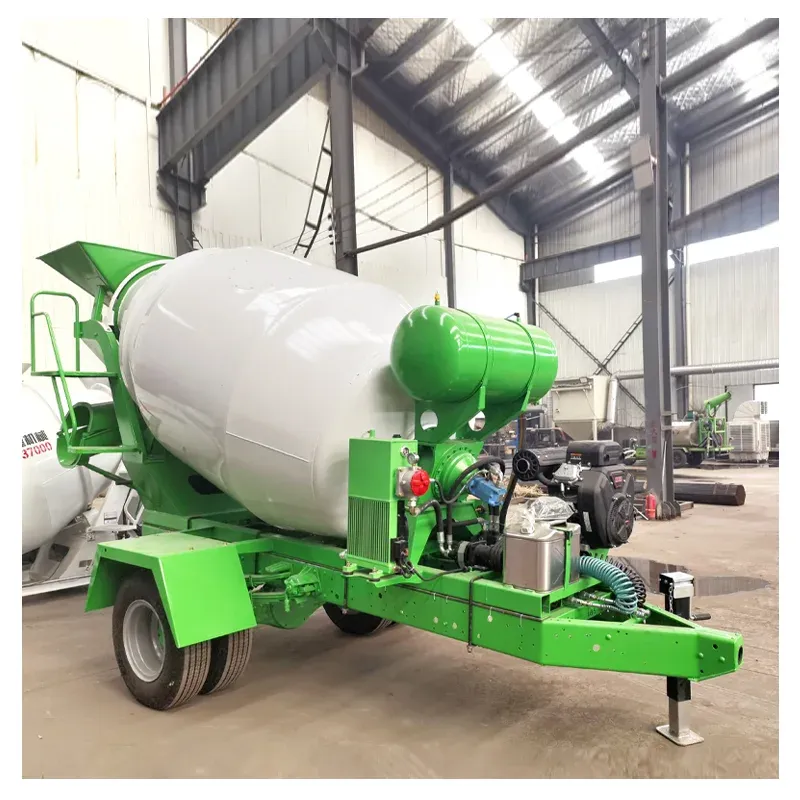
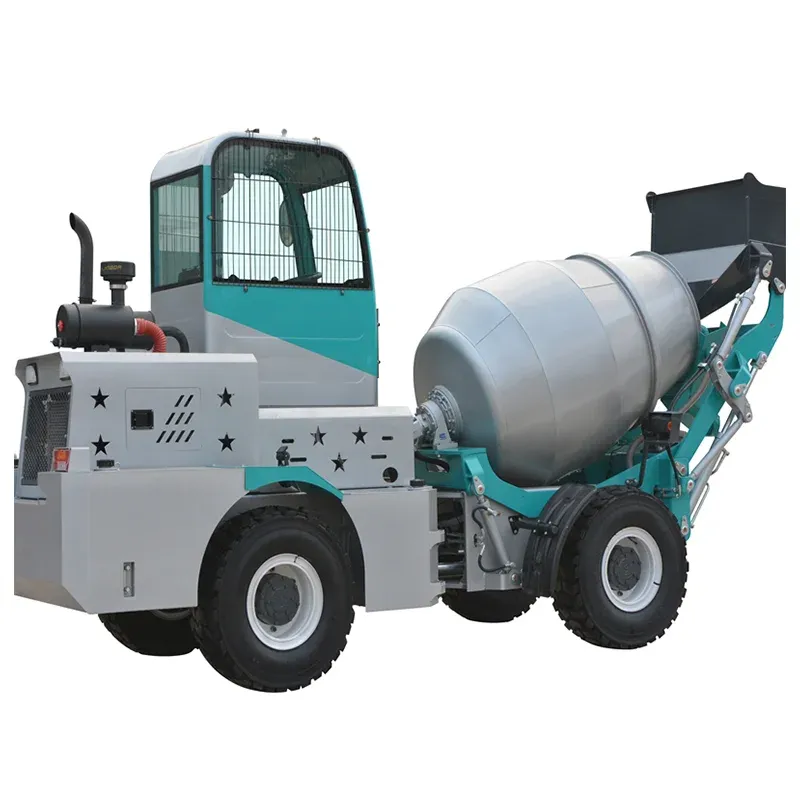
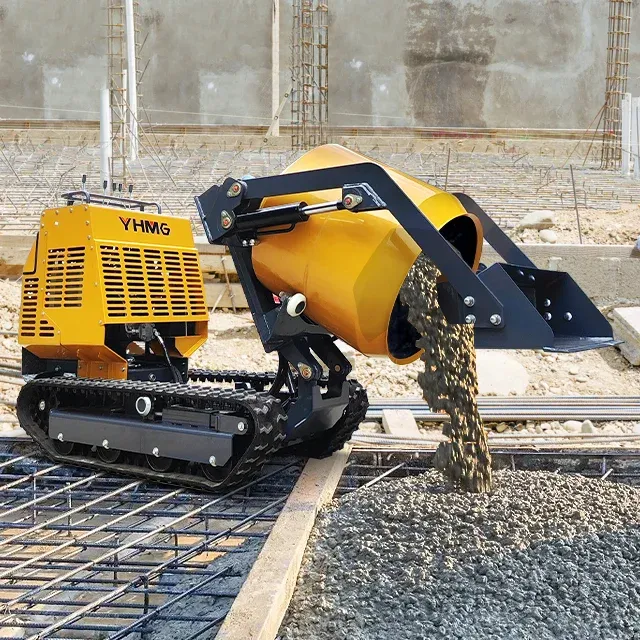
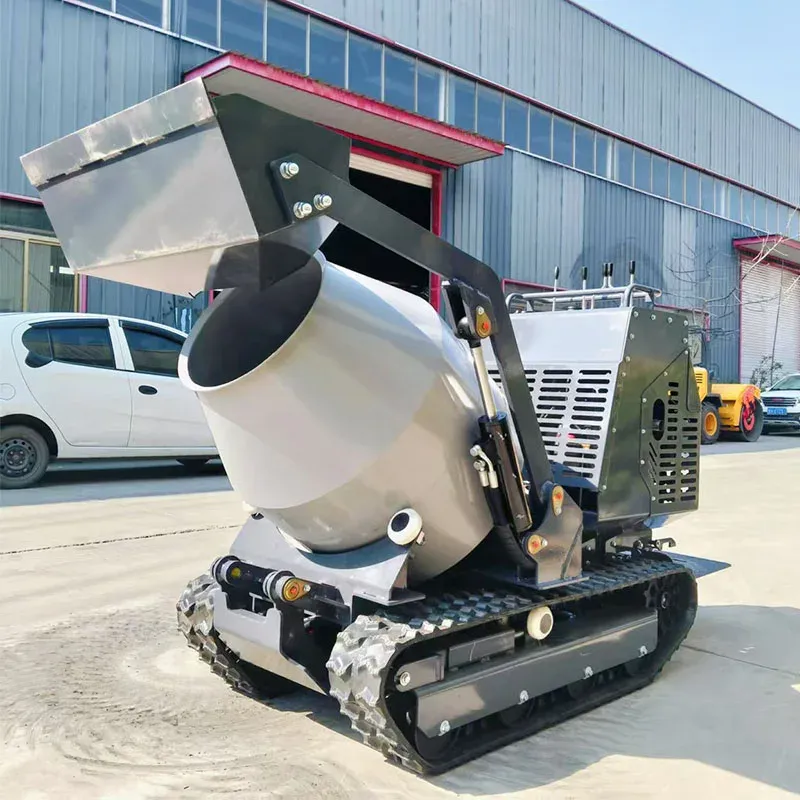
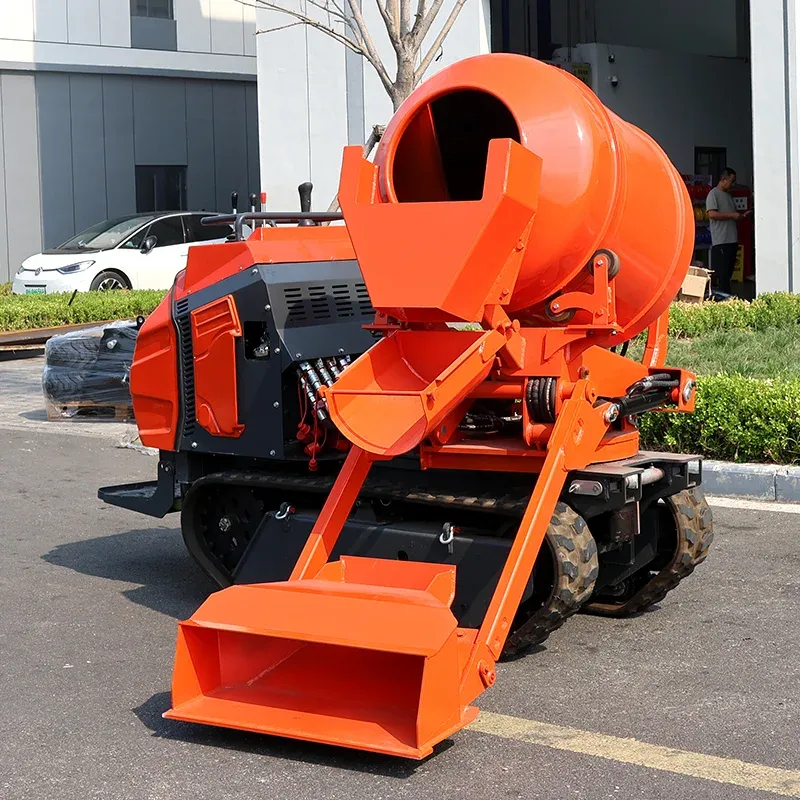
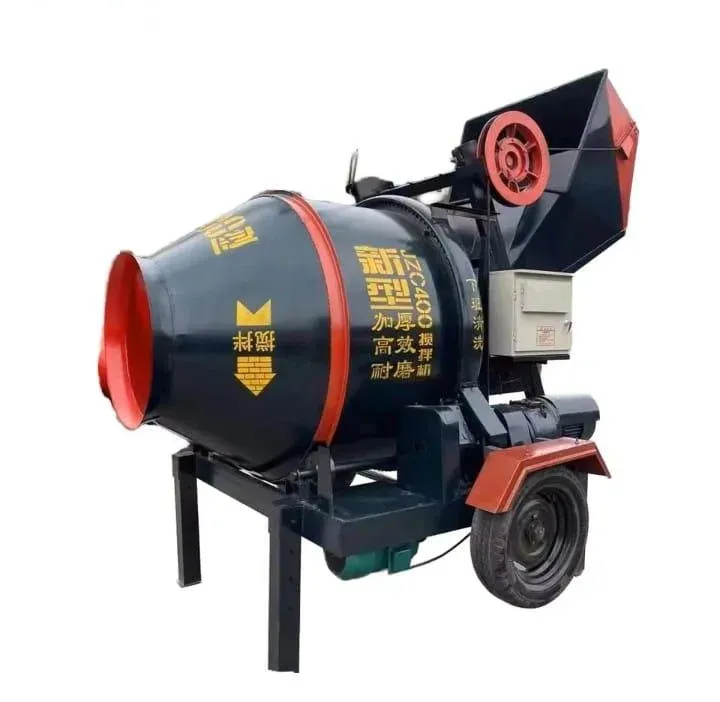
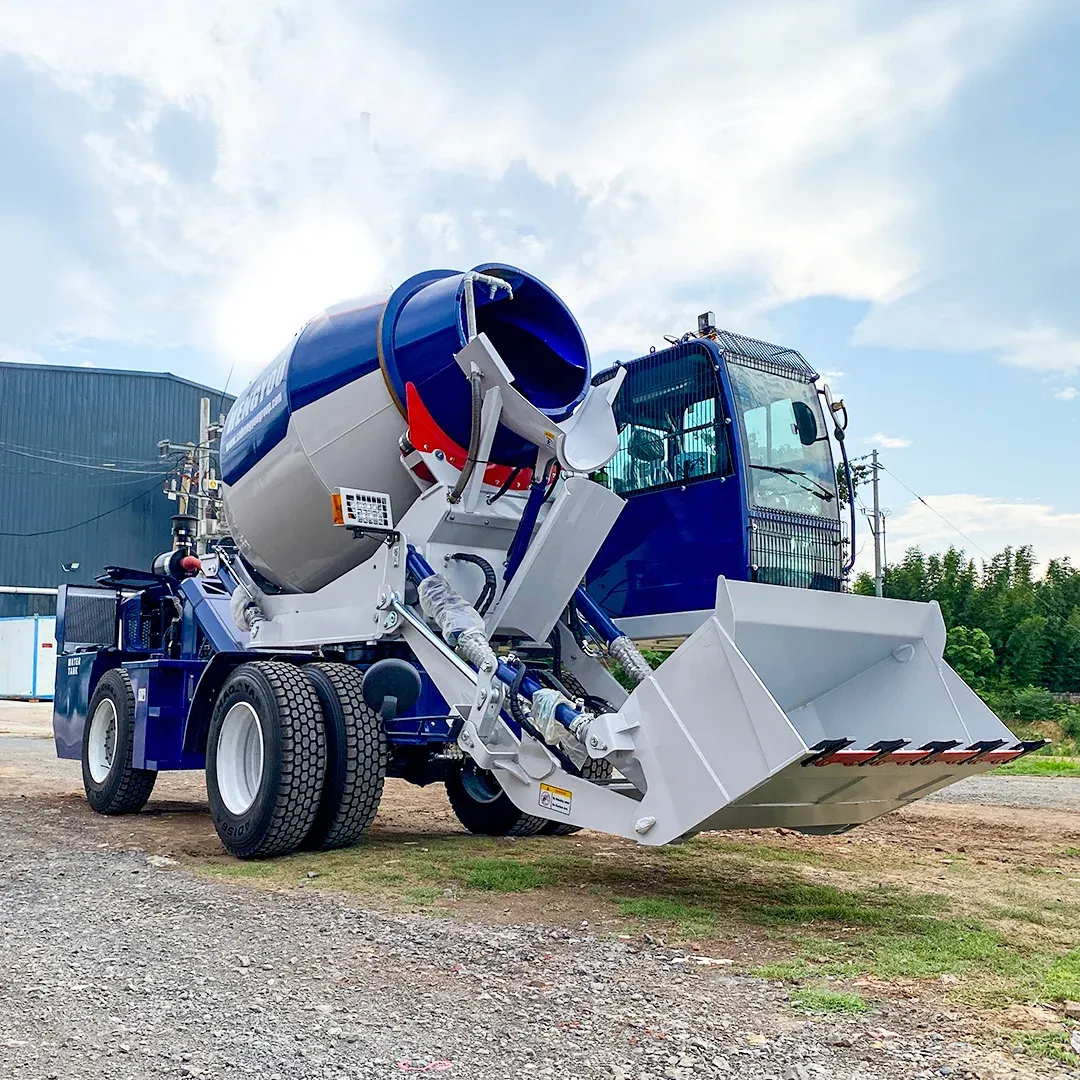
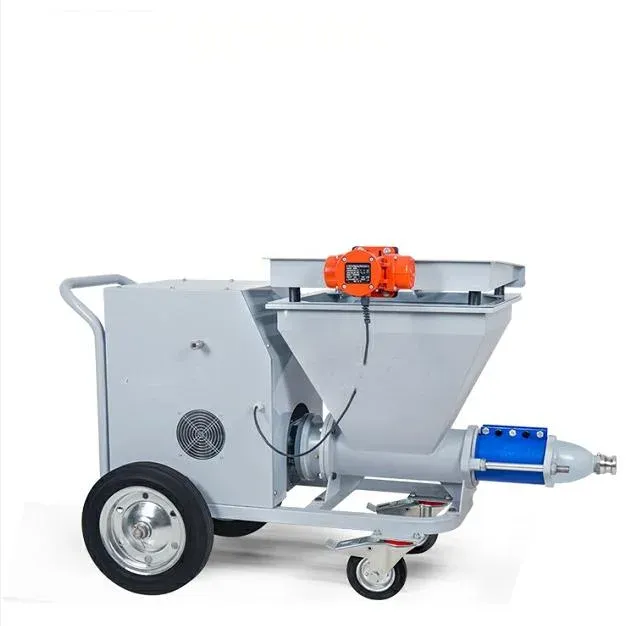
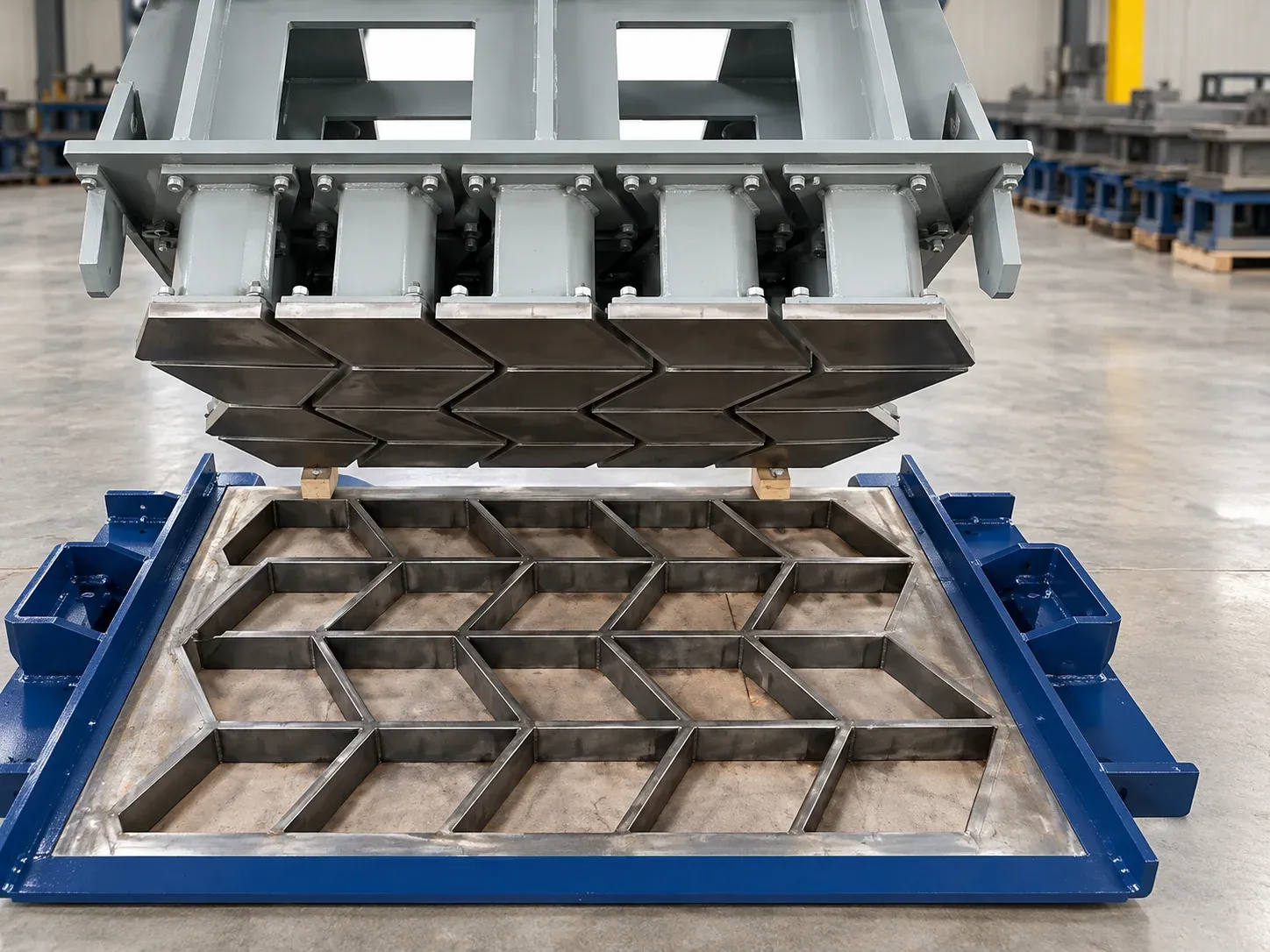
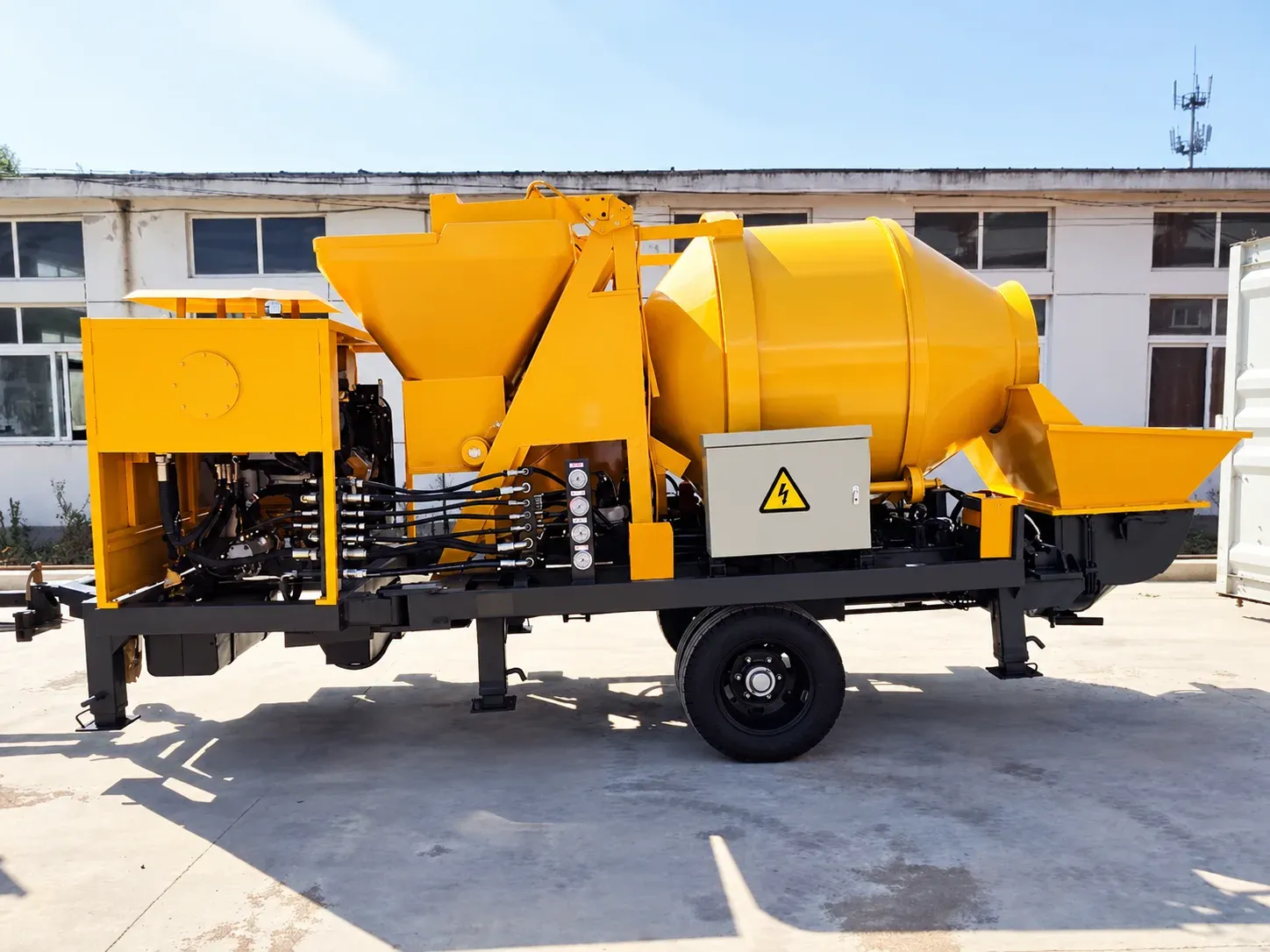
| Concrete equipment | Self-loading mixers, pumps, block molds | 300 L to 6.5 m³ | Small contractors, rural pours |
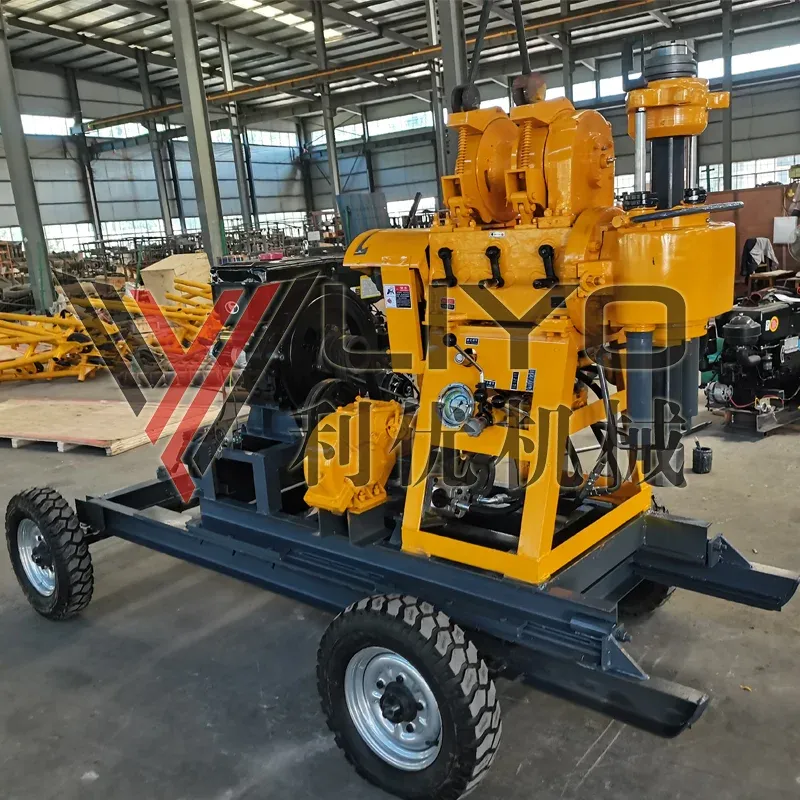
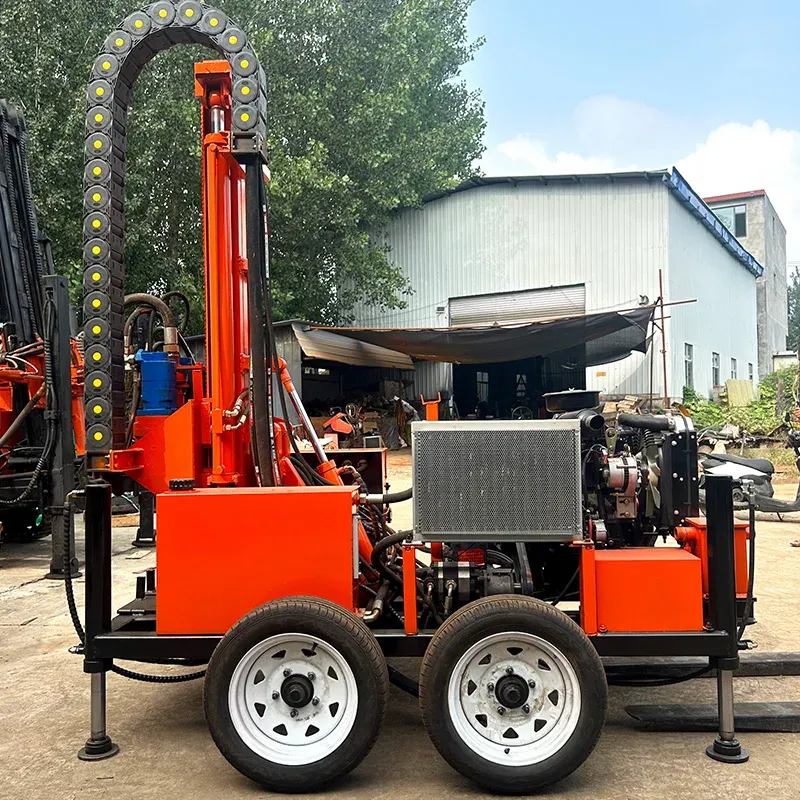
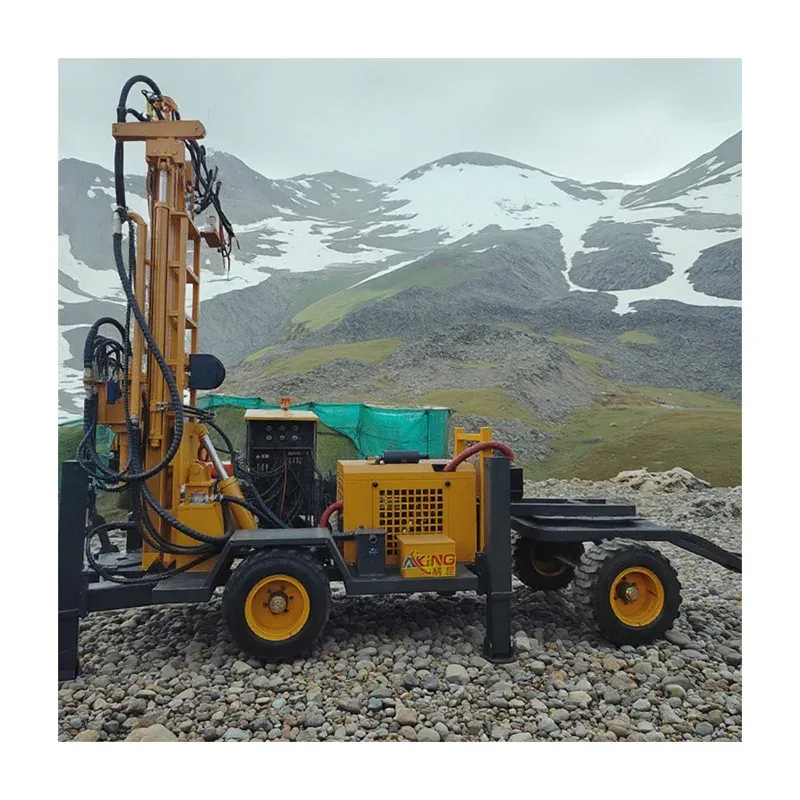
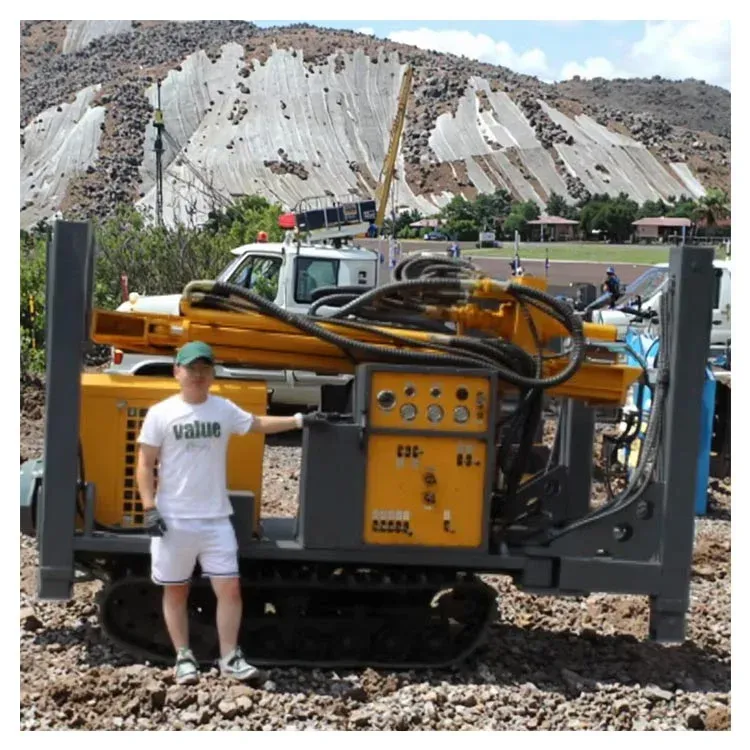
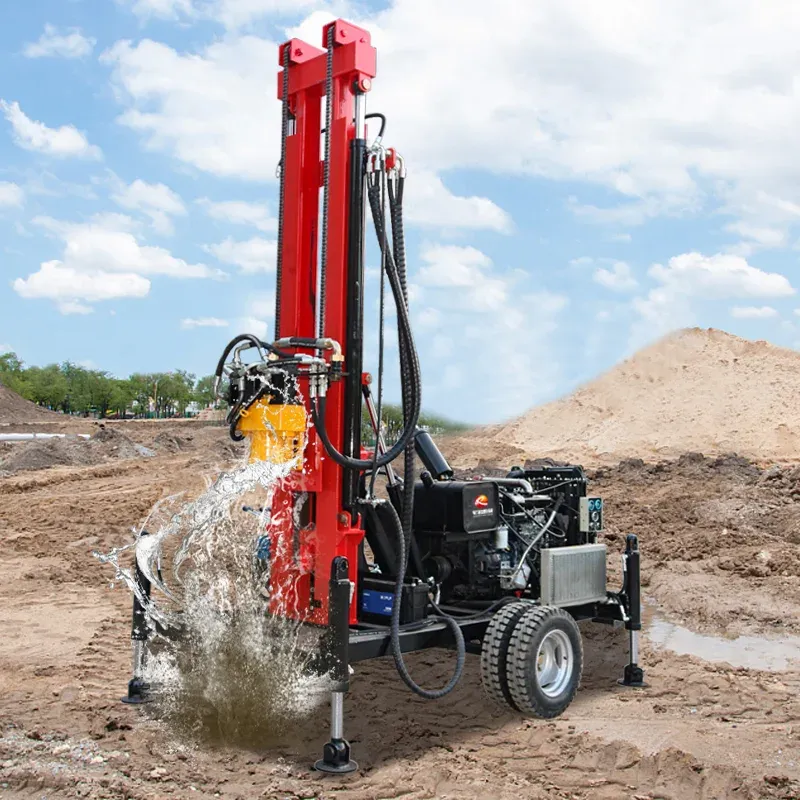
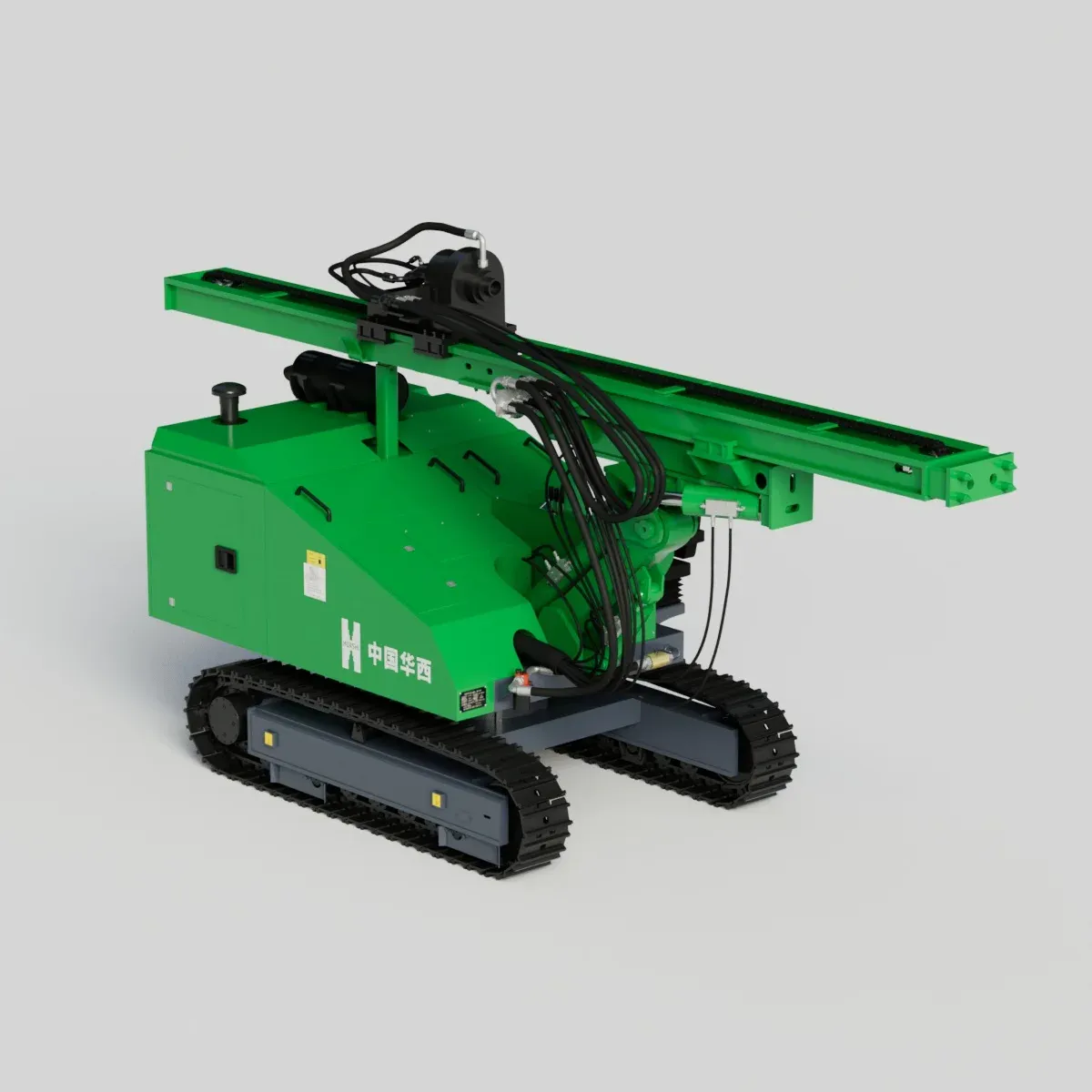
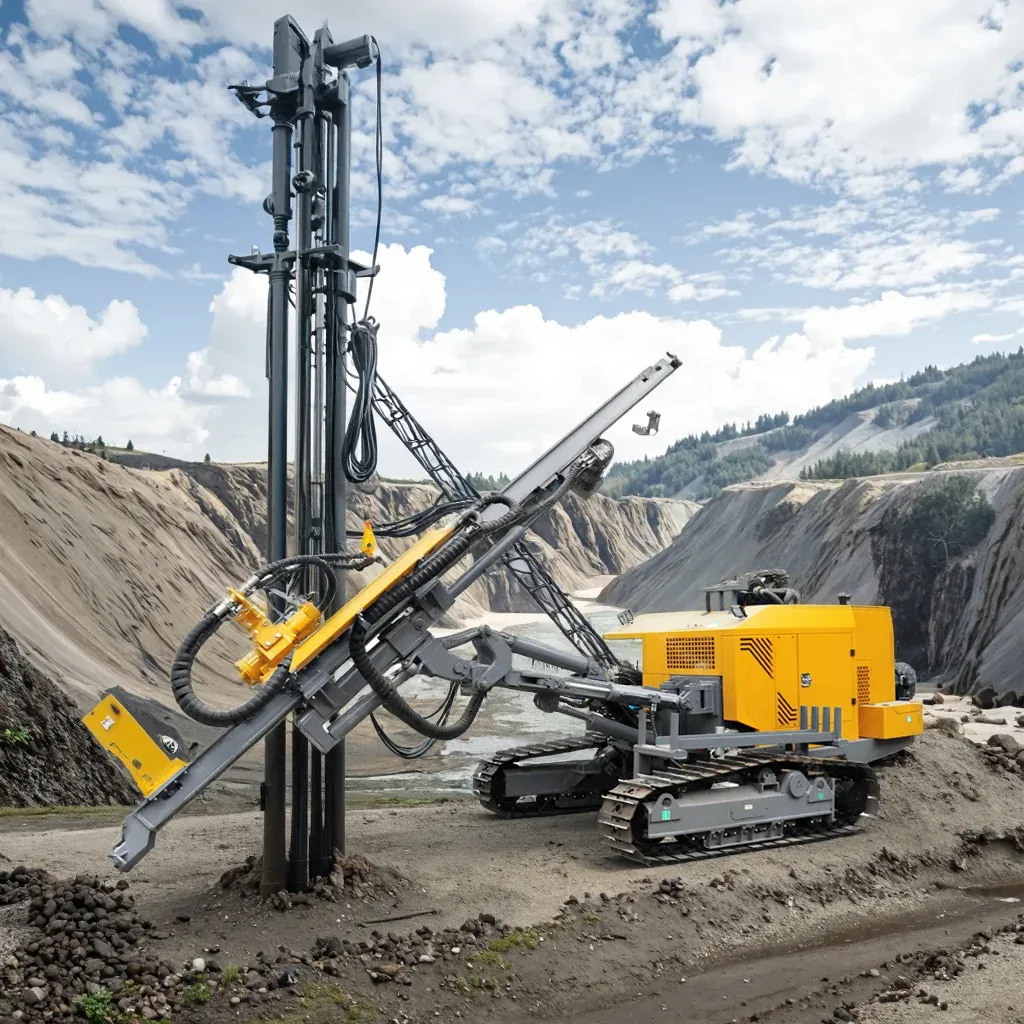
| Drilling rigs | Water well, core and blast-hole rigs | 30 m to 600 m stated depths | Boreholes, exploration, quarries |
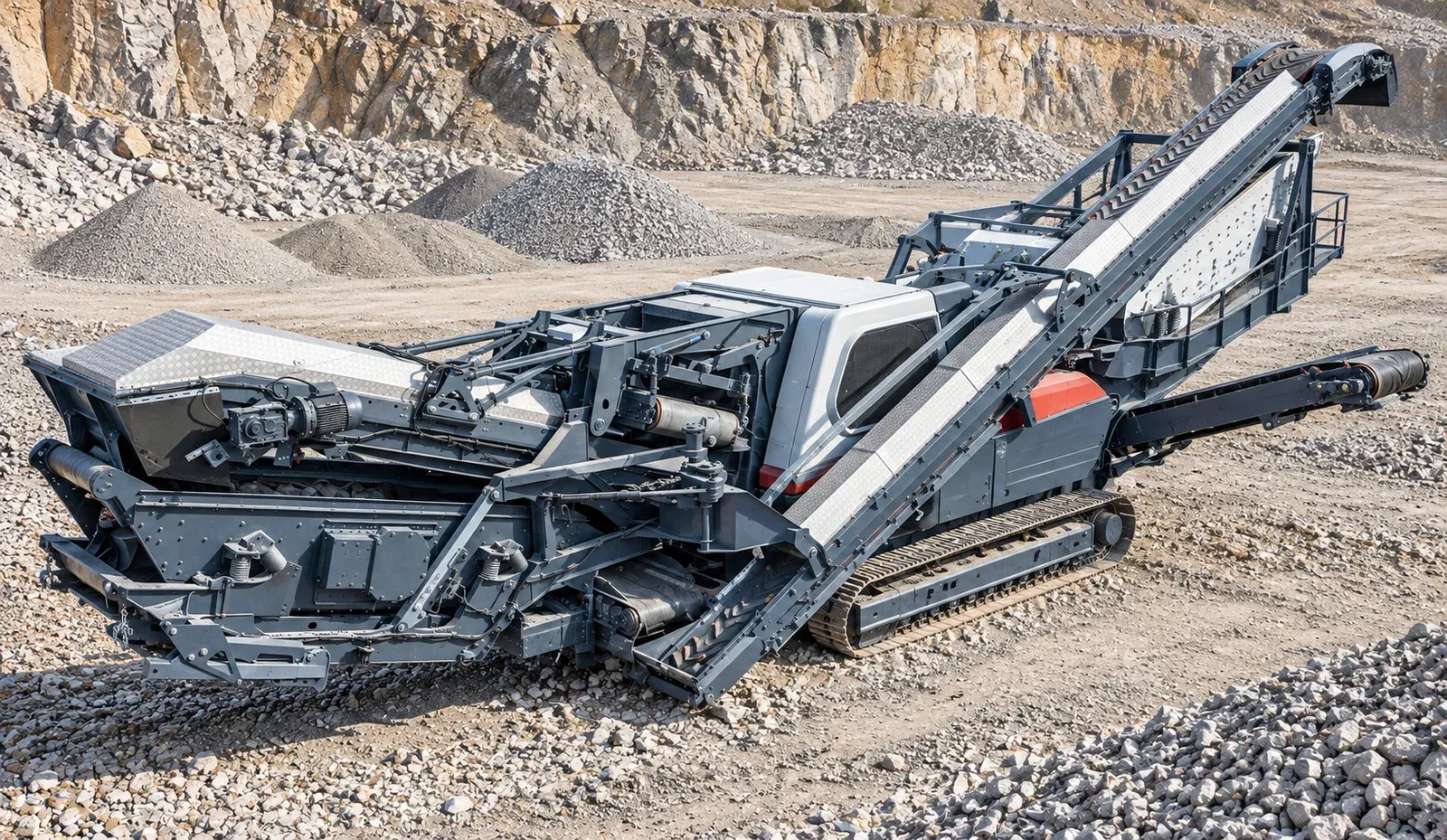
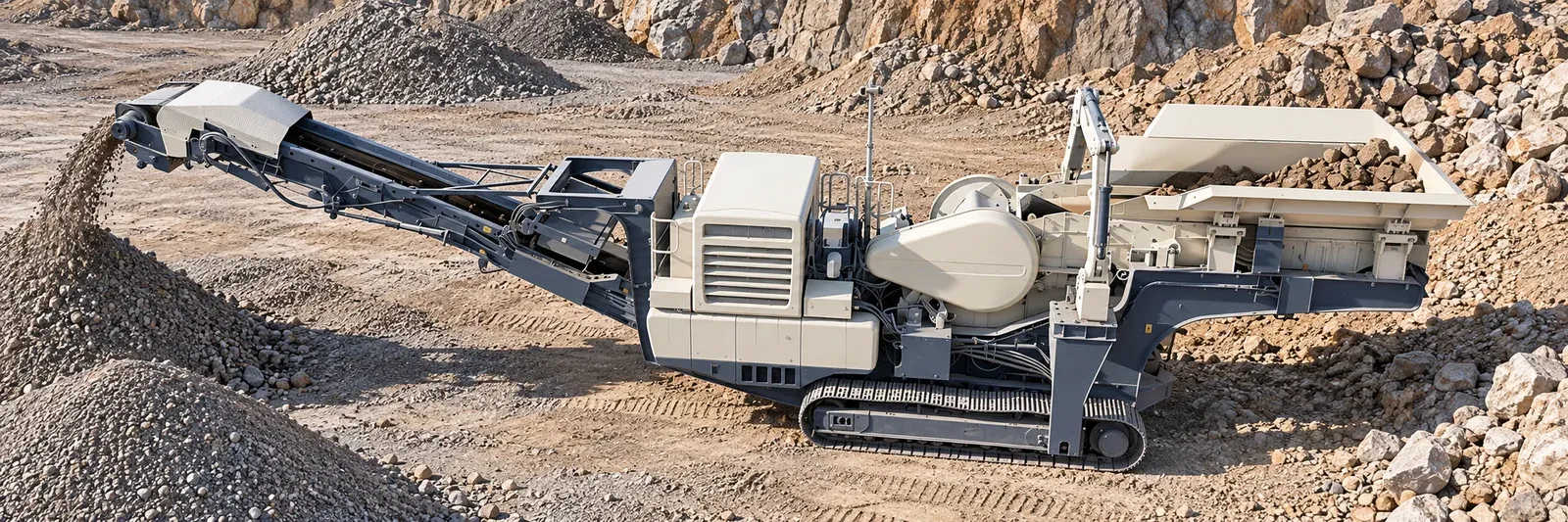
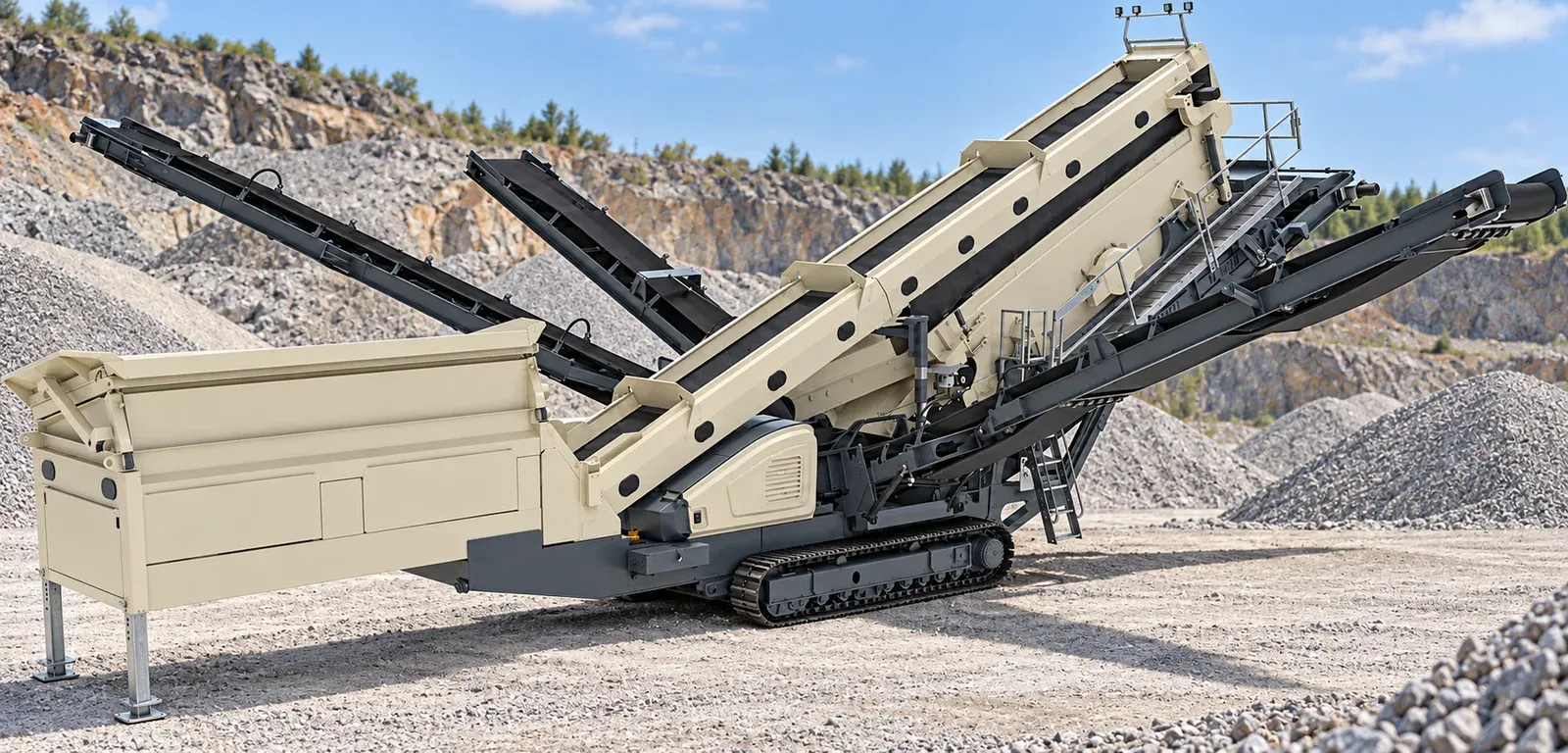
| Crushing and screening | Crawler jaw, impact and screening plants | Three plants | Aggregate, recycling |
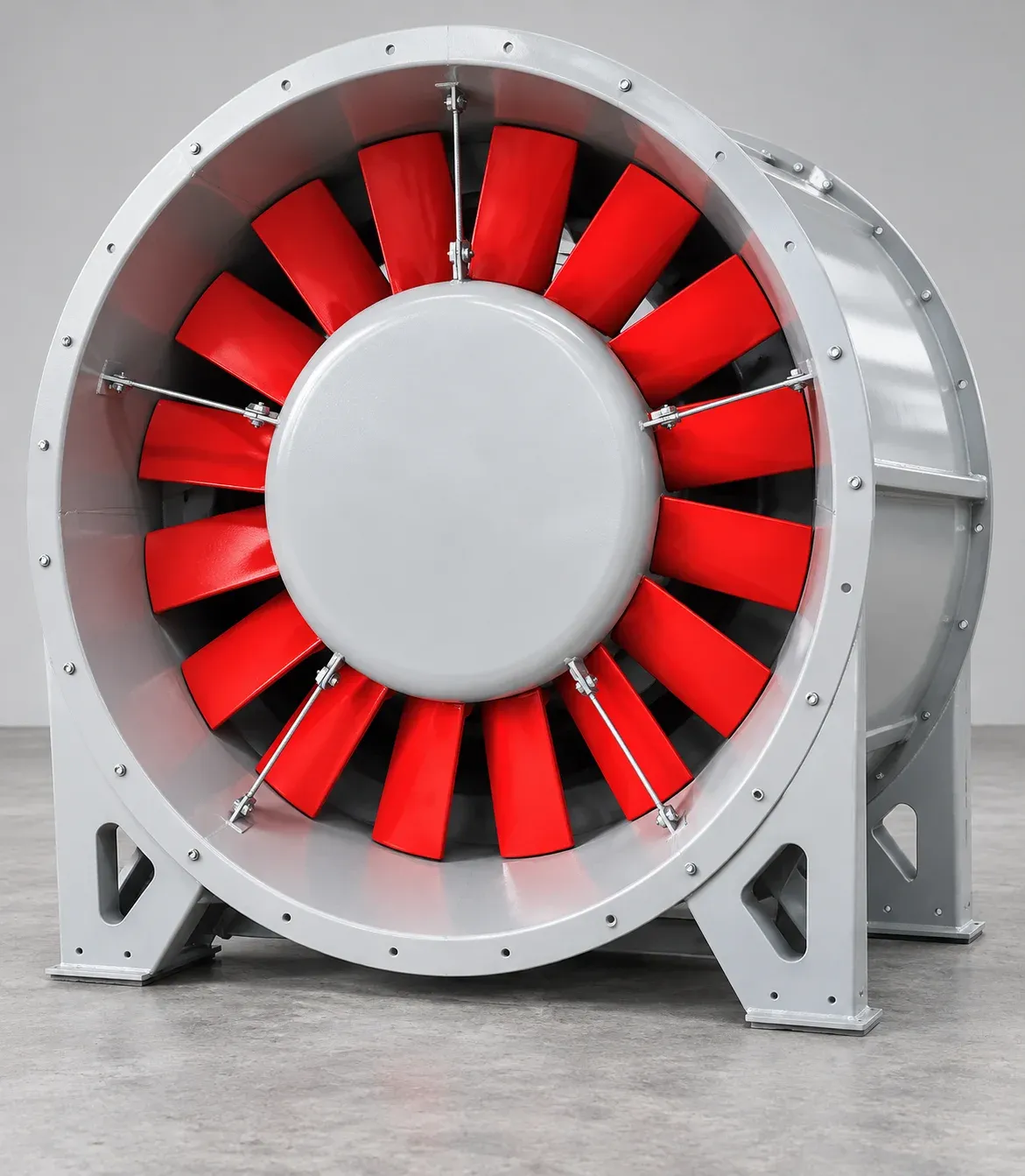
| Mine ventilation | Main and auxiliary fans | Designed to airflow and pressure | Underground mines |
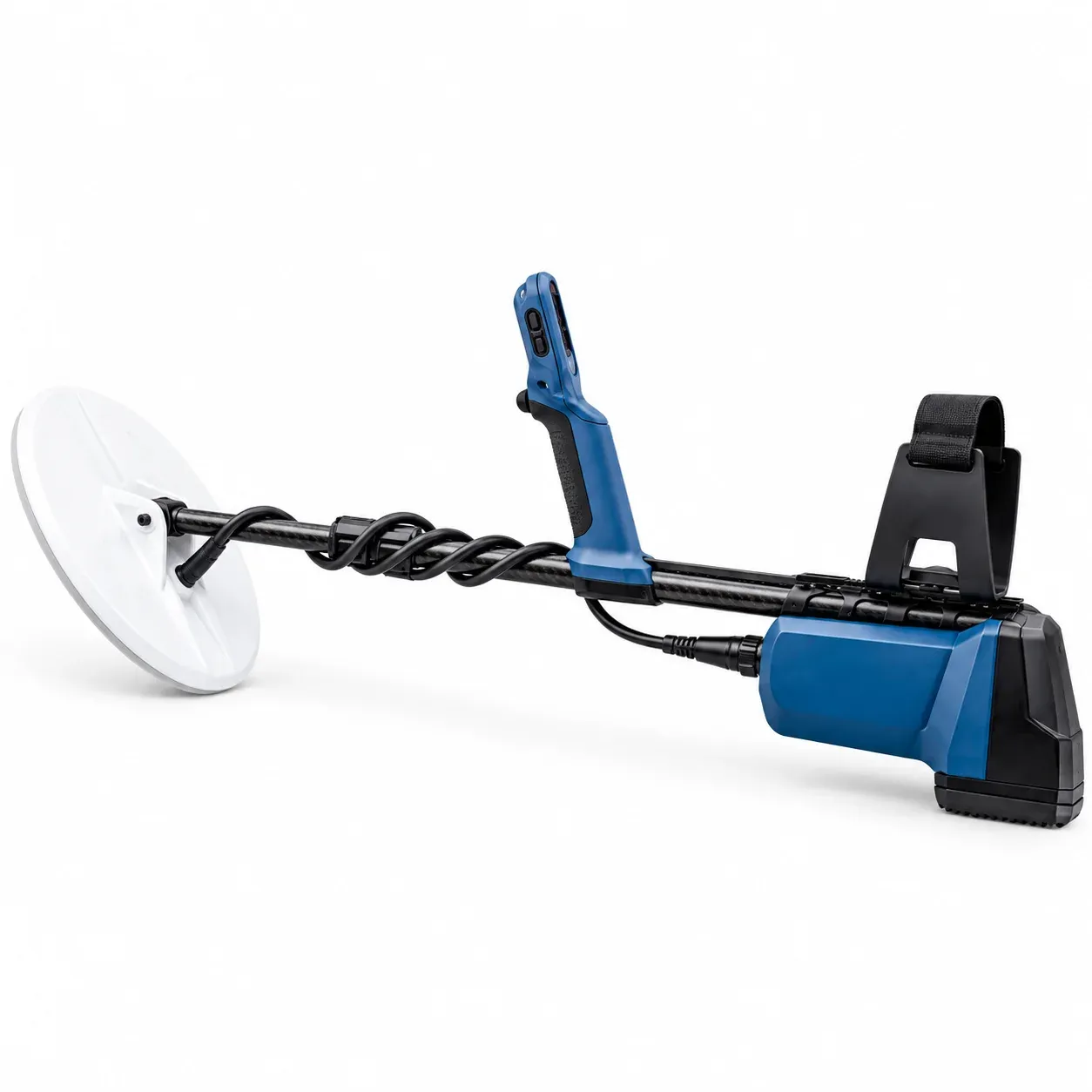
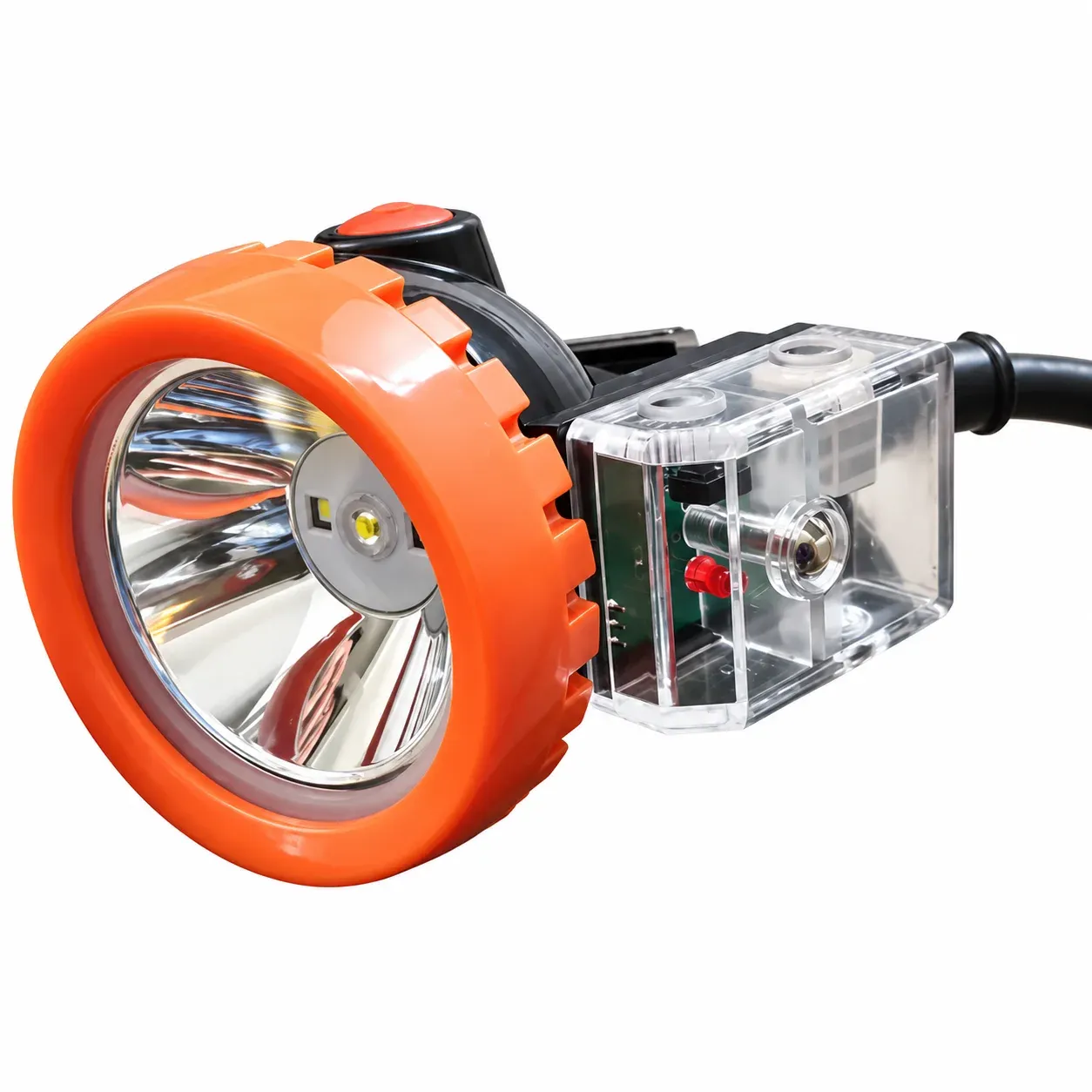
| Mining lamps and detectors | Cap lamp with methane alarm, gold detector | Handheld | Underground staff, prospectors |
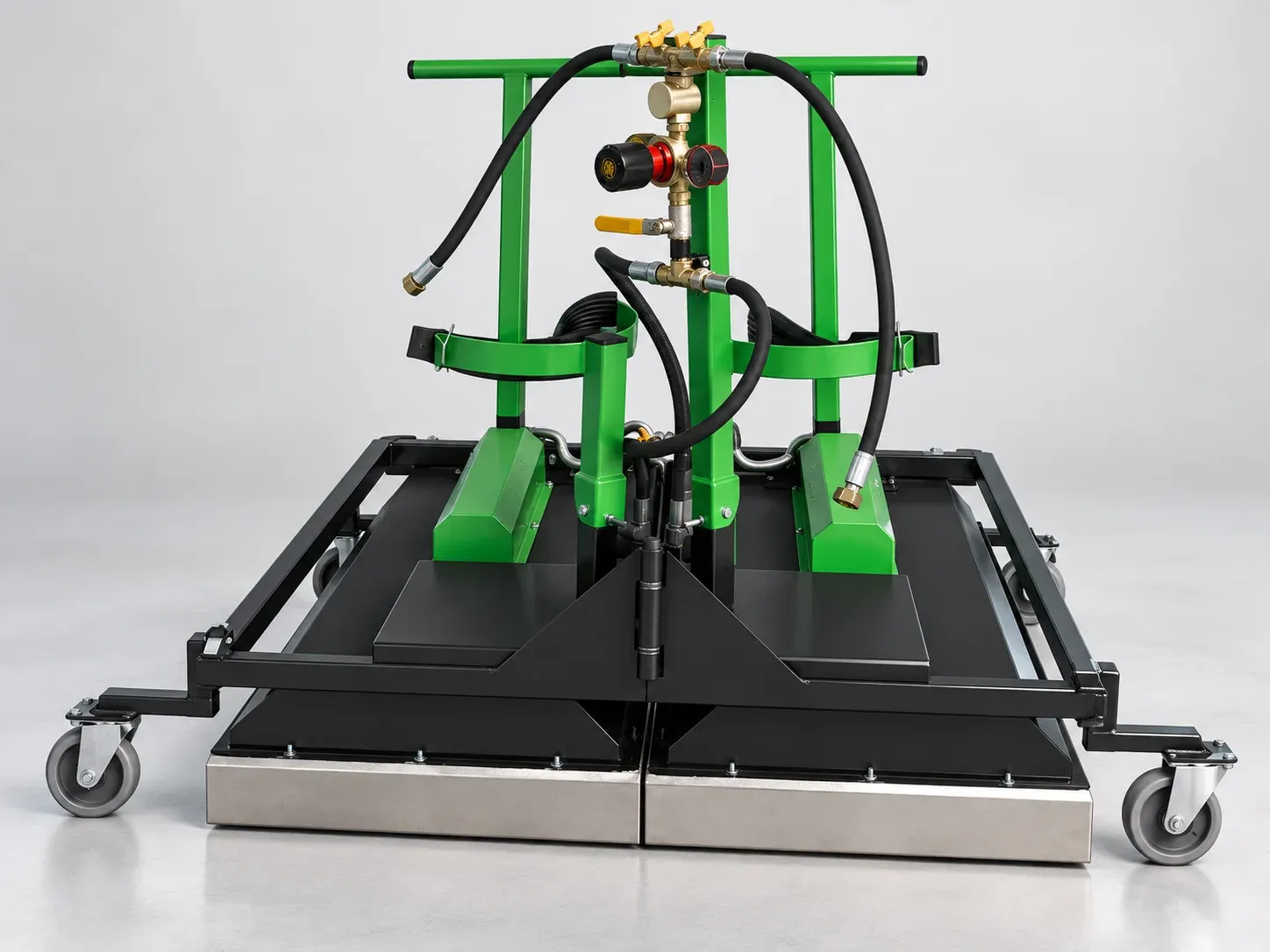
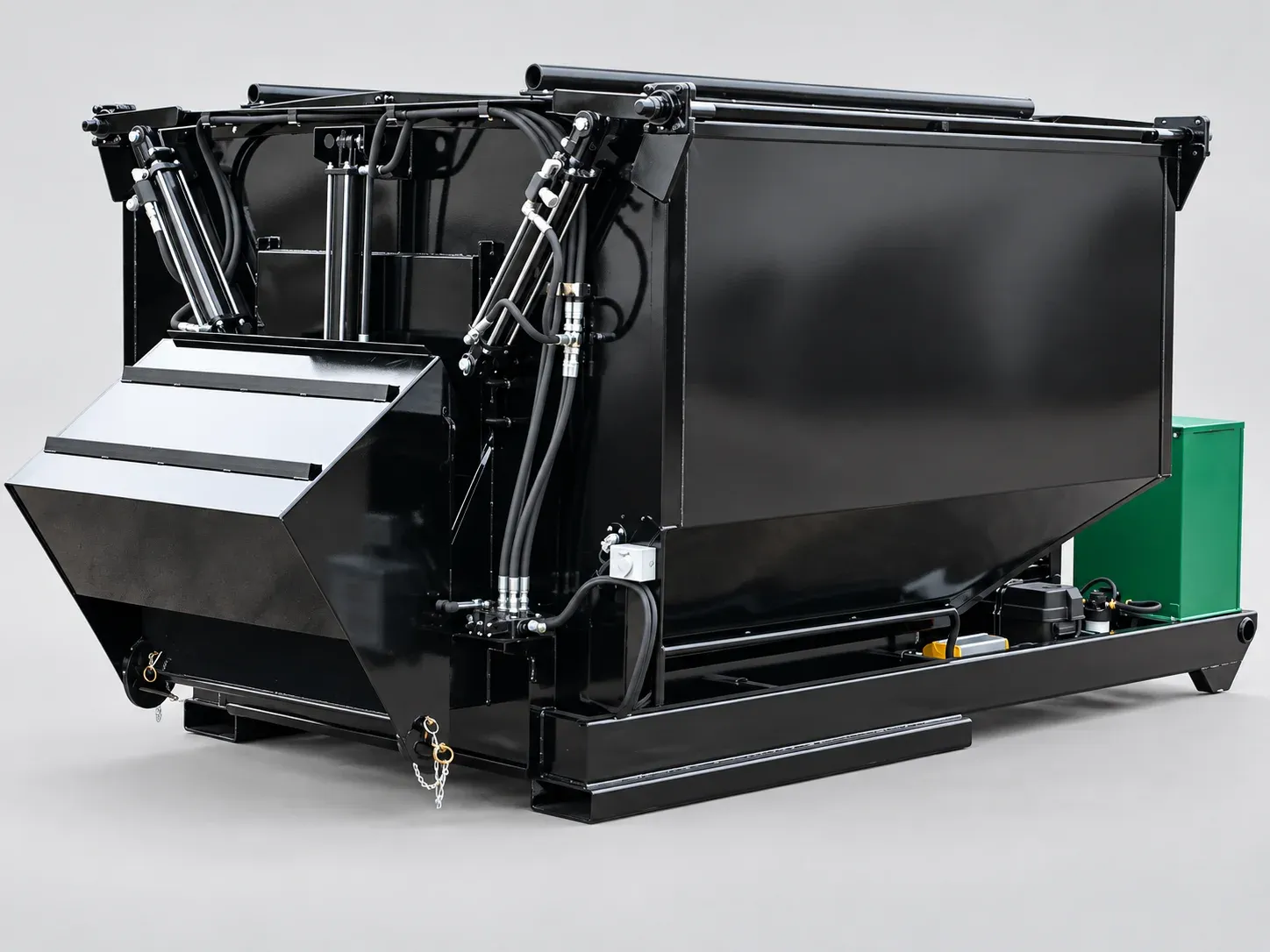
| Road maintenance | Asphalt heater and hot box | Portable and truck-mounted | Patching and repair crews |
How to choose between groups
Match machine and logistics first. A small contractor who digs, hauls and pours often needs three machines at the lower end of the table rather than one large one. A mini excavator clears the trench, a site dumper moves the spoil, and a self-loading mixer makes the concrete on site; the self-loading mixer guide covers that decision in depth.
For stone, the sequence is drill, crush, screen. A mobile jaw crusher plant breaks primary rock and a screening plant sizes it. Whether to add an impact crusher is a separate question, explained in jaw vs impact crusher. For borehole work, how to choose a water well rig compares depth, diameter and drive type, and our 200 m diesel water well rig is a typical entry point.
Compact on purpose
The range leans compact on purpose. Large fleet machines are bought through long tenders; most of our buyers are contractors, farms, drilling firms, small quarries and municipal crews who need a machine that fits a trailer, a gate or a tunnel face and that local mechanics can service. That is why the table stops at mini and mid-size units, with a clear statement on each group page of what the range does and does not cover. Where a group is small, such as ventilation or road maintenance, the page says so and works as a buyer guide for the category rather than a catalogue.
Power, climate and site notes
Most dumpers and drilling rigs are diesel and need nothing but fuel; mini excavators can be battery-electric, where charging voltage and frequency (for example 230 V 50 Hz versus 120 V 60 Hz) must match the site. One hydraulic rotary rig uses a 75 kW electric motor, so a generator or grid supply is part of that purchase. Hot, dusty or high-altitude sites affect cooling and air filters, and underground work needs low-profile machines plus ventilation and methane-aware lighting. Tell us the conditions up front.
What to send for a quote
- The task and daily volume: trench metres, tonnes carried, cubic metres poured, borehole depth.
- Site access: gate widths, ramps, tunnel cross-section.
- Power: fuel, mains voltage and frequency, or generator size.
- Climate, altitude and ground conditions.
- Destination port and the vehicle that will unload the machines.
One combined enquiry through the contact page lets us pack the right group of machines into a single shipment.