Start with the repair method
Most pavement repair equipment follows from one decision: how will you fill the hole? The usual options are cold patch from a bag, hot mix brought from a plant, or hot mix held on a truck for the whole shift. Cold patch is easy to carry and works in cold or damp weather, but it is generally considered a temporary repair. Hot mix is placed at roughly 150 °C and compacted while still hot, which gives a tighter, longer-lasting patch, provided the base is dry and the mix is still warm when it goes in. A hot box is simply what keeps the second option practical.
Our two machines
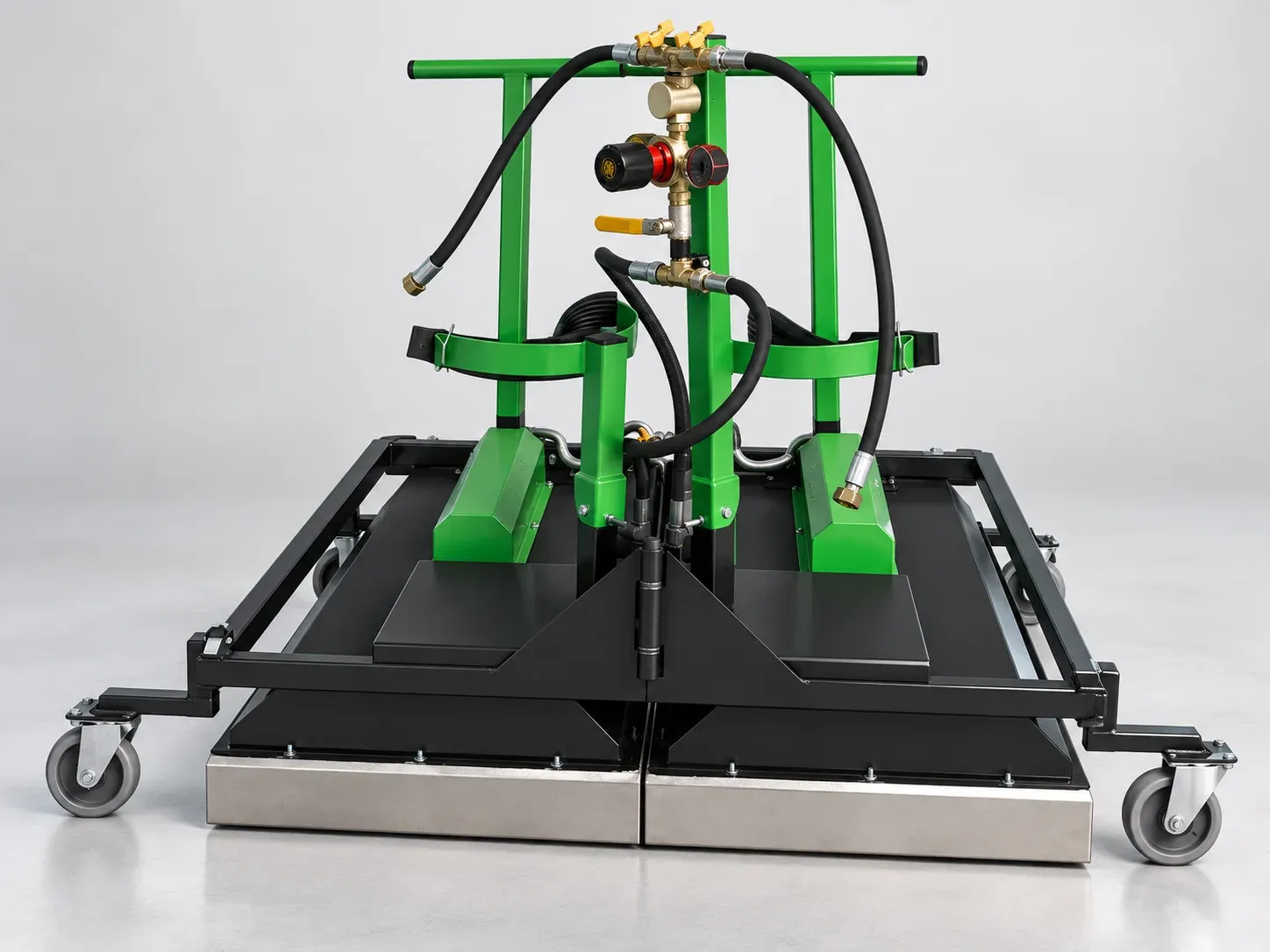
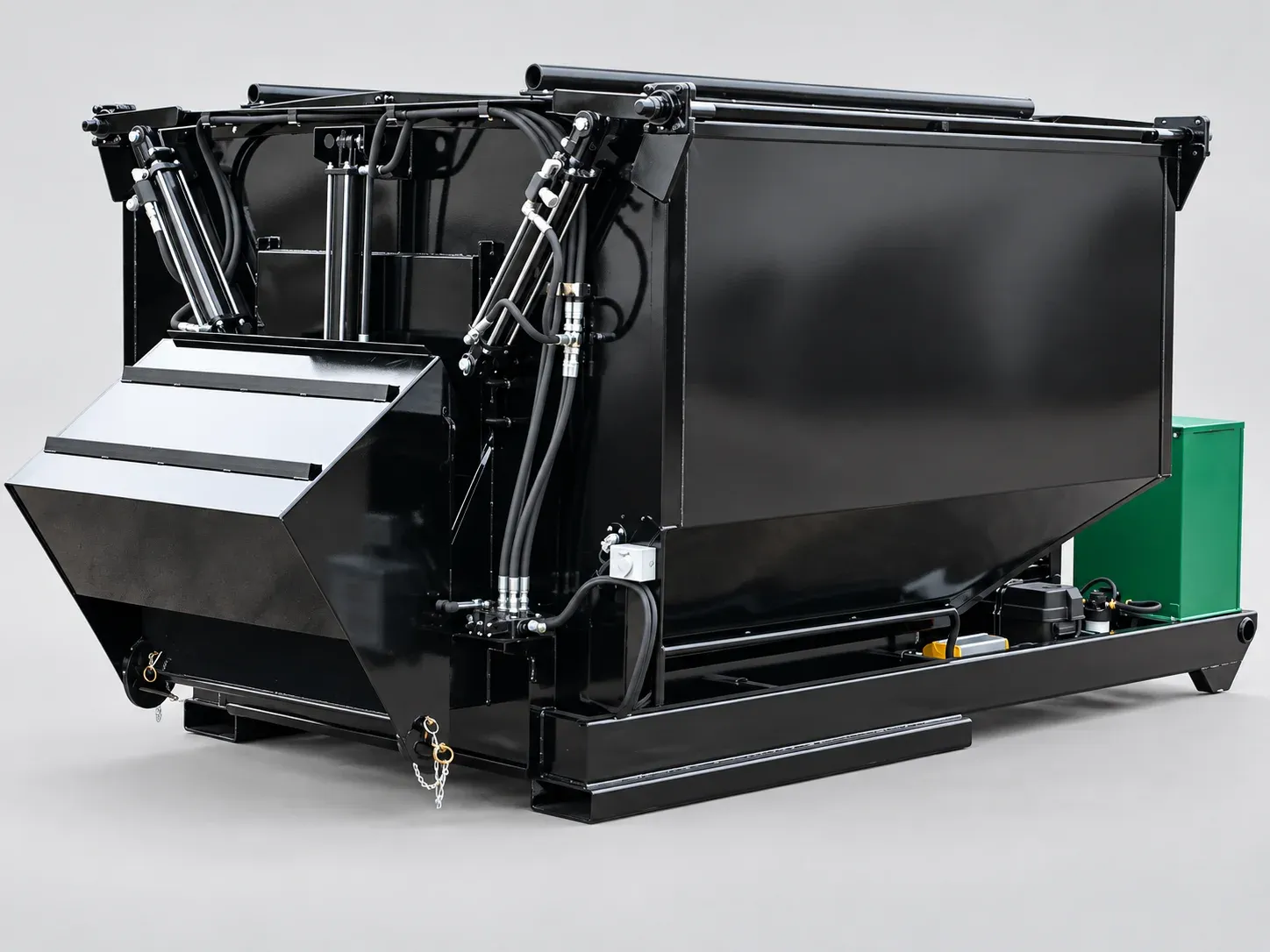
| Truck-mounted hot box | Portable infrared heater | |
|---|---|---|
| Job | Carries and keeps hot mix workable | Softens old asphalt around the repair |
| Size | 2, 3, 4, 5, 6, 8 and 10 t | 120 kg without cylinders |
| Energy | Burner on the box | Propane, two 45 L cylinders recommended |
| Mounting | Slide-in, hook-lift or chassis-mounted | Wheeled, towed by hand or vehicle |
| Stated output | Heat holding up to 72 hours, conditions permitting | 30 to 70 m2 per 8-hour shift, nominal |
| Extra | Twin-burner recycler (option) | Mechanical controls |
The truck-mounted asphalt hot box and recycler is sold as a body plus mounting arrangement. The truck chassis is supplied separately unless the quotation says otherwise. Insulation, ambient temperature, how full the box is and how often the lid opens all change how long mix stays usable, so treat “up to 72 hours” as the best case.
The portable propane infrared asphalt heater uses two heating zones to warm a patch before raking and filling. Without that step the new material meets cold, hard pavement and the seam is where the patch fails first. Propane and hot plates call for local gas-cylinder rules and a protected work zone.
How to choose
Match the capacity to the day, not to the biggest truck you can buy. A hot box that is half empty loses heat faster and is expensive to move around. A crew that fills twenty potholes a day from a plant ten minutes away needs a small box and a quick turnaround; a crew covering long rural routes needs a larger box and better insulation to carry mix further.
If you plan to reheat milled material, order the recycler option at the start, because a basic box does not include it. If your road authority insists on a clean bonded joint on every repair, add the heater; it is the simpler of the two machines.
Other road tools such as crack sealing units, emulsion sprayers and small pavers are separate products and are not on this page. See the rest of construction and mining equipment for what else is in the range. Check where your hot mix will come from before choosing a box size, because the plant sets the haul time.
What to send for a quote
- Truck make, model, wheelbase, frame width, and axle load limits
- Hot box capacity wanted and daily mix quantity
- Mounting style: slide-in, hook-lift or chassis-mounted
- Preferred burner fuel and local gas-cylinder rules
- Whether you need the twin-burner recycler
- Climate, usual repair season and haul distance from the plant
- Destination country, so we can check local weight and gas rules
Tell us about your road programme through the quote form and we will propose a combination.