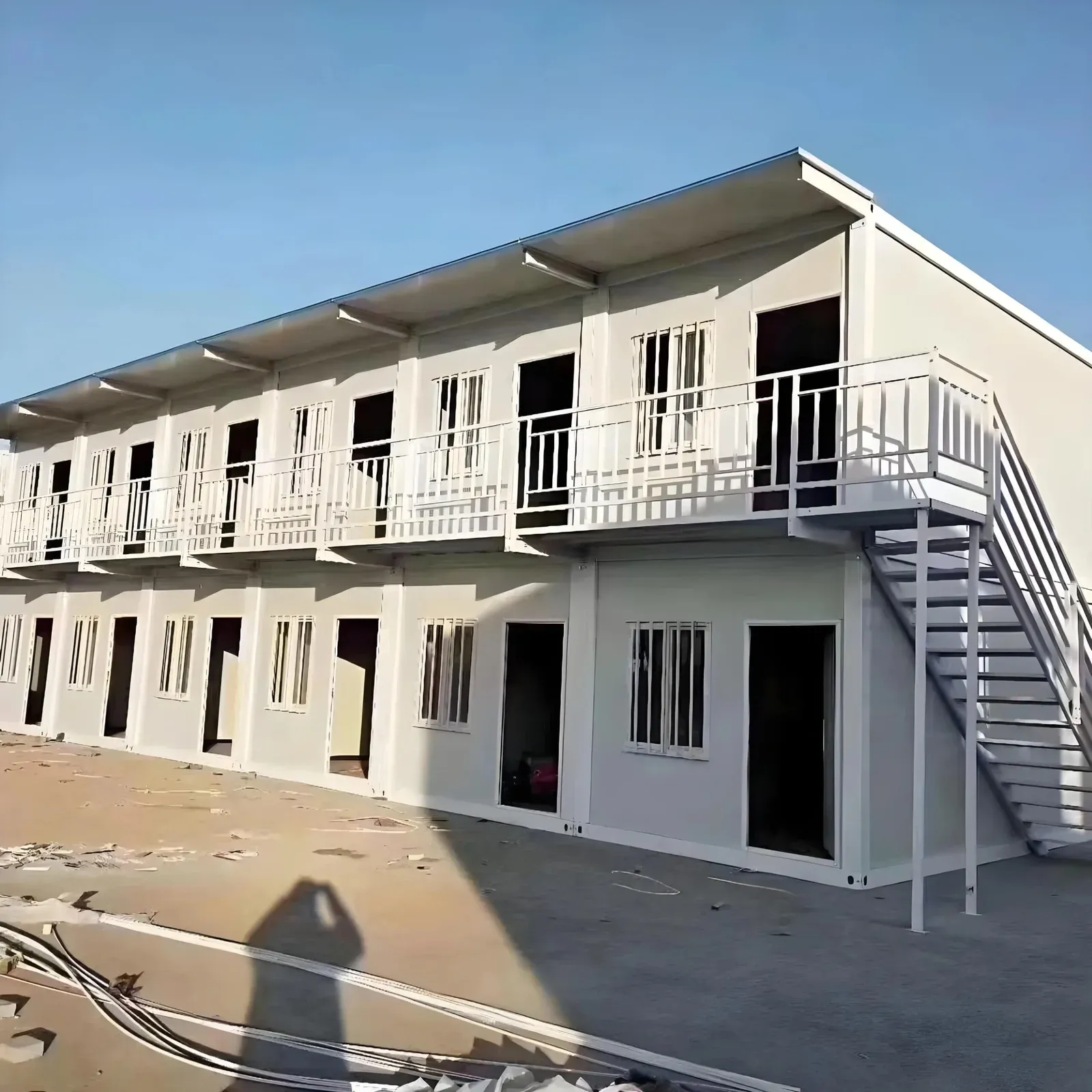
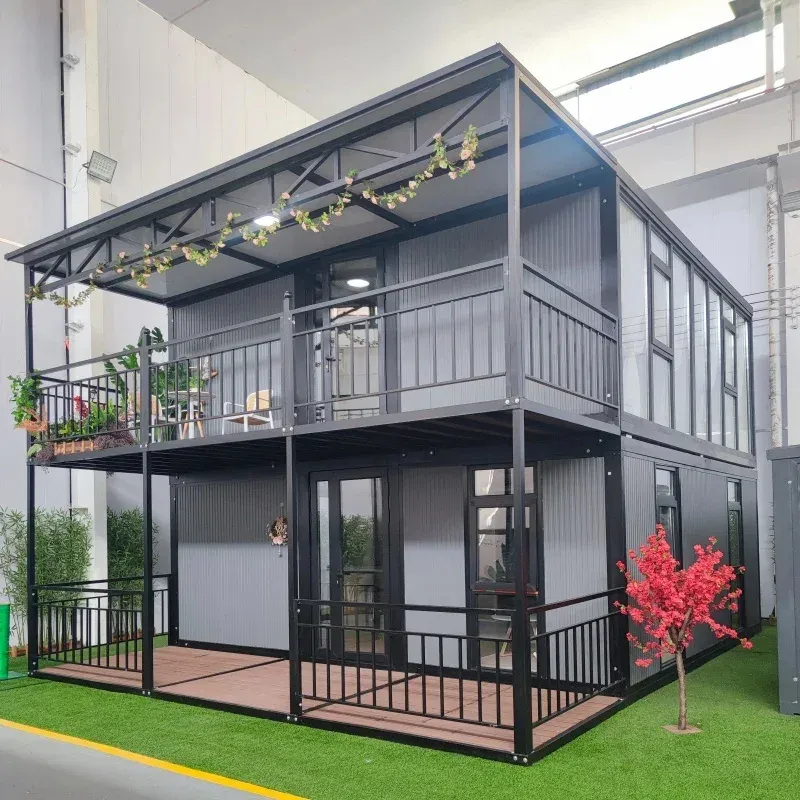
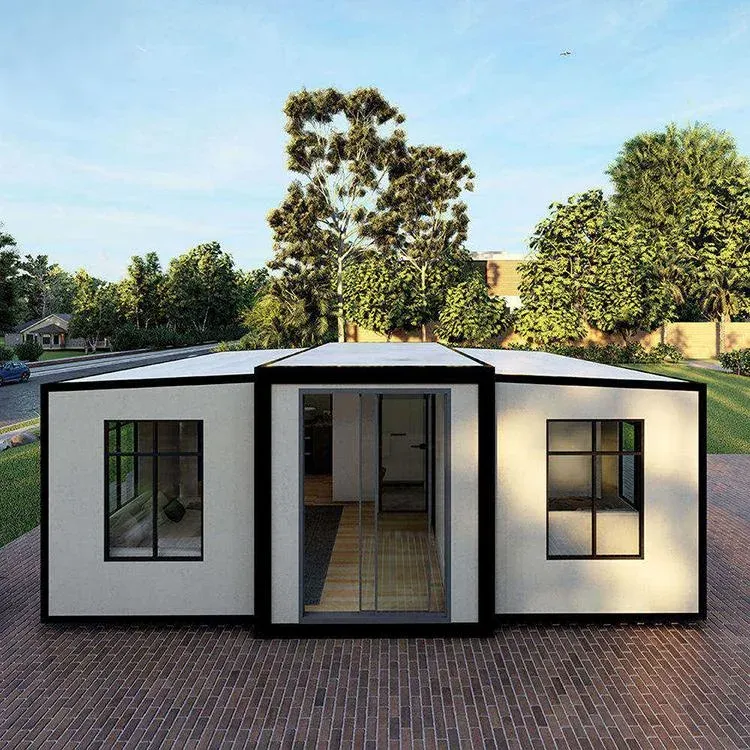
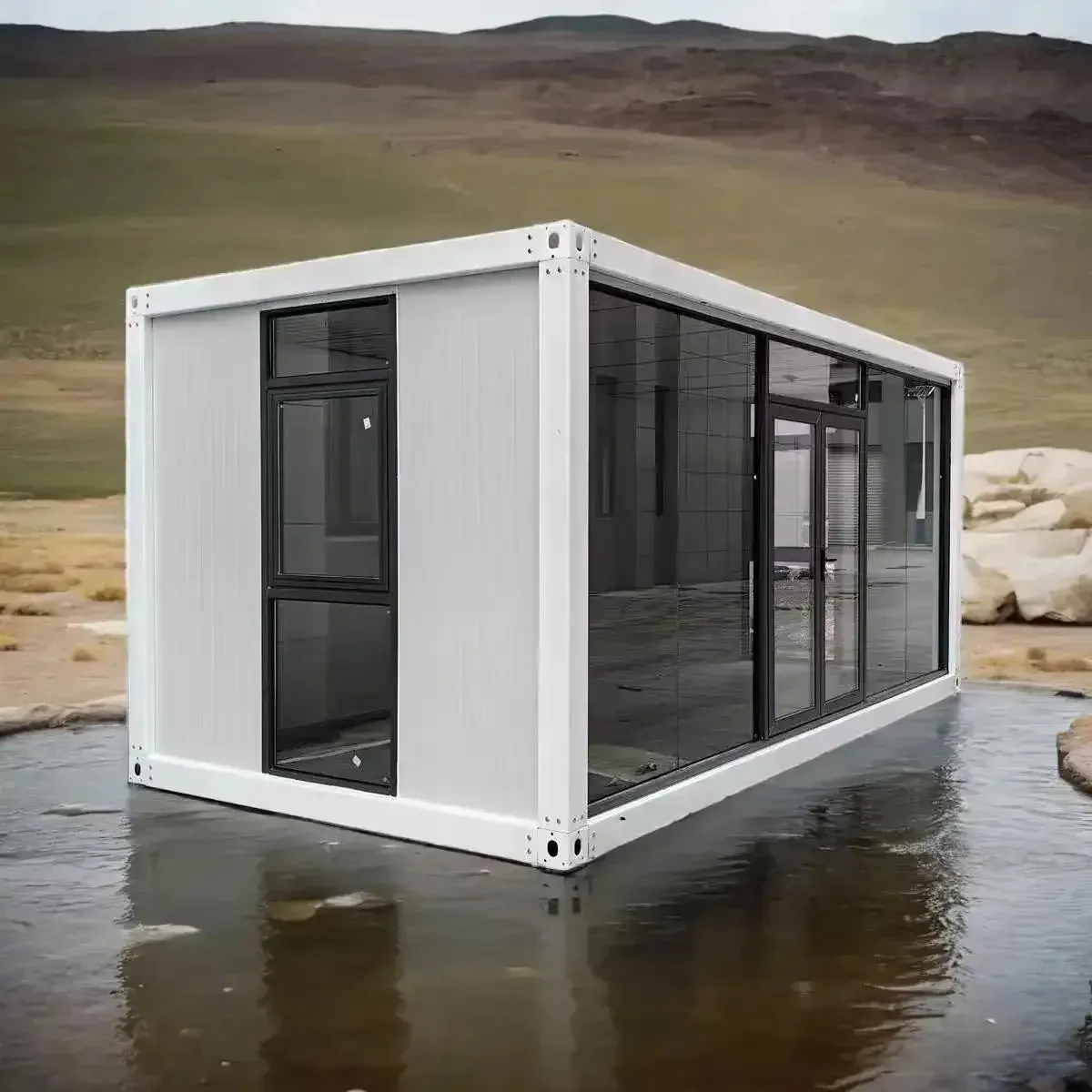
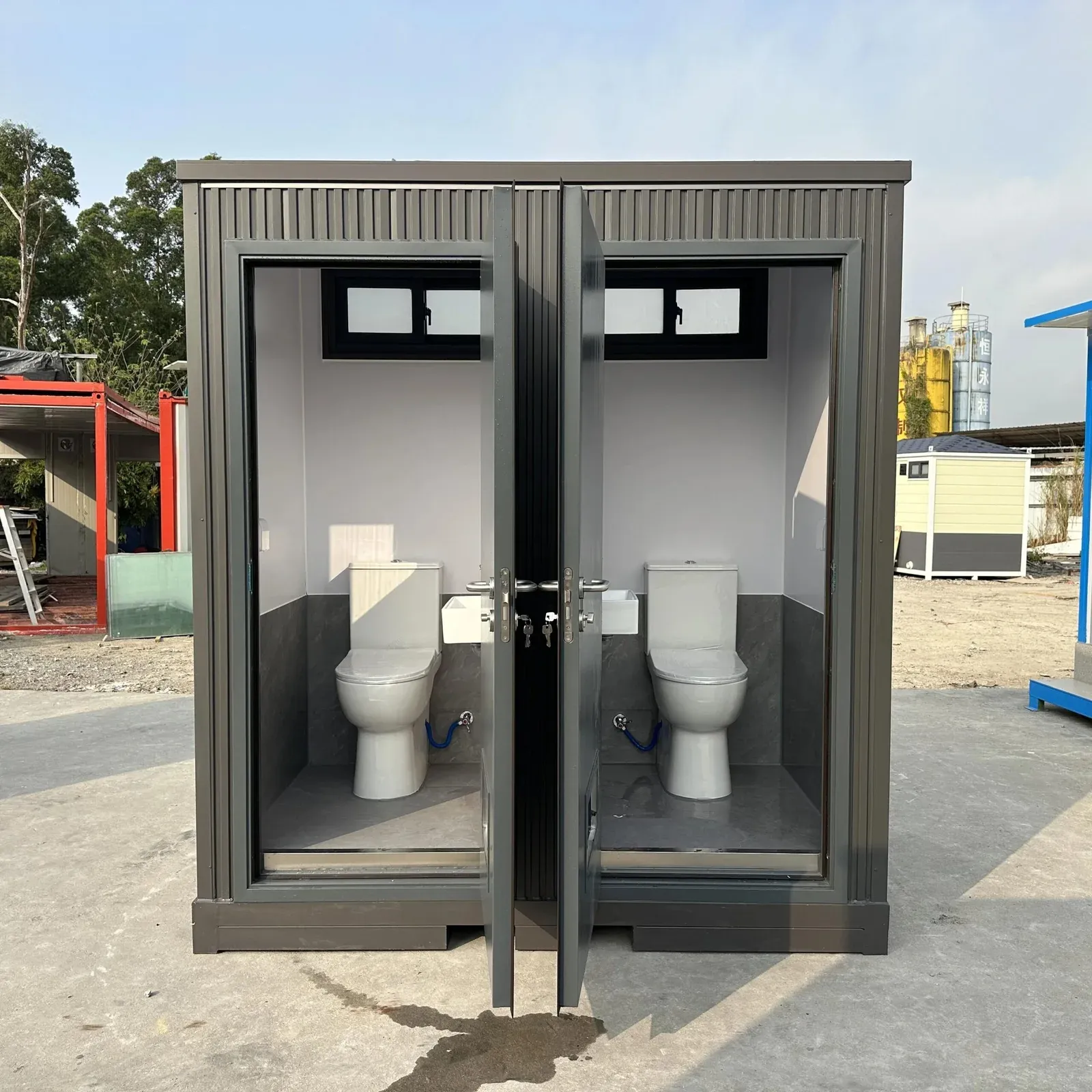
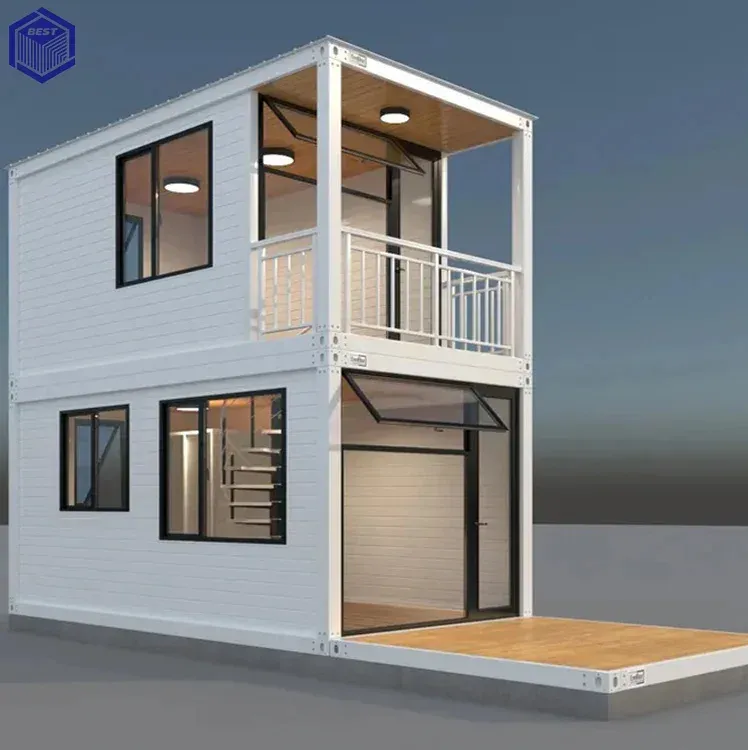
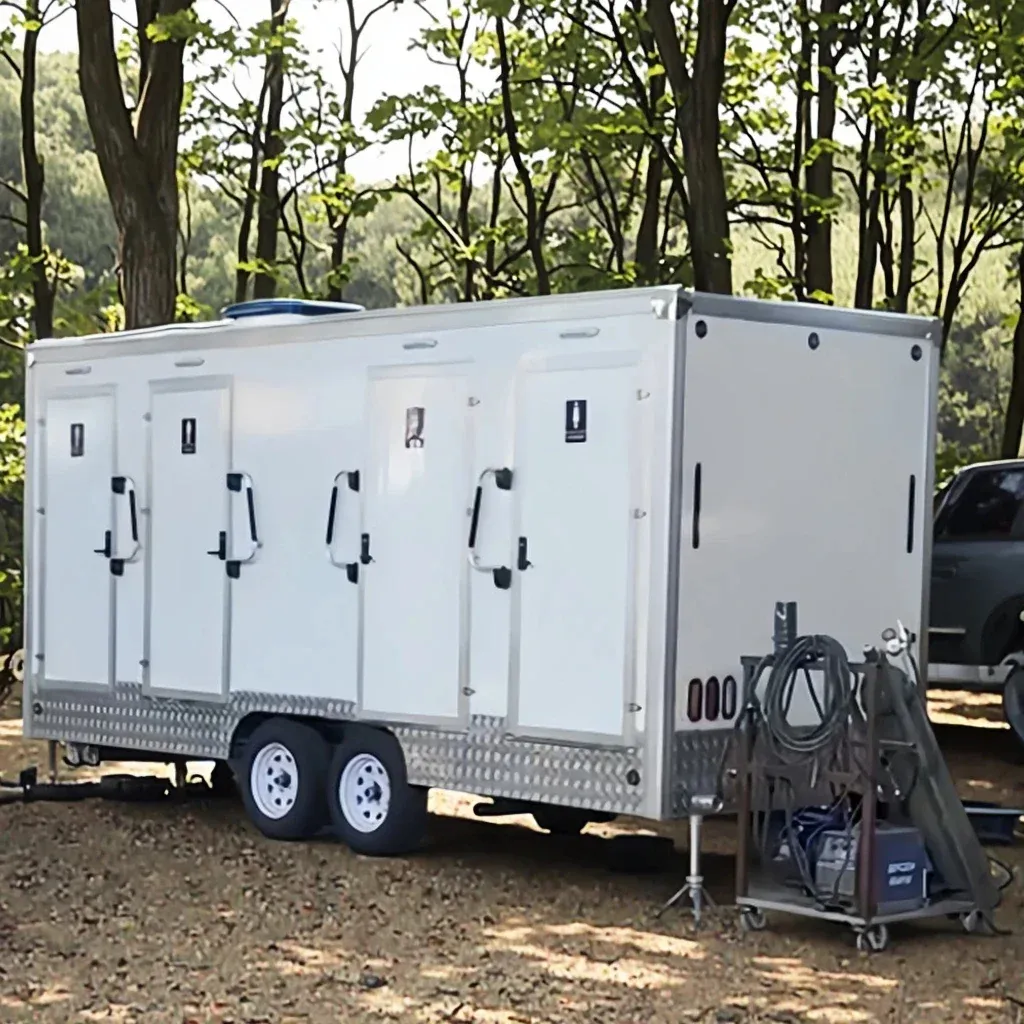
People type “prefab buildings and trailers” when they have a space problem with a deadline: a site camp, a pop-up shop, a hotel extension, an event, a mobile workshop or a holiday rental. This range answers it with factory-made units that arrive nearly finished. Some stay on a pad for years; others roll away on their own wheels.
The two groups
| Group | What it is | Typical size | Suits | Page |
|---|---|---|---|---|
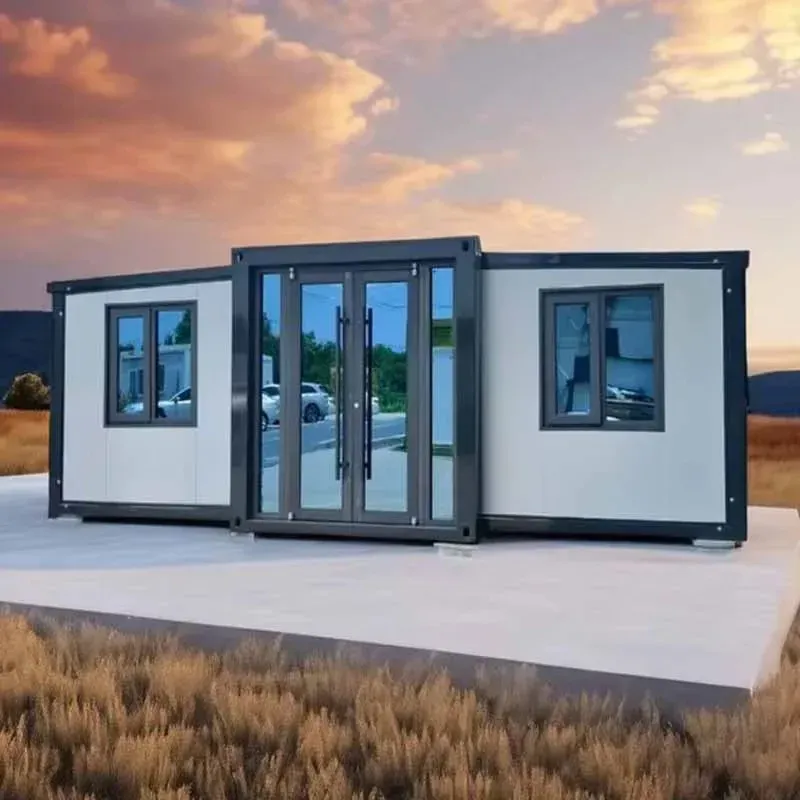
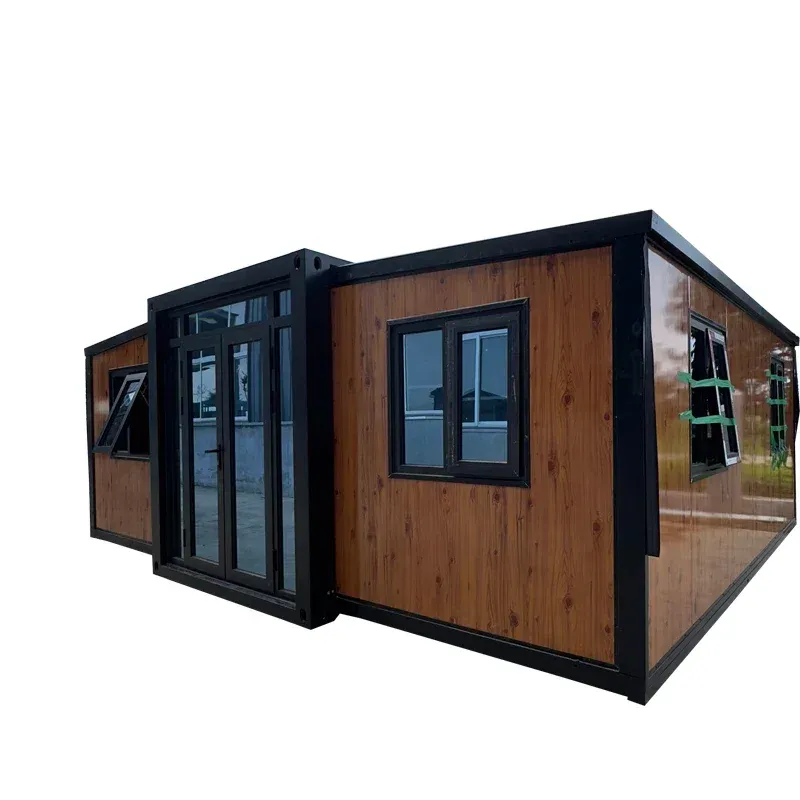
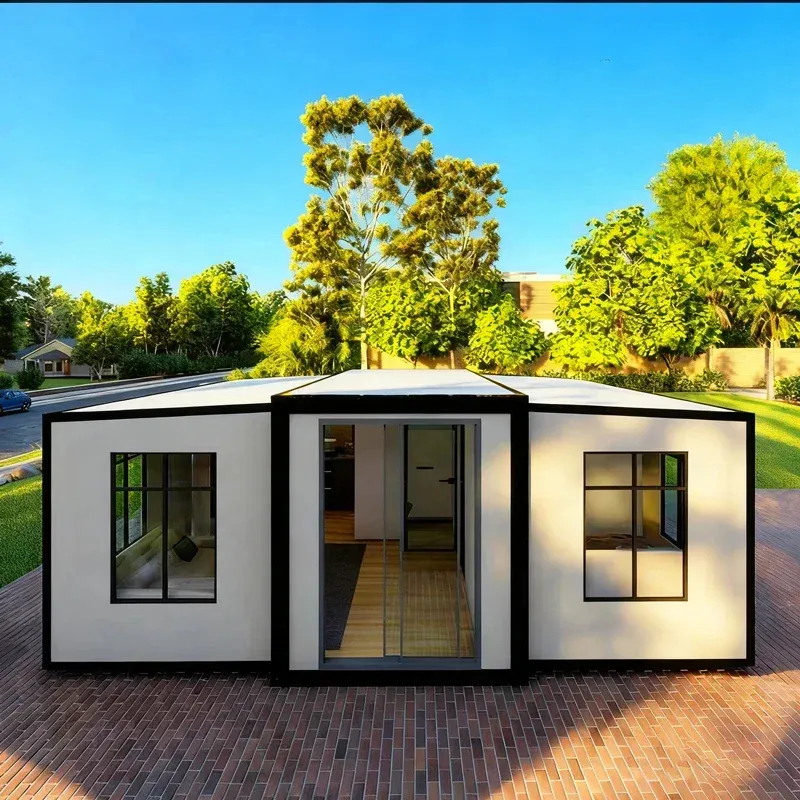
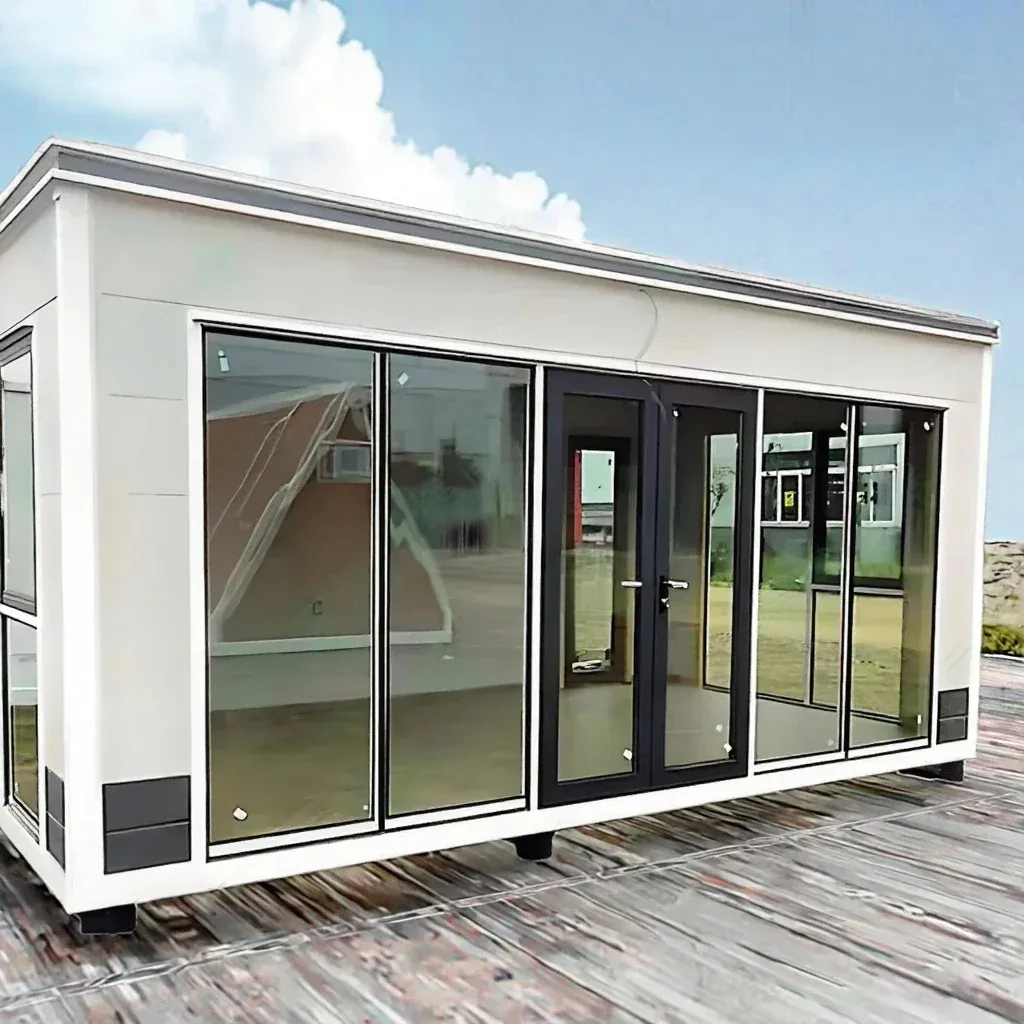
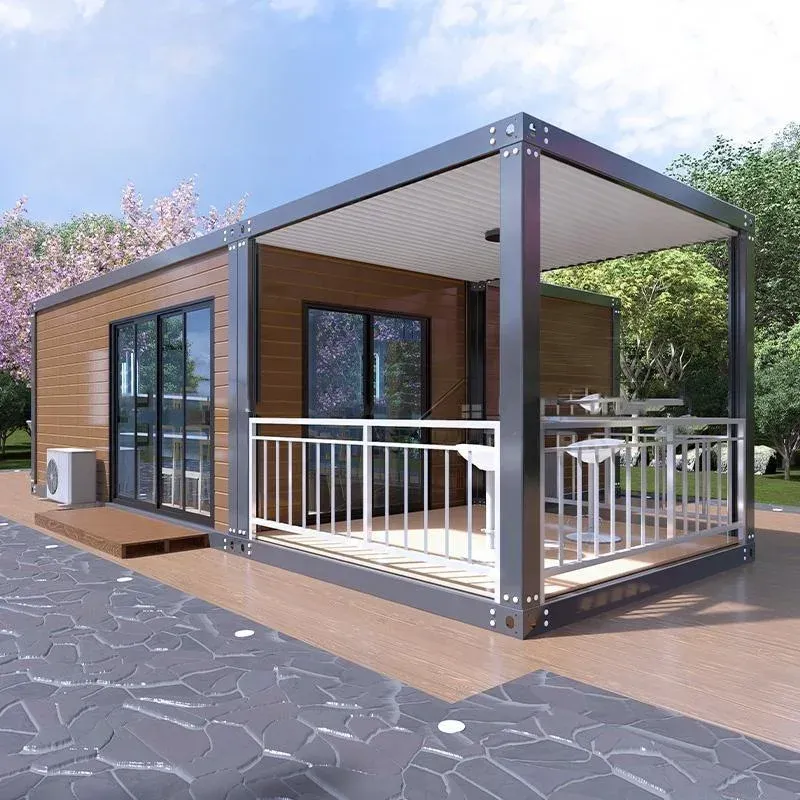
| Prefab and container houses | Folding, expandable, flatpack and detachable steel-and-panel buildings, plus toilet cabins and restroom trailers | 20 ft or 40 ft modules; about 14-75 m² when opened | Site offices, camps, villas, shops, hotels, events | Prefab houses |
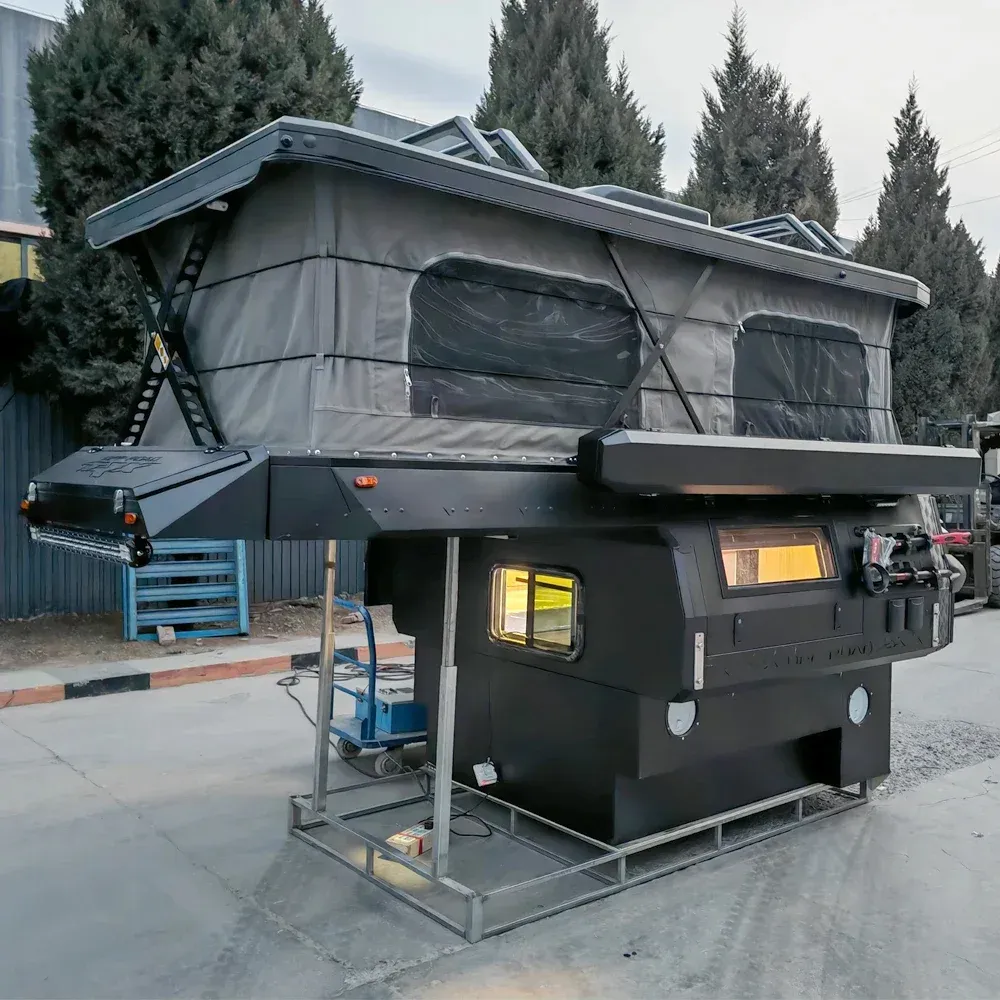
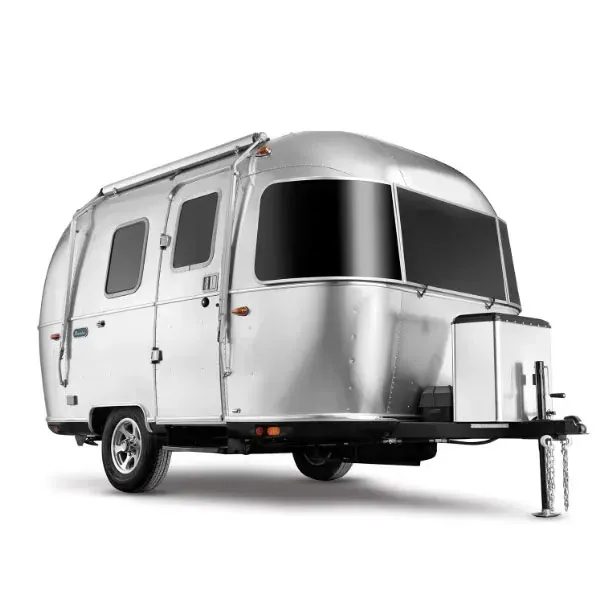
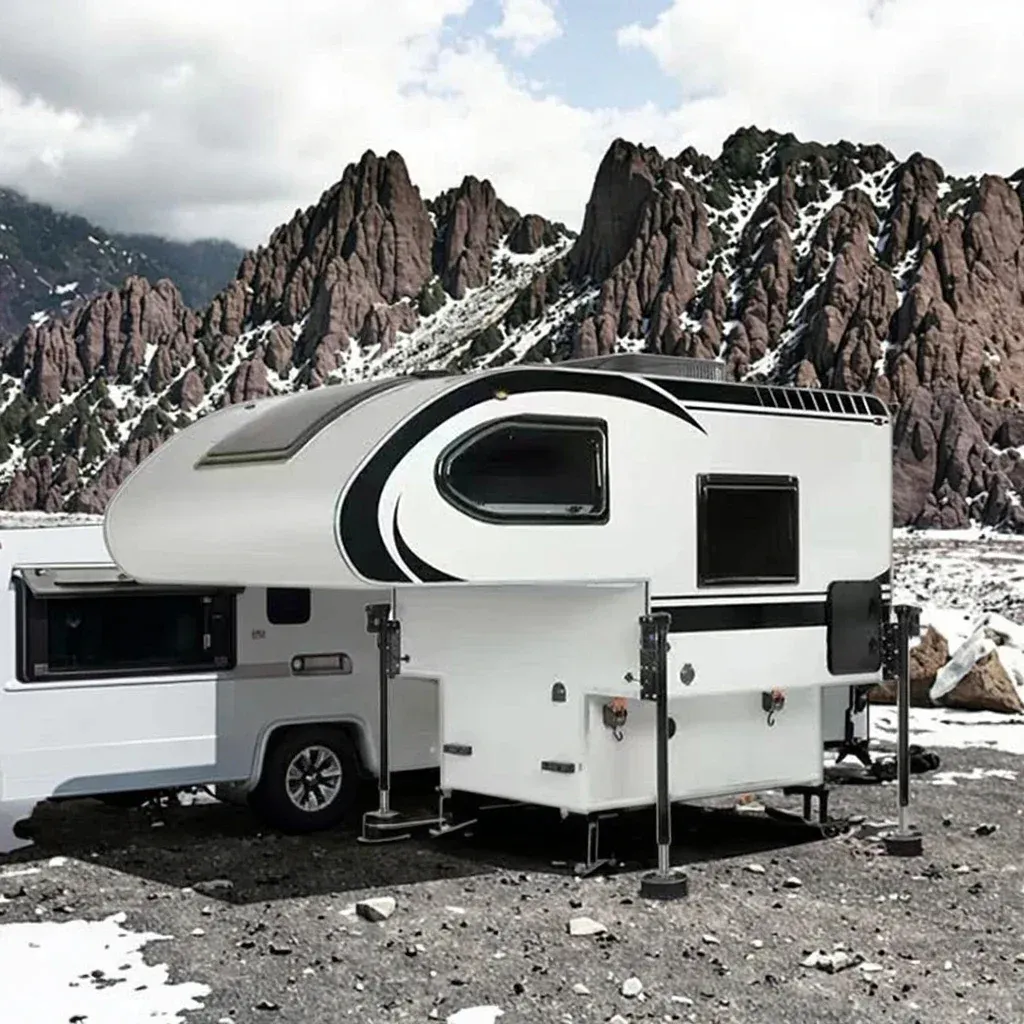
| RV and camper trailers | Towed teardrops, travel trailers, hybrids, and pickup slide-in campers | 2.8-6.7 m long | Tourism, rental fleets, overlanding, mobile living | RV trailers |
Prefab simply means parts made in a factory; “modular” is a subset where finished boxes are joined on site. Mobile building guides make the same distinction, and it matters when you compare prices: a bolt-together house, a folding house and a trailer all count as prefab, but they move and wear very differently.
How to decide
Stay or move? If the building will stand at least a year, choose a flatpack, detachable or expandable house; the panels are thicker, the frame is stiffer and a sound base keeps it durable. If it changes site every few weeks, a folding unit or a trailer saves labour on each move.
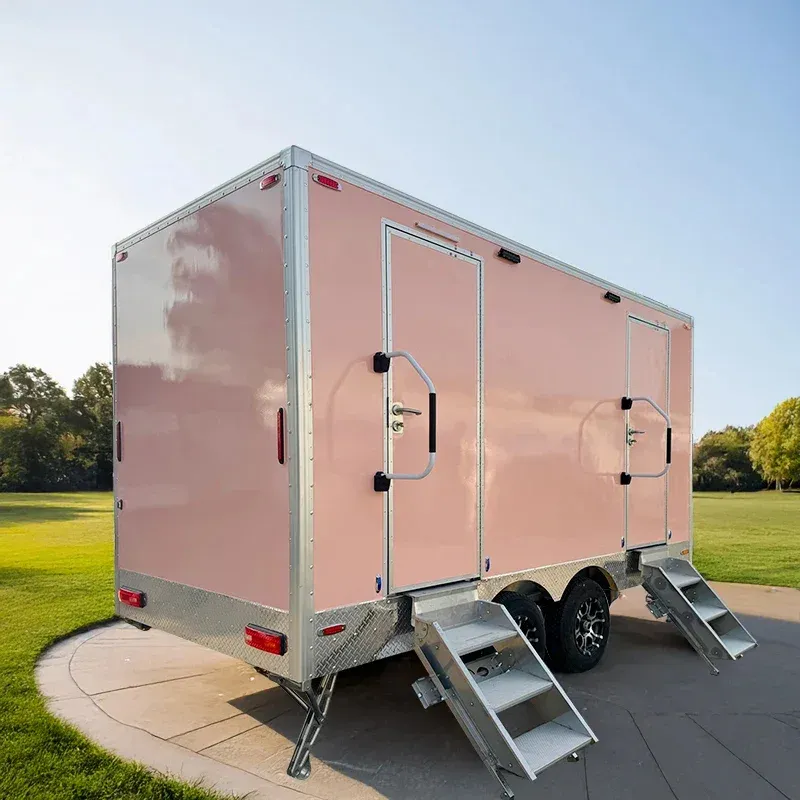
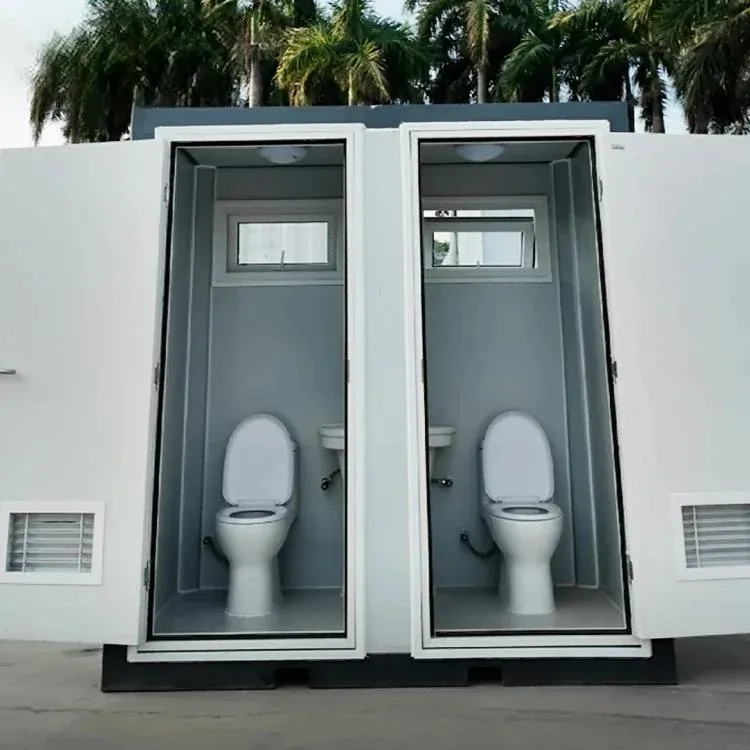
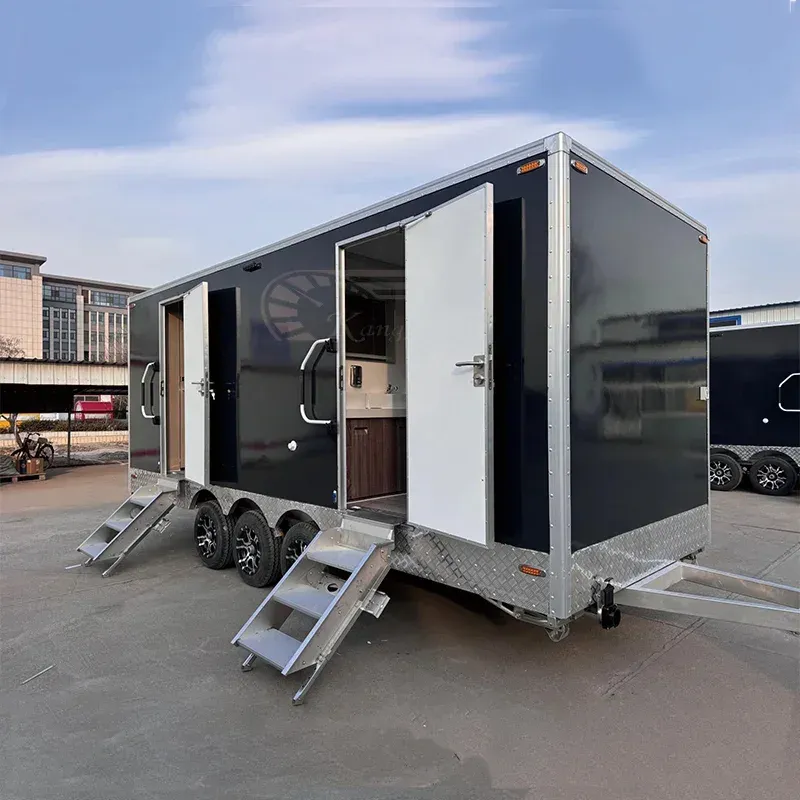
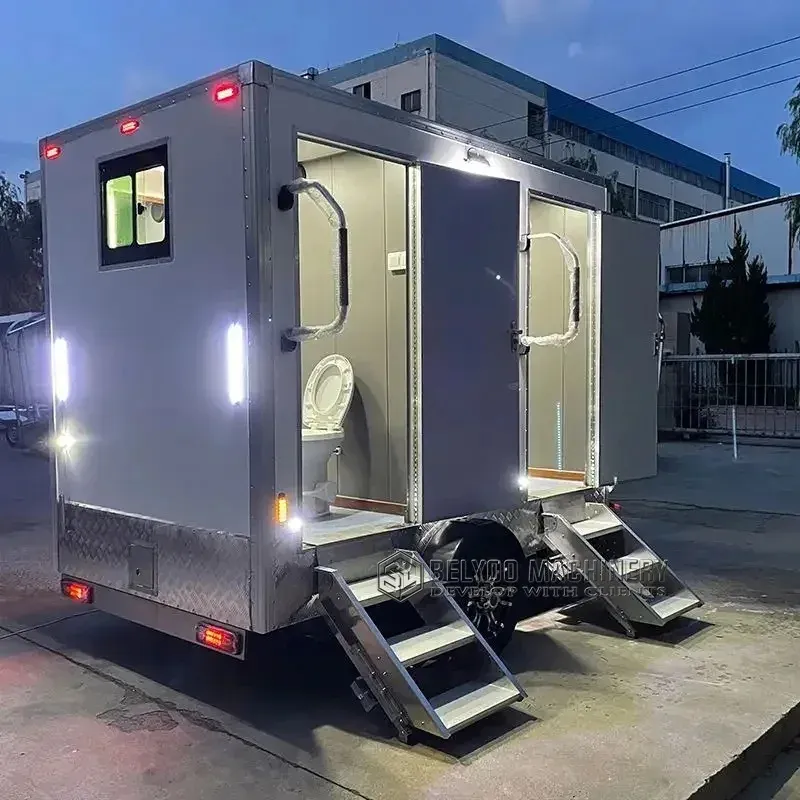
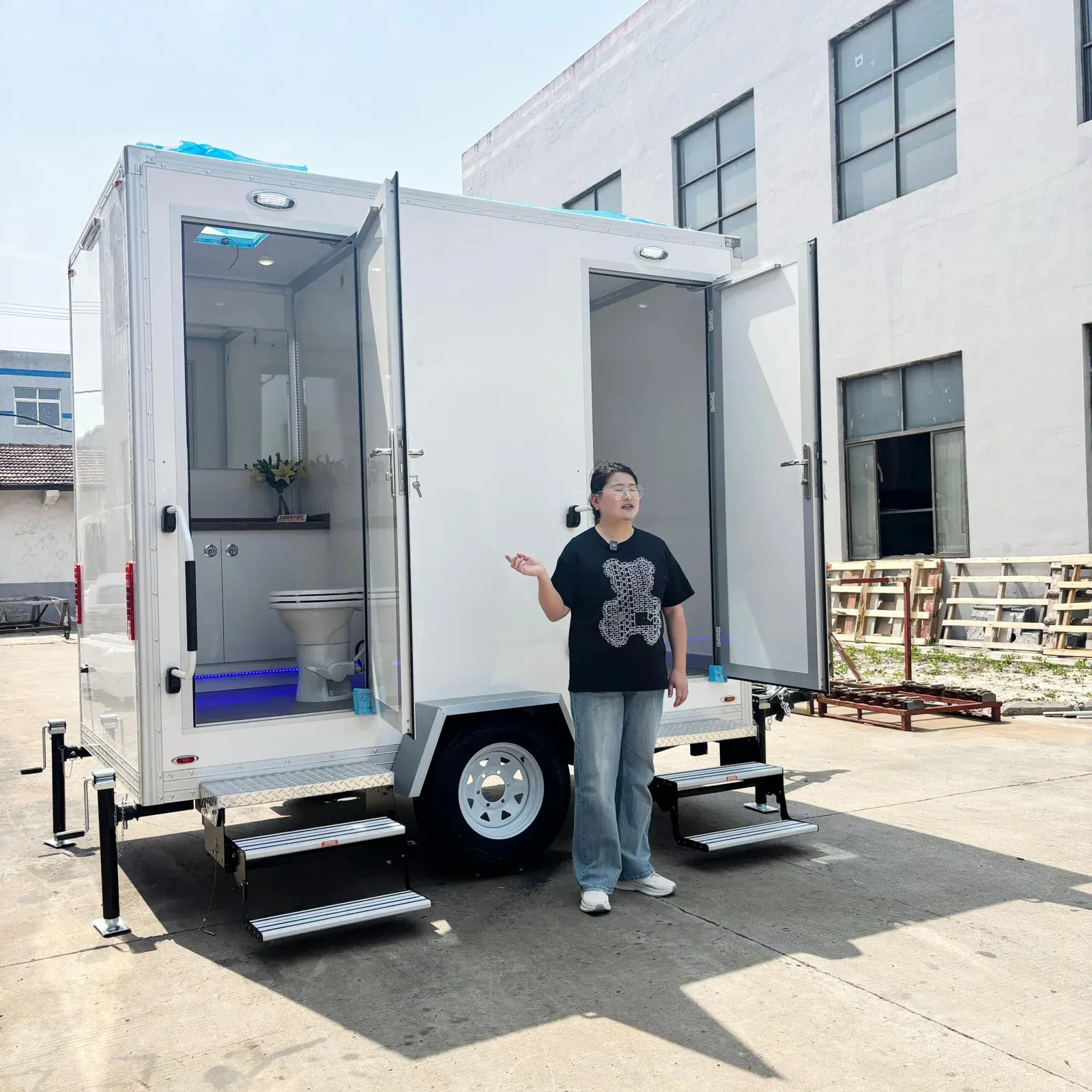
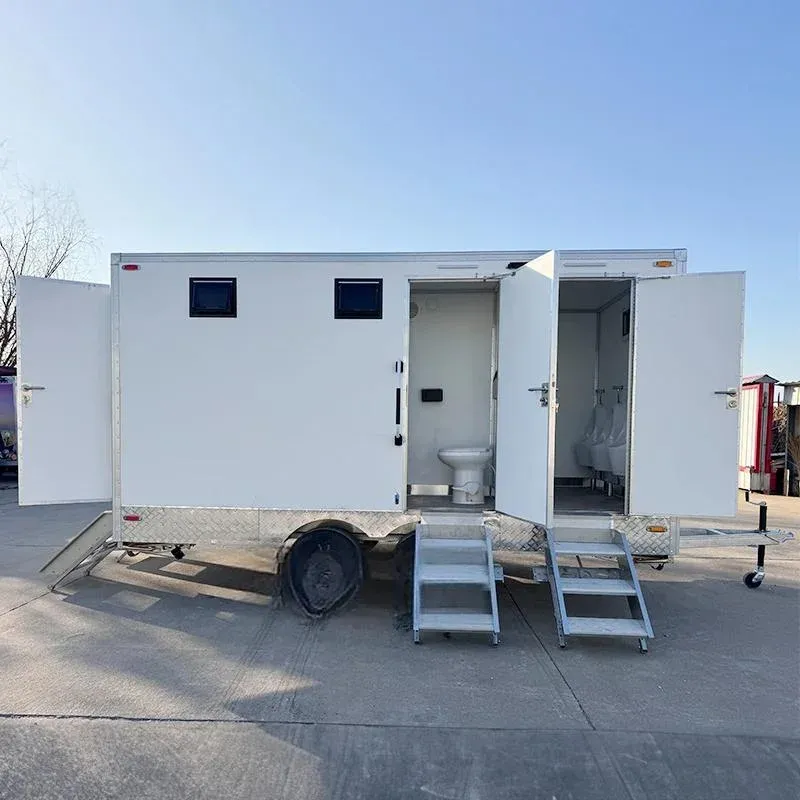
People or purpose? A site office needs desks, power and air conditioning; a villa needs bedrooms, a kitchen and a bathroom; an event needs clean toilets that arrive full of water. The restroom trailers and toilet cabins are in the house group because they are usually ordered with a camp or event, and the trailers there carry fresh and waste tanks of roughly 200-1,500 L depending on the model.
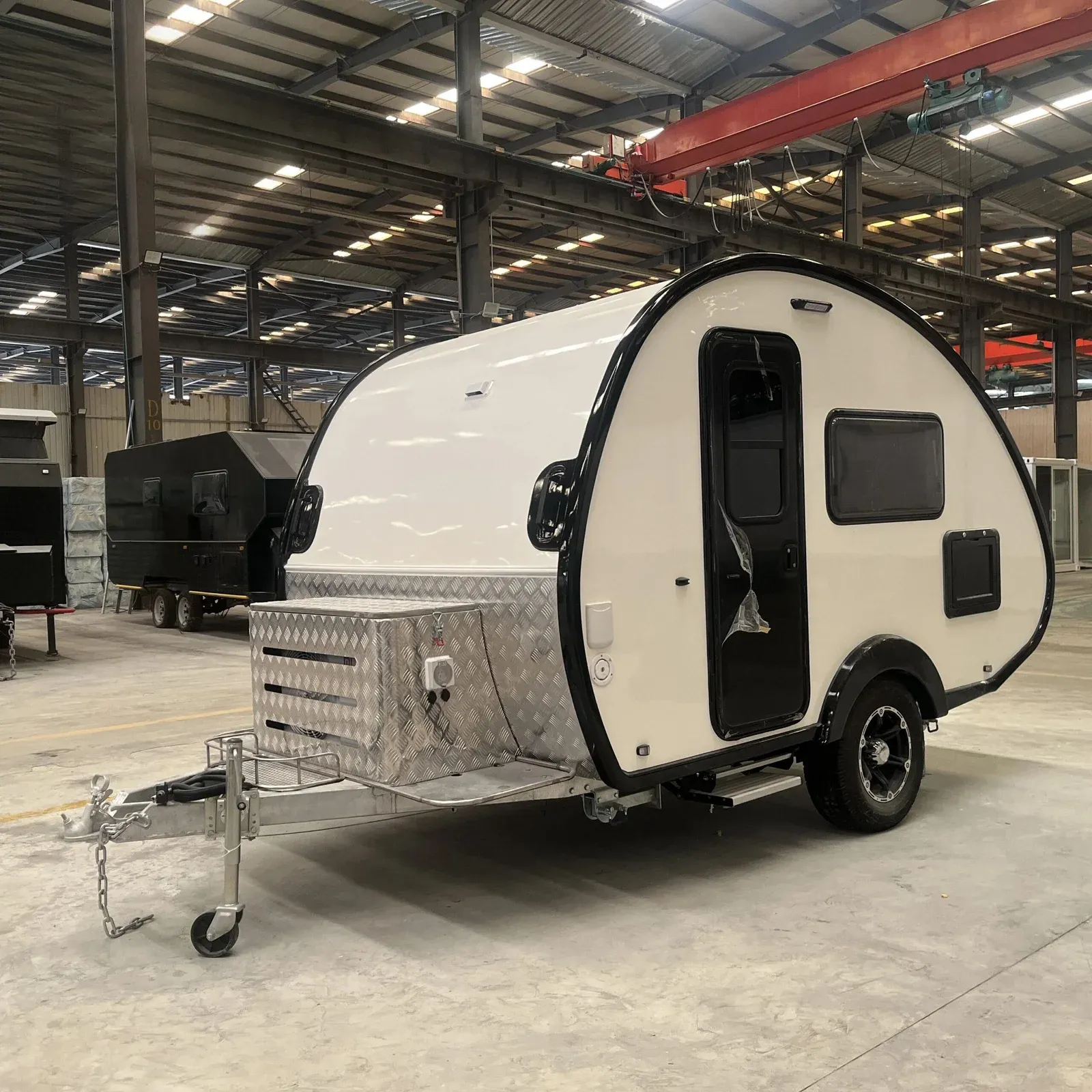
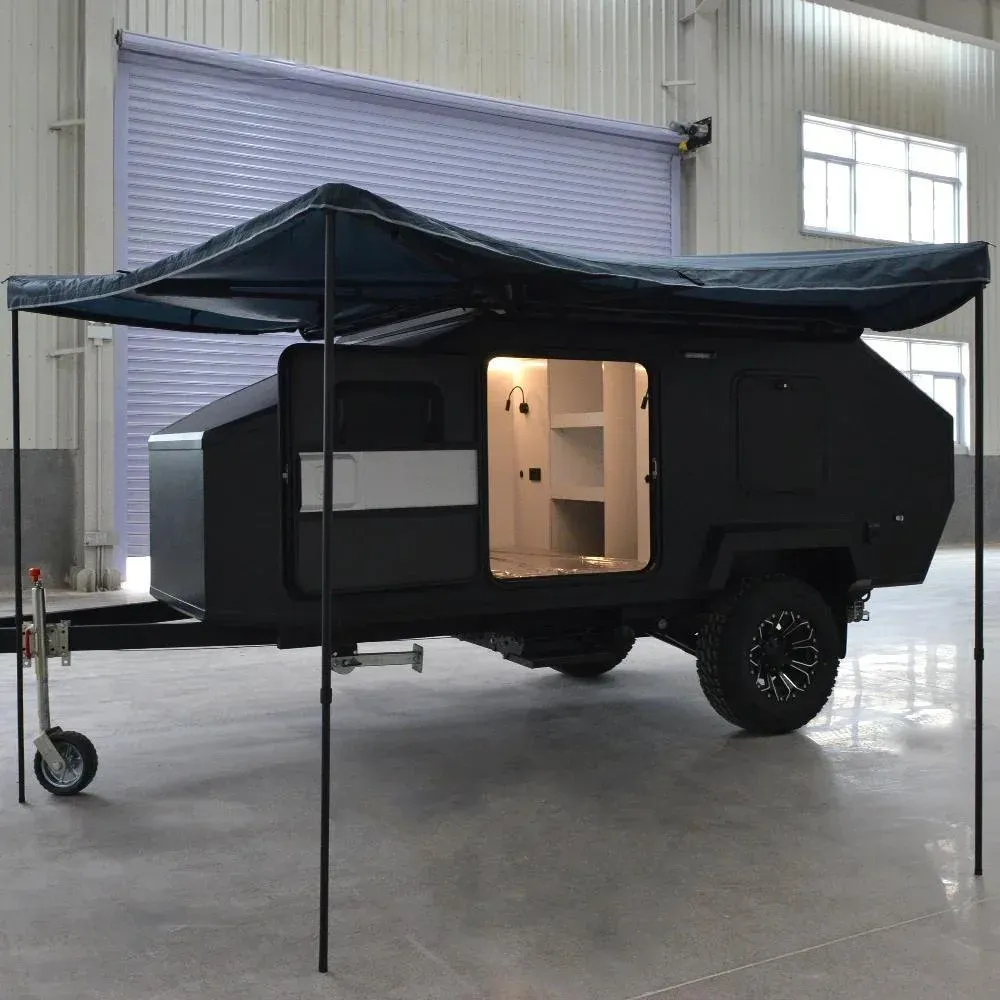
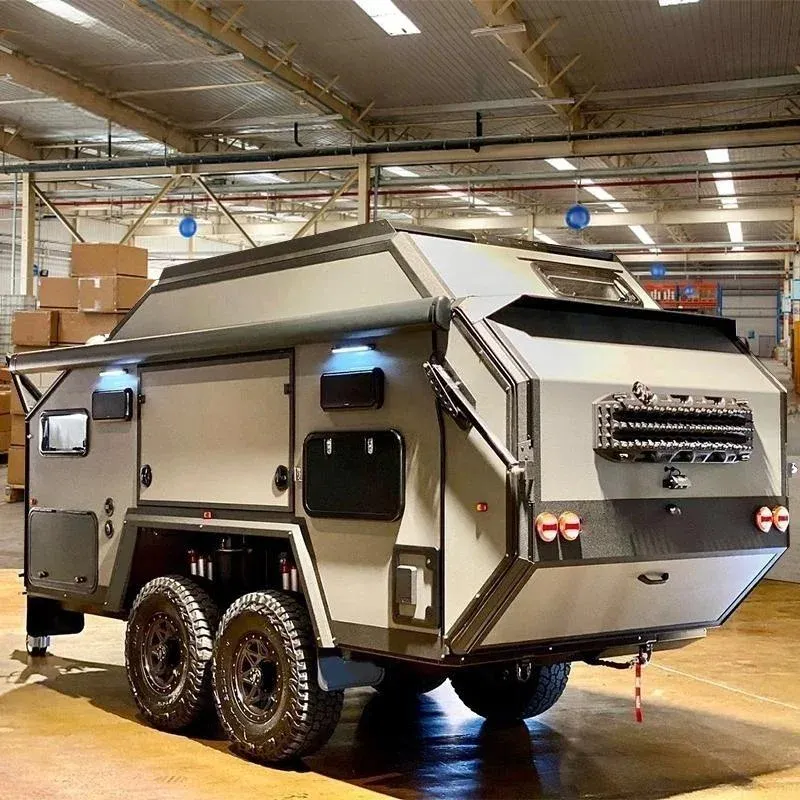
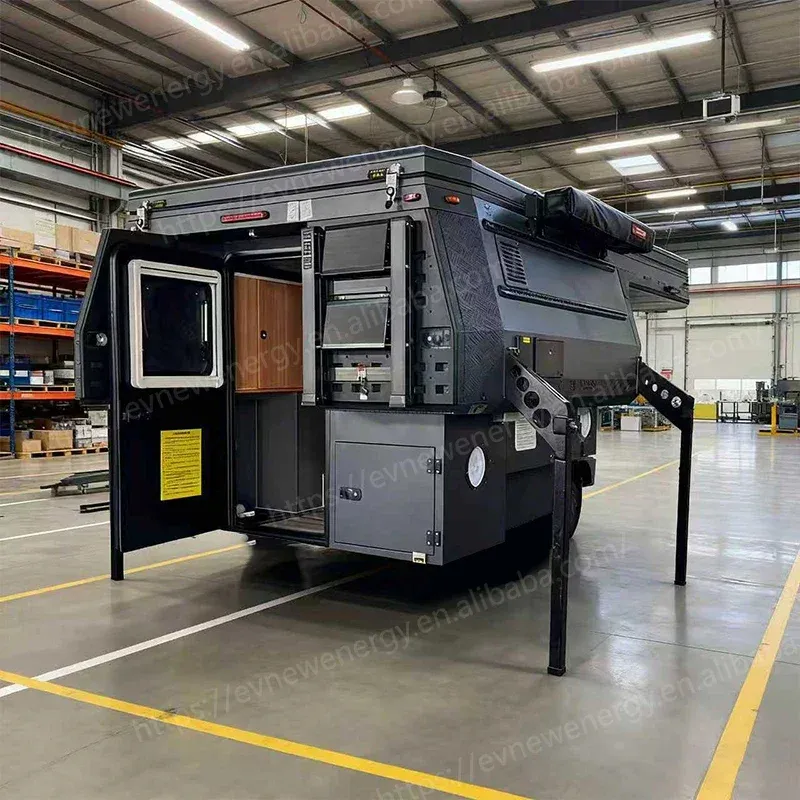
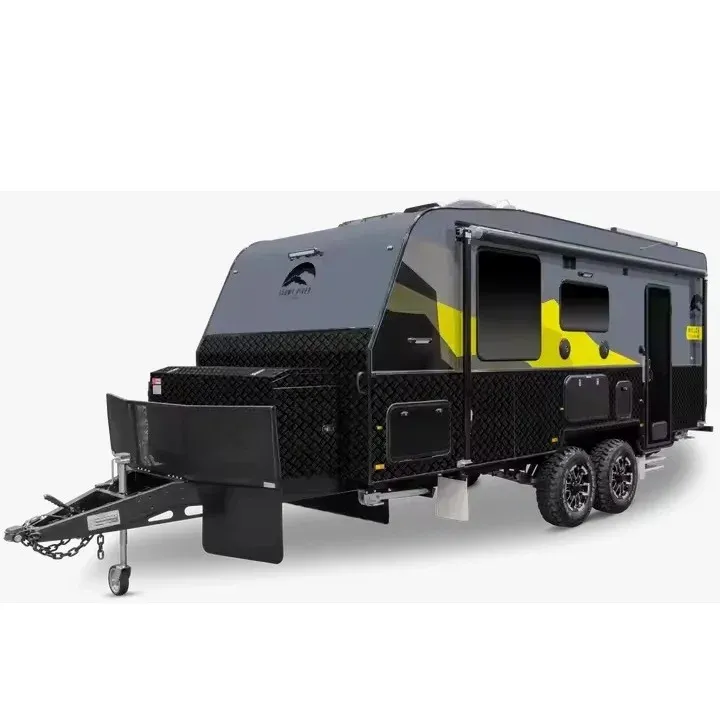
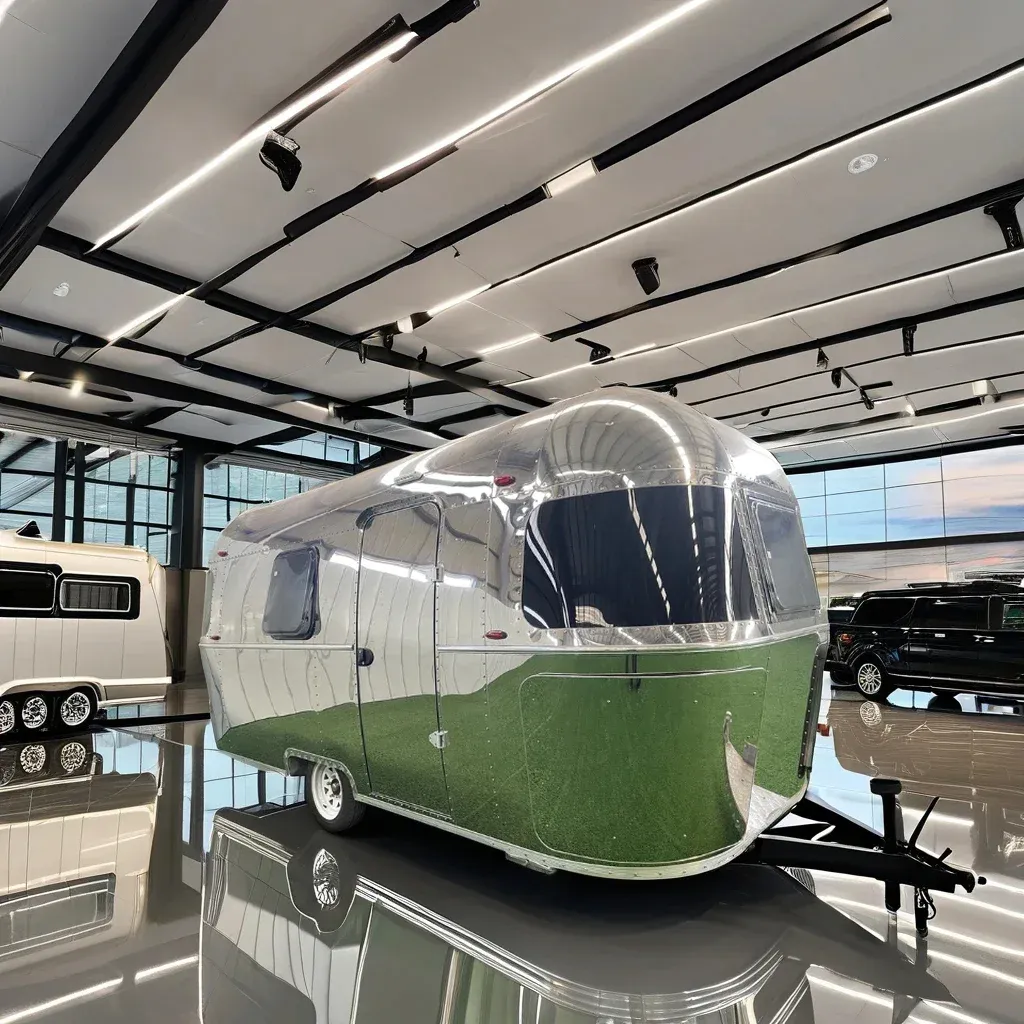
Check the tow vehicle. For any wheeled unit, the vehicle rating is the first filter. The teardrop camper is the gentlest, while the retro expedition trailer is for a 4WD pickup or large SUV.
Power and climate. Standard electrical fit-out is single phase 220 V; give us 110 V, 230 V or 60 Hz needs early. In hot regions, ask for rock wool or PU cores, low-E glass and an air conditioner; in cold regions, thicker 75-100 mm panels and a heater.
Wheels or walls: a quick rule
If guests or workers sleep in the unit for weeks at a time, choose walls: a house has more floor area per dollar of freight and is easier to heat or cool. If the unit earns money by travelling to different places, choose wheels, and budget for the tow vehicle, tyres and axle upkeep.
Products to start from
- 40 ft folding office house: fastest to open, for offices and shops.
- 2-5 bedroom expandable villa: around 30-37 m² on a 20 ft base, 60-75 m² on a 40 ft base.
- Teardrop camper trailer: sleeps 2-4, 700 kg payload.
- VIP restroom trailer: toilet and shower with a 750 L tank.
For a detailed comparison of folding, flatpack and expandable systems, see our expandable container house guide.
What to send for a quote
- Use, number of people and the layout you want.
- Whether the unit stays fixed or must be moved, and how often.
- Site climate, wind, snow and voltage.
- Tow vehicle details for any trailer or camper.
- Fit-out and options: kitchen, bathroom, air conditioner, solar, graphics.
- Quantity and destination port.
Once the brief is clear, send it through the contact page and we will propose a configuration and loading plan.