Where our products fit
Guides to material handling usually group equipment into storage, bulk handling, industrial trucks and engineered systems. Racks, cranes, forklifts and warehouse automation are large product families in their own right, and we do not pretend to cover them. What we build sits in the movement part of the picture and answers two different questions: how do we move one very heavy thing once, and how do we move many light things all day?
The two product groups
| Group | What it is | Typical numbers | Suits | Page |
|---|---|---|---|---|
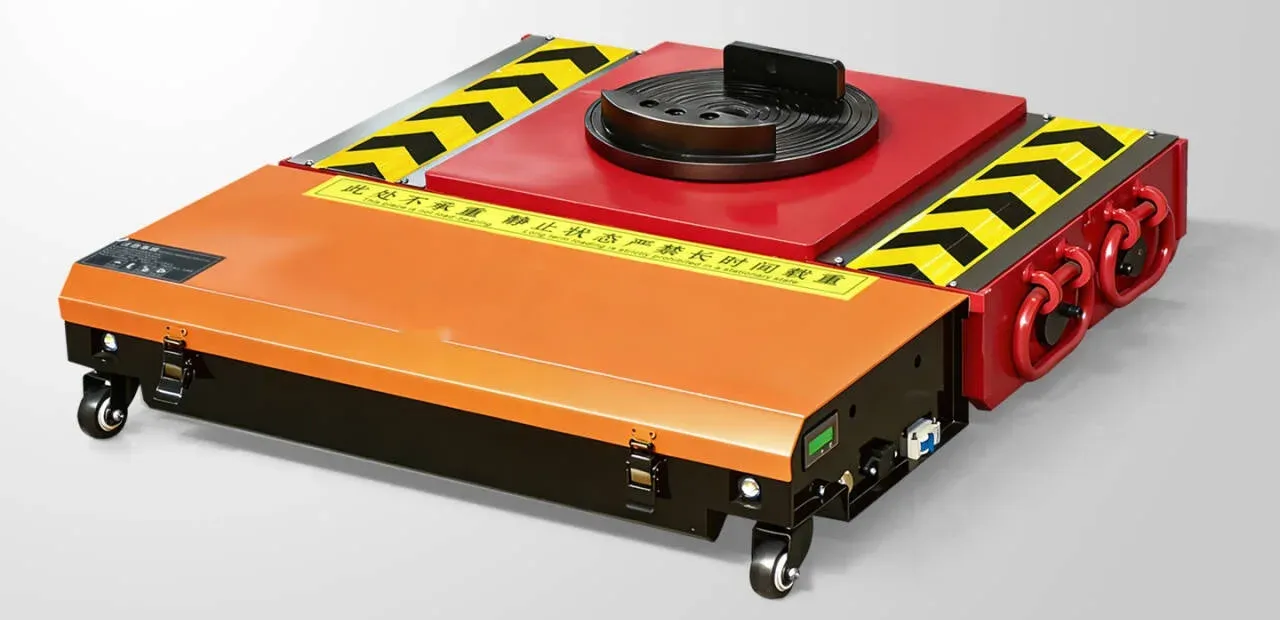
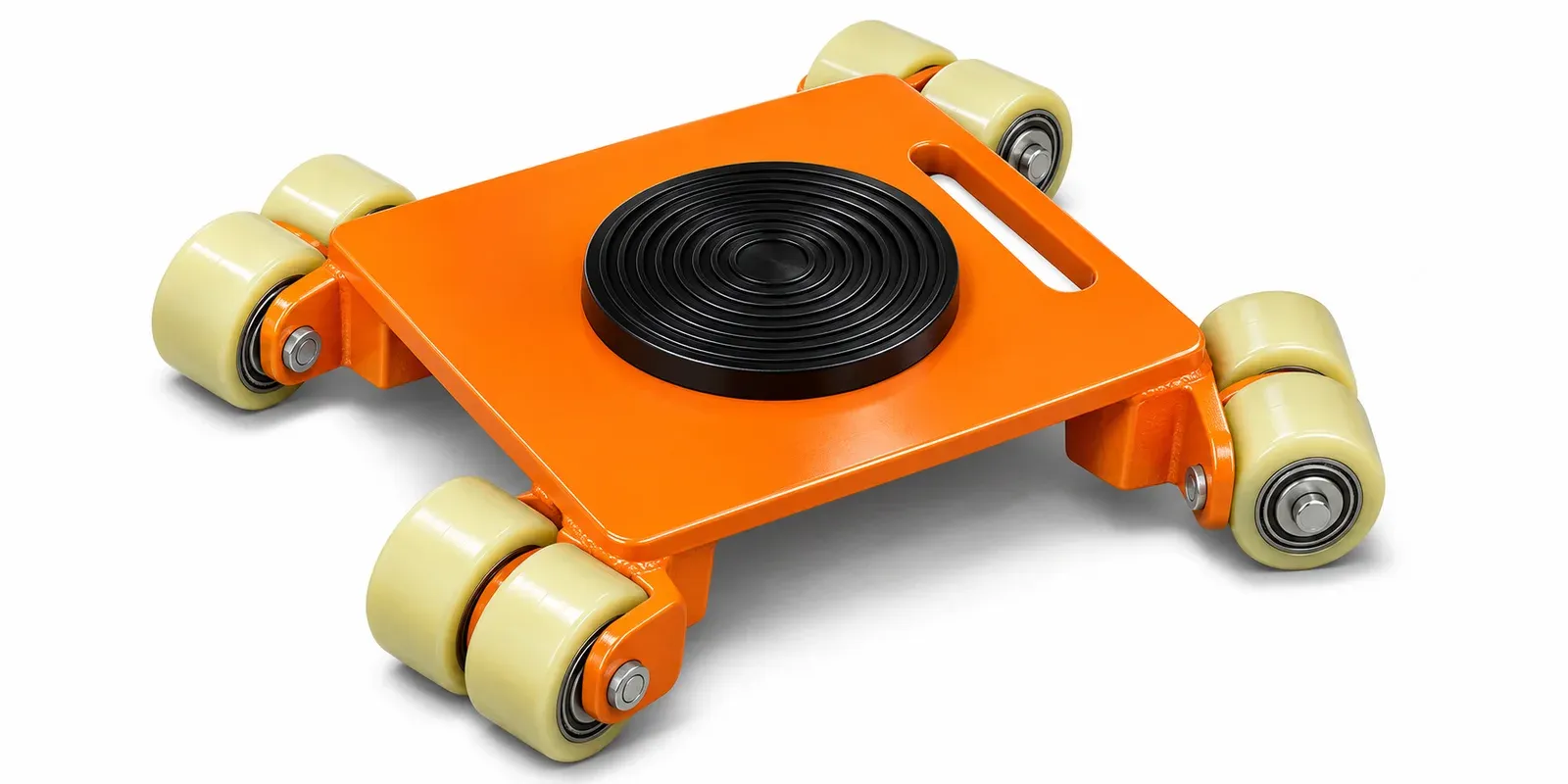
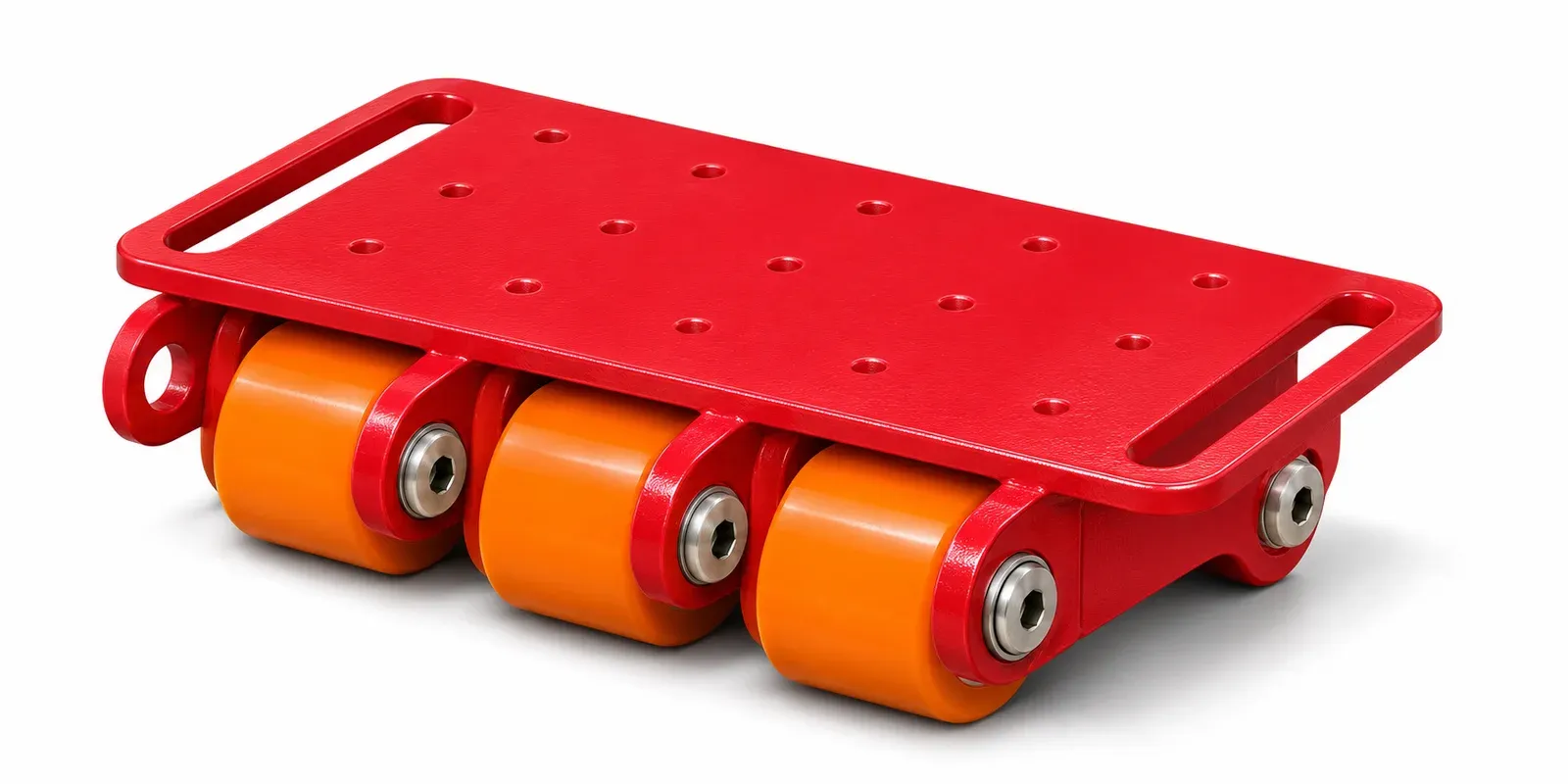
| Machine skates | Battery-powered carrier with remote, plus steerable and straight-line followers | Carrier height commonly 80 to 220 mm; ratings set per project | Plant relocation, machine installation, tight indoor moves | Machine skates |
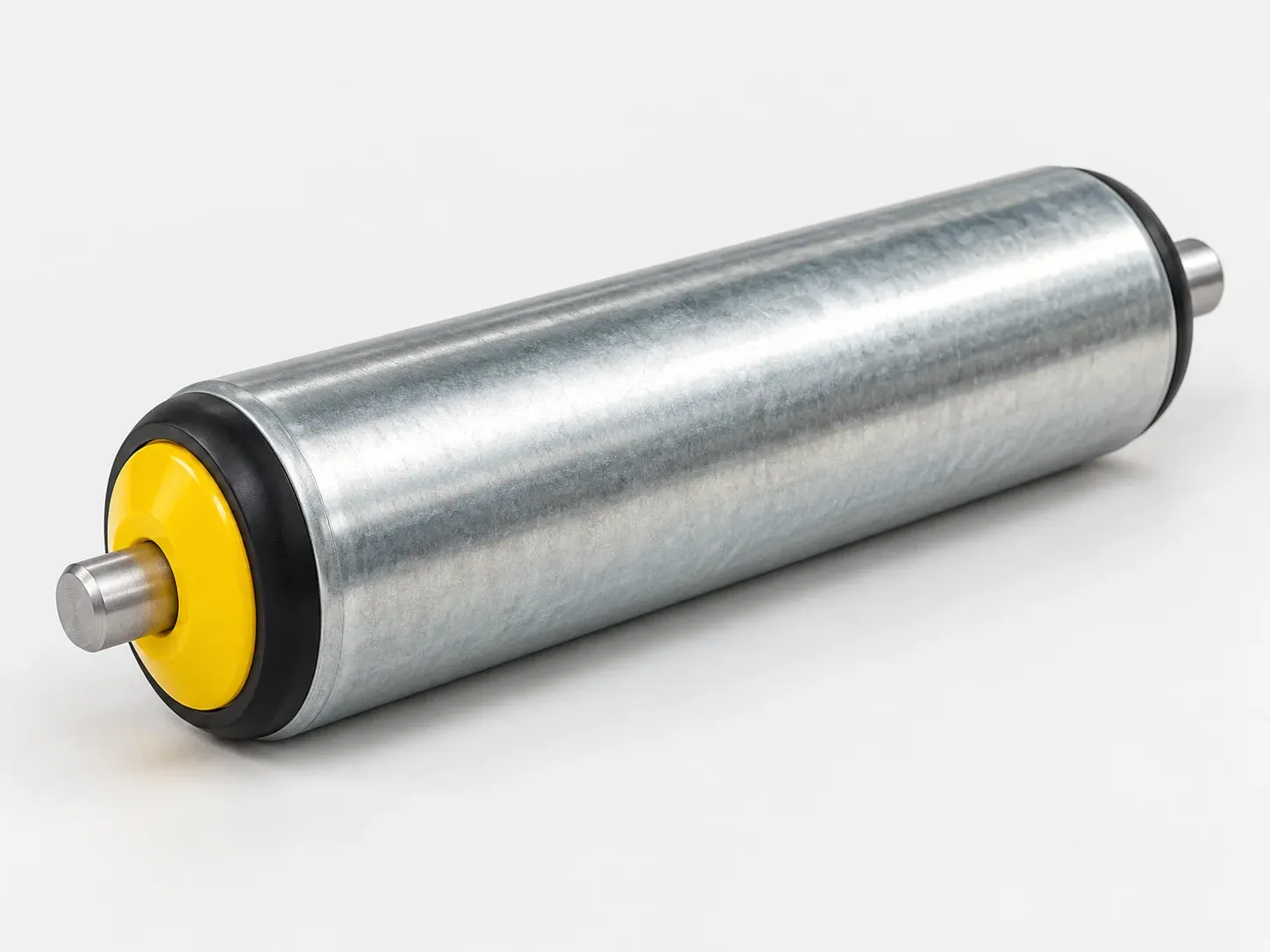
| Conveyor rollers | Plain, driven and motorised rollers, straight and curved modules | Roller diameter commonly 38 to 89 mm; line speed about 0.1 to 0.5 m/s | Packing halls, distribution, assembly lines | Conveyor rollers |
The numbers are general class values from our product pages. Ratings are issued for the exact units in a quotation.
Choosing between them
If the thing you need to move is a machine that weighs several tonnes and will sit still again once it arrives, you need skates. The job is a one-off or an occasional move, and the main risks are floor strength, centre of gravity and route clearance. The battery-powered machine skate drives the move, and followers carry the other support points. The longer how-to is in machine skates: moving heavy machinery safely.
If you need items to travel between stations repeatedly, you need a conveyor. The deciding facts are the size and base of the smallest item, its weight, the speed you want and whether items must queue without pressing on each other. The general-purpose conveyor rollers cover cartons, totes and pallets on level or inclined sections.
Some sites need both: skates to install the sorting machine, then conveyors to feed it. Plan them together so that the machine height and the conveyor height line up.
Power and site notes
Machine skates are battery powered, so charging space and a suitable mains supply matter more than the voltage of the building. Motorised conveyor rollers run on low-voltage DC fed from a controller on local mains. Say whether your supply is 220 to 240 V at 50 Hz, or 110 to 120 V at 60 Hz. Dusty, wet or cold areas change the roller material and the cleaning routine, and skates need a flat, hard floor with a known bearing capacity.
What to send for a quote
- What you are moving: weight, dimensions and base shape
- One-off move or repeated daily transfer
- Route, floor type and any slopes, doors or turns
- Country and mains supply
- Layout sketch or photographs
Use the quote form once you have these to hand.