Start with the daily volume
Concrete equipment is bought by the cubic metre per day, not by drum size alone. A mixer that makes 0.3 m³ per batch can still fill a house slab if you have a week; a garden wall footing needs only a few batches. Estimate your peak daily pour, then choose the machine class below.
| Class | Batch size | Mobility | Best for | Our models |
|---|---|---|---|---|
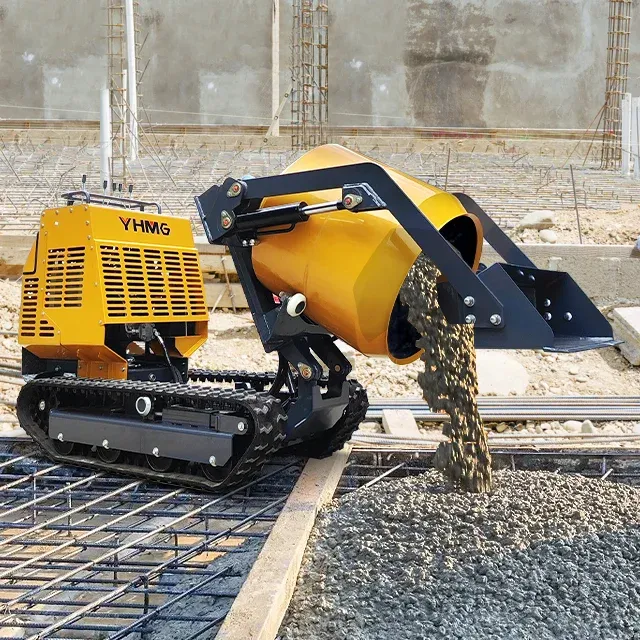
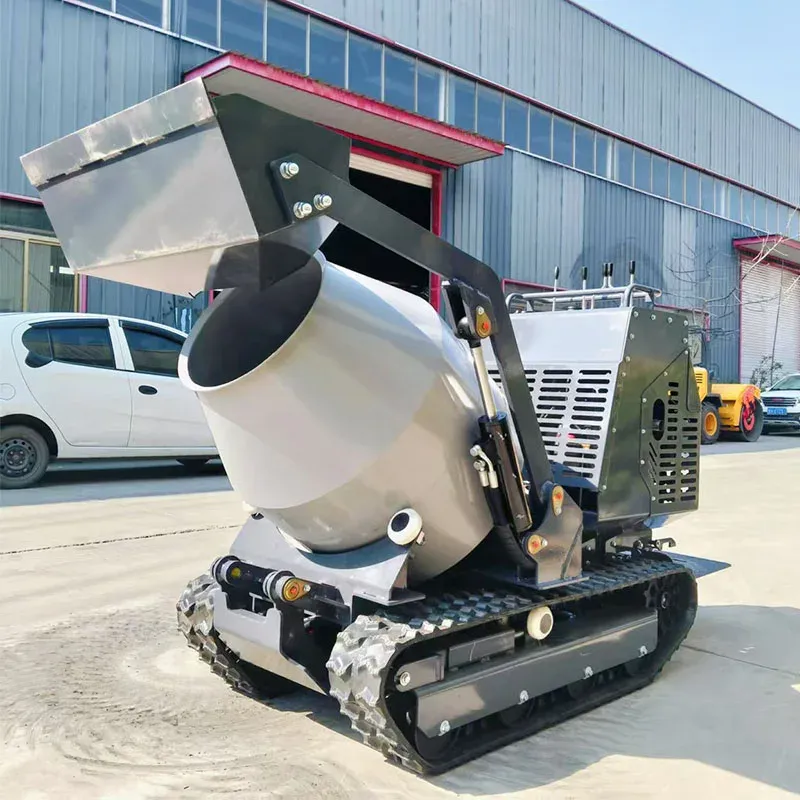
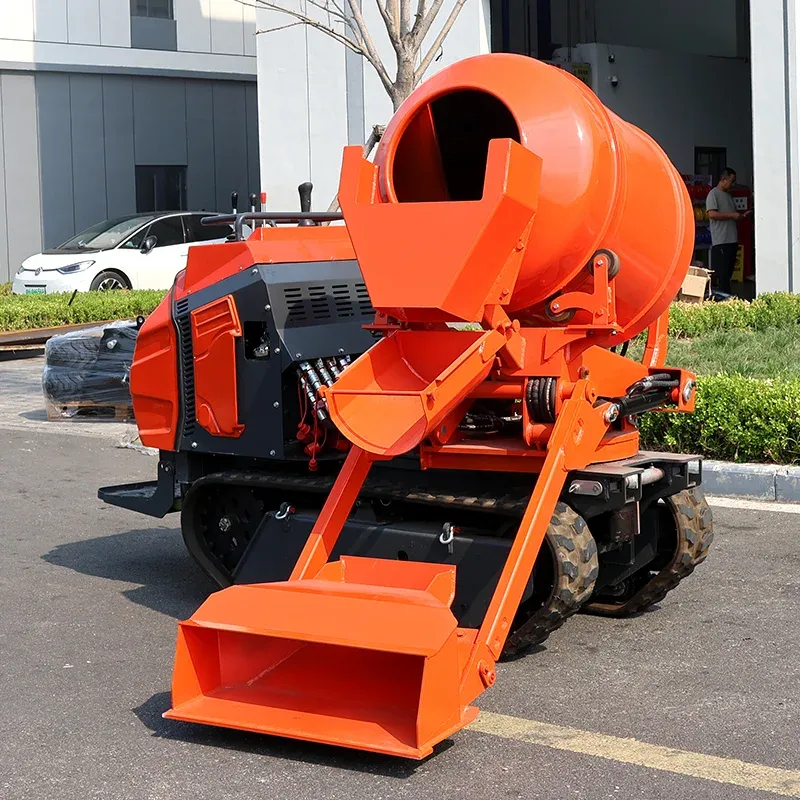
| Tracked mini mixer | 300–500 L | Crawler, 0–6 km/h | Tight access, soft ground, small pours | 300 L track mixer dumper, 350–500 L track mixer, 442 L self-loading track mixer |
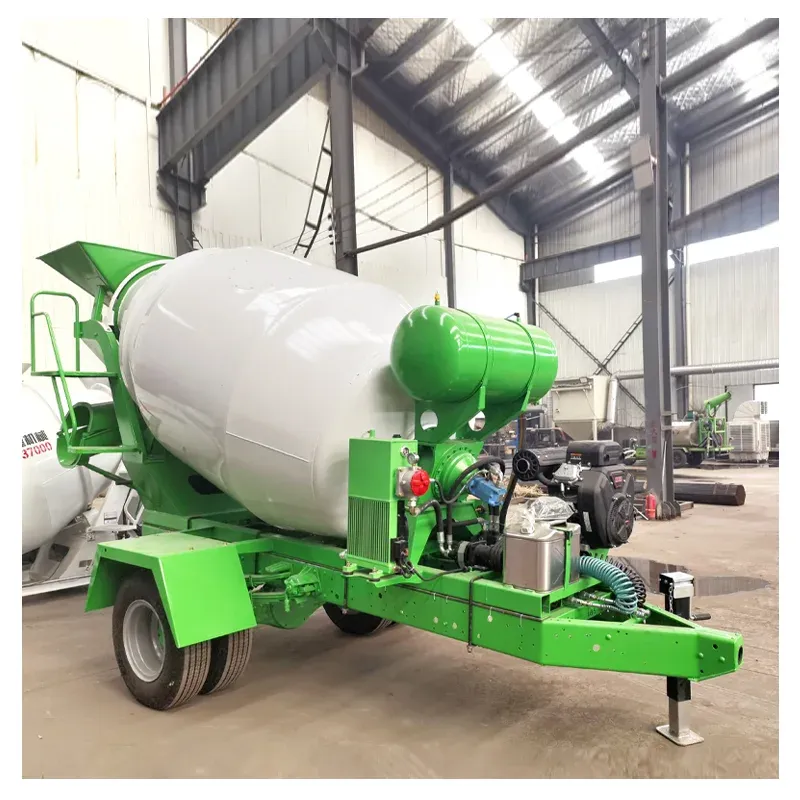
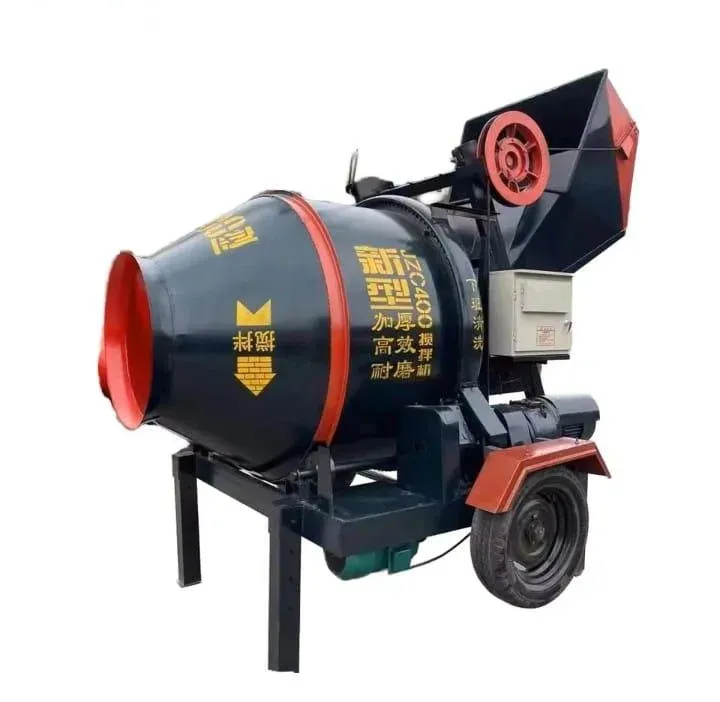
| Drum mixer | 320 / 480 L | Towed, diesel or electric | Farms, fixed work areas | 500 L drum mixer |
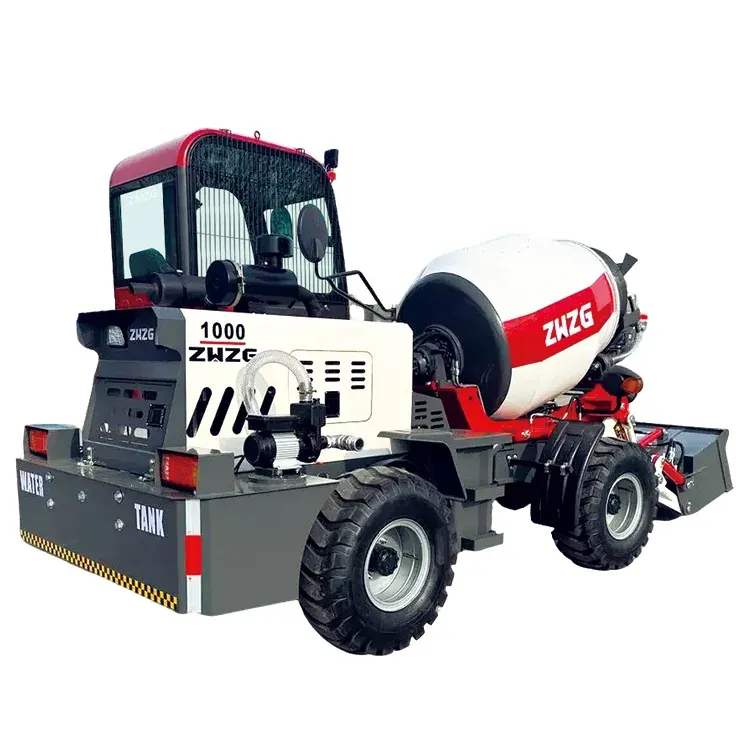
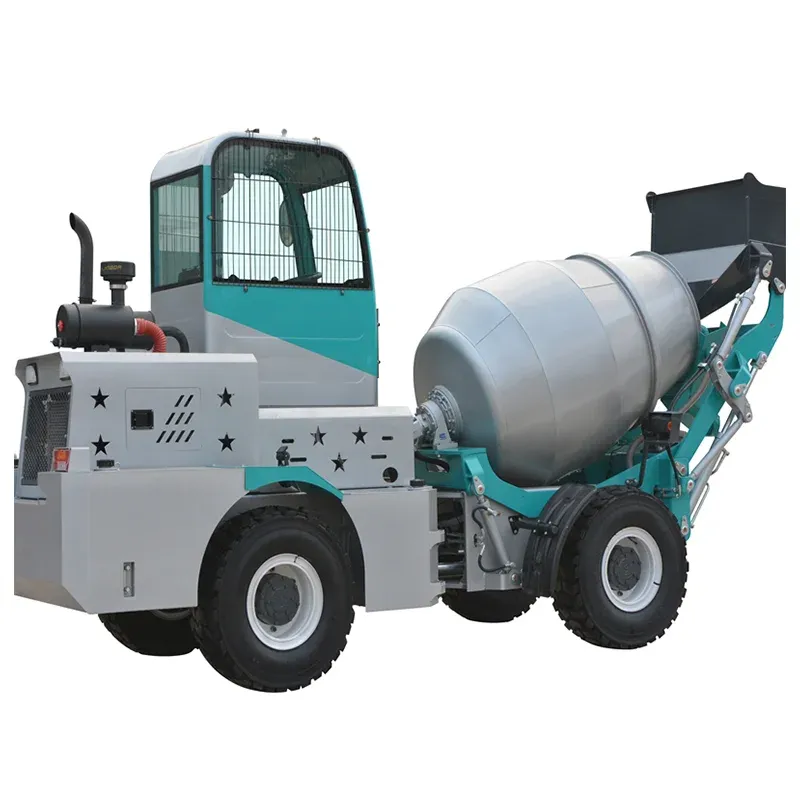
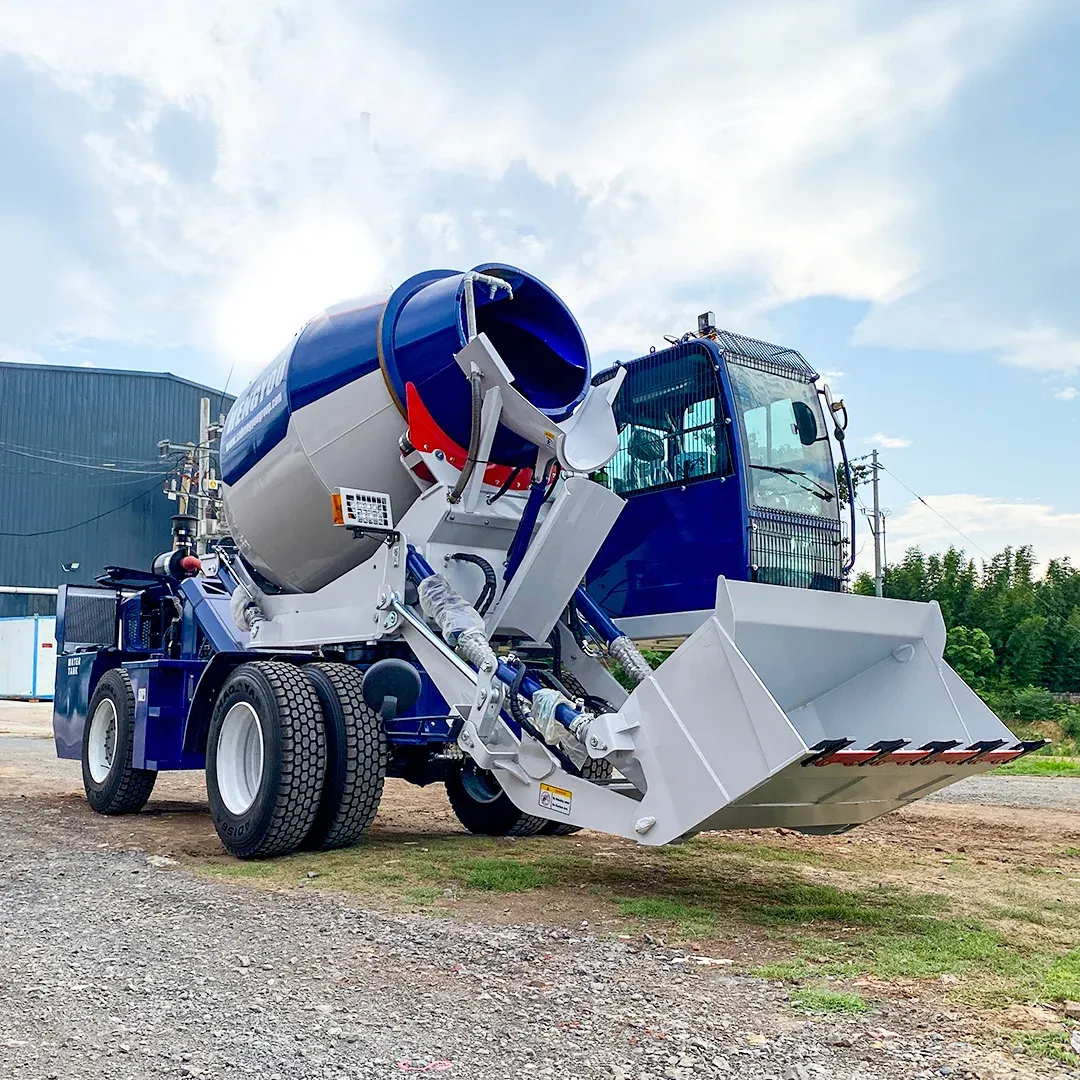
| Self-loading mixer truck | 1.0–6.5 m³ | Wheeled, up to 30 km/h | Remote roads, bridges, housing | 1.0 m³, 1.5 m³ 4WD, 6.5 m³ |
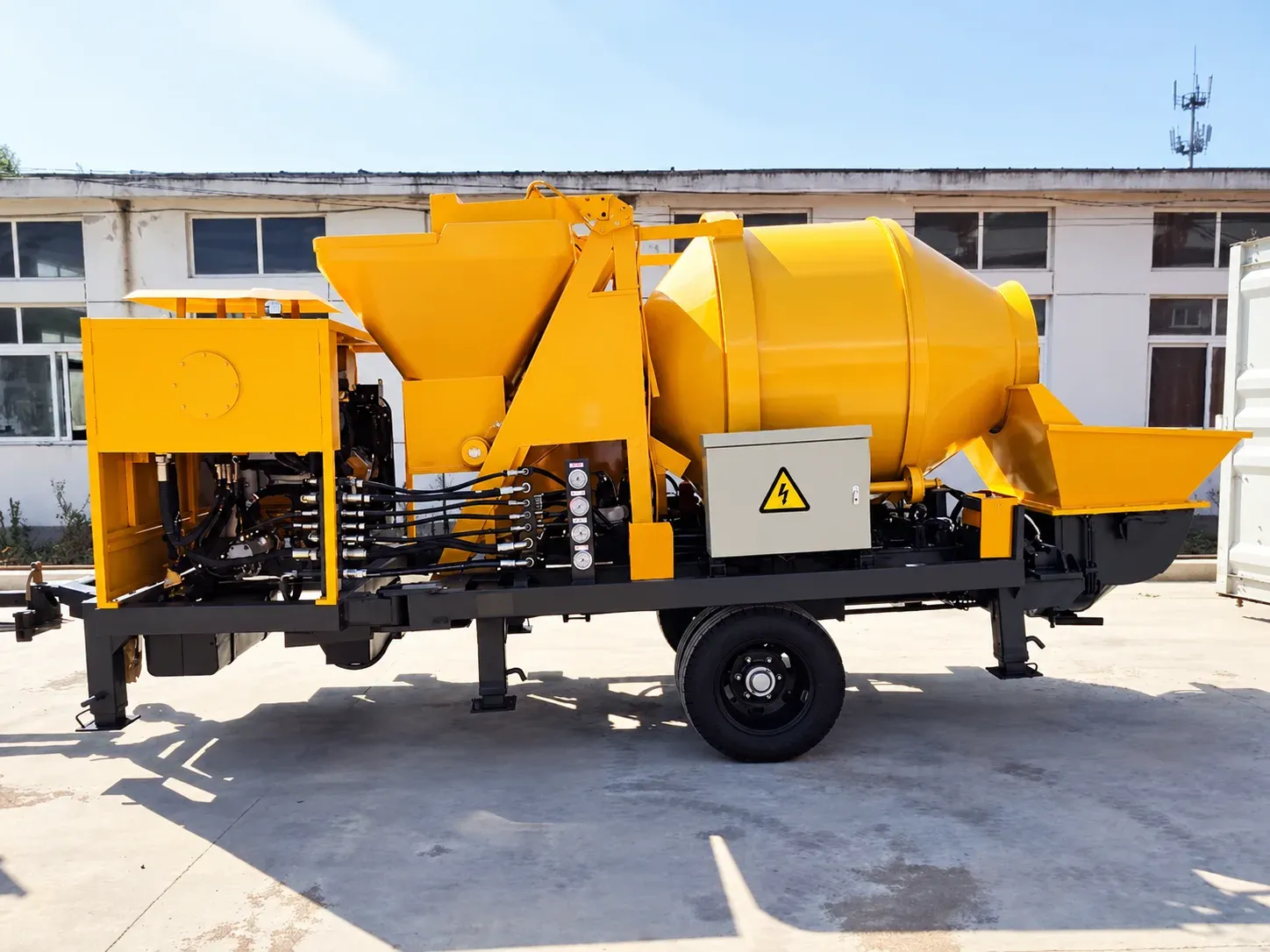
| Mixer plus pump | 40 m³/h theoretical | Trailer | Pumped pours without ready-mix | Trailer mixer-pump 40 m³/h |
Mixer types in short
- Tracked mixers load themselves with a small bucket, mix and tip at the pour. The 442 L unit is rated at 2 m³/h; the 350–500 L series states 10–14 m³/h, so confirm which figure applies to your batch cycle.
- Drum mixers are the lowest-cost way to make concrete when the work area is fixed. Check the aggregate limit: the 500 L model lists 40–60 mm.
- Self-loading mixer trucks carry aggregate, cement and water, mix on the way and drive to the pour. Read our deeper self-loading concrete mixer guide for sizing by batch and by day.
- Trailer mixer-pumps add a piston pump with a 10 MPa maximum pressure, which lets one crew place concrete into forms and at height without wheelbarrows.
Do you need to pump?
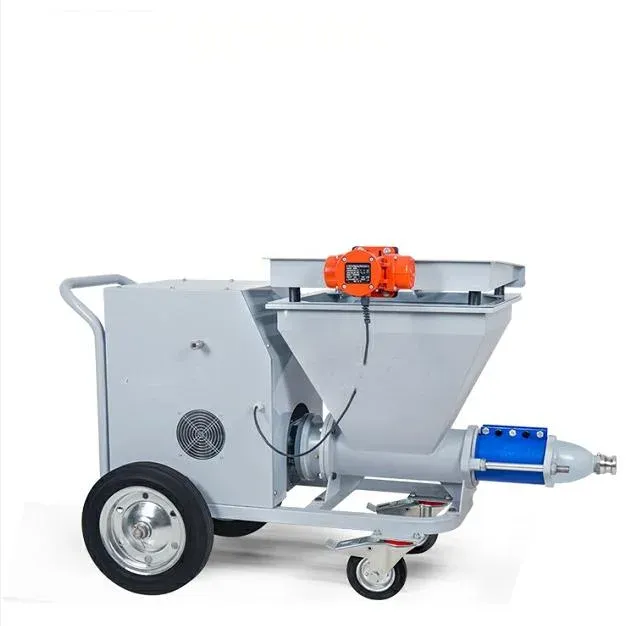
Pumping makes sense when the concrete has to reach floors above ground, cross obstacles, or flow into narrow forms; the pump also gives a steady flow that helps slabs and walls. On a small site a trailer pump removes the largest labour cost. For mortar and render, the electric mini mortar spraying pump sprays up to 15 m high and 40 m horizontally on a single-phase 220 V supply, with a maximum aggregate of 8 mm.
Power, water and aggregate
Check three things before you buy. First, the power: diesel for remote sites, electric only with a reliable supply. Second, water: self-loading mixers carry a tank, but a drum mixer needs a source and some of our models include a built-in pump. Third, aggregate size: the pump hose and mixer blades limit the largest stone.
Block and brick production
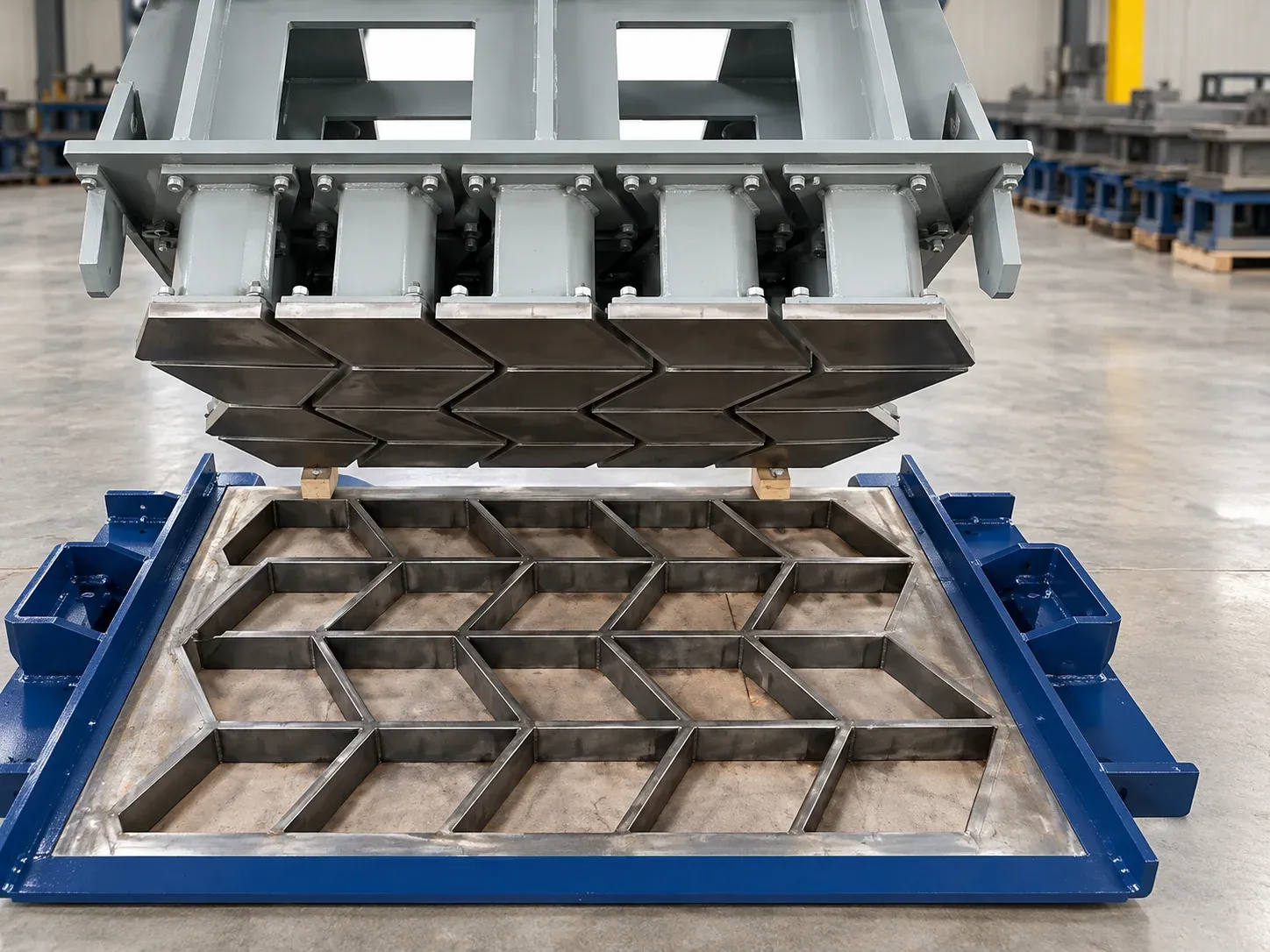
If your plan is to produce paving bricks or hollow blocks rather than pour concrete, look at the paving brick and block mold sets, made to your brick drawing and your block machine’s mounting pattern.
Cleaning and wear
Concrete hardens inside whatever it is left in. A mixer needs a wash-out with water and gravel at the end of every shift, and a pump line must be flushed before the mix sets. Drum blades, pump pistons and hose couplings are the wear parts, so ask for a spare set in the first order if the site is far from a supplier.
What to send for a quote
- Peak daily concrete volume and project length.
- Pour height and pump distance, if pumping.
- Largest aggregate size and the mix you use.
- Fuel or power available (diesel; voltage and phase if electric).
- Site gate widths, ground conditions and gradient.
- Whether the mixer must be self-propelled or towed.
- Destination port.
Compare the other site machines in the construction and mining range, and pair a mixer with a site dumper when concrete must travel across soft ground. When your list is ready, send it to our team.