Pick the class from three numbers
Buyers usually start with tonnes, but three measurements decide the purchase: the deepest trench, the narrowest opening the machine must pass, and what you will hang on the arm. Operating weight is only a proxy for them. Size classes are not an industry standard, so read the dig depth, reach and width lines on each product page rather than trusting the label.
Our eight models cover three practical classes:
| Class | Models on this page | Dig depth | Width / footprint | Best for |
|---|---|---|---|---|
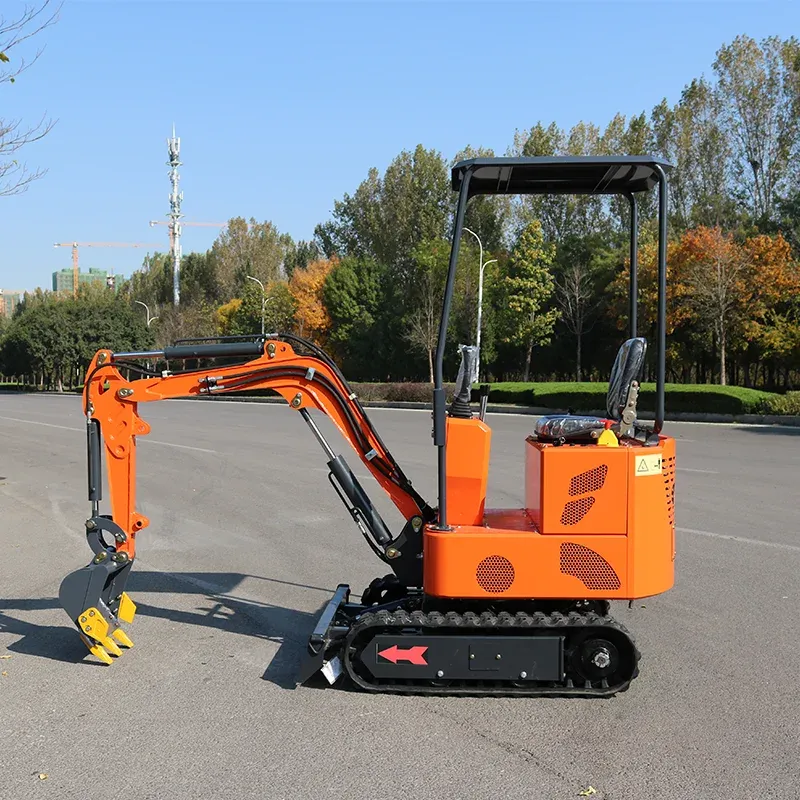
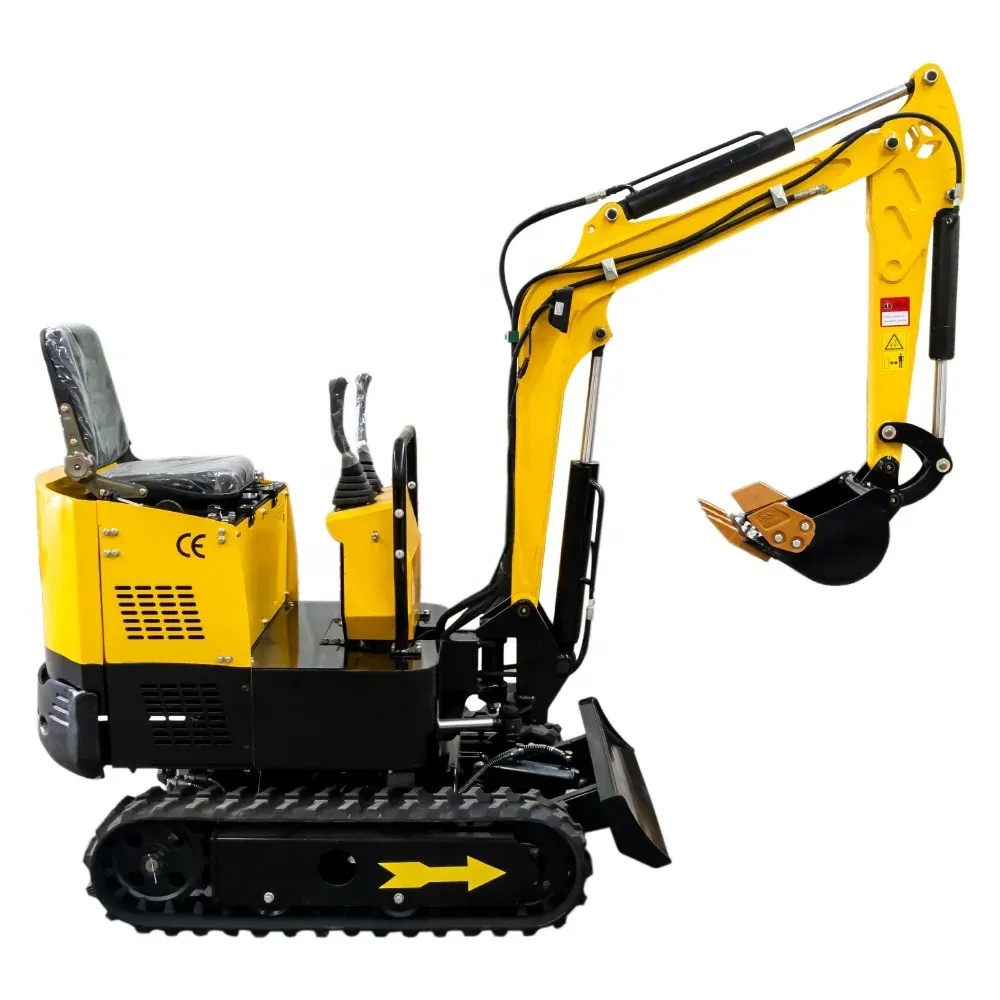
| About 1 t | 900 kg multi-attachment model, 1,100 kg farm and garden model, 1,000 kg electric 9 kW model | 1,400–1,735 mm | 950–1,000 mm wide on two of them | Gates, greenhouses, indoor access, shallow drains, post holes |
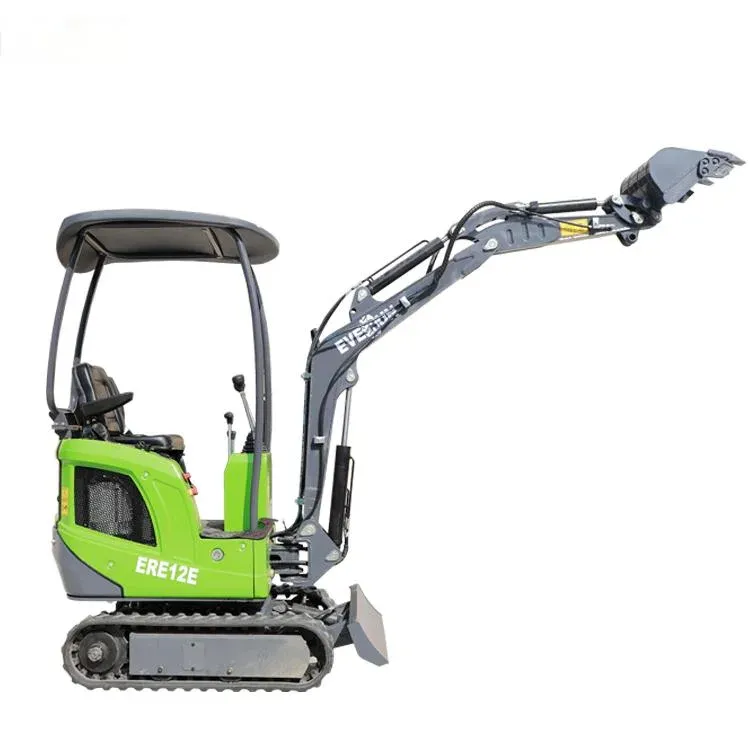
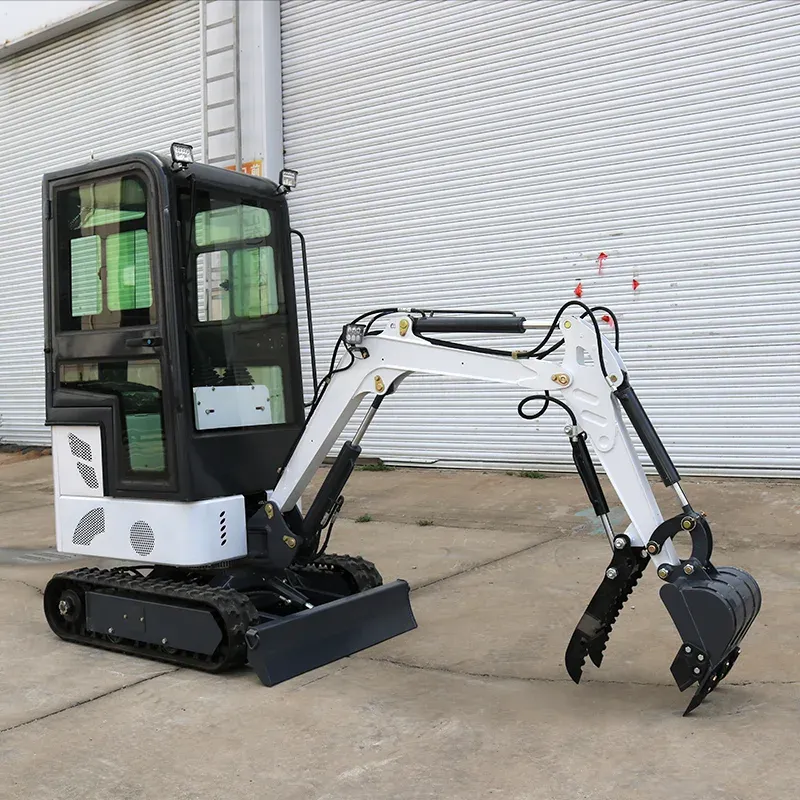
| 1.5 t class | Enclosed 1,500 kg electric model; two 10 kW battery models with 1,100 kg machine weight | 1,550–2,140 mm | 180 mm tracks on the battery pair | Small trenches, noise or emission-controlled sites |
| 2–3 t | 2.5 t hydraulic model (1,952 kg, 18.2 kW); electric range up to 3 t | 2,050 mm; up to 2.6 m in the range | Wider, needs a trailer | Pipe trenches, foundations, longer shifts |
The first class is where width wins. The 1 t farm and garden model is 950 mm wide with a boom that swings 30° left and 90° right, which lets it dig beside a wall without repositioning. The 2.5 t machine reaches 3,860 mm and digs to 2,050 mm, which is the point where a standard 1.5 m pipe trench becomes comfortable. The 1 t farm and garden model lists 4 kW; check its page for the power type you need.
Battery or engine power
| Battery electric | Engine-driven | |
|---|---|---|
| Our models | 0.8–3 t electric range (10 kW base), 1,100 kg 10 kW pair, 1,500 kg enclosed 7–14 kW, 1,000 kg 9 kW | 900 kg model (12 HP), 2.5 t model (18.2 kW, three-cylinder diesel typical for the class) |
| Strong points | Quiet, no exhaust, suited to indoor and noise-limited work | Refuel in minutes, no charging infrastructure |
| Watch | Charging time, supply voltage and frequency at your site | Fuel supply and local emission rules |
Typical class values are a few hours of mixed digging per charge and a multi-hour recharge; confirm the pack and run time for the exact model. For a longer comparison of size, depth and trailer weight, see our mini excavator sizing guide.
Details that change the real result
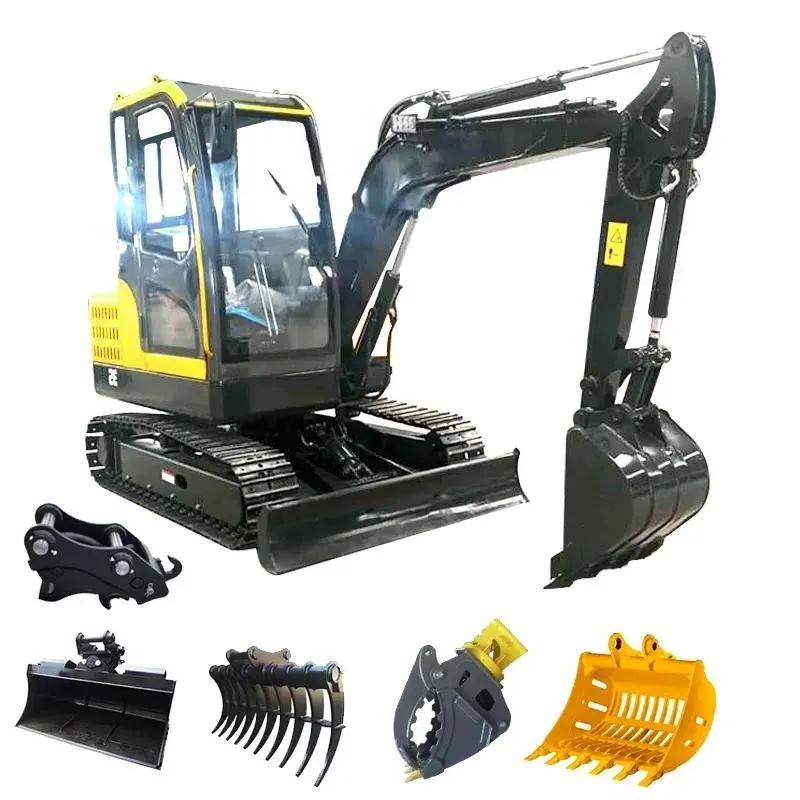
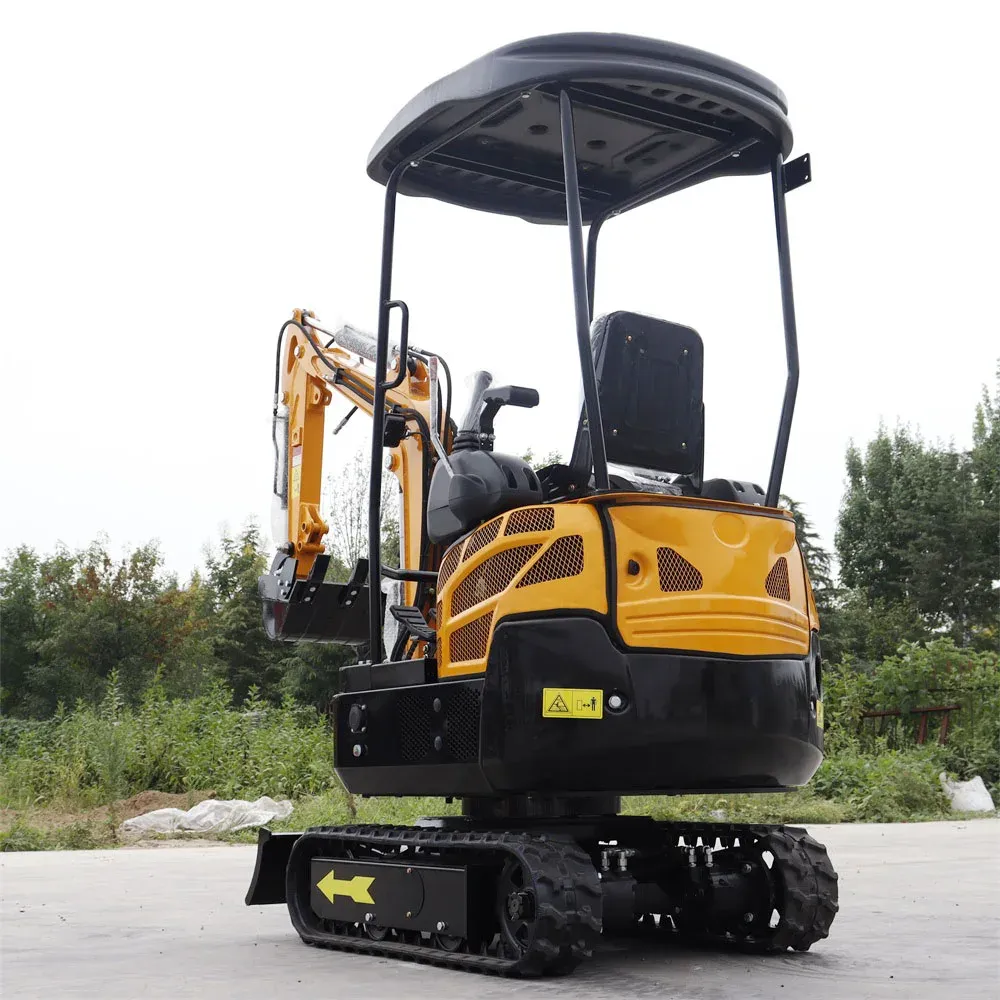
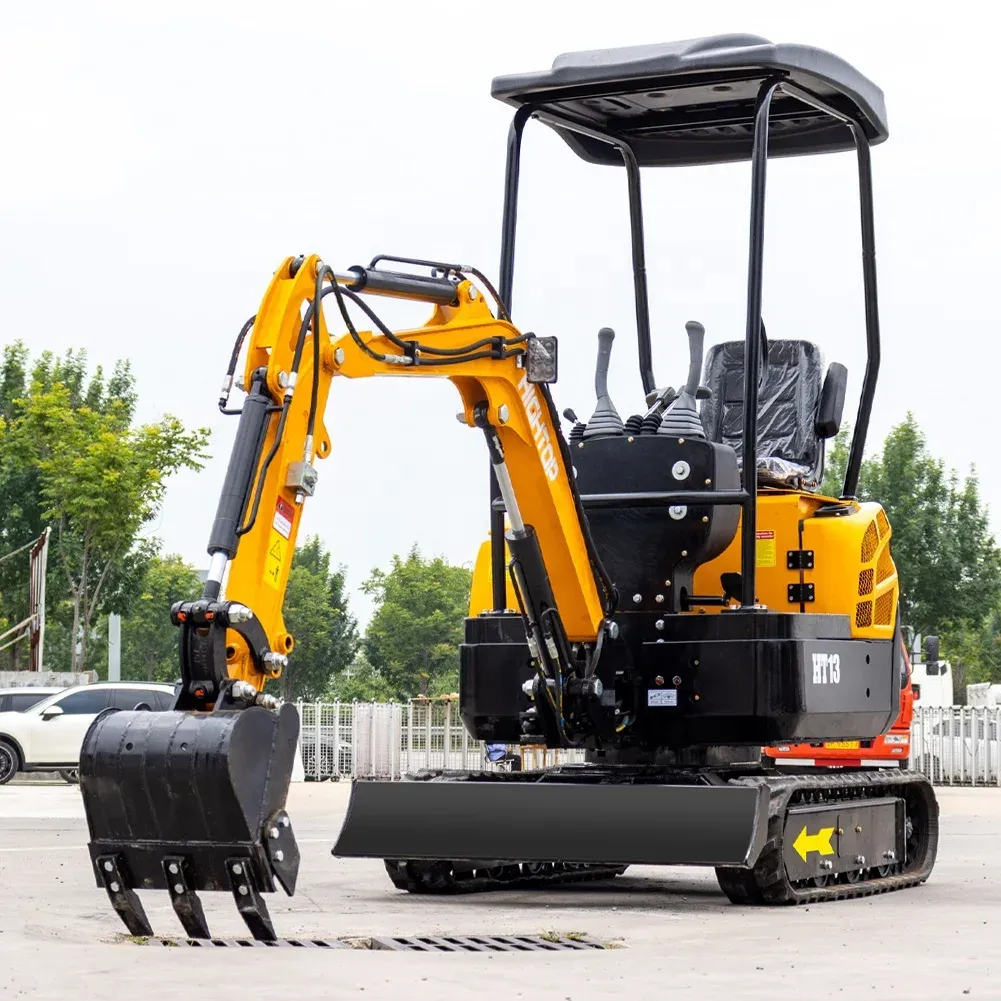
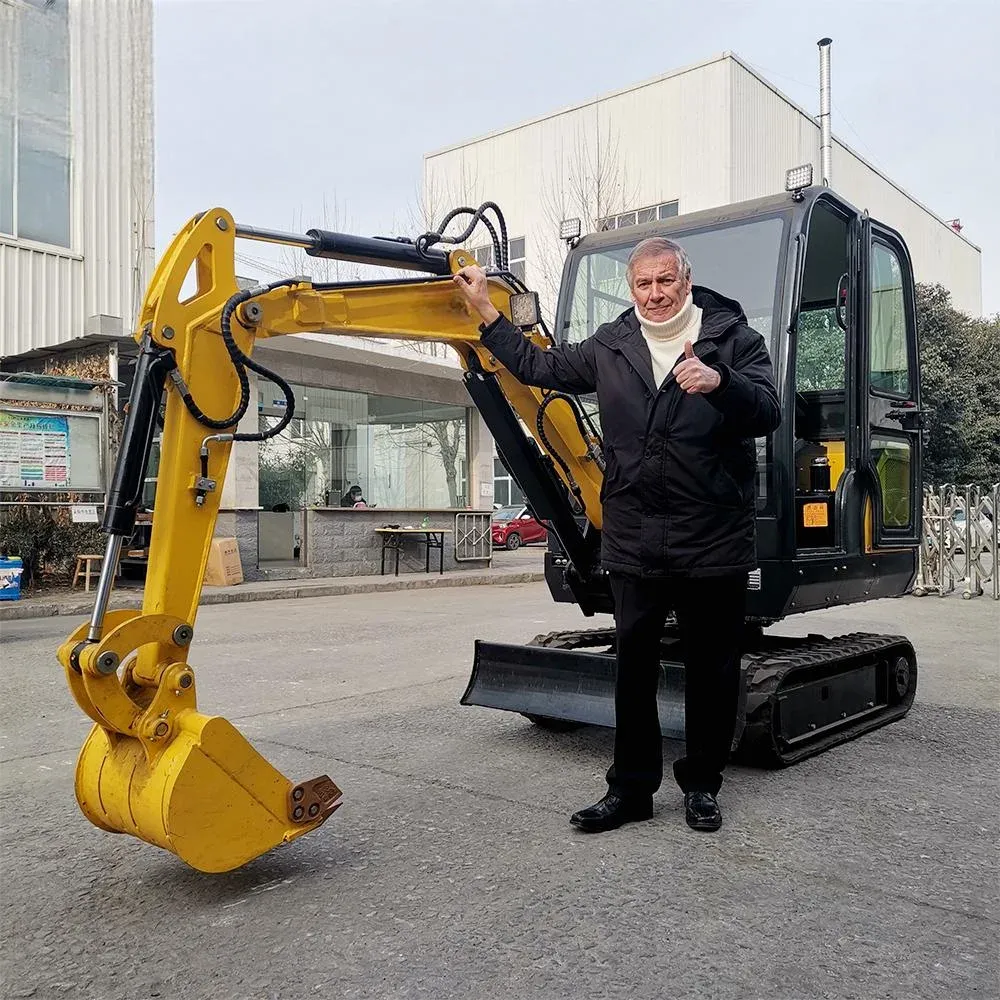
Two machines of the same weight can behave very differently. Look at the track width first: the 180 mm rubber tracks on the 1,100 kg battery pair protect lawns and paving but give less grip on wet slopes than wider tracks. Then check whether the cab is open, canopy or enclosed. An enclosed cab, as on the 1.5 t electric model, keeps out dust and cold but adds height, which matters if you drive into a low building. Finally, ask about the dozer blade, which steadies the machine while it digs and levels backfill, and about a quick coupler if you will change tools often. Weigh the machine as shipped, with bucket and blade, when you plan trailer and crane lifts.
Matching a model to the job
- Orchard, garden or greenhouse access: the 1 ton crawler for farm and garden at 950 mm wide.
- Quiet, zero-exhaust trenching: the 1.5 ton enclosed electric model with an enclosed cab and 2,140 mm dig depth.
- Mixed farm work with tools: the 1 ton multi-attachment excavator at 10.5 kN bucket force.
- Utility and foundation work: the 2.5 ton hydraulic model at 18.2 kW.
If the job also involves loading, hauling or pushing material rather than digging, look at skid steer loaders or site dumpers in the same construction and mining range.
What to send for a quote
- Deepest trench and required reach, and the soil type (loose, clay, rock).
- Width and height of the narrowest gate, door or lane on site.
- Attachments planned: auger, breaker, thumb, extra buckets.
- Battery or engine, and for battery models the mains voltage and frequency available.
- Trailer or truck that will carry the machine, plus destination port and quantity.
Send these through the contact page and we will suggest the smallest model that clears your hardest job.