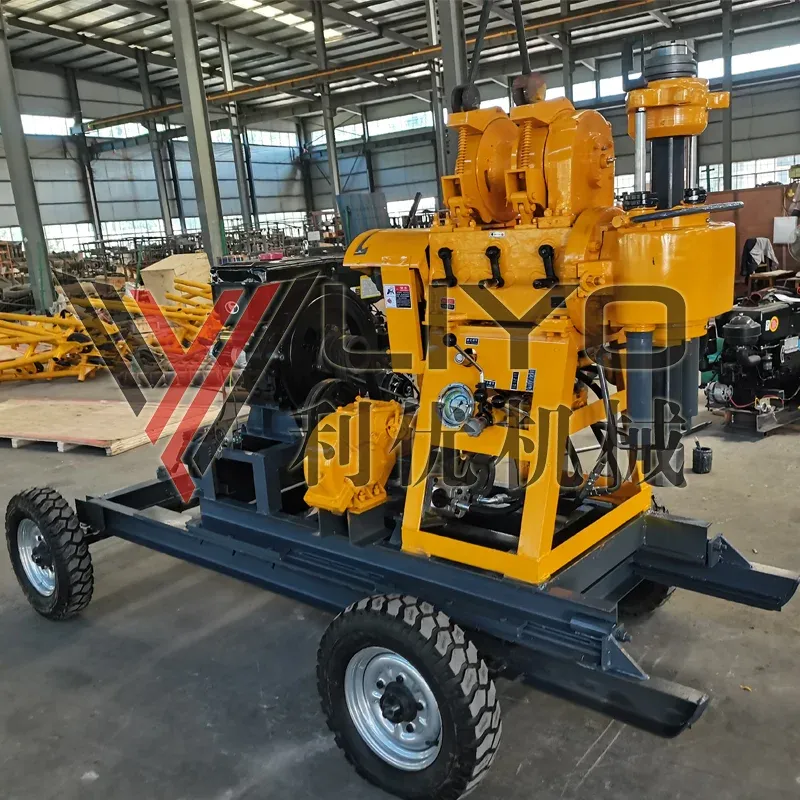
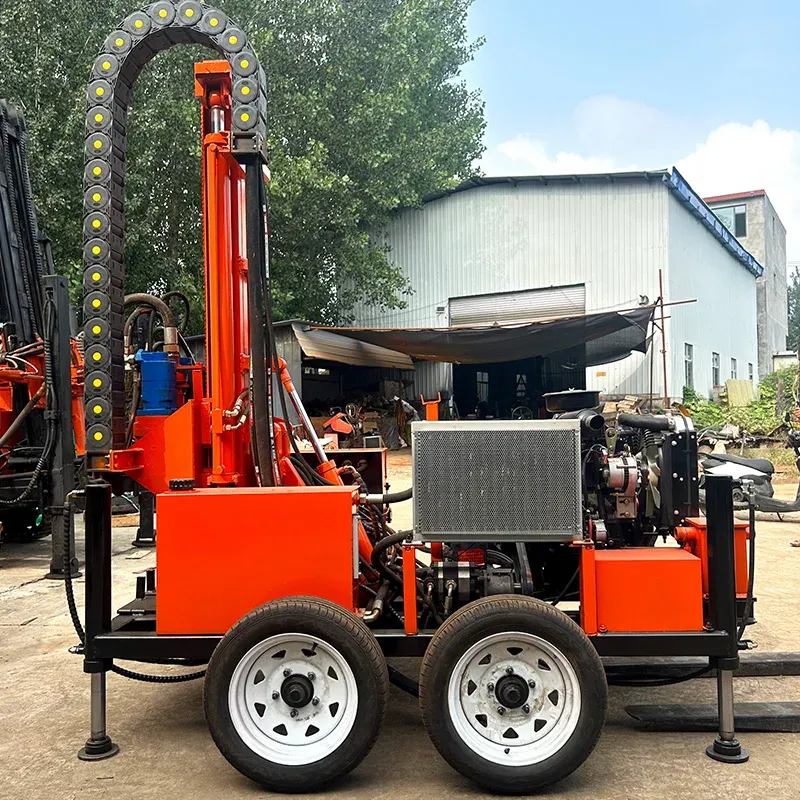
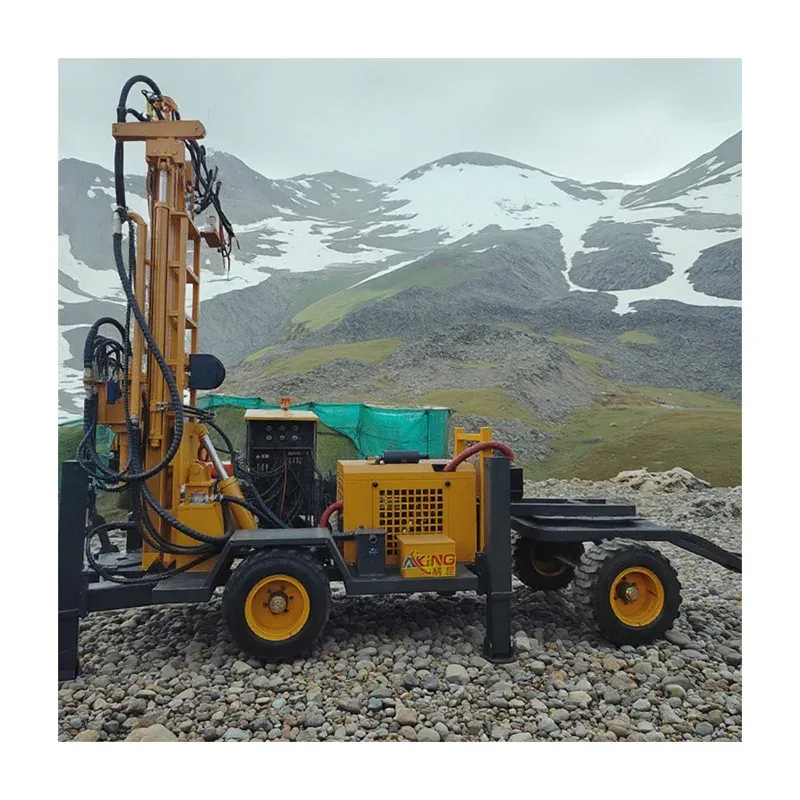
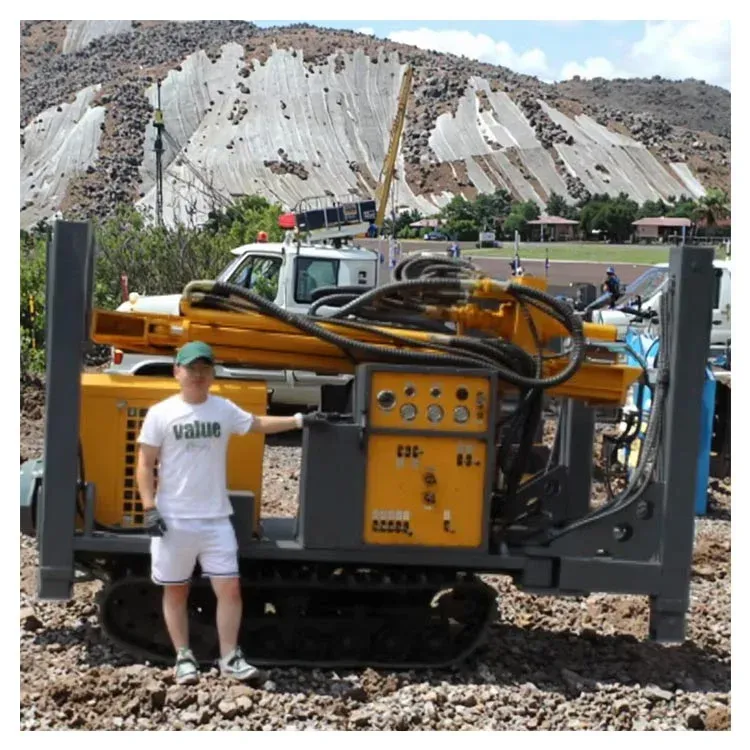
Pick the job first
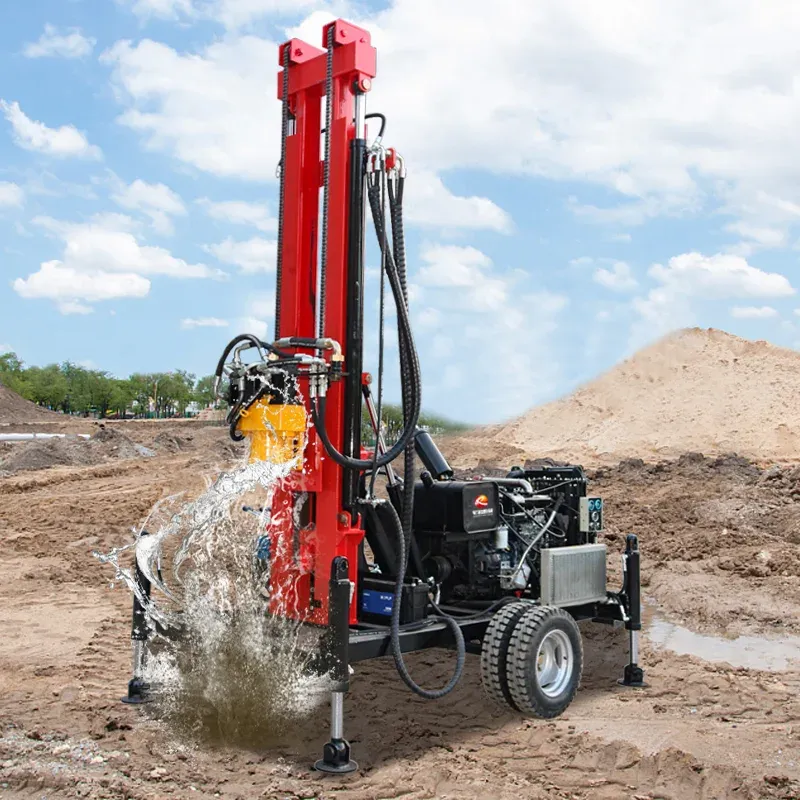
A drilling rig is defined by three numbers: hole diameter, depth and the rock it has to go through. Water wells want a bigger hole to take casing and a pump; exploration wants a cored sample; quarry blasting wants straight holes in hard rock. The rig is then matched to those numbers.
| Job | Method | Depth in our range | Hole diameter | Our models |
|---|---|---|---|---|
| Water well, soft to medium ground | Hydraulic rotary | to 200–300 m | 76–325 mm | 200 m diesel rig, 300 m wheeled rig, 300 m top-drive rig |
| Water well, large hole, electric | Hydraulic rotary | see product page | up to 554 mm | 75 kW rotary rig |
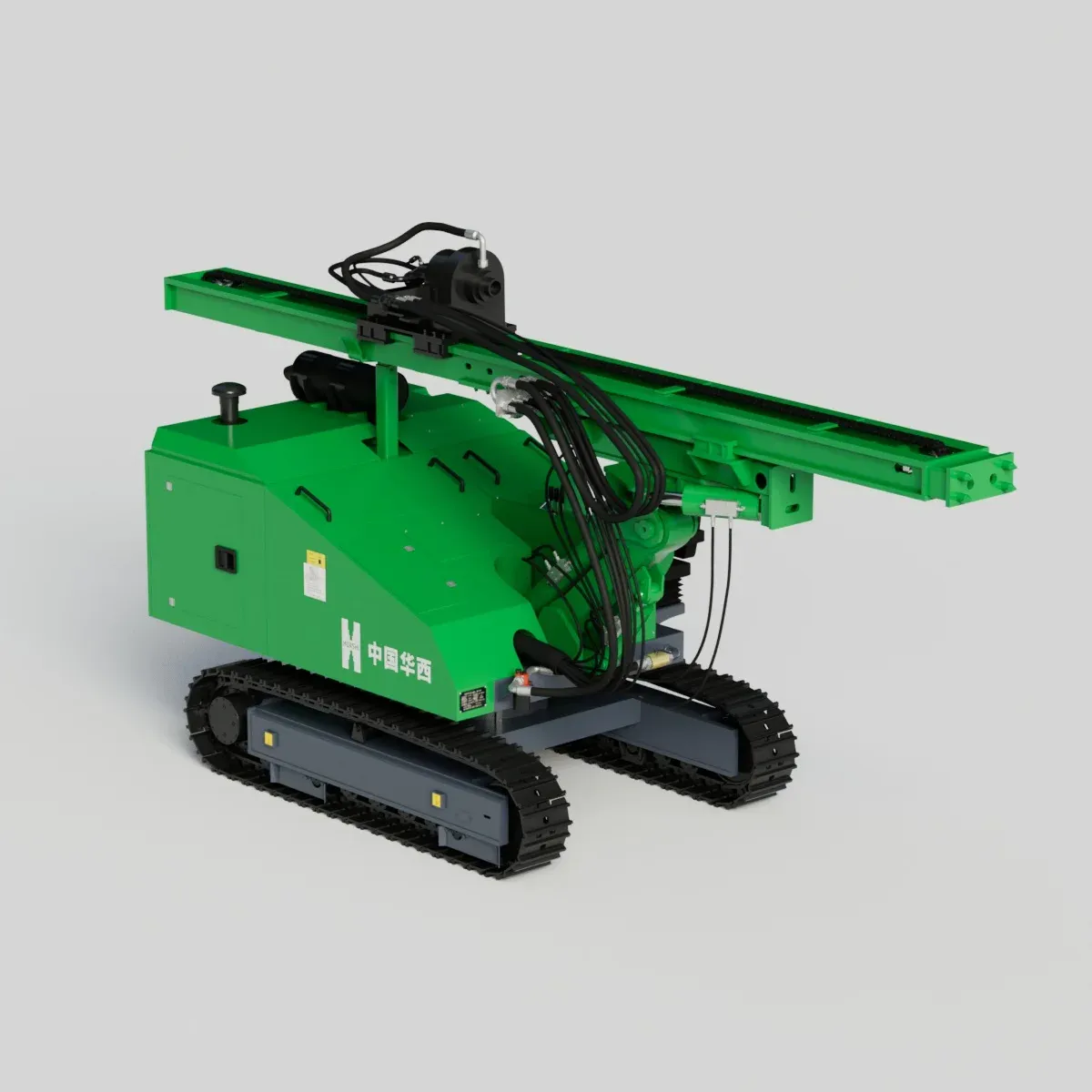
| Deep or rocky borehole | DTH, crawler | to 500 m | 60–300 mm | Crawler DTH rig |
| Exploration and sampling | Core drilling | 200 m, and 600 m small bore | 50–100 mm listed | 200 m core rig, 600 m portable drill |
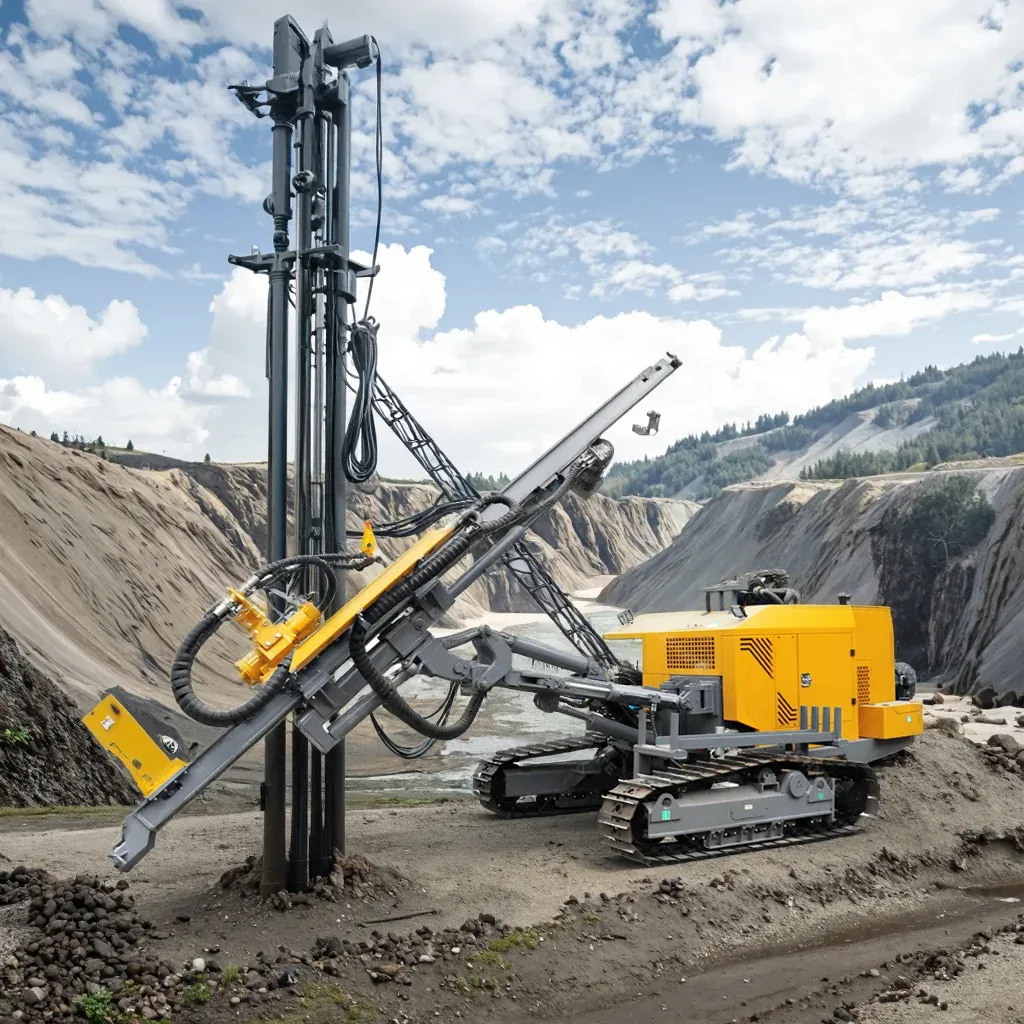
| Mine or quarry blasting | DTH | 30 m | 200–250 mm | 30 m DTH blast-hole rig |
The depth figures are the ratings shown on the product pages. The rig’s weight is a guide to the size of carrier you need: from 530 kg for the portable drill to 6,200 kg for the blast-hole rig.
Rotary or DTH
Rotary drilling rotates a bit with downward pressure and flushes cuttings with mud or air; it suits soft to medium rock and costs less to run. In hard or abrasive rock, DTH is generally the faster route, because the hammer works at the bottom of the hole and little energy is lost in the rods. The price is an air compressor on site and higher consumption of air and fuel. Our water well rig guide works through a 150 m example and explains how to decide between DTH and mud rotary.
Power and carrier
Diesel rigs are the default because they need no grid: a 37 kW engine on the 200 m rig and 78 HP on the wheeled 300 m model. The electric 554 mm rig is a 75 kW, 380 V machine and needs a matching supply, which many rural sites cannot give. Carrier matters as much as power. Wheeled and trailer rigs are quick to move on roads; the crawler rig climbs rough terrain; the 530 kg portable drill is carried in pieces to sites no vehicle can reach.
Matching the rig to the water well
For a village borehole, work out static water level, expected yield and the casing diameter, then add margin to the depth. A rig rated for 200 m is not a rig that can drill 200 m at 325 mm in rock. If the ground is unknown, say so; a nearby well log helps us suggest a configuration.
Setting up and running costs
Allow for more than the rig itself. Drill pipe, bits and hammers wear out and are bought by the metre drilled; water for flushing or a mud pit has to be organised before you start; and a crew needs to be trained in rod handling and safe operation. Our product pages list a drill pipe set as standard, so ask what length and quantity is included for your depth, and order spares for the first season.
What to send for a quote
- Target depth and hole diameter, and the casing or sampling plan.
- Ground description: sand, clay, weathered rock, granite.
- Drilling method you want, or the result you need.
- Compressor and mud pump you already have.
- Fuel or power supply on site.
- Road access and the heaviest load a bridge or track can take.
- Spare drill pipe, bits and hammers required.
- Destination port.
For rock blasting you may also need our crushing and screening plants downstream, and the full construction and mining range lists the other groups. When your list is ready, contact us.