Two products, two buyers
Mining safety is a broad field, and this group is narrow. Most buyers here are either a mine safety department equipping underground crews, or a distributor or prospecting team sourcing detectors. If you need ventilation or heavy machinery, see mine ventilation fans or crushing and screening plants.
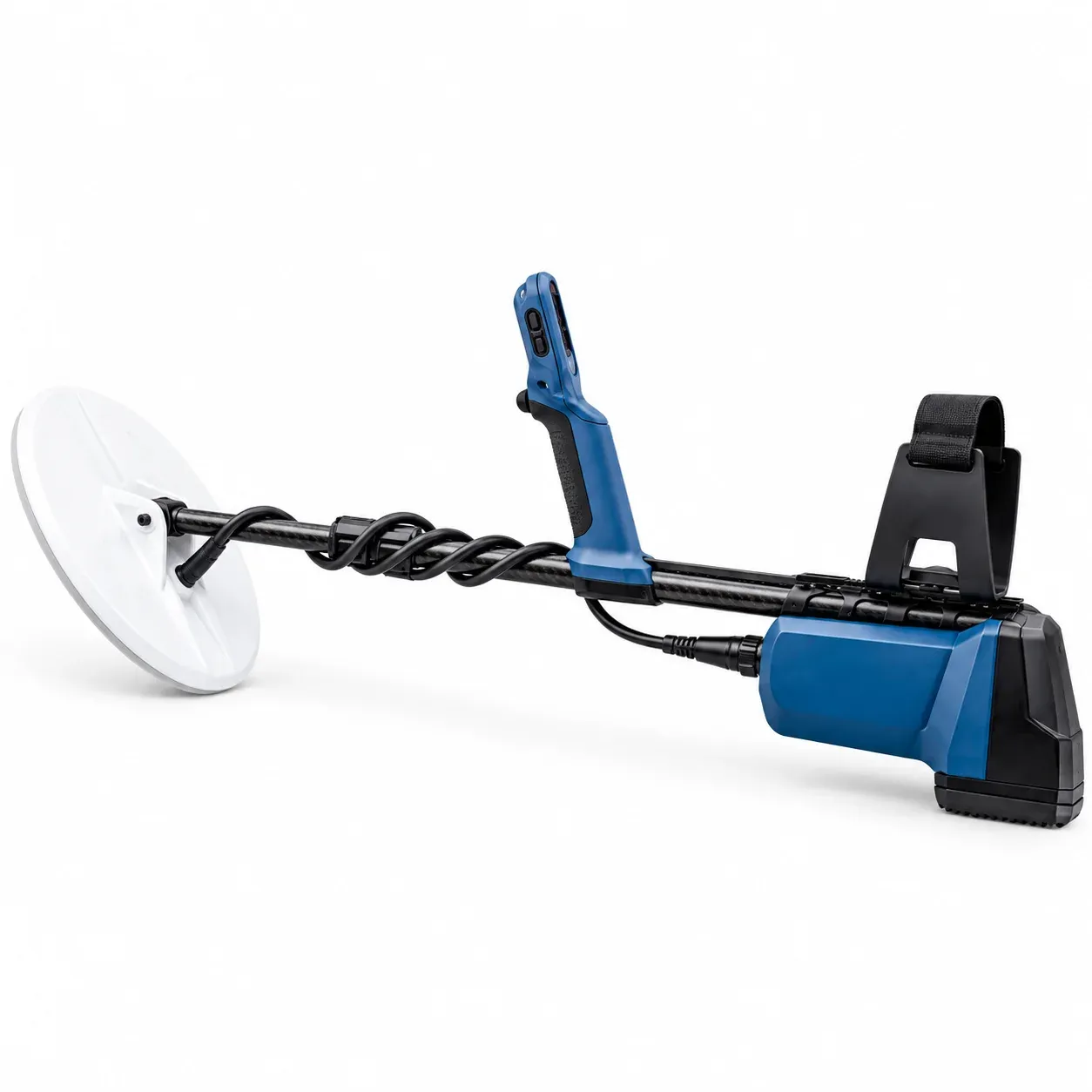
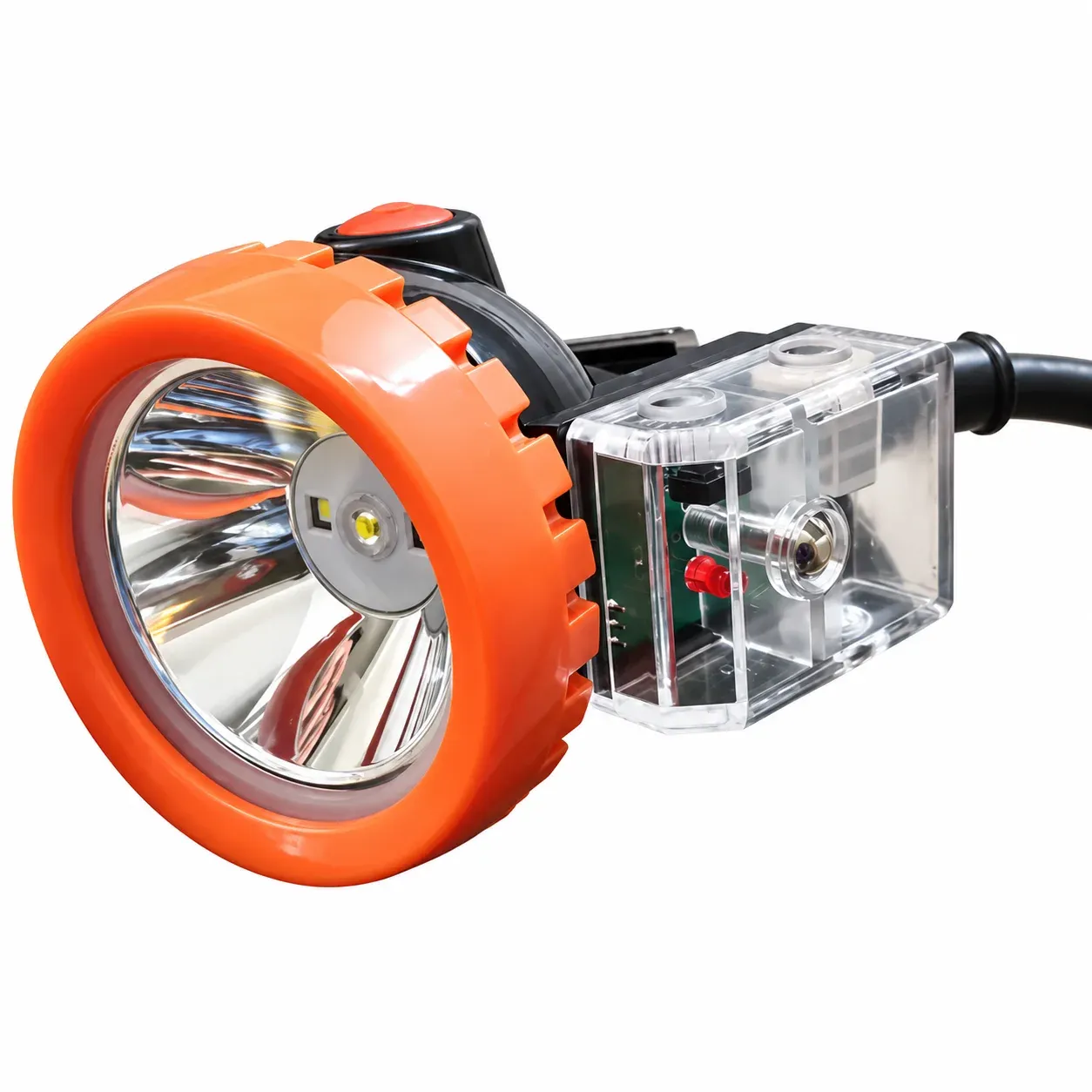
| LED miner’s cap lamp with methane alarm | Handheld pulse induction gold detector | |
|---|---|---|
| Use | Underground lighting plus methane warning | Gold prospecting in the field |
| Buyer | Mine safety offices, coal and gassy workings | Prospecting teams, detector distributors |
| Key numbers | 4 Ah / 3.7 V battery, 5,000 lx or more at 1 m | About 2.1 kg, coil waterproof to 1 m |
| Typical run time* | about 10–16 hours | about 8–15 hours |
| Approvals matter? | Yes, by country and mine type | Not in the same way; check import rules |
*Typical class values for this type of product.
Cap lamp with methane alarm
A cap lamp is worn on the helmet and gives the miner’s hands free light. The version in our range is an LED lamp with a built-in methane sensor that sounds an audible and visual alarm. Typical set points sit around 1–1.5 % methane. One government evaluation of a similar lamp-mounted detector found it reliably detected 1 % methane by volume in limited testing, which shows why the alarm point and calibration routine need care.
What to compare:
- Battery and charging: ours uses 4 Ah / 3.7 V, charges in under 10 hours and is listed at more than 500 cycles (test conditions to be confirmed). Order spares and a charging rack with the lamps.
- Sensor upkeep: methane sensors drift, so decide who calibrates and how often.
- Approvals: gassy mines usually require approved equipment. Ask for the documents your safety office needs before ordering.
Gold detector
Pulse induction sends short pulses through the coil and listens for the decay. It is widely used for prospecting because it tolerates mineralized ground better than many alternatives. Our detector has a folding shaft (about 155 cm extended, 67 cm folded), three coil options (monoloop, double-D, elliptical) and an operating range of -10 to +50 C.
Pick the coil by target: smaller coils favour fine gold, larger ones go deeper for nuggets. No detector finds gold at a fixed depth, so be wary of anyone who promises one.
Buying in volume
Lamps are rarely bought one at a time. A mine usually needs a lamp per worker, a spare share, a charging rack sized to the shift pattern and a calibration routine. Number the lamps so each one can be traced to its sensor check, and keep a few spare battery packs and lenses on the shelf. Detector orders for distribution are simpler: choose the coil mix and the accessory set, and agree packaging for your market. In both cases, state the destination country first, because documents and import rules differ.
What to send for a quote
- Product and quantity
- Country, mine type and approvals required (lamps)
- Methane alarm set points and calibration method (lamps)
- Charging rack size and mains supply
- Ground type, target size and coils wanted (detectors)
- Accessories: headphones, spare batteries, bags
- Destination country
Use our contact page and list the items above. The parent page, construction and mining equipment, shows the full range.