Construction, Mining & Roads · Complete line
Construction, Mining & Roads · Complete line
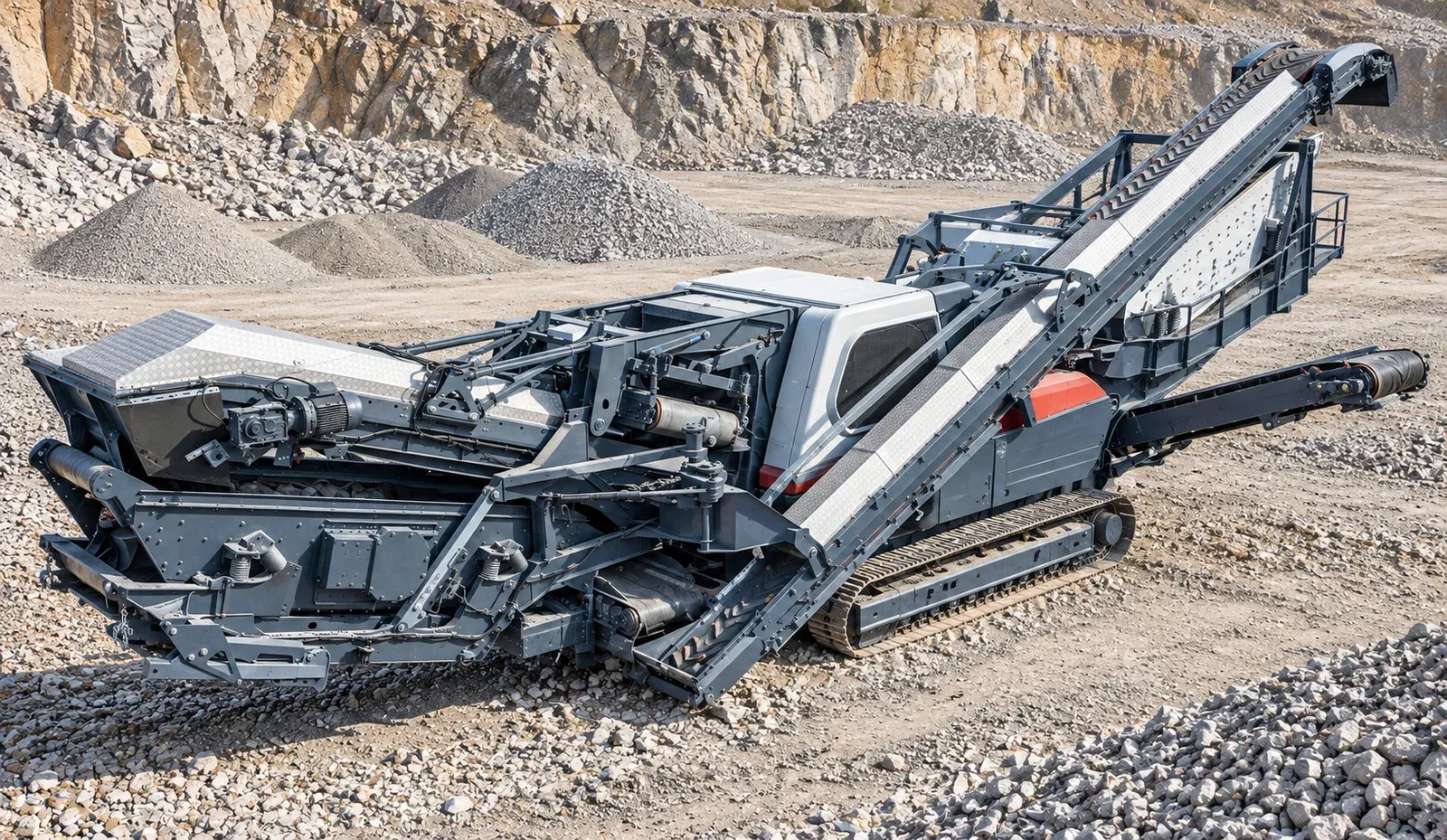
Crawler Mobile Jaw Crushing Plant
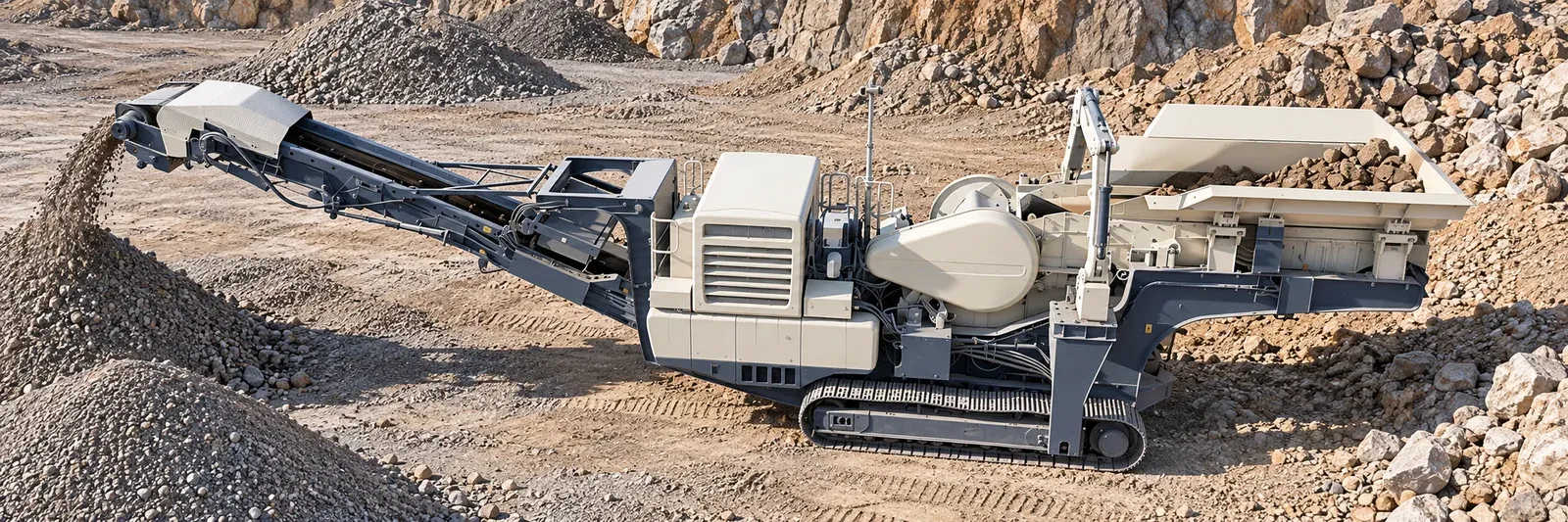
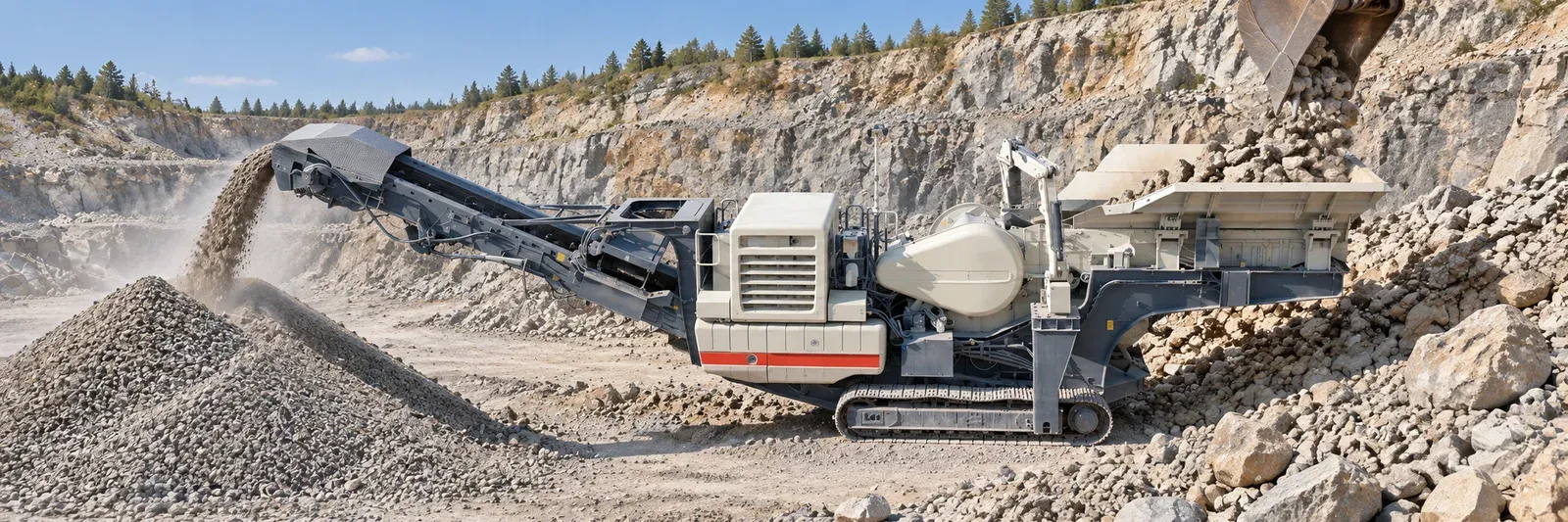
A crawler-mounted primary jaw crushing plant that moves under its own power between work faces and sites.
- Model
- MM-JCC
- Product group
- Mobile Crushing & Screening
- Crushing method
- Jaw, primary stage
- Chassis
- Crawler tracks
- Jaw crusher for primary crushing
- Crawler tracks for on-site movement
- Handles rock, ore, aggregate and demolition waste
- Can run alone or ahead of secondary crushing
- Quick relocation between sites
Overview
How it works
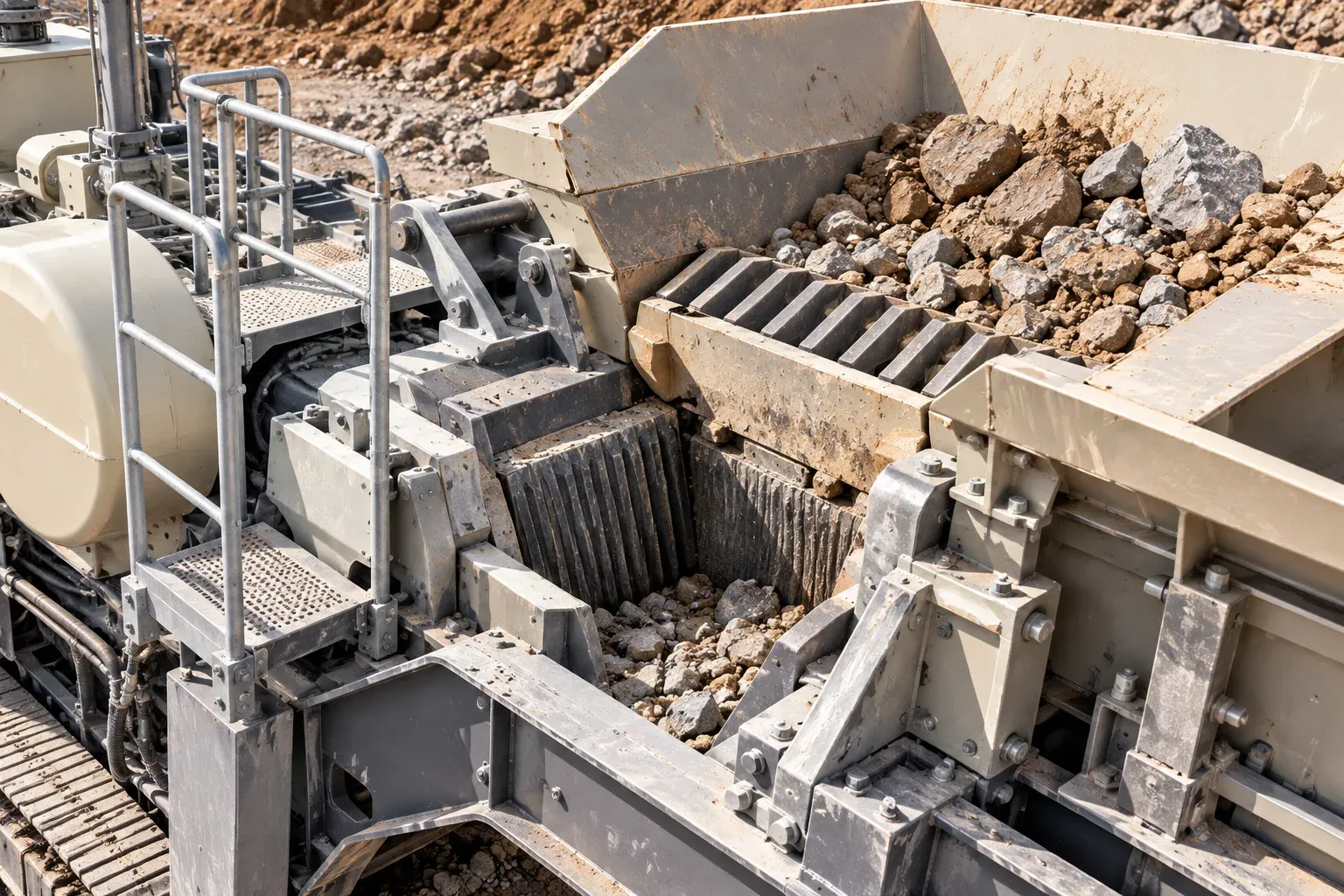
Material is loaded into a hopper by an excavator or loader. A feeder delivers it to a jaw crusher, where a moving jaw squeezes rock against a fixed jaw until it breaks to the set size. A discharge conveyor then stacks the crushed product. Because the whole plant sits on crawler tracks, it can drive itself to a new face or load onto a trailer for transport.
Why choose a mobile jaw plant
A fixed primary crusher needs foundations, civil works and a haul route to it. A mobile unit takes the crusher to the material, which reduces hauling and gets production started sooner. It is a common choice for quarries with moving faces, contractors working on several sites and demolition jobs where concrete is recycled on site.
What it handles
The plant crushes hard rock, ore, gravel and concrete. For demolition waste, it should be fed with a magnet or other metal control on the discharge. The jaw crusher is the primary stage, so many customers add a secondary crusher and a screen after it to produce graded products.
Choosing a configuration
- Feed material, maximum lump size and abrasiveness
- Target product size and the output you need per hour
- Engine or electric drive, depending on fuel and power availability
- Discharge conveyor, magnet and side conveyor options
- Transport limits: weight and dimensions for shipping to your site
Commissioning and training
We configure the plant to your material and output target. Capacity, engine, conveyors and screen combinations depend on the selected version, and are listed in the quotation. Our engineers help with commissioning and operator training.
Choosing a jaw plant over an impact plant
This crawler jaw plant is the primary stage of a mobile circuit. A jaw crusher takes large feed and makes a coarse product, so it suits hard, abrasive rock such as granite, basalt and river gravel, and tough demolition feed with a lot of rebar. Our crawler impact plant makes a more cubical product with a higher reduction ratio, but it wears faster on abrasive stone and is better for limestone, recycled concrete and asphalt. In practice, many crews use the jaw first and then add an impact or cone unit behind it. Choose this model when your material is hard and the feed is big. Choose the impact plant when shape and recycling quality matter more than liner life.
Specifications
| Model | MM-JCC |
|---|---|
| Crushing method | Jaw, primary stage |
| Chassis | Crawler tracks |
| Applications | Aggregate production and recycling of construction waste |
| Feed opening | 600 × 900 mm to 1,000 × 1,200 mm |
| Max feed size | about 400–800 mm |
| Capacity | about 100–400 t/h depending on rock and setting |
| Discharge setting | 40–200 mm adjustable |
| Engine | diesel engine or diesel-electric drive, often 150–300 kW |
| Operating weight | about 30–60 t |
| Track travel speed | about 1–2 km/h |
Configurations
Standard equipment
- Vibrating grizzly feeder
- Jaw crusher with hydraulic setting adjustment
- Under-crusher belt conveyor
- Crawler tracks with remote control
- Dust suppression connections
- Operator access platforms
Options
- Magnetic separator
- Side conveyor
- Water spray dust suppression
- Radio remote control
- Hydraulic breaker for oversize
- Wear liner upgrade
Frequently asked questions
Can it work with a secondary crusher and screen?
Yes. A jaw plant is usually the first stage, and it can feed our mobile impact crushing and screening plants or a fixed circuit.
What power does it run on?
Depending on the version, it can run on diesel or an electric drive. Choose by the fuel and power available at your site.
How is it shipped?
Tracked plants are shipped on flat rack or open-top equipment depending on size. Dimensions and weight are stated in the quotation.
How often are the jaw plates replaced?
It depends on rock hardness and abrasion. Hard, abrasive rock may need new plates after a few hundred hours, while soft limestone lasts much longer. Keep a spare set on site and rotate them before they wear thin.
Request a quote: Crawler Mobile Jaw Crushing Plant
Send your requirement and our engineers reply with the configuration, lead time and a quotation.
Related products
Construction, Mining & Roads · Complete line
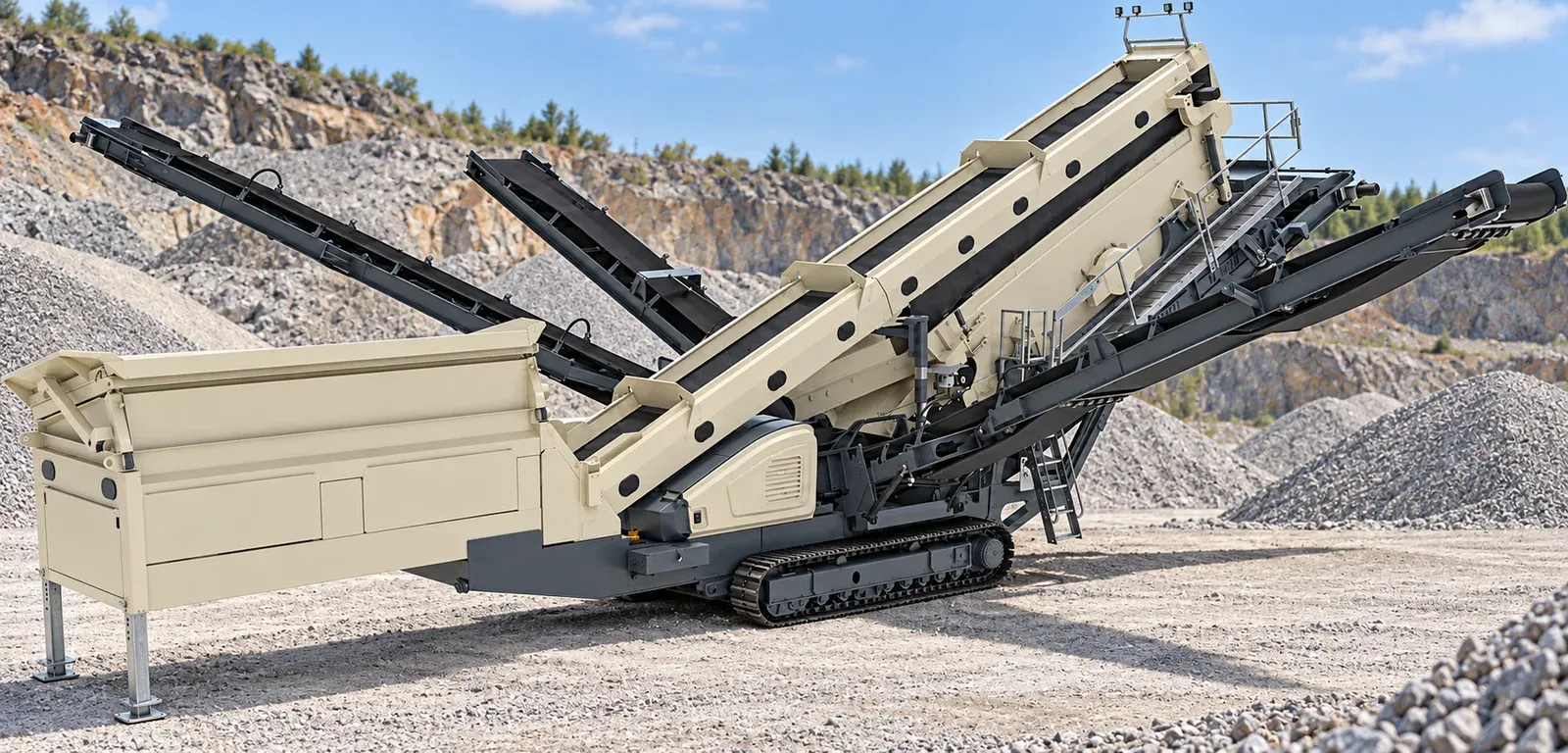
Crawler Mobile Screening Plant
Construction, Mining & Roads · Complete line
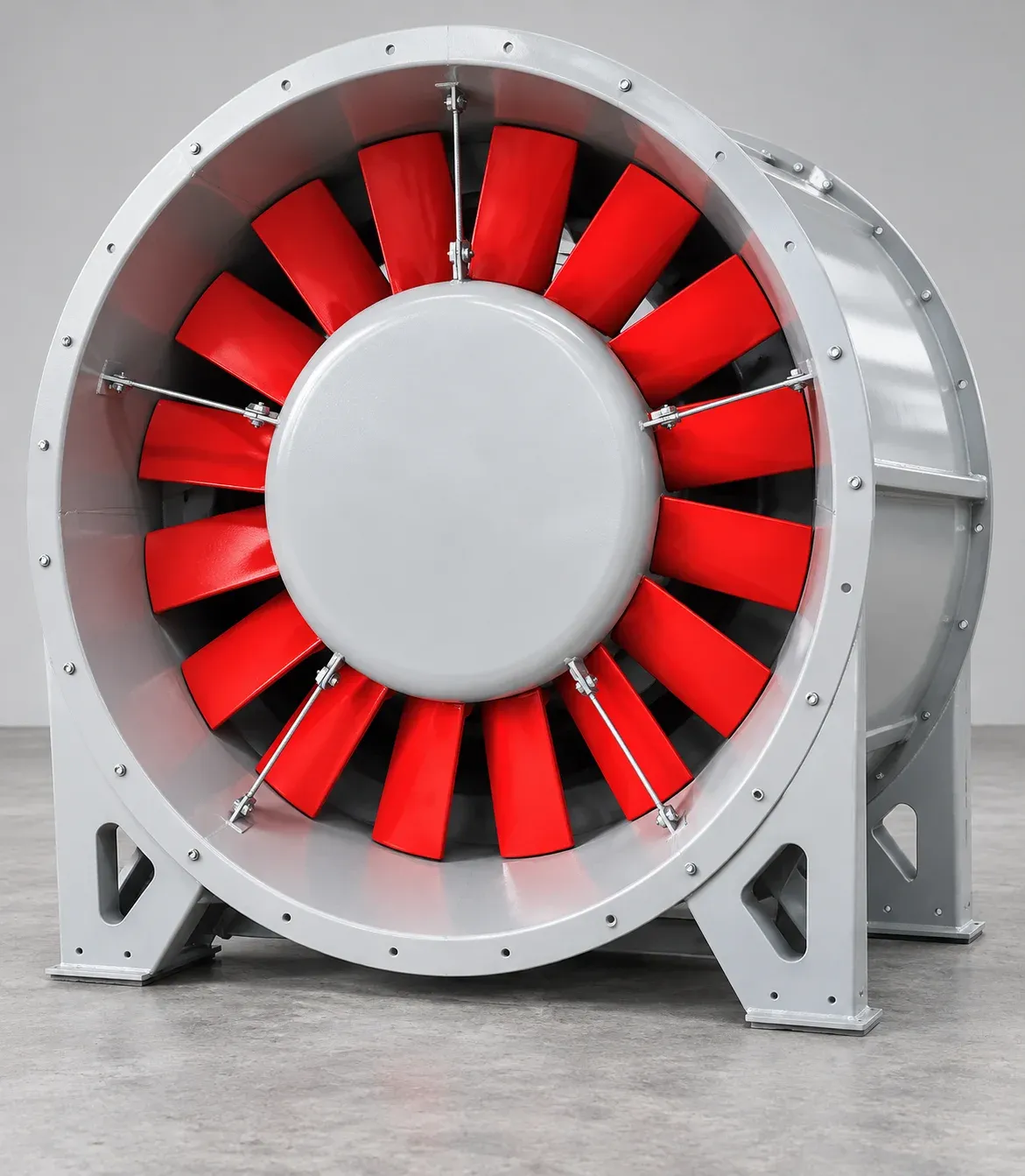
Mine Main Fan and Auxiliary Ventilation Fan Systems
Construction, Mining & Roads · Single machine
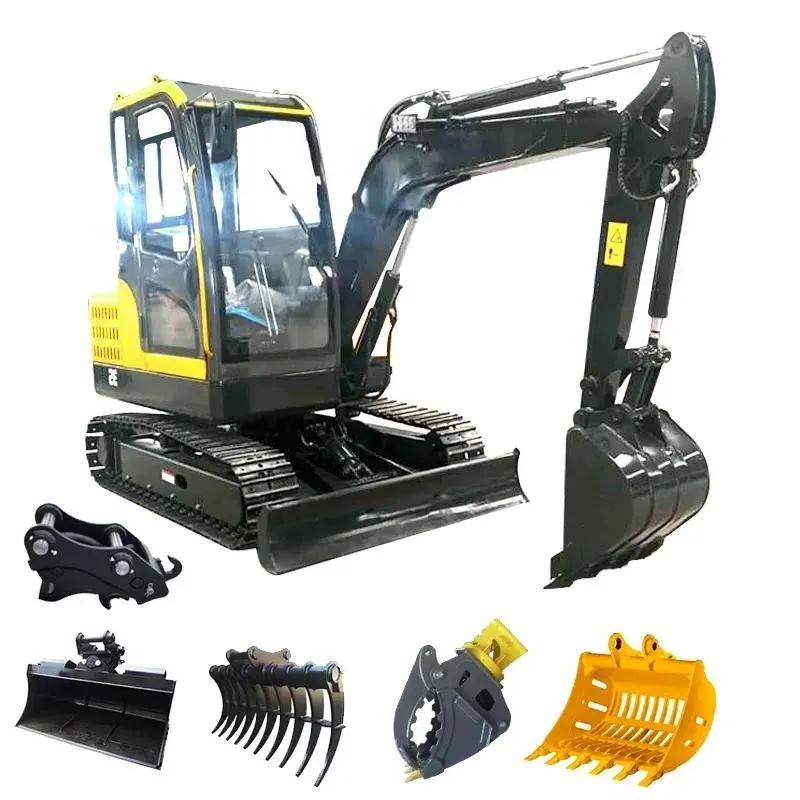
0.8–3 Ton Electric Mini Excavator Range, 10 kW