Start from the source, not the catalogue
A treatment plant is a response to what is wrong with the raw water. Surface sources such as rivers, lakes and reservoirs bring turbidity, algae, organic matter and seasonal swings. Wells and boreholes are shielded from most of that, but often carry dissolved iron and manganese that stain fixtures and clog pipes. The usual surface train is coagulation, flocculation, sedimentation, filtration and disinfection; groundwater plants swap the clarification steps for oxidation and filtration.
The two plant families we supply
| Plant | Raw water | Core process | Size | Suits |
|---|---|---|---|---|
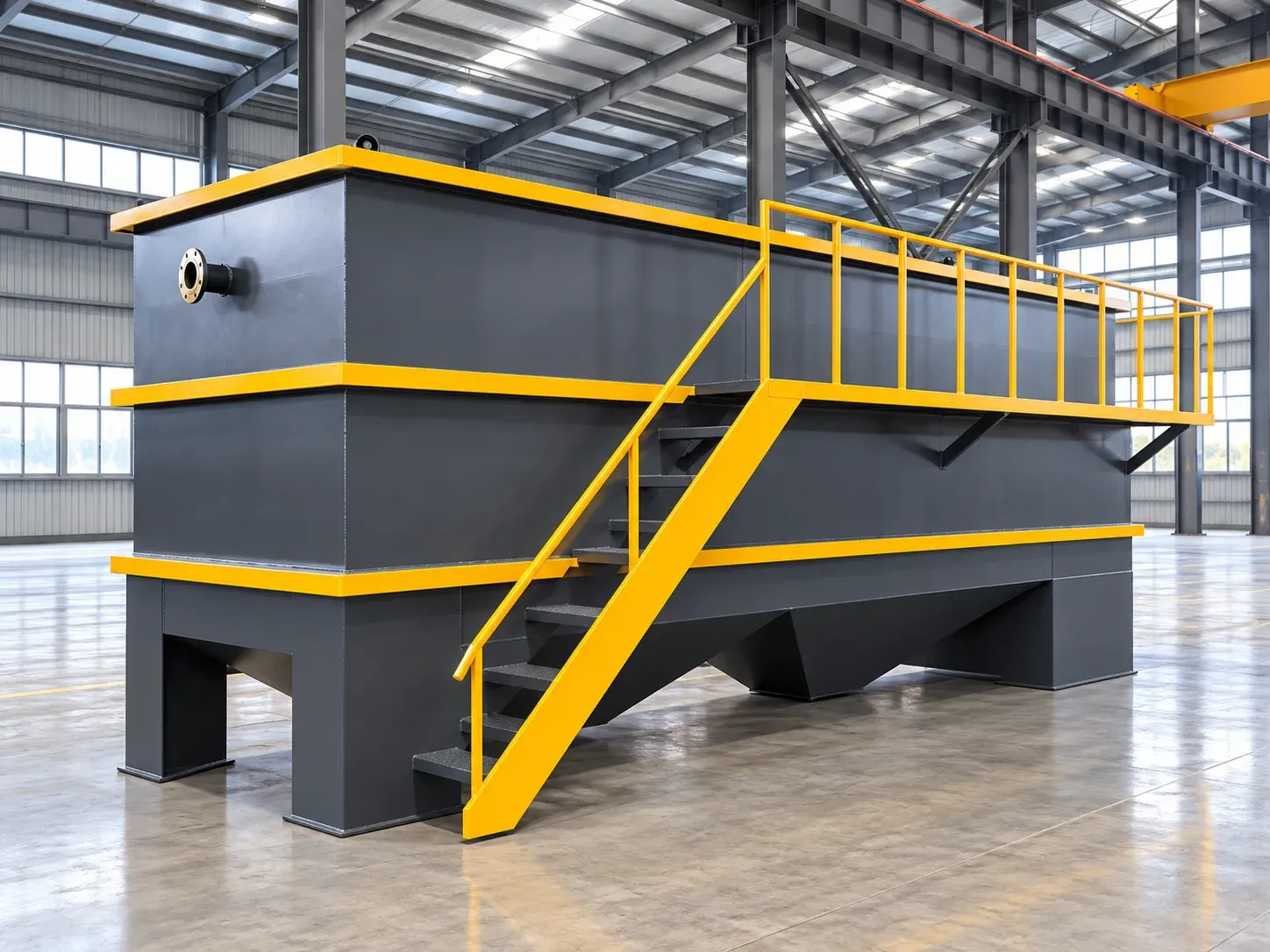
| Integrated surface water treatment plant | River, lake, reservoir; about 10-500 NTU | Coagulation, 60° inclined tube settling, quartz sand and anthracite filter, disinfection | About 10-200 m³/h | Towns, villages, camps, factories drawing from open water |
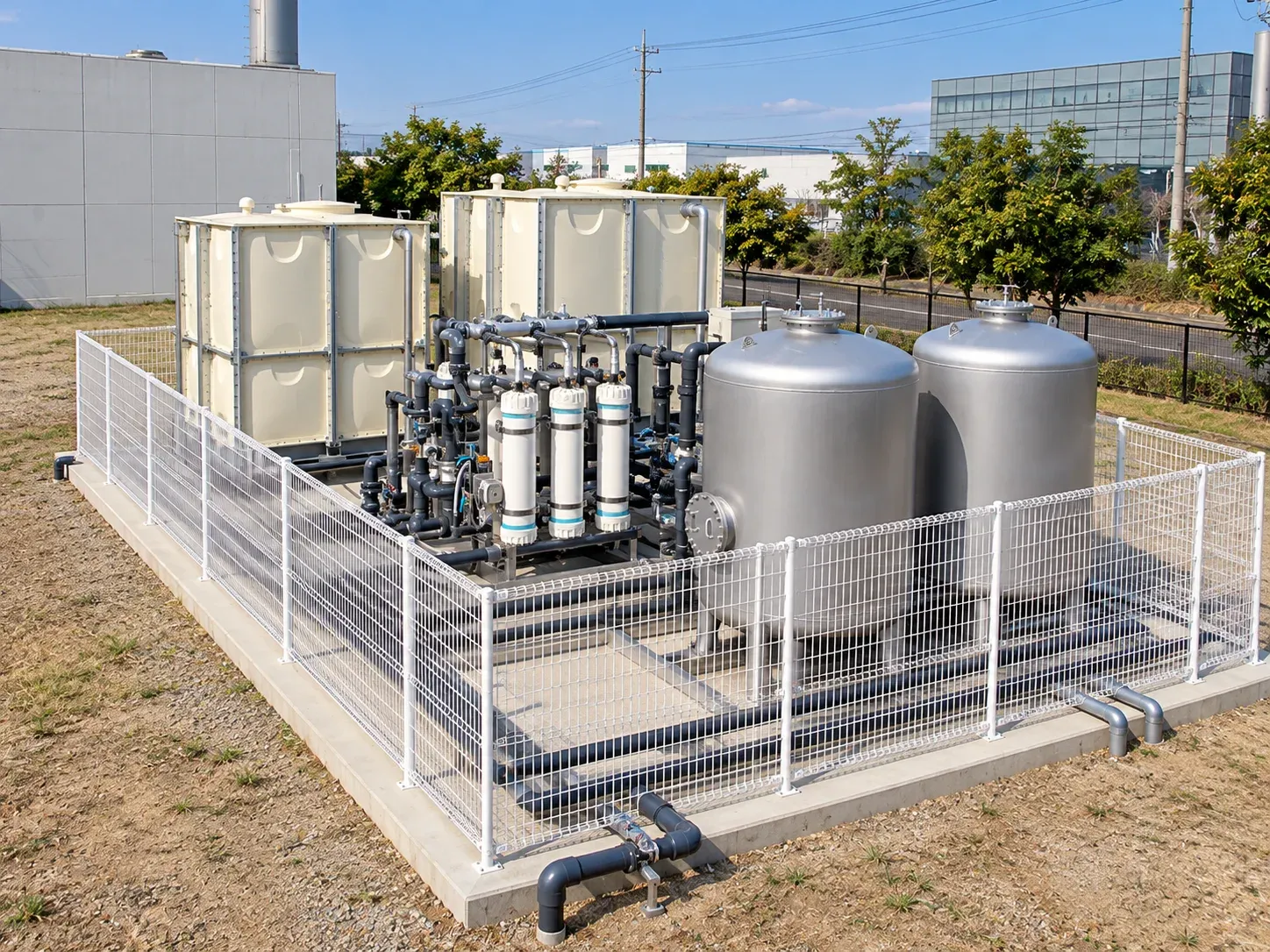
| Groundwater plant with iron removal and UF | Well and borehole water | Chlorination, iron and manganese filter, activated carbon, ultrafiltration, final chlorination | 3, 6 or 9 t/h | Communities, schools, hospitals, hotels on well water |
The surface line produces treated water at 1 NTU or less, with filter loading of 2.5-5 m/h. The groundwater line uses 2, 4 or 6 UF modules for the three sizes and backwashes automatically; typical iron handled is about 0.3-10 mg/L and manganese about 0.1-2 mg/L.
How to choose
- Turbidity high or variable? Take the surface line. Sludge from settling needs a place to go, so plan a thickener or drying bed.
- Water clear but iron or manganese above limits? Take the groundwater line. The UF stage also removes suspended solids and bacteria that a sand filter alone can miss.
- Salty or high in dissolved solids? Neither plant removes salt. Go to RO and desalination systems.
- Need more than 200 m³/h or more than 9 t/h? Run plants in parallel or ask for a project design.
For the process logic in more depth, read our packaged water treatment plant guide.
What the numbers mean on site
For the surface line, a coagulant dose of about 10-60 mg/L of alum or PAC is typical depending on turbidity, with flocculation of about 10-20 minutes and filter runs of about 12-48 hours between backwashes. Chlorine contact should be at least 30 minutes, ending in a residual of about 0.2-0.5 mg/L. For the groundwater line, UF flux is about 40-80 L/(m²·h) with recovery of about 90-95%, and backwash uses about 3-10% of what the plant produces. That backwash water is not a small detail in dry regions: ask whether it can be recovered or must be drained, and size the backwash tank (2, 4 or 6 t on the three sizes) accordingly.
Practical points buyers miss
- Storage after the plant matters as much as the plant; see water storage tanks.
- Chemical supply is a running need. Coagulant, hypochlorite and cleaning chemicals must be obtainable near the site.
- Operators matter. Automatic backwash cuts workload, but someone still has to dose, log and clean.
What to send for a quote
- Source type and a recent water analysis (turbidity, iron, manganese, pH, temperature)
- Required daily volume and peak hourly flow
- Drinking-water or process-water use, and any target standard
- Power supply (voltage and frequency) and whether a generator is used
- Site area, building or container preference, and chemical availability
Send us your raw water data and we will recommend a line and size.