Industrial Manufacturing · Complete line
Industrial Manufacturing · Complete line
Ceramic Tile & Large-Slab Production Lines
Tile plant equipment covering powder preparation, pressing, drying, decoration, firing and packing, configured for your tile type, size and daily output.
- Model
- MM-CTL
- Product group
- Ceramic Tile & Steel Rolling Lines
- Process scope
- Powder preparation, pressing, drying, decoration, firing, sorting and packing
- Covers powder preparation through packing
- Presses and kilns matched to tile size
- Decoration and finishing options
- For wall tiles, porcelain tiles and large slabs
- New plant, extension or upgrade
Overview
The main stages of a tile line
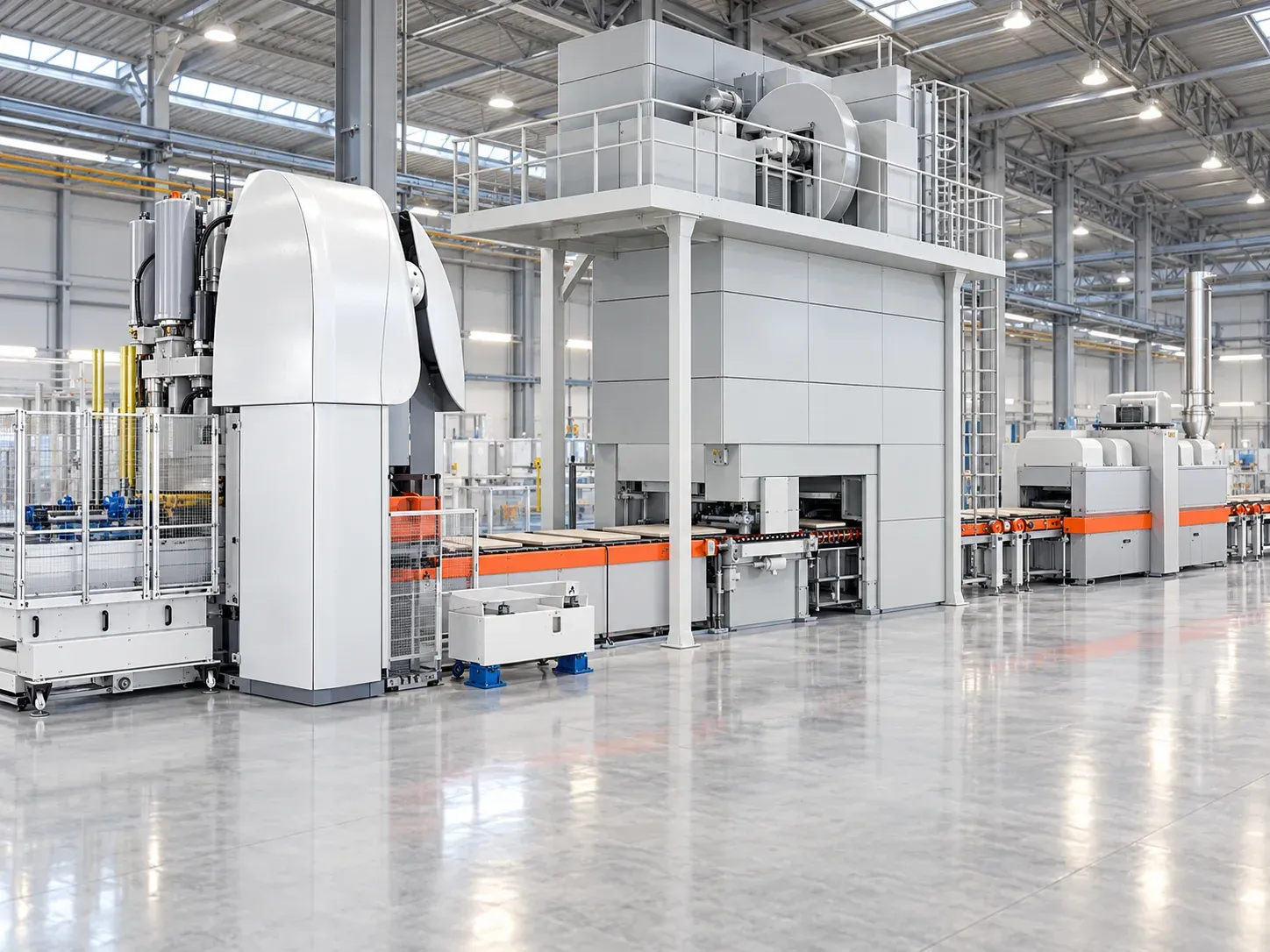
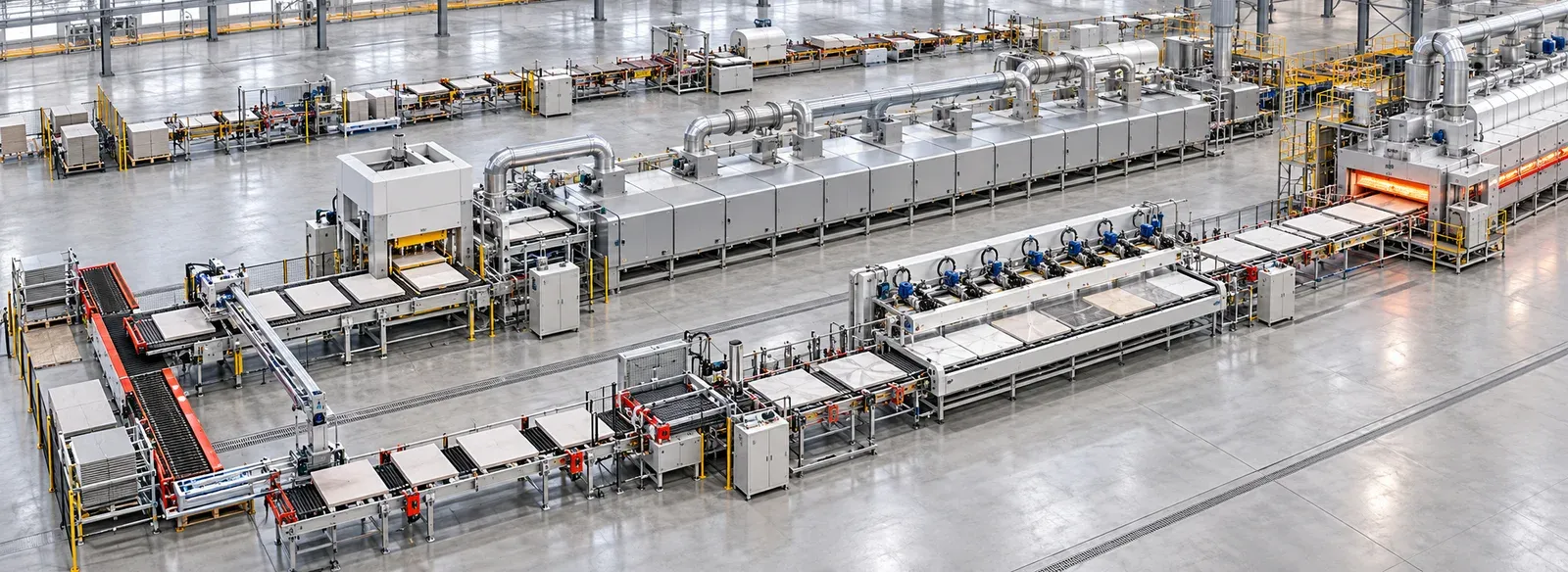
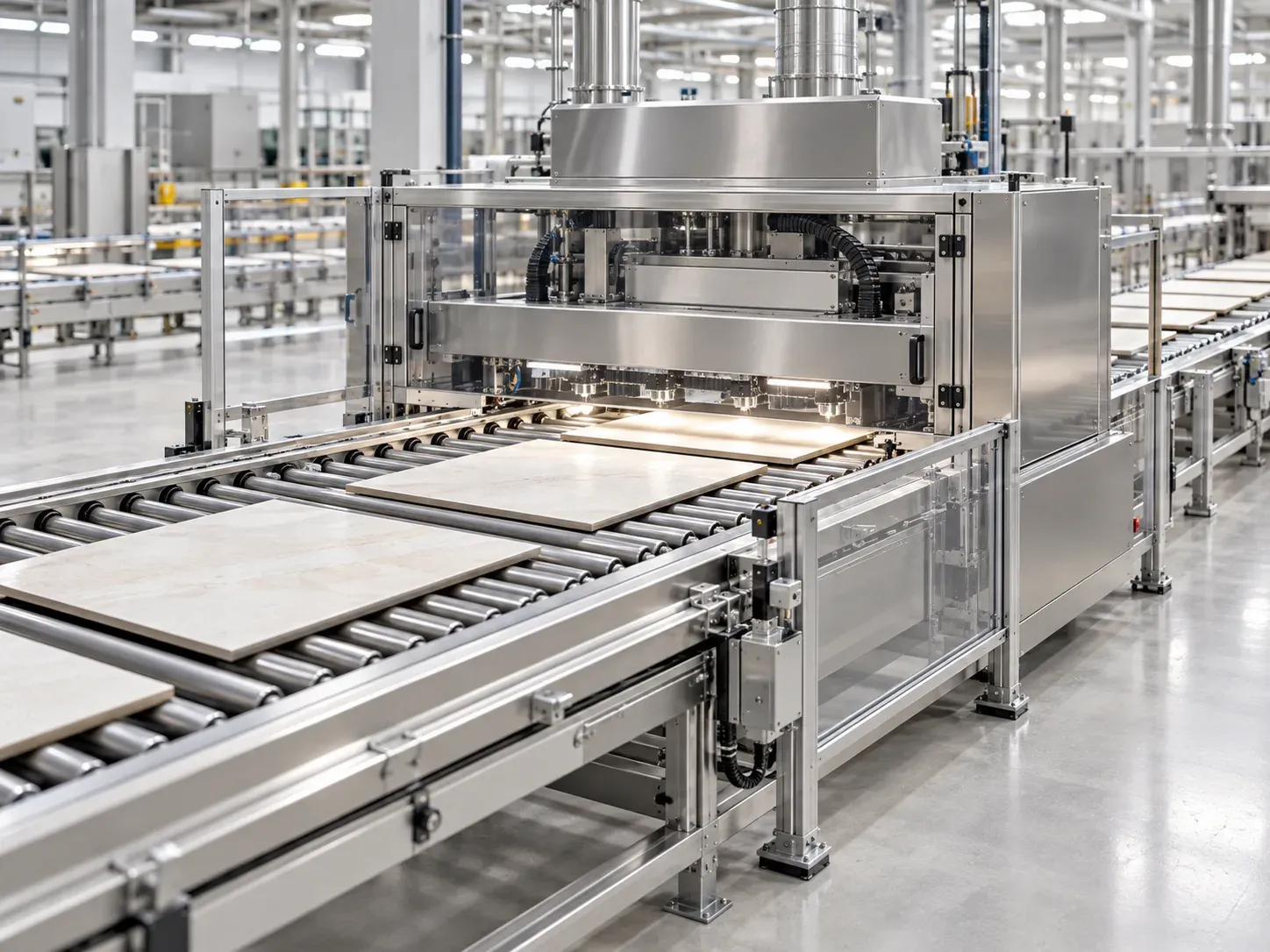
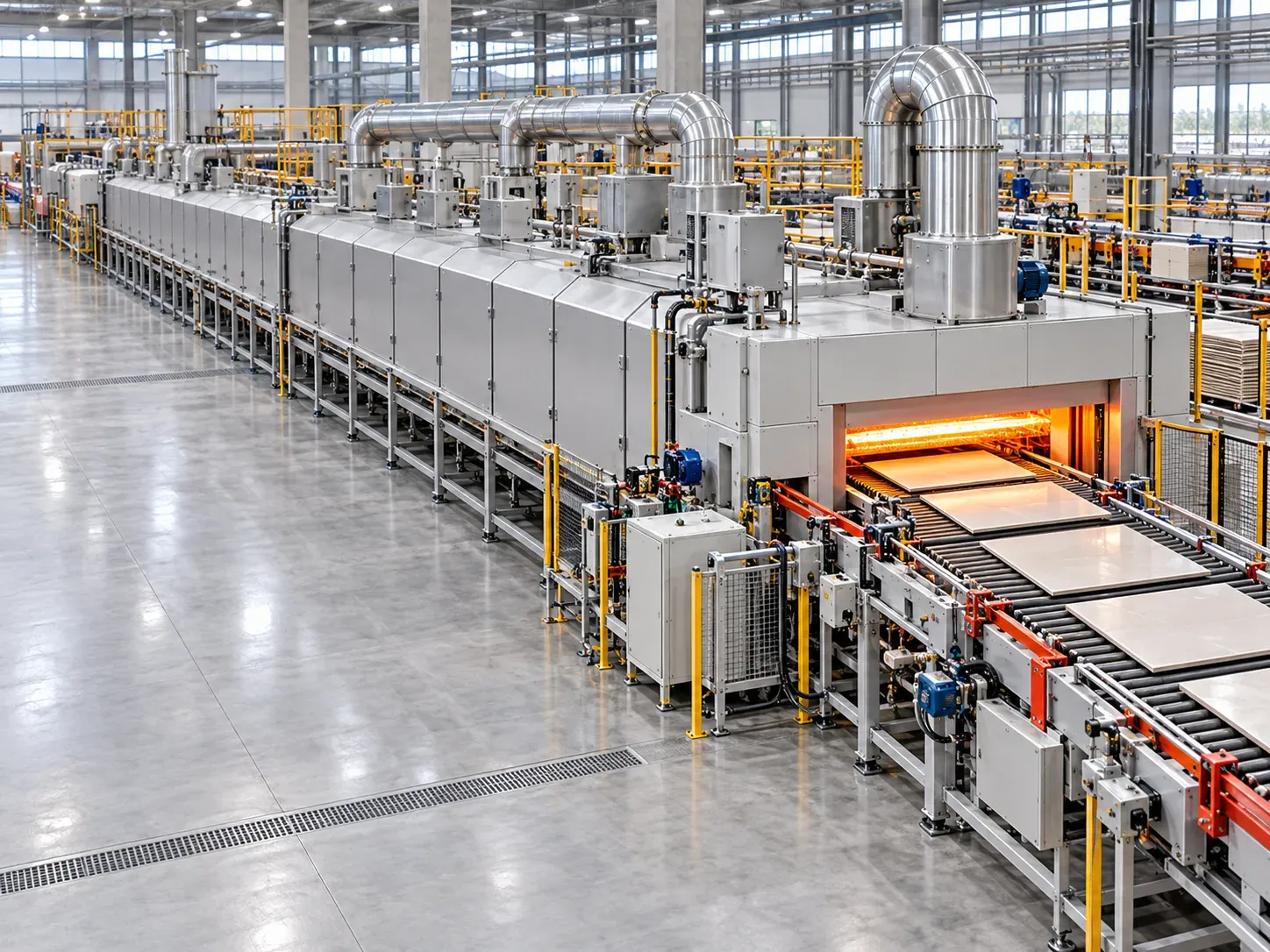
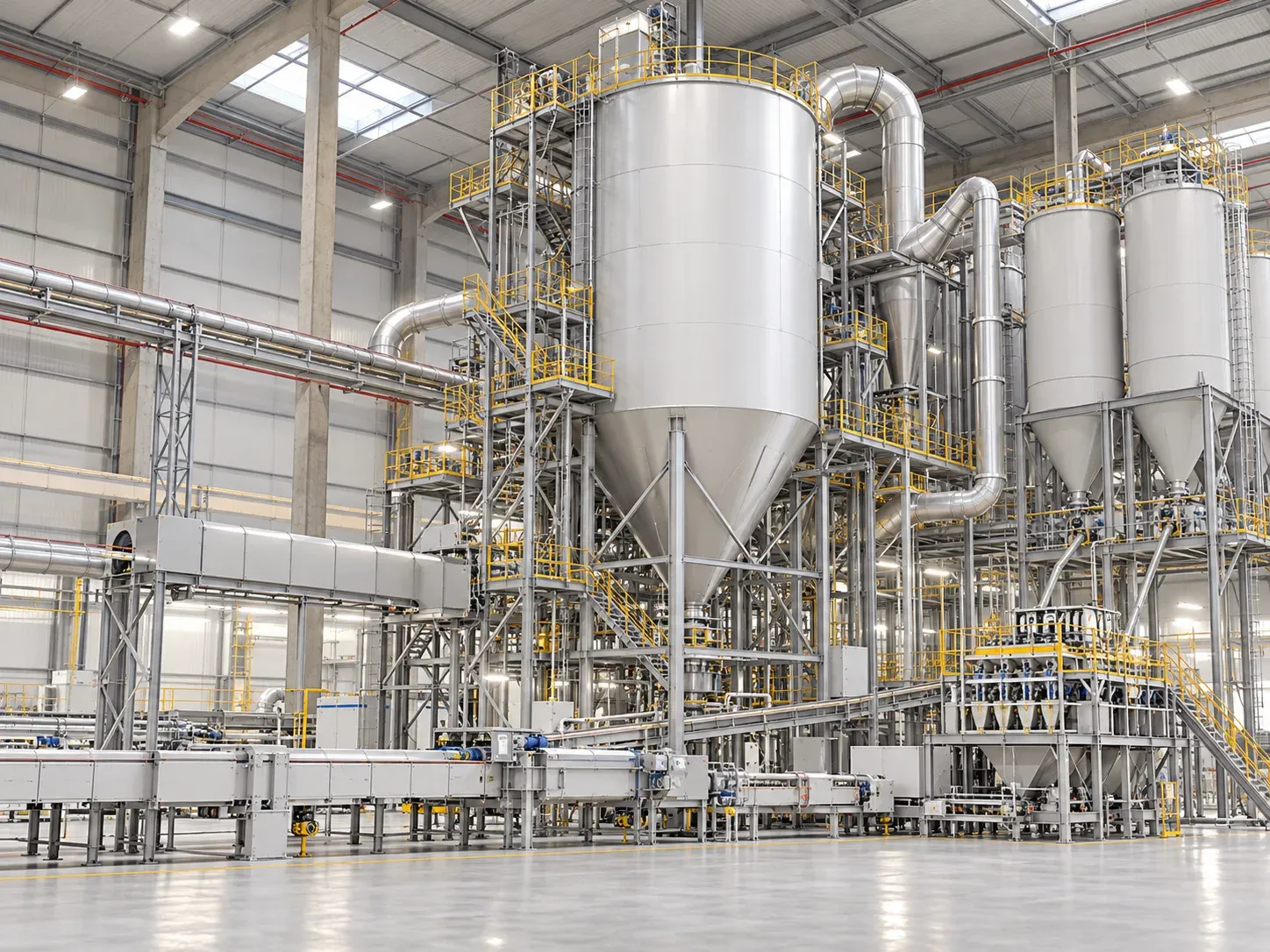
A ceramic tile plant works in a fixed order. Raw materials are milled and spray-dried into pressing powder. A press forms the tile body, a dryer removes moisture, the surface is glazed and decorated, a kiln fires it, and the finished tiles are sorted, rectified or polished if needed, and packed. Our lines cover this whole chain, or any part of it.
What changes from project to project
Tile type, size, thickness and surface effect drive nearly every choice. A small wall tile uses a different press and a shorter kiln than a large porcelain slab. Decoration can range from simple glazing to digital printing. Therefore we do not sell one fixed package; we calculate press tonnage, kiln length and handling to your product plan.
Powder and body preparation
Quality starts here. Raw material mix, grinding fineness and spray-drying control decide how well the tile presses and fires. We discuss your clay and feldspar sources, because they affect the milling and drying design.
Finishing and logistics
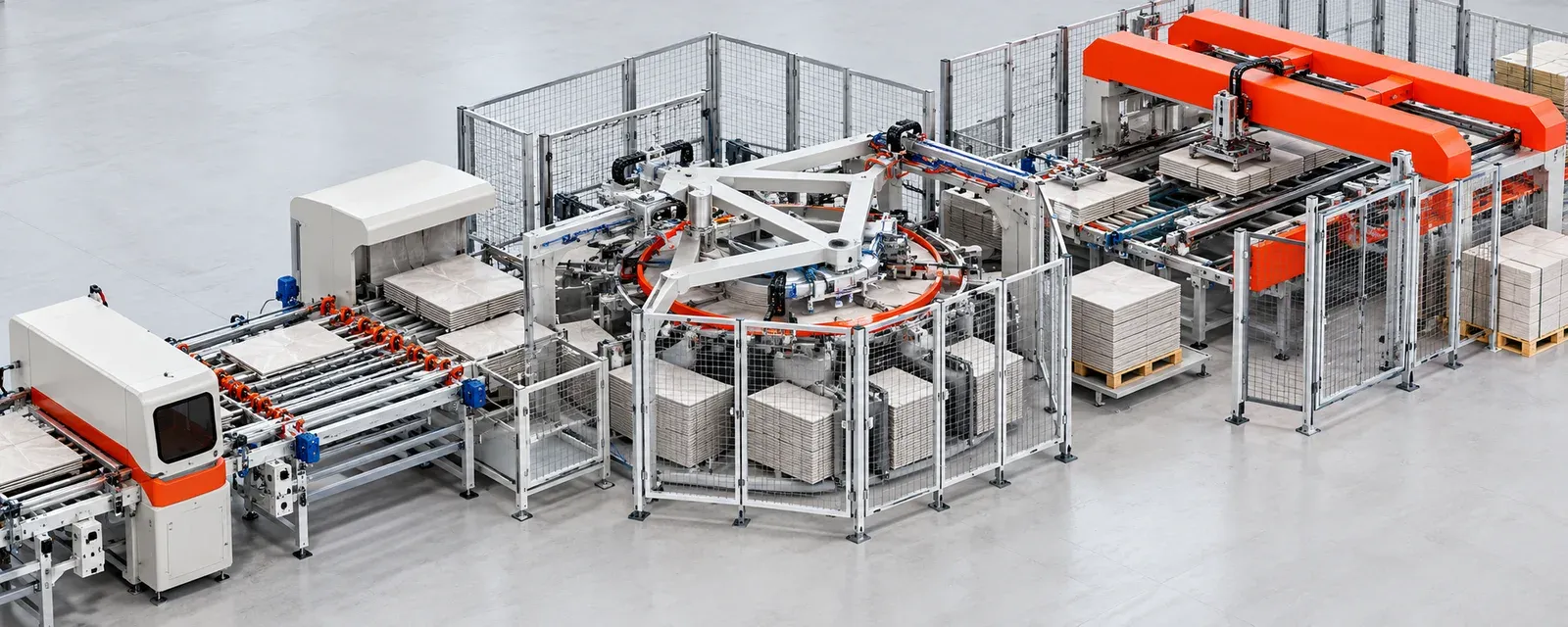
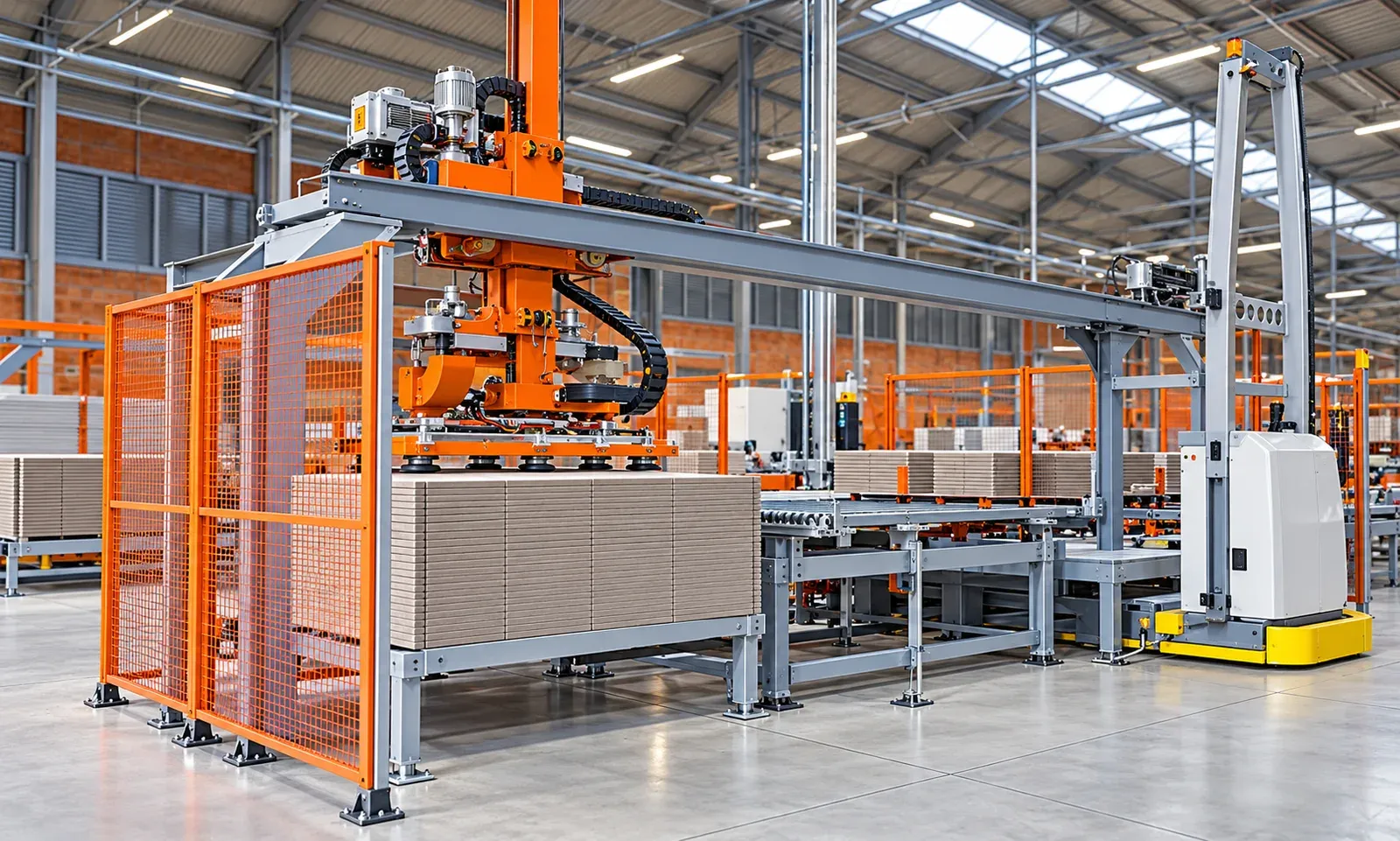
After firing, tiles may be rectified, polished or cut, then inspected, sorted by shade and caliber, and packed. Conveyors and storage between stations keep the line balanced. We plan these handling steps early to avoid bottlenecks.
Information we need
Product list with sizes and thicknesses, daily output target, raw materials, available fuel (gas or other), power and water supply and the floor plan. With these we return a flow diagram, equipment list and layout for review.
Delivery and installation
Equipment ships in containers with installation drawings; our engineers support erection and start-up as agreed.
Quotation
Use the quote checklist below and our engineers will reply with a written scope, drawings or a specification, and a clear list of what is and is not included. Questions on shipping, spare parts and installation are answered in the same reply.
Compared with a steel rolling plant
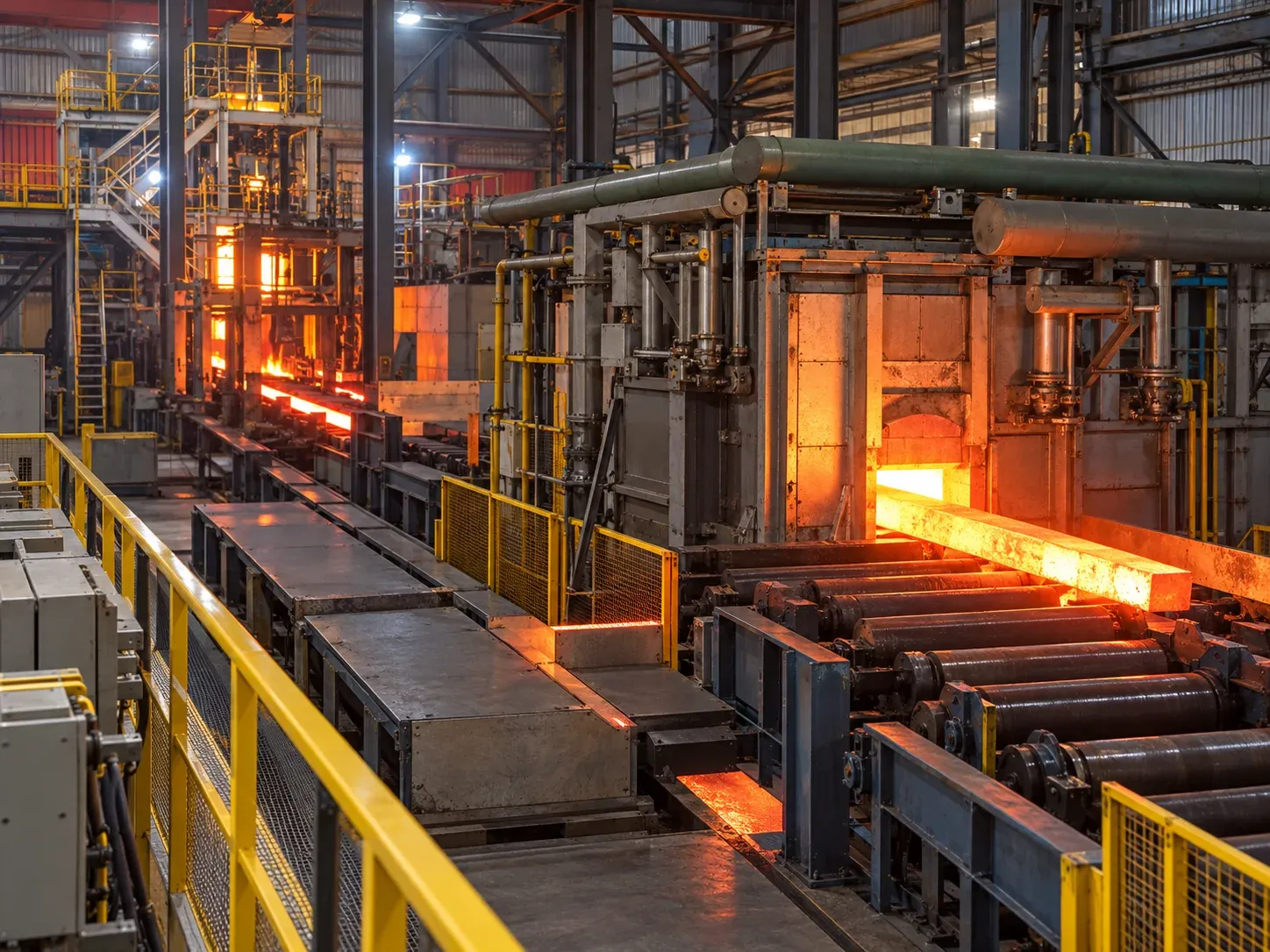
Both this page and our mini steel mill page describe complete plants, but they are built around different physics. A tile line is a ceramic process: the product is shaped cold from powder, then fixed by heat. Capital is concentrated in the press and the long roller kiln, and the main yield losses come from broken tiles, size variation and shade differences. A steel rolling line works hot from the first step, so its design is driven by furnace heat, stand loading and billet handling.
Within tile making, the biggest choice is format. Wall tiles of modest size run on smaller presses and shorter kilns. Large porcelain slabs need much higher press force, wider kilns and careful drying to avoid warping. Format comes first; everything else is sized from it.
Specifications
| Model | MM-CTL |
|---|---|
| Process scope | Powder preparation, pressing, drying, decoration, firing, sorting and packing |
| Press force, tile press | about 1,500–8,000 t, rising with tile format |
| Spray-dried powder moisture | about 5–7% |
| Roller kiln length | about 100–350 m, set by format and output |
| Peak firing temperature | about 1,100–1,230 °C |
| Firing cycle, cold to cold | about 35–70 minutes |
| Plant output | about 3,000–30,000 m² of tile per day |
| Dryer outlet moisture | below about 0.5% |
Configurations
| Line configuration | Set by tile type, size, thickness, surface effect and output target |
|---|
Standard equipment
- Raw-material feeding and ball mill section
- Spray dryer with powder storage silos
- Hydraulic tile press with automatic powder feeding
- Vertical or horizontal dryer
- Roller kiln with burners and temperature control
- Sorting and packing conveyors with central control cabinet
Options
- Digital inkjet decoration line
- Large-slab continuous press
- Edge rectifying and polishing line
- Waste-heat recovery from kiln to dryer
- Glaze preparation and recycling station
- Kiln flue-gas dust and fluoride treatment
- Automatic palletizing
Frequently asked questions
Can I buy only a press or a kiln?
Yes. We can supply single sections and match them to your existing line after reviewing the plan.
Do you cover decoration equipment?
Yes. Glazing and decoration units are part of the line, selected by the surface effect you need.
How long does it take to plan a line?
Planning depends on how complete your product data is. Send your tile list and output target first, and we respond with a draft layout.
What are the main wear parts in a tile line?
Press dies, molds or belts, kiln rollers, spray nozzles and ball-mill linings wear steadily. Rollers and nozzles are replaced on a routine schedule, so we list recommended spare sets with the quotation for your format and output.
Request a quote: Ceramic Tile & Large-Slab Production Lines
Send your requirement and our engineers reply with the configuration, lead time and a quotation.
Related products
Industrial Manufacturing · Complete line
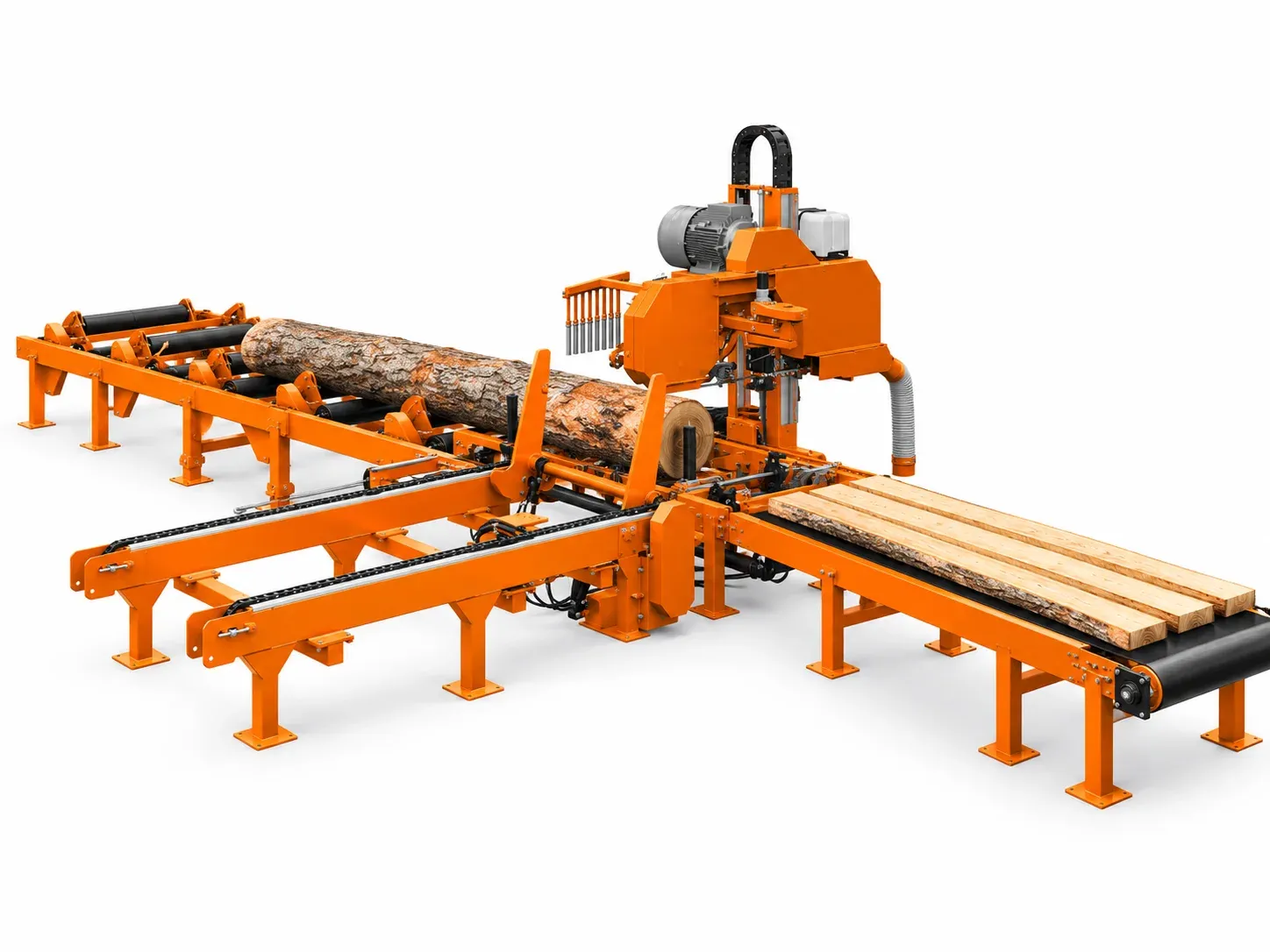
Complete Sawmill Lines, From Log Deck to Stacking
Industrial Manufacturing · Complete line
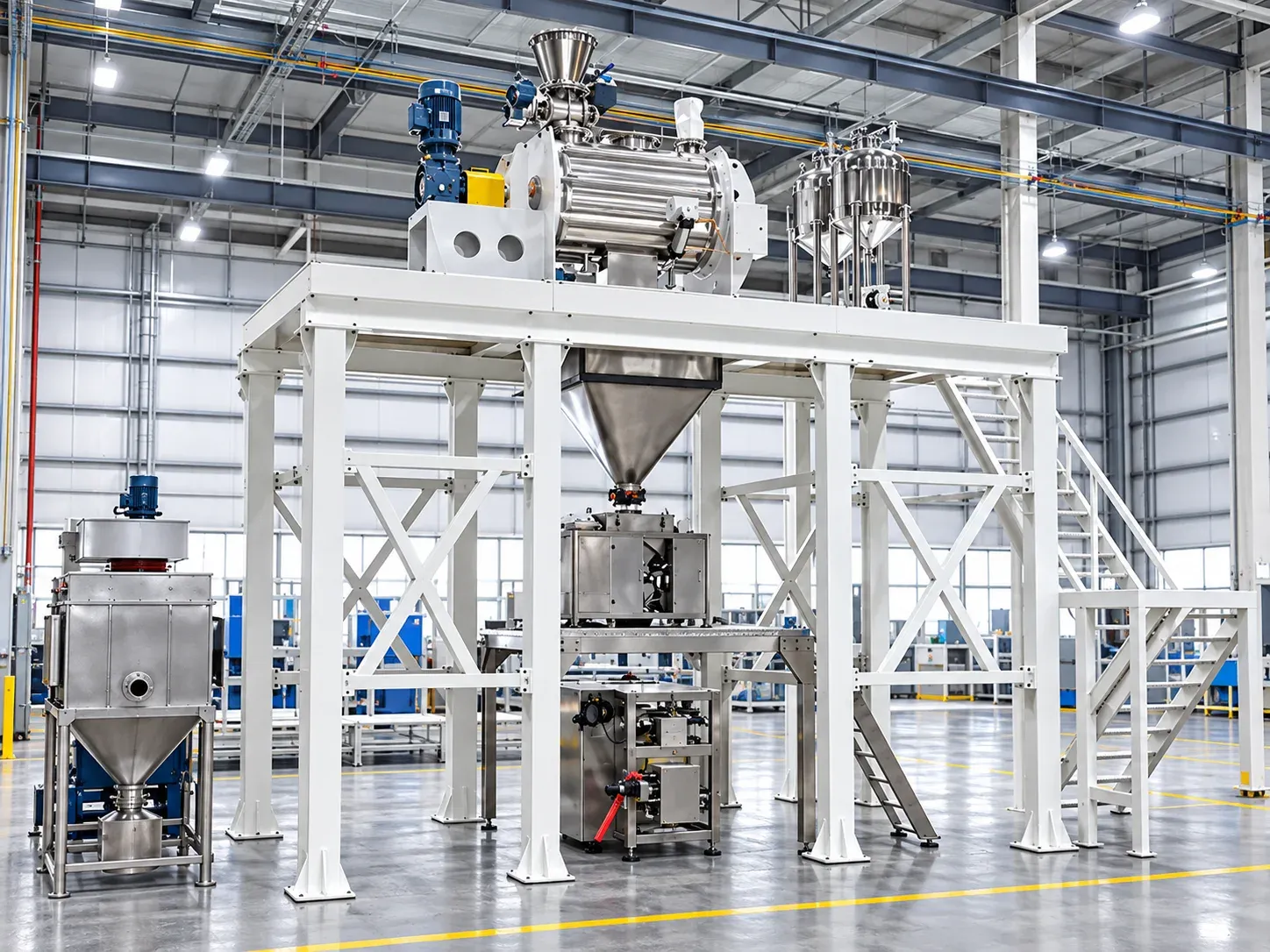
Detergent Powder Mixing and Packing Line
Industrial Manufacturing · Complete line
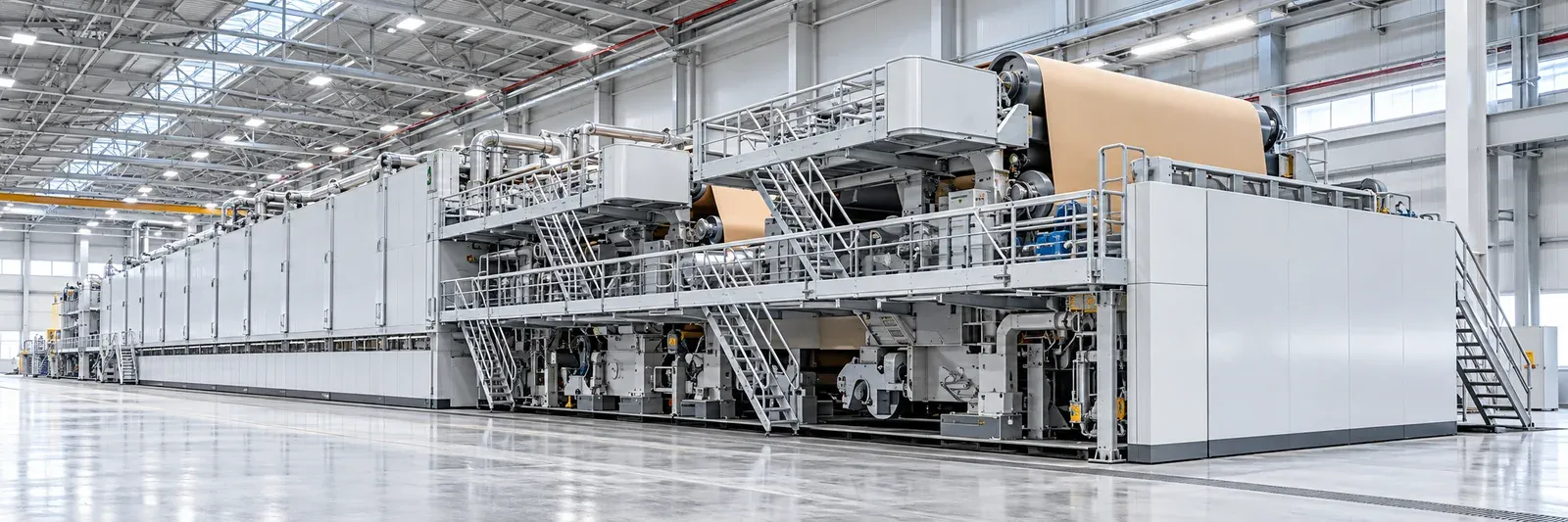
Kraft Paper & Paperboard Machine Lines