Industrial Manufacturing · Complete line
Industrial Manufacturing · Complete line
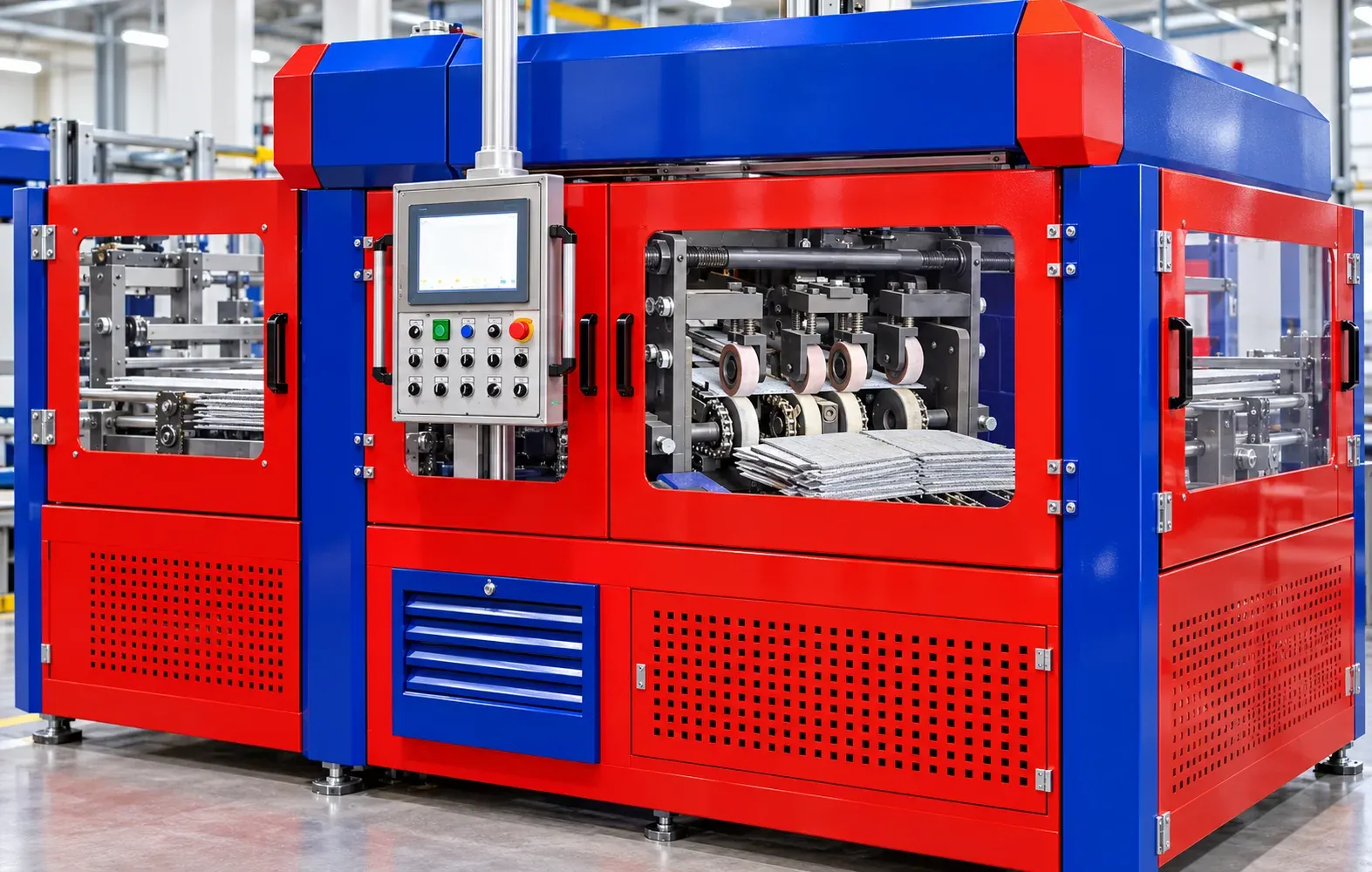
Lead-Acid Battery Grid & Plate Production Equipment
Machines for the grid and plate stages of lead-acid battery manufacturing, selected by battery type, plate dimensions and target output.
- Model
- MM-LGP
- Product group
- Cable & Battery Production Equipment
- Equipment direction
- Lead-acid battery grid and plate production
- Covers the grid and plate stages
- Configured for your plate size and alloy
- Designed around the battery type you build
- Upstream and downstream stages defined by scope
- Safety and environmental systems planned in
Overview
Two key stages in battery making
In a lead-acid battery factory, two stages decide a great deal of the final quality: making the grid, and turning it into a plate. The grid is a lead alloy framework that carries current; the plate is that grid filled with active paste. Our equipment focuses on these two stages.
What the equipment covers
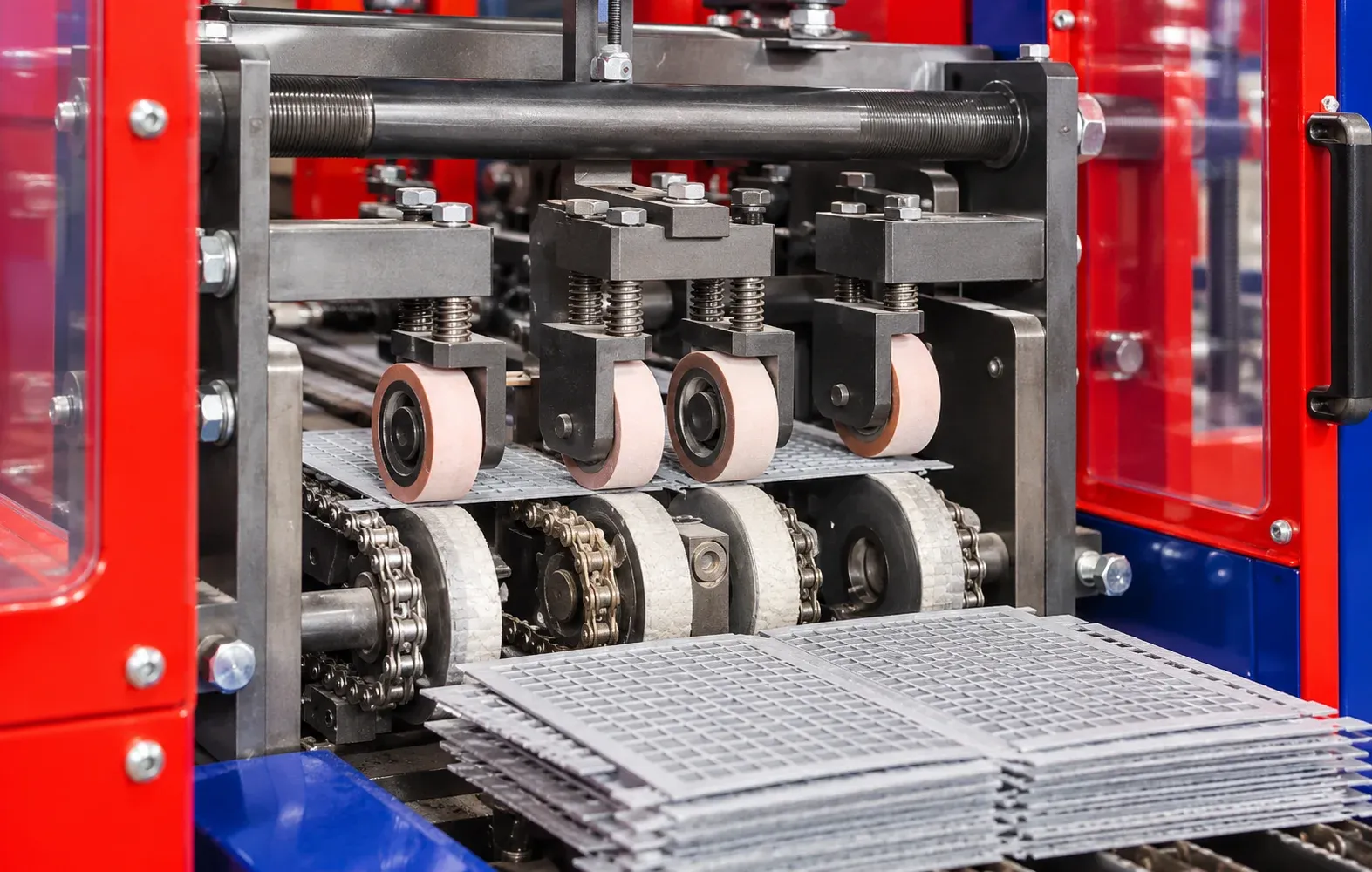
Grid making can be done by casting or other grid-forming processes, depending on plate type. Plate making then applies paste to the grid and prepares it for later curing and drying. Exactly which machines you need depends on the battery type, plate thickness, alloy and the volume you plan to make.
Not a full factory by default
A complete plant also needs lead powder production, paste mixing, curing, plate processing, assembly, formation and charging, packing and environmental control. We treat these as separate stages. We can quote any of them or advise on the complete plant, but we do not assume that a quote for grids and plates includes the rest.
Safety and environment
Lead processing requires fume extraction, dust control, worker protection and proper waste handling. These items are planned during design, and local regulations must be followed. Equipment details cannot replace a site safety assessment.
What defines the configuration
Battery type (automotive, industrial or standby), plate dimensions and thickness, alloy, hourly or daily output, degree of automation, and the stages before and after. Send your plate drawing and output target and our engineers propose the machines and layout.
Support
Molds, spare parts and training can be supplied, and our team supports installation and start-up as agreed.
Inquiry and quotation
Each quotation comes with a written scope, drawings or a specification, and a clear list of what is and is not included. The quote checklist below shows what to put in your inquiry.
Compared with the cable extrusion line
Battery plate equipment is built from many separate machines, each with its own cycle: a caster, a paste mixer, a pasting line, curing rooms, formation tanks. A fault in one cell stops the machine, not the whole plant, but the process still needs careful scheduling, because curing and formation take hours rather than seconds. A cable extrusion line is one continuous machine run by a small crew.
The second difference is environmental load. Lead dust and fume need capture at casting, mixing and pasting, and wastewater from formation and washing needs treatment before discharge. We treat these systems as part of the plant, not as an afterthought. Battery type (starter, motive power or standby), plate sizes and the daily plate count set the casting, pasting and curing capacity, which are sized in balance.
Specifications
| Model | MM-LGP |
|---|---|
| Equipment direction | Lead-acid battery grid and plate production |
| Grid casting alloy | lead-calcium or low-antimony lead alloys |
| Lead pot temperature | about 450–520 °C |
| Grid thickness | about 0.9–2.5 mm, thicker for traction and standby types |
| Paste density | about 4.0–4.5 g/cm³ |
| Curing time | about 24–72 hours at controlled humidity |
| Formation time | about 18–48 hours |
| Lead oxide content of leady oxide | about 70–80% |
Configurations
| Battery plant stages | Lead powder, grid making, paste mixing and pasting, curing and drying, plate stacking and assembly, formation, packing, molds and environmental systems |
|---|
Standard equipment
- Lead melting pot with temperature control
- Grid casting or expanded-metal machine
- Paste mixer with temperature and density control
- Plate pasting machine with flash drying
- Curing and drying chambers
- Fume and dust extraction at casting and pasting
Options
- Ball-mill or Barton-pot lead powder unit
- Automatic plate stacking and enveloping
- Cast-on-strap and welding stations
- Plate cutting and brushing machine
- Formation rectifier and cooling-water circuit
- Lead-dust filter and wastewater treatment
- Molds for your plate design
Frequently asked questions
Do you supply a full battery factory?
We can quote complete plants, but a grid and plate offer covers only those stages unless you ask for more.
Can you make molds for our plate design?
Yes, molds are made to your plate drawing and quoted with the equipment.
Who handles fume and dust control?
We include it in the design discussion and can supply extraction equipment. Compliance with local rules remains your responsibility.
How long does curing take, and does it limit output?
Curing is usually the longest wait in the plate process, from about a day to several days. Output is therefore set by the size of the curing rooms, not by the pasting machine, and we size them against your daily plate target.
Request a quote: Lead-Acid Battery Grid & Plate Production Equipment
Send your requirement and our engineers reply with the configuration, lead time and a quotation.
Related products
Industrial Manufacturing · Complete line
Ceramic Tile & Large-Slab Production Lines
Industrial Manufacturing · Complete line
Complete Sawmill Lines, From Log Deck to Stacking
Industrial Manufacturing · Complete line
Detergent Powder Mixing and Packing Line