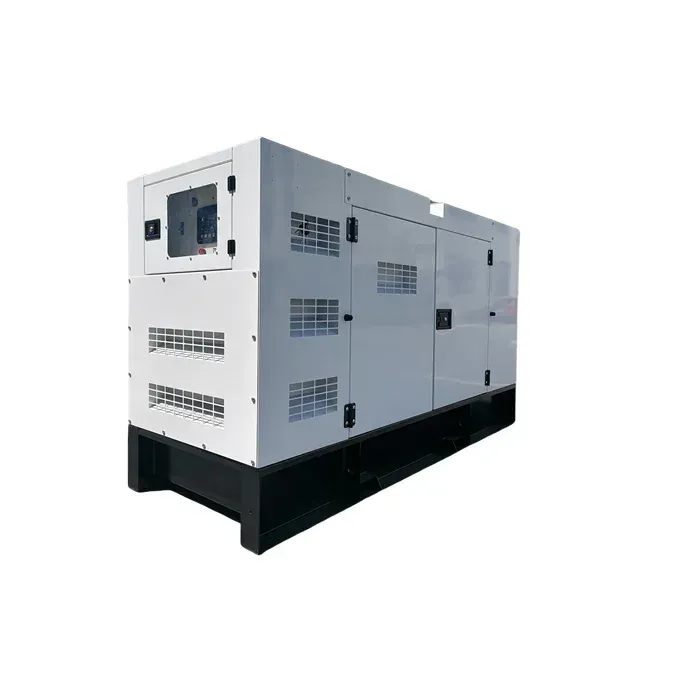
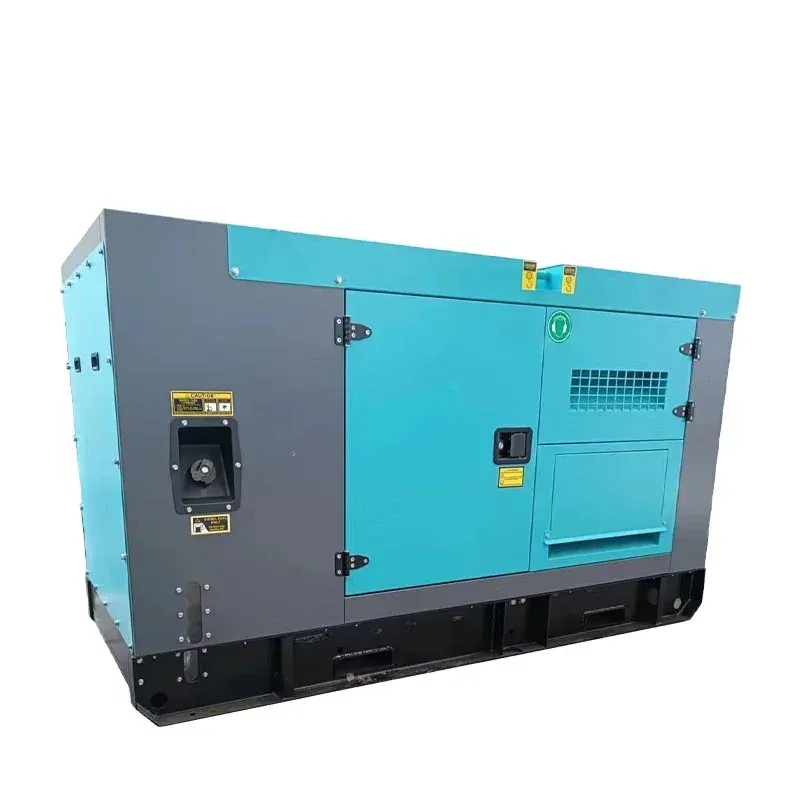
A size ladder, not a single number
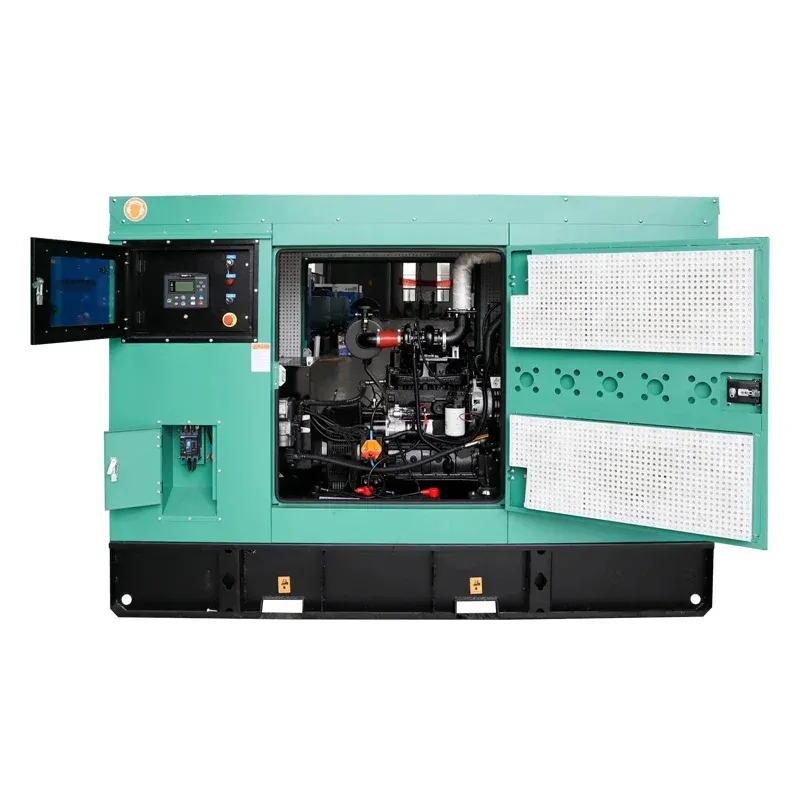
A diesel set is an engine, an alternator, a base with fuel tank and a controller, and often a canopy. The nameplate rating in kVA is not the power you can use: multiply by about 0.8 for kW. A 10 kVA set gives roughly 8 kW, a 50 kVA set about 40 kW and a 500 kVA set about 400 kW. Motors need more at start-up than they draw running, so the largest motor on your load list matters as much as the total.
The range at a glance
| Set | Rating | Typical use | Enclosure |
|---|---|---|---|
| 10 kVA super silent | 10 kVA | Home, shop, clinic backup | Super silent canopy, ATS option |
| 20 kVA, 380 V | 20 kVA | Small three-phase loads | Silent, trailer, container or open |
| 20–250 kVA range | 20 to 250 kVA | Shops, small factories | Soundproof canopy optional |
| 50 kVA / 40 kW | 50 kVA | Sites, farms, light industry | Silent, super silent, open or trailer |
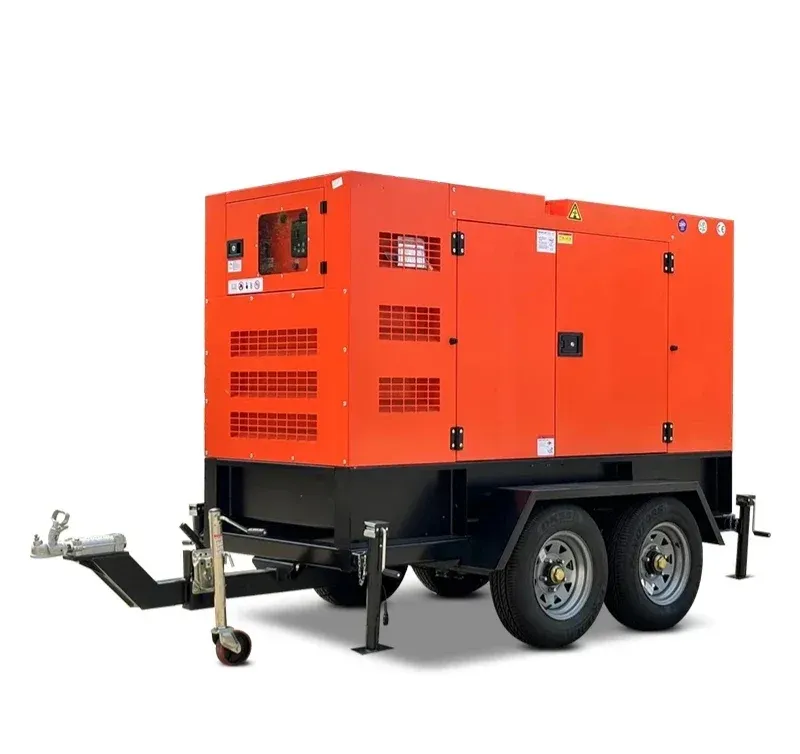
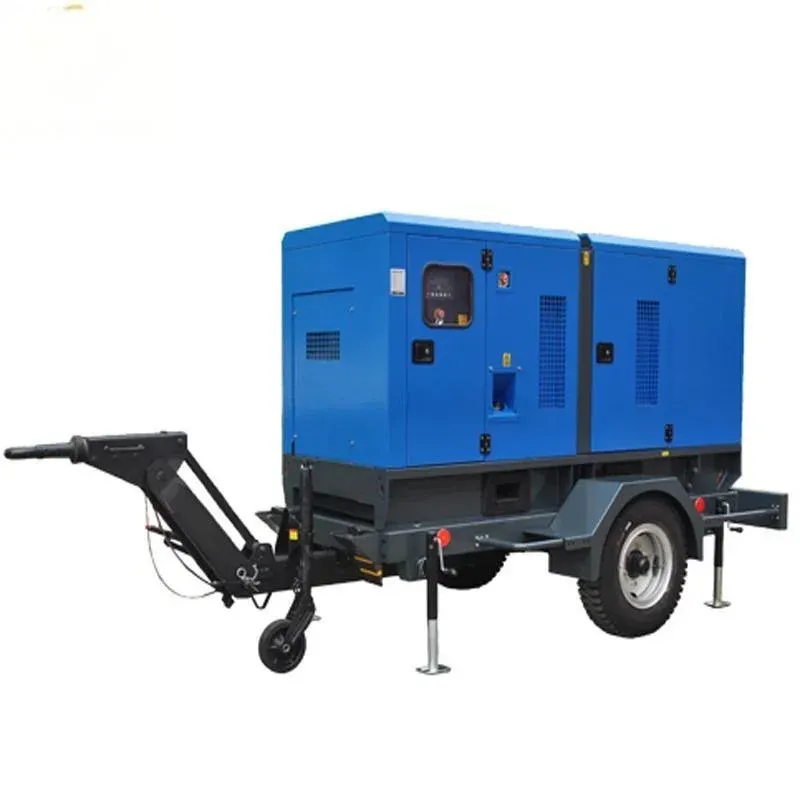
| 180 kVA / 150 kW | 180 kVA | Moving between sites | Dual-axle trailer |
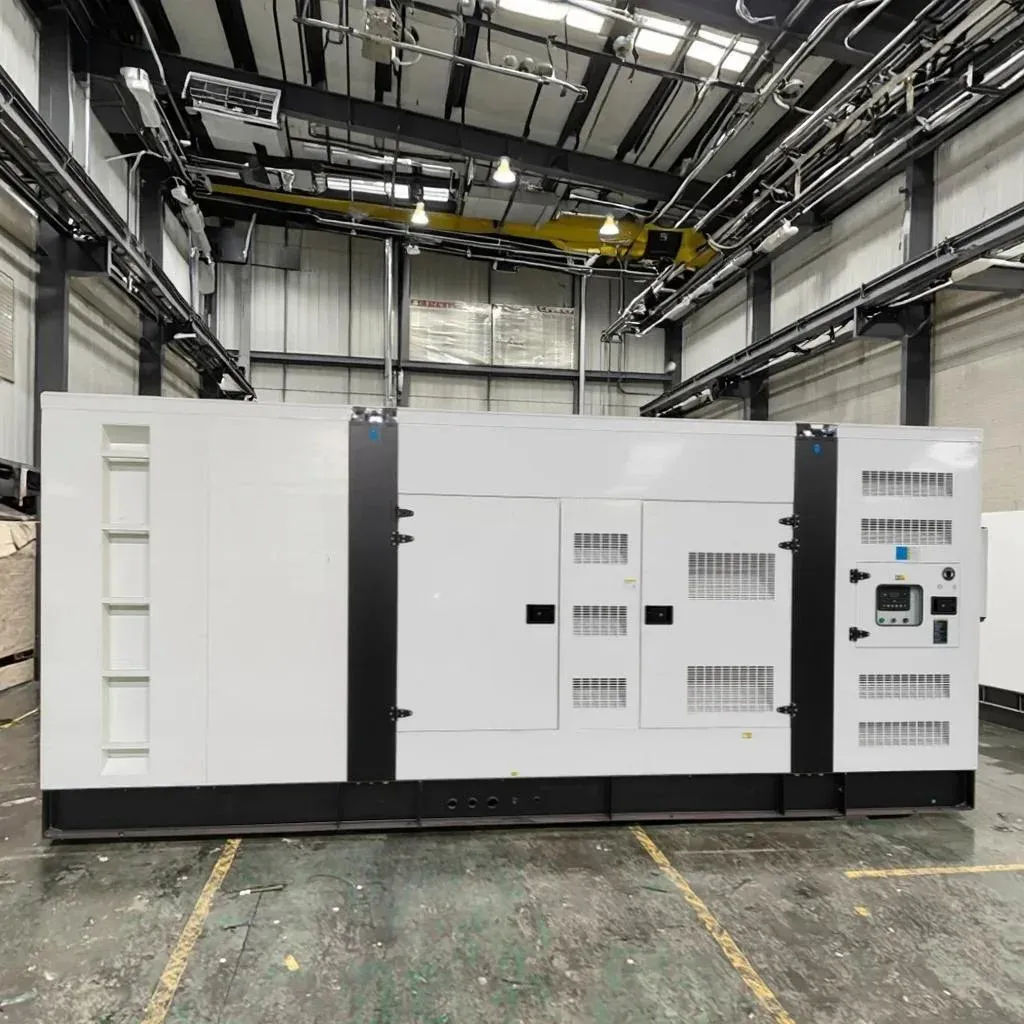
| 500 kVA heavy duty | 500 kVA | Plants, hotels, mines | Silent, open, trailer or container |
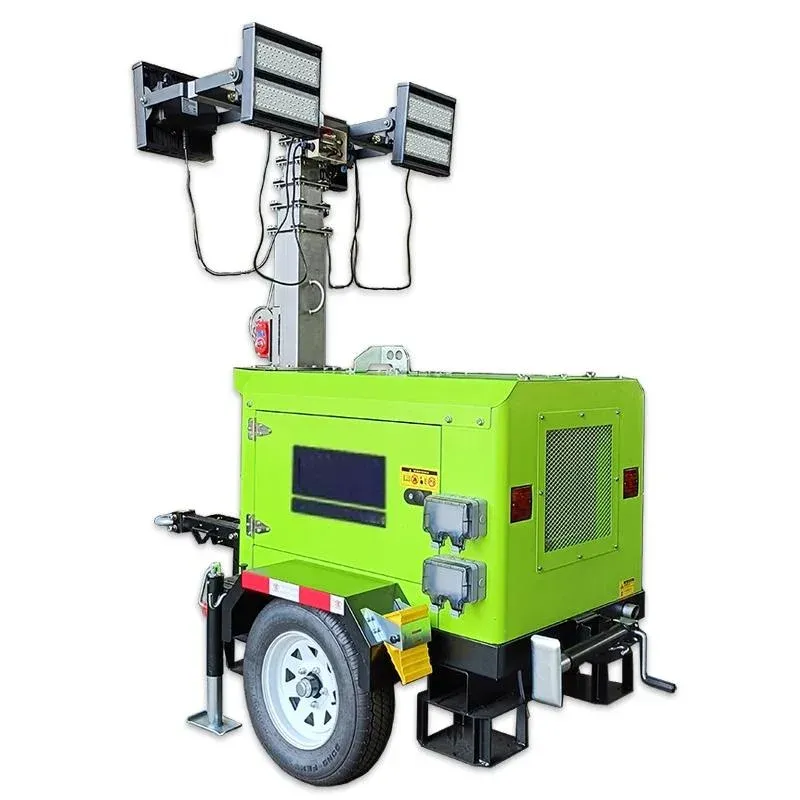
| 7 m light tower | 4 x 350 W LED | Night works, events | Mobile 7 m mast |
Choosing the step
- Home, shop, clinic: the 10 kVA super silent set with automatic start. Residential noise is the main selection point here.
- Small factory or workshop: the 20 to 250 kVA range, single or three phase, with about 8 hours on one tank listed.
- Sites that move: the 180 kVA mobile trailer set lists speed options of 800 to 1,800 rpm and 220 to 400 V.
- Continuous commercial duty: the 500 kVA heavy-duty set is three-phase, four-wire, with AVR protection and 24 V auto start.
Silent, open or container
Noise limits and weather drive this. A canopy cuts noise and protects against rain, adds weight and slows heat removal, so size the cooling for the canopy. Open-frame suits a ventilated plant room. Trailers help when the set moves between jobs. Our silent versus open-frame guide goes through the trade-offs, and the sizing guide shows the load calculation step by step.
Fuel, load and running cost
Fuel is the main running cost. From our product pages, a 20 kVA set burns about 3 to 4.5 litres an hour at 75 percent load, a 50 kVA set about 7 to 10 litres, a 180 kVA set about 28 to 36 litres and a 500 kVA set about 70 to 85 litres. The 50 kVA set carries a base tank of about 100 to 180 litres, which is roughly 10 to 18 hours at that load. A set lightly loaded for long periods wastes fuel and can foul its injectors, so a smaller set at higher load often beats a larger one at low load. If your demand varies a lot, two smaller sets in parallel give both redundancy and a better fit than one large one.
Service is simple but not optional: oil and filters about every 250 running hours on the smaller sets and 250 to 500 on the 500 kVA set. Keep the starter battery charged on standby sets, and test-run them under load, not just idling.
What to send for a quote
- Load list with the largest motor and how it starts (direct, star-delta, soft starter).
- Voltage, phase and frequency (for example 400 V three-phase 50 Hz).
- Duty: standby, prime or continuous, and expected running hours.
- Noise limit at the boundary and where the set will stand.
- ATS, remote monitoring, extended tank or wheel kit.
- Altitude and the hottest ambient temperature.
Hydro and gas options for the same site are on the Power & Energy page, including gas generator sets where waste gas is available.