Copper building wire looks like a commodity until the container arrives with the wrong standard on the drum. Before comparing price per metre, settle three things: the size system your electricians work in (mm² or AWG), the voltage rating the local rules ask for, and whether the cable will be pulled through conduit or laid in the ground.
Three cable families, three jobs
| Type | Sizes in our range | Rating | Where it goes | Product |
|---|---|---|---|---|
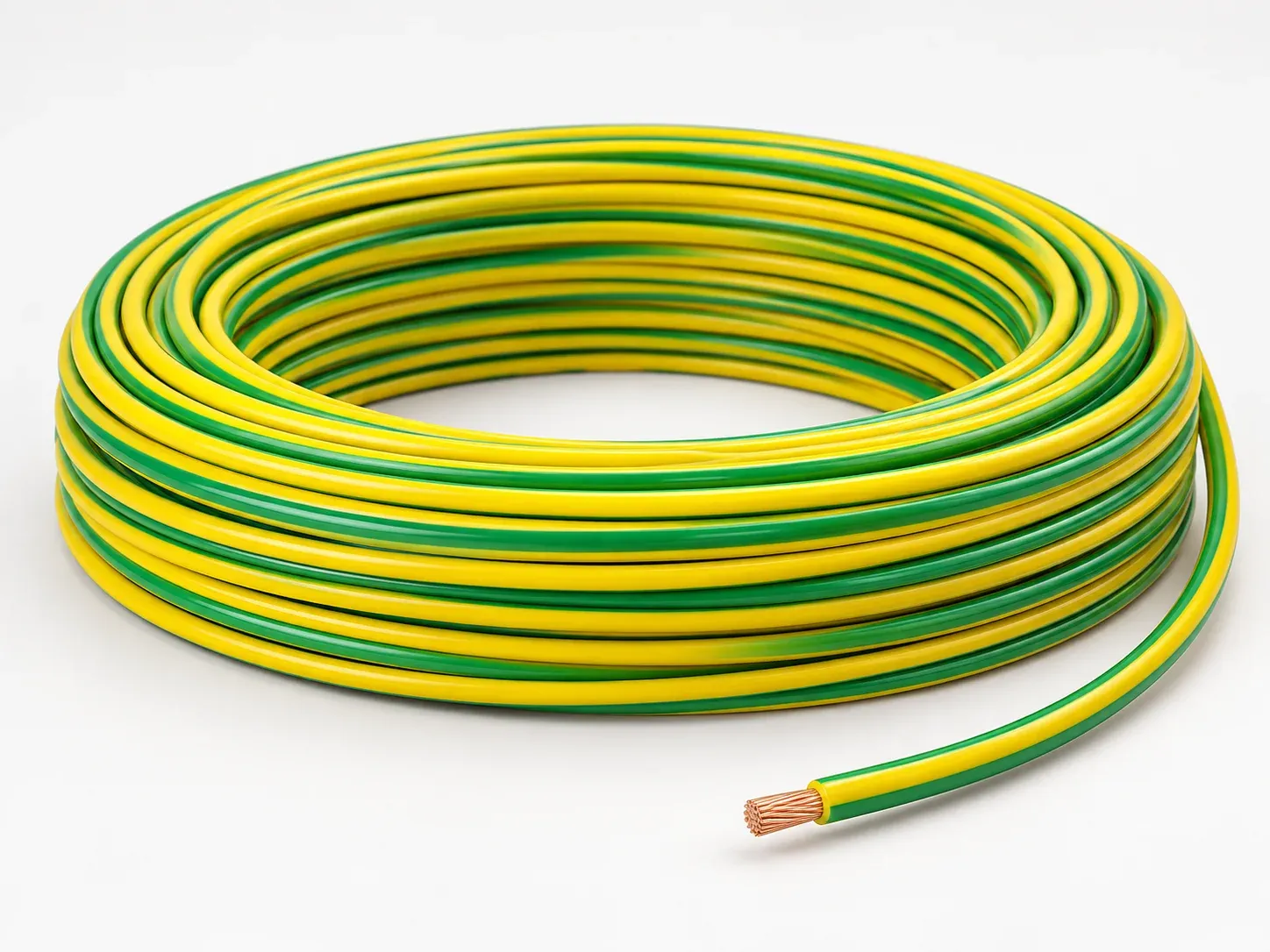
| BV copper PVC wire | 1, 1.5, 2.5 and 4 mm² | 300/500 V or 450/750 V | Fixed wiring in walls and conduit | BV building wire |
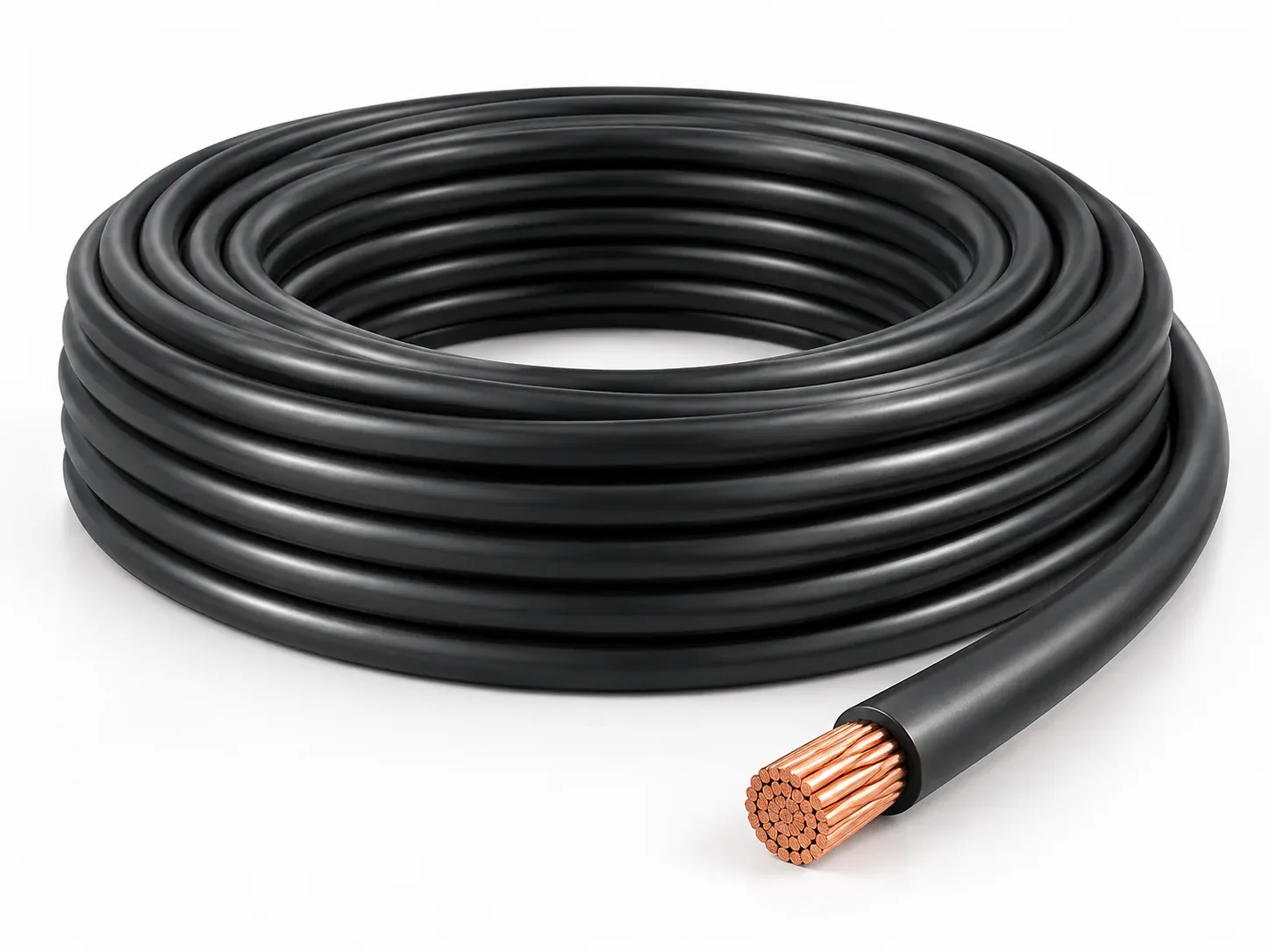
| THHN / THWN / THWN-2 copper wire | about 14 AWG to 4/0 AWG and kcmil, made to order | 0.6/1 kV on our page | Conduit wiring in AWG markets | THHN building wire |
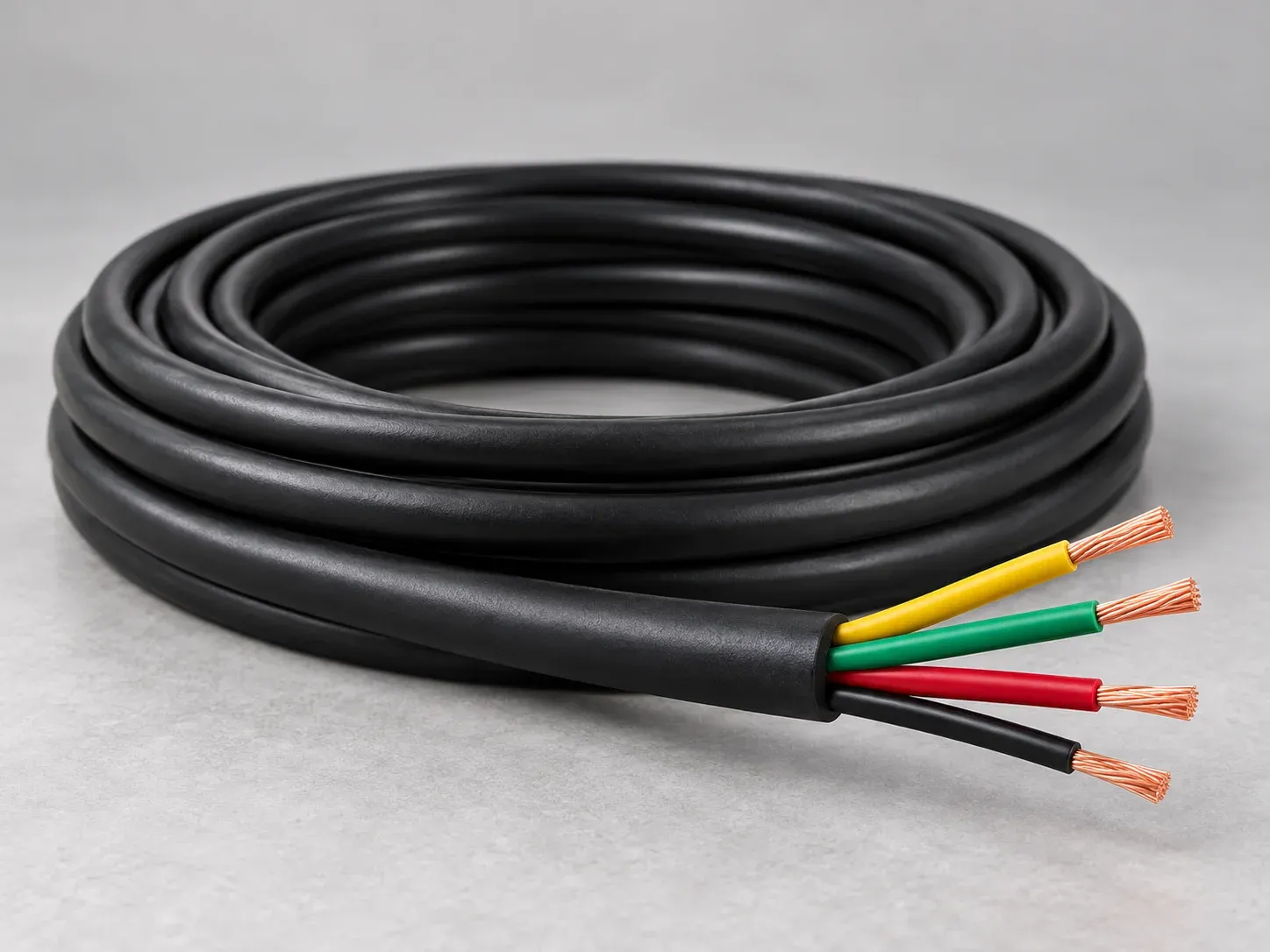
| Armoured copper power cable | 1.5 to 25 mm², 2 to 5 cores | 0.6/1 kV | Underground feeders and sub-mains | Armoured cable |
BV conductors are solid or stranded Class 1/2 copper with a 70 °C maximum conductor temperature. THHN is stranded Class B, rated 75 °C wet and 90 °C dry, and the THWN-2 version holds 90 °C in both conditions. The armoured cable uses XLPE insulation (90 °C) under steel wire or steel tape armour and a PVC sheath, so it can take direct burial where a bare wire cannot.
Picking the cross-section
Three inputs decide it, in this order.
- Current. BV at 2.5 mm² carries roughly 20-27 A in conduit at 30 °C, according to the typical data on our product page. Treat that as an indication only; installation method and neighbouring cables change it.
- Voltage drop. On a long run a thicker conductor is often needed even when the current is modest. A size that satisfies the current table can still starve a distant motor.
- Short-circuit and protection. The breaker must protect the cable, not only the load.
The mm² and AWG charts published online do not always pair up the same way, so quote the size in the standard your inspector will read. For a diesel generator feeding a site board, size the feeder to the generator output; our diesel generator sizing guide covers the load side.
Handling and laying
Armoured cable should not be bent tighter than about 12 times its overall diameter. Pulling tension and drum handling matter on larger sizes, so ask for the drum length that suits your trench, not the longest available. Colors on THHN are commonly black, red, blue, white, green and yellow; say which you need per circuit.
Insulation, color and marking
Insulation is more than a color choice. PVC is the usual jacket for building wire because it is flexible, flame-retardant when formulated for it, and easy to strip. Colors help electricians identify live, neutral and earth conductors, but the color code differs between countries, so confirm the code used where the wire will be installed before you order. Printed marking on the jacket usually shows size, voltage class and a batch reference, which makes inspection and later repairs easier.
What to send for a quote
- Standard family (mm² or AWG) and the rated voltage.
- Cross-section and number of cores for each line item.
- Single-core wire or multicore armoured cable, solid or stranded.
- Coil, reel or drum length, and total metres per size.
- Colors, printing and any marking required for customs or inspection.
- Destination country, supply voltage and frequency, and typical run lengths.
Other equipment for the same project is under Power & Energy, including diesel generators and LPG cylinders. Send us your cable schedule and we will confirm what can be made to order.