Drill or planter: decide by the seed
Search results use “seeder”, “drill” and “planter” loosely. Practically there are two jobs. A drill sows a flow of small seed through openers at a set kilograms per hectare. A planter singulates: one seed, tuber, clove or cane set at a set distance and depth. Seed size and the value of exact spacing decide which you need.
| Crop | Machine | Rows and width | Tractor / power | Typical output |
|---|---|---|---|---|
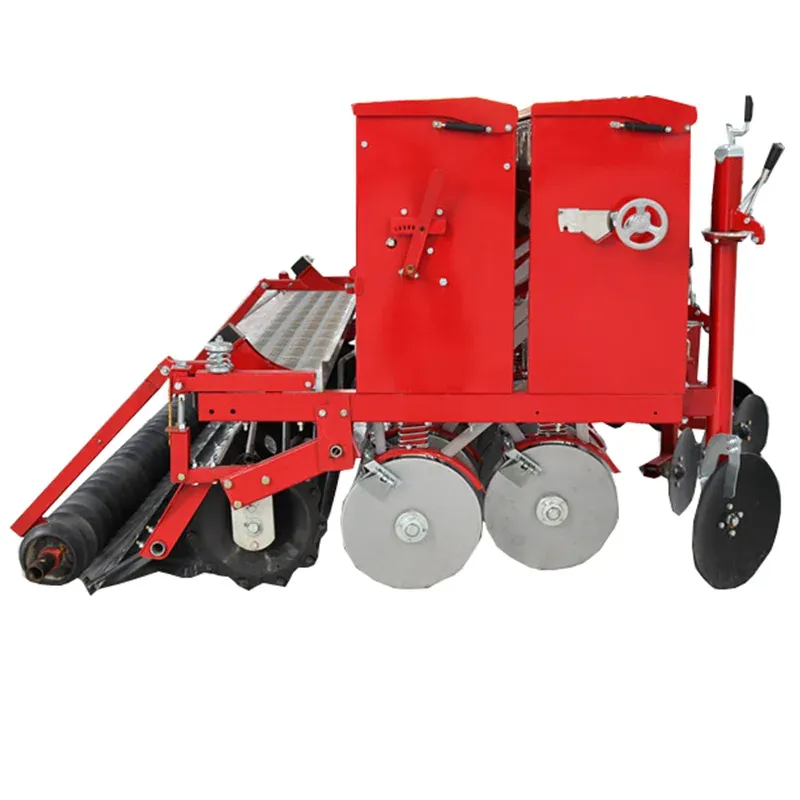
| Alfalfa, pasture | 16-row no-till drill | 150 mm rows, 2.2 m | commonly 40-70 HP | about 1.0-1.5 ha/h |
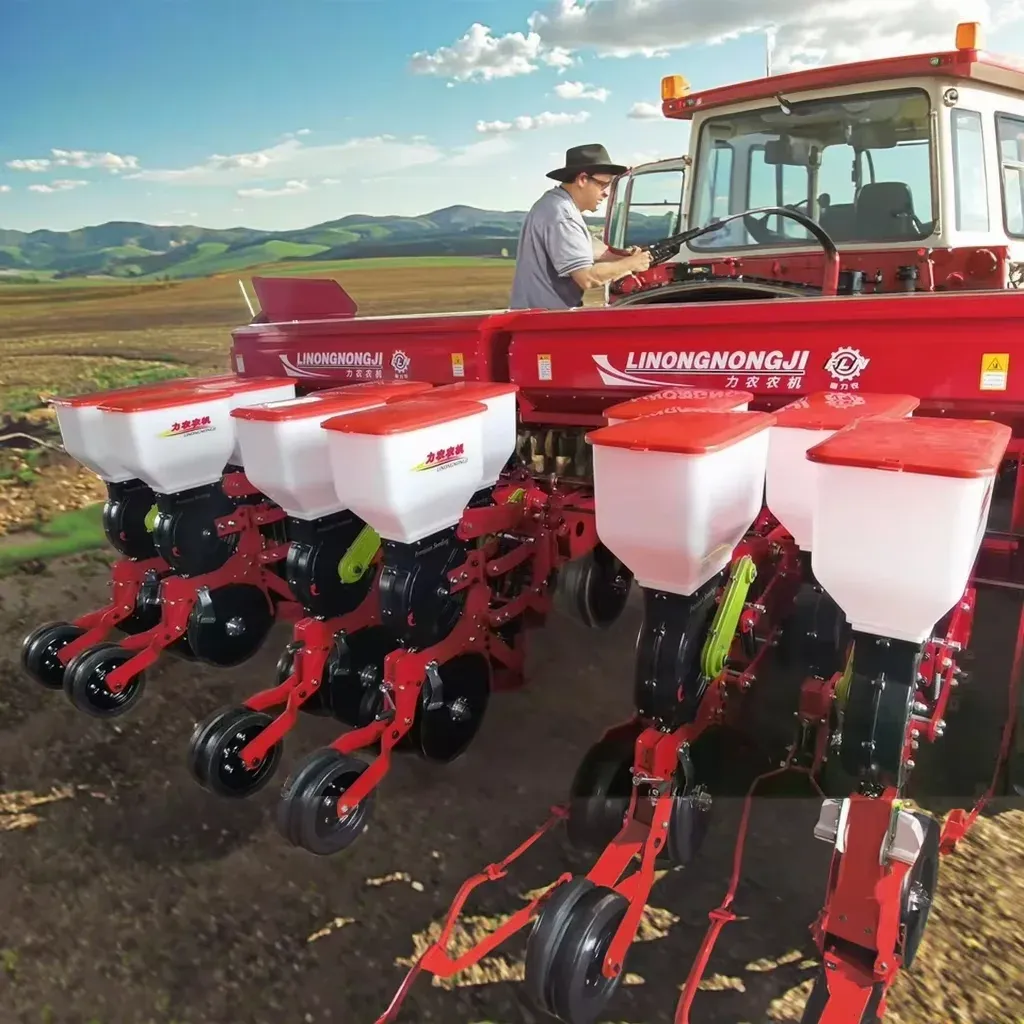
| Soybean, narrow-row seed crops | 18-row planter | about 2.7 m frame | commonly 50-90 HP | about 1.2-2.0 ha/h |
| Sugarcane | 2-row planter | rows commonly 1.2-1.5 m | commonly 60-100 HP | about 0.3-0.6 ha/h |
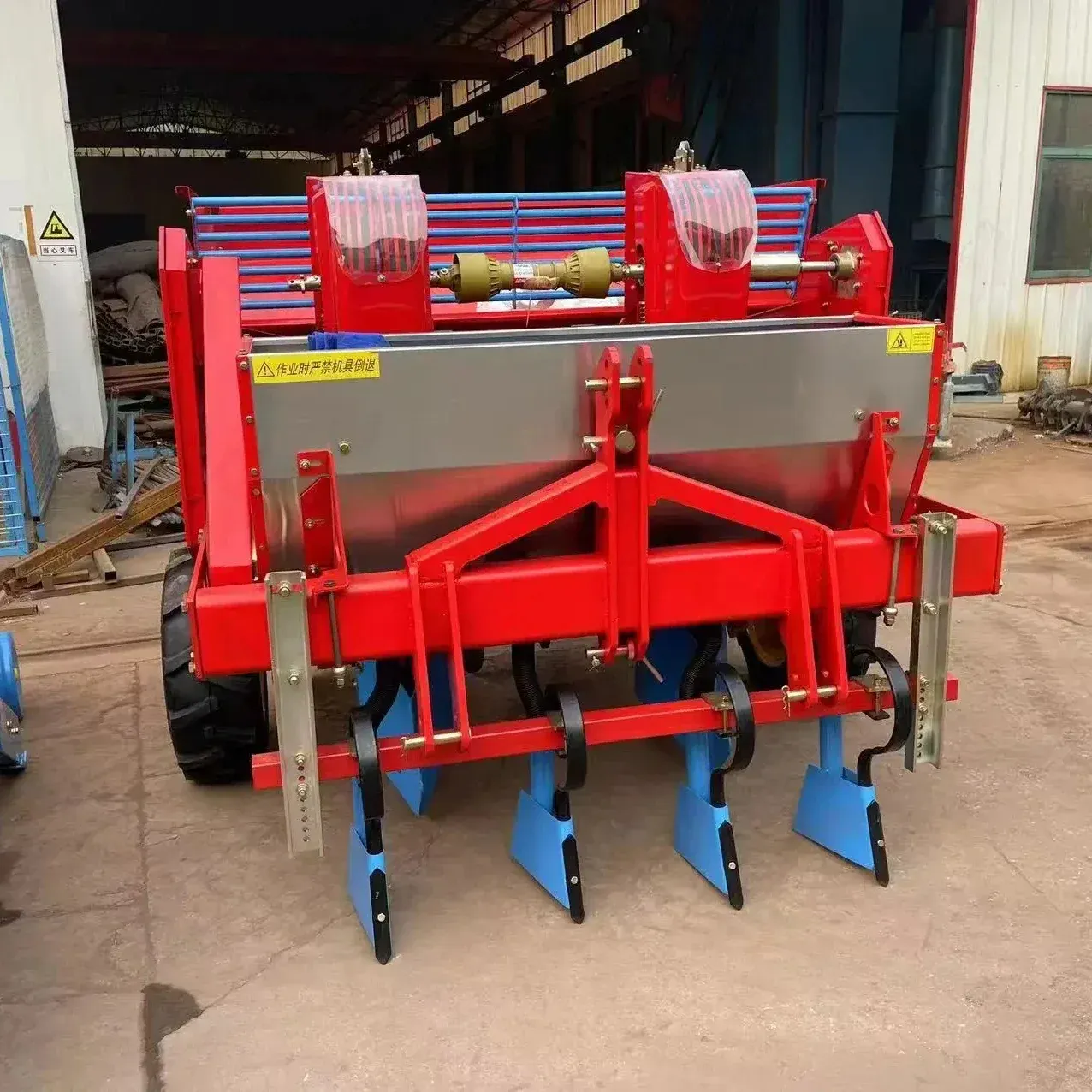
| Potato | 4-row planter with fertilizer | rows commonly 0.7-0.9 m | commonly 60-100 HP | about 0.4-0.8 ha/h |
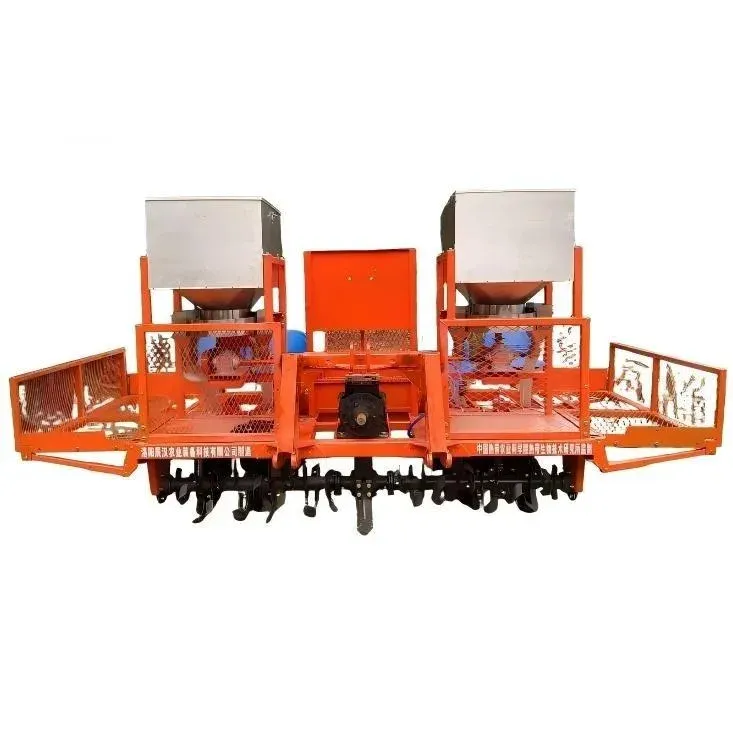
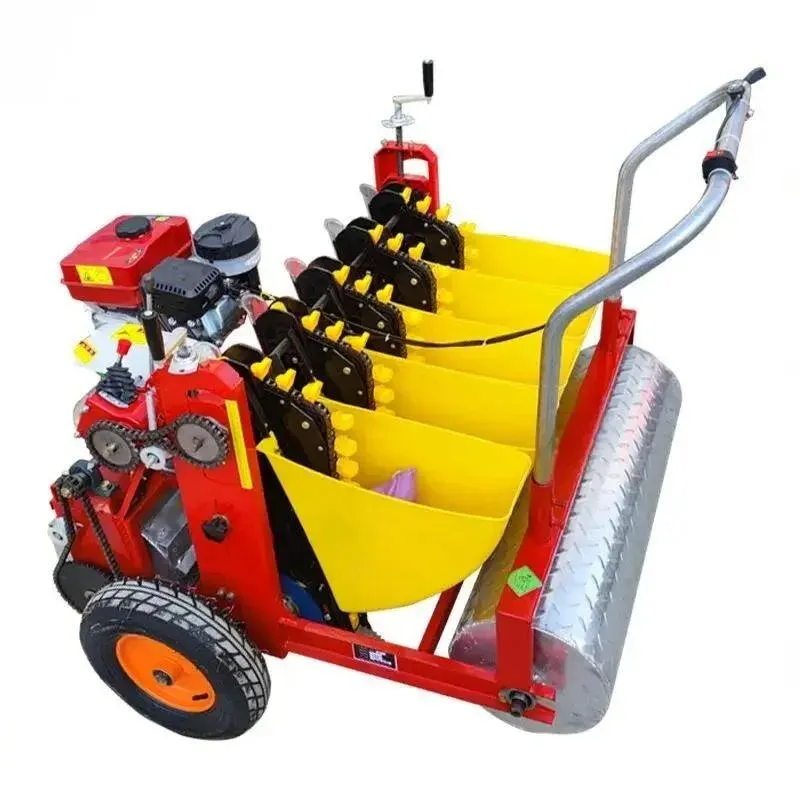
| Garlic | 5-row garlic planter | 10 or 15 cm rows | own gasoline engine | about 0.05-0.1 ha/h |
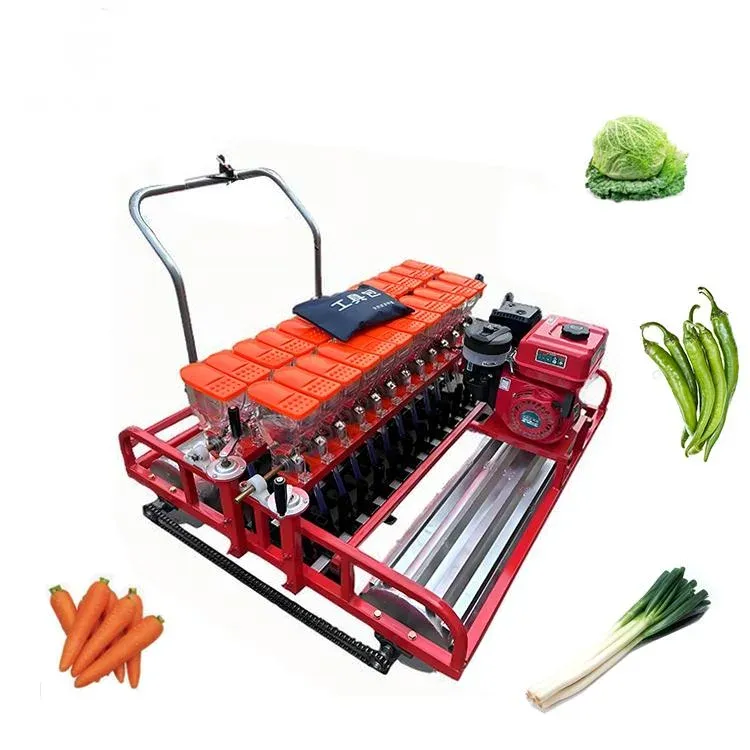
| Onion, carrot, leafy vegetables | Precision vegetable seeder | 6-25 rows at 5 cm | ground wheel or small tractor | set by row count |
Output figures are typical values for each class; real figures drop with turning, refilling and uneven ground.
Match the machine to the tractor
Check three things before ordering: horsepower, hitch and hydraulic needs. The 2.2 m drill weighs 420 kg and the 18-row planter 390 kg, so a mid-size tractor lifts them; the potato planter is 950 kg and the cane planter 1,200 kg, which is why they ask for 60 HP and above. Ask for the hitch category your tractor uses.
What matters on the page
- Metering: fluted-roller or cup metering suits small seed; vacuum, belt or cell-wheel metering suits fine vegetable seed.
- Depth control: alfalfa goes shallow (about 1-3 cm), soybean about 3-5 cm, potato 8-15 cm.
- Row spacing: is it adjustable? The alfalfa drill is 150 mm “adjustable”; the garlic machine offers two fixed spacings.
- Fertilizer unit: seed and fertilizer in one pass cuts tractor hours.
- No-till: the alfalfa drill is a no-till design, useful for pasture renewal without ploughing.
For small seed over large acreage a drill finishes fast, though it gives less exact spacing than a planter; the trade-off is the one the comparison articles also describe. Before the seed goes in, ground preparation is covered under cultivators and tillers, and the crop comes out with our harvesters.
What to send for a quote
- Crop, variety and seed or tuber size
- Row spacing and bed layout
- Area per season and sowing window
- Tractor model, horsepower and hitch type
- Whether fertilizer is applied in the same pass
- Soil type and whether the field is tilled or no-till
- Port of delivery