Pick the harvest operation before the horsepower
Harvesters are named for what they do to the crop. A reaper only cuts. A combine cuts, threshes and cleans, and a corn harvester strips the ears or chops the whole plant for silage. Most of the confusion in enquiries comes from asking for “a harvester” without saying which of these jobs is needed.
| Type | Typical field capacity | Suits | Our models |
|---|---|---|---|
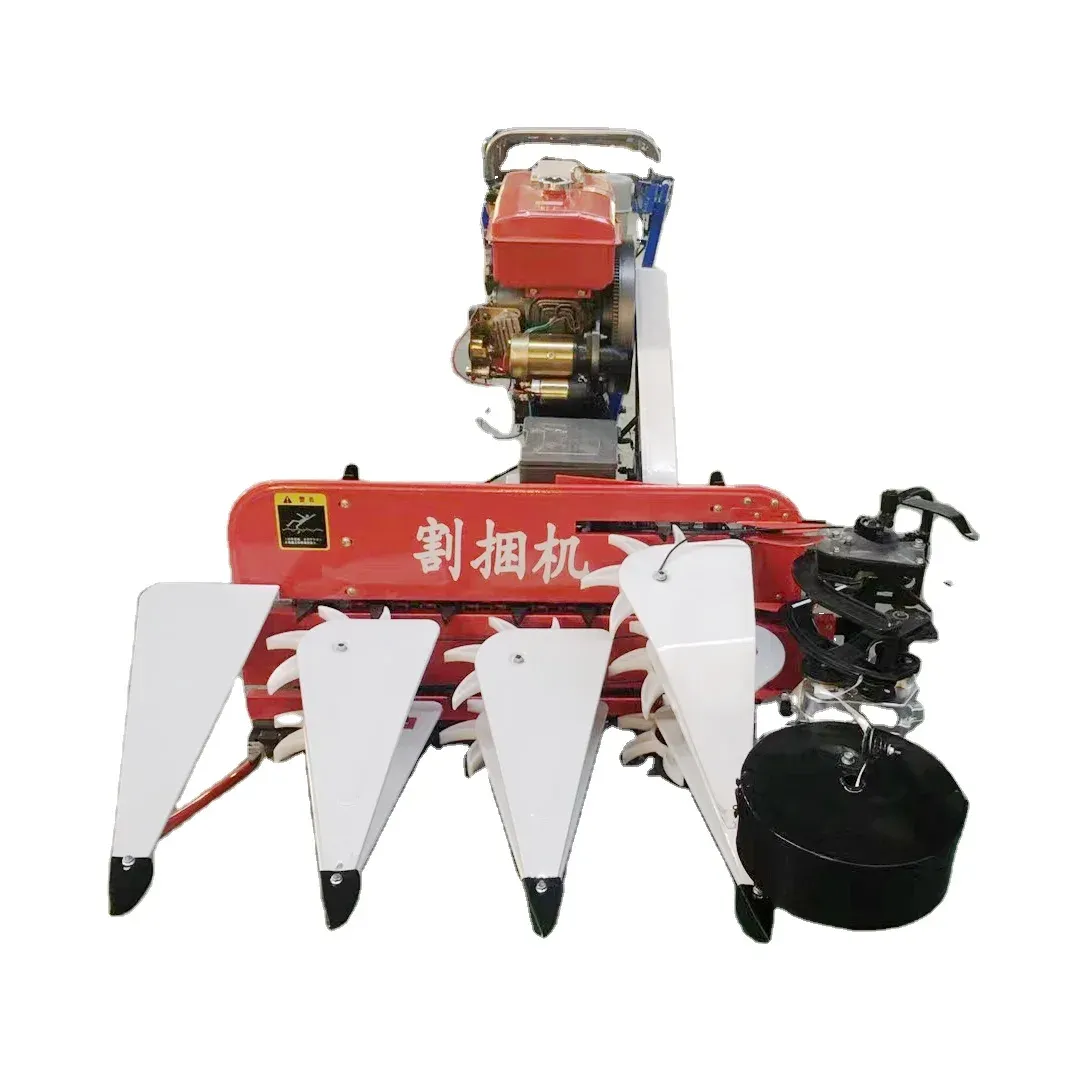
| Reaper binder | about 0.1-0.3 ha/h | Small rice and wheat plots, terraces | 5.5 HP mini reaper binder |
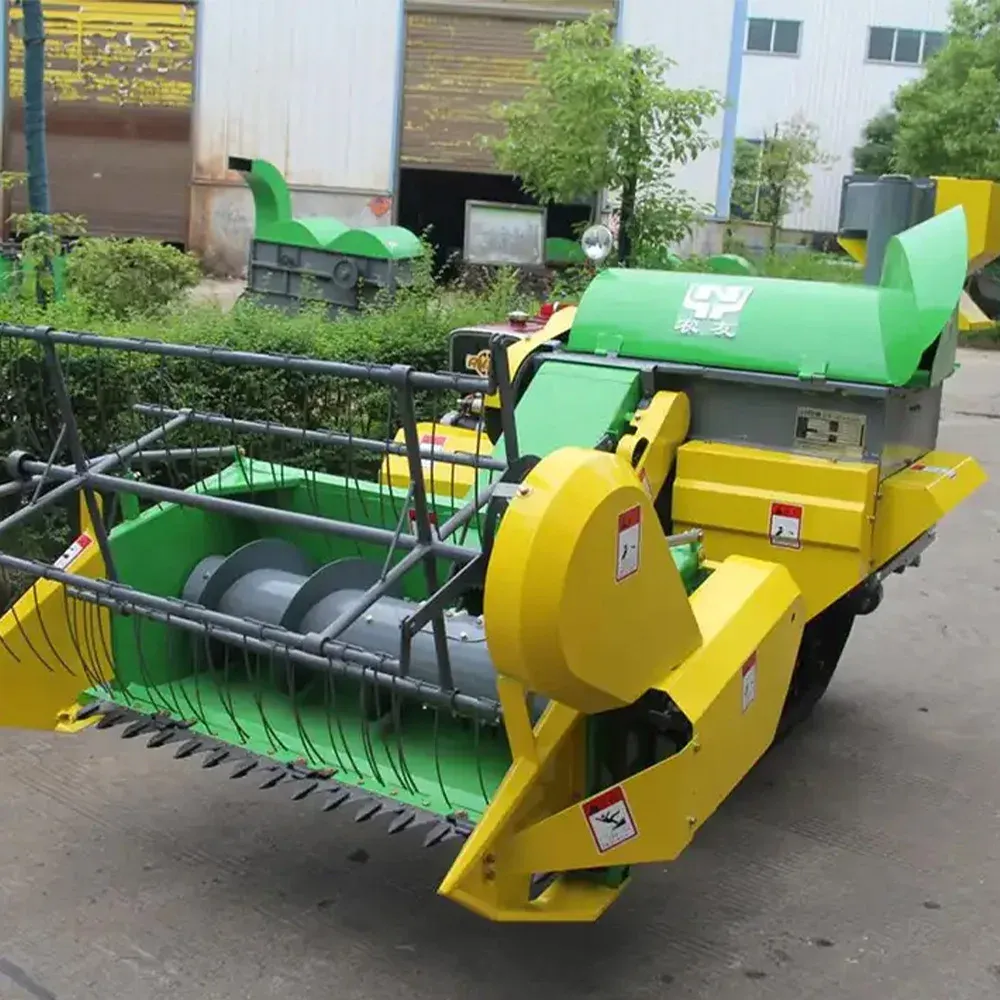
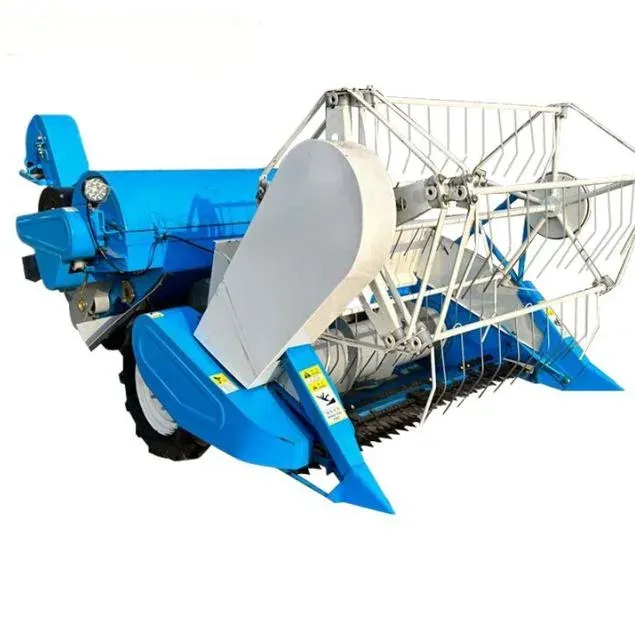
| Mini combine | about 0.1-0.3 ha/h | Smallholders, paddy, rental operators | Mini rice and wheat combine, 1 m cut, tractor-driven mini combine, 800 mm |
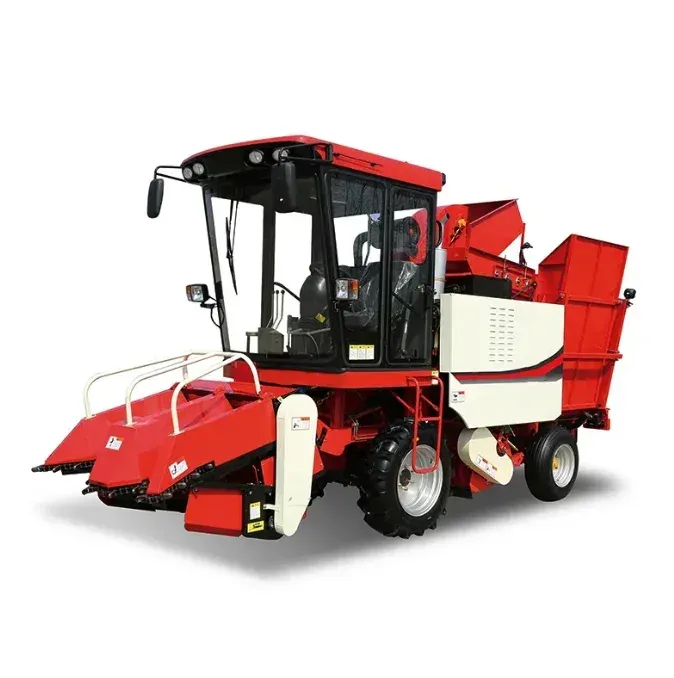
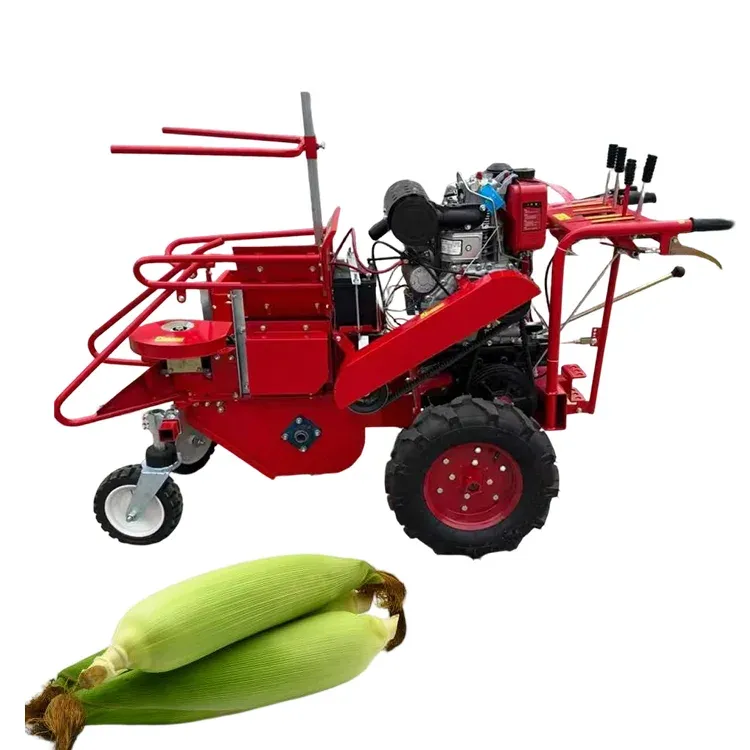
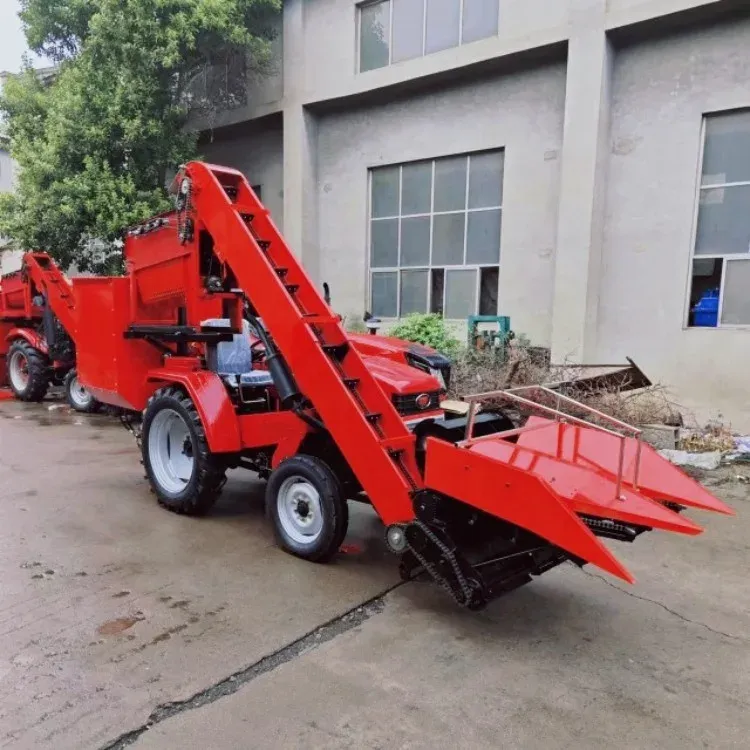
| Corn harvester | about 0.1-0.5 ha/h | Corn growers from walking tractor to 70 HP tractor | Single-row mini, tractor-mounted 2-3 row |
| Mid-size combine | about 0.4-0.8 ha/h | Contract harvesting, mixed crops | 92 kW multi-crop, 5-row self-propelled |
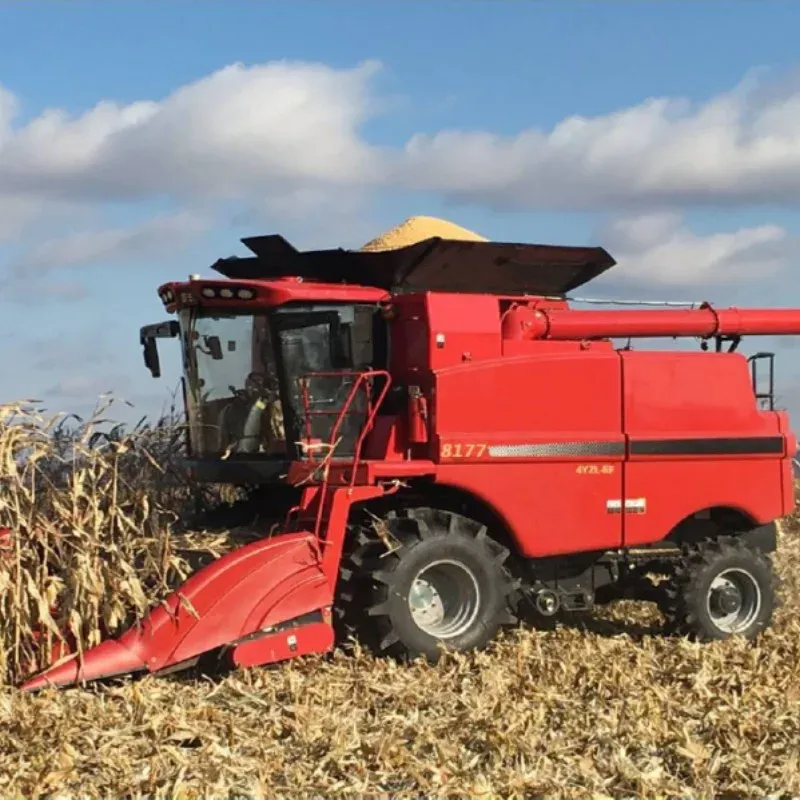
| Large combine | about 1.5-2.5 ha/h on corn | Estates and large corn farms | 6-row, 240 HP |
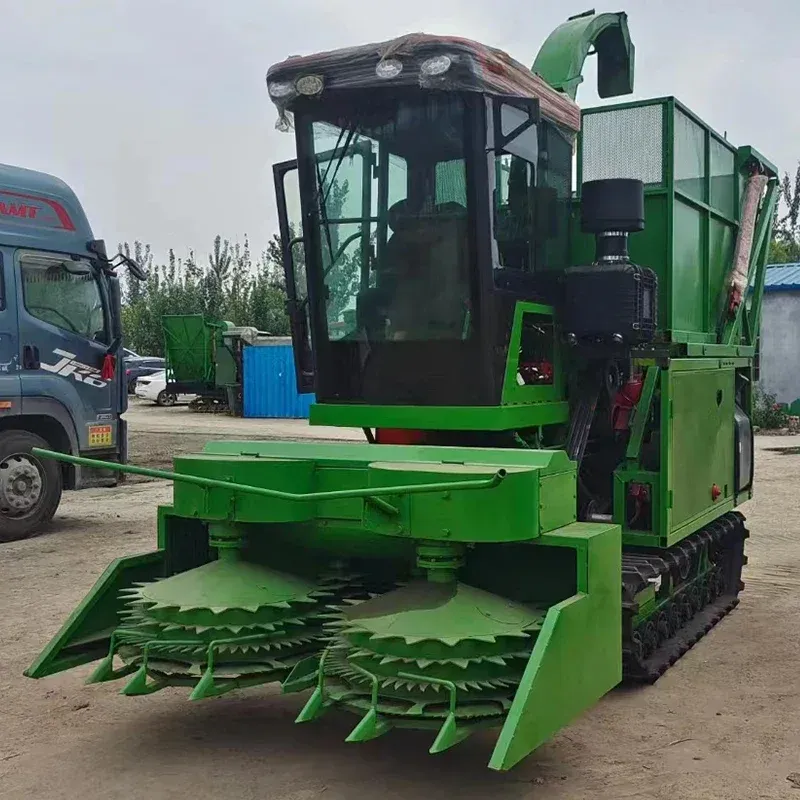
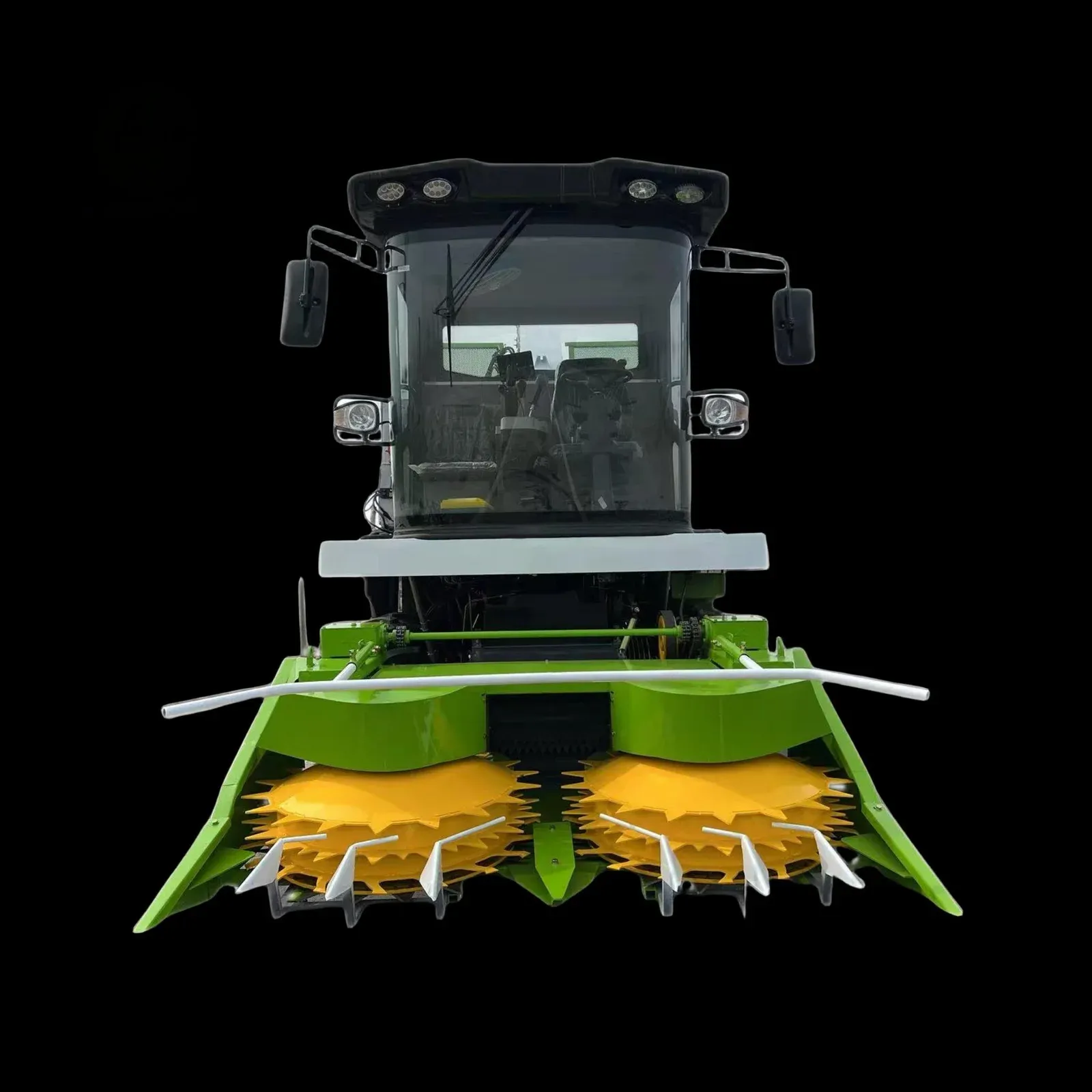
| Silage harvester | about 0.5-1.0 ha/h | Dairy farms, green fodder | Self-propelled corn silage harvester, 2.4 m |
The capacity figures are typical values for each class, not guarantees; wet crops, lodged stalks and small plots cut real output well below them.
A quick capacity sum
Say you have 40 ha of wheat and can rely on 8 working days of 8 hours before the weather turns. That is 64 hours, so you need at least 0.63 ha/h before any allowance for turning, unloading and breakdowns. A 1 m mini combine at 0.1-0.2 ha/h cannot do it alone; a 92 kW class machine at 0.4-0.8 ha/h can, with some margin. This is an illustration, not a quotation.
Self-propelled or tractor-driven
A tractor-driven unit costs less and uses the tractor you already own, but needs the right PTO (commonly 540 r/min) and enough power; our 800 mm model is listed for tractors of 15-80 HP. A self-propelled machine has its own engine, cab options and grain tank, and moves between fields faster. If the tractor is busy with tillage and hauling at harvest time, the self-propelled route avoids the clash.
Header, tank and ground
- Header: each crop needs a matched header. Confirm which is included.
- Grain tank or bagging: mini machines usually bag the grain; mid-size ones carry a tank of roughly 1.5-2.5 m3 and unload by auger.
- Tracks or tyres: tracks for wet paddy and soft ground; flotation tyres for firm fields and long road transfers.
- Row spacing for corn: row units must match your spacing; the 6-row model lists 500-700 mm, customisable.
For how the price moves with these choices, see combine harvester price: what drives the cost. If you plan to run the tractor-driven units, see our compact tractors; the next season starts with seeders and planters.
What to send for a quote
- Crops and the area of each, with the harvest window in days
- Row spacing (for corn) or crop height and lodging risk
- Soil: dry, wet paddy, terraced; tracks or wheels
- Tractor power and PTO speed if you want a tractor-driven unit
- Engine fuel and local voltage for any electric parts
- Port of delivery and whether a wear-parts kit is wanted