Pick the pack before the pump
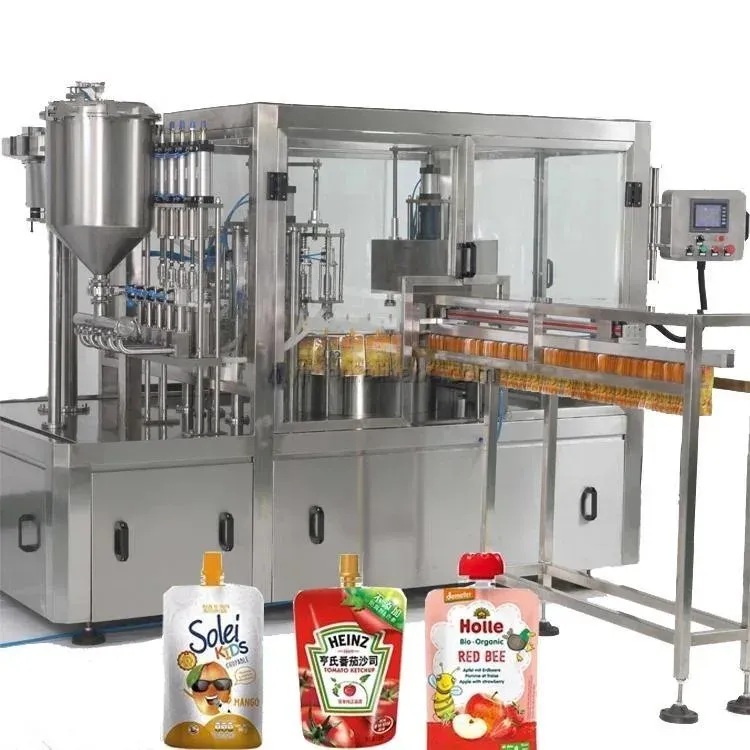
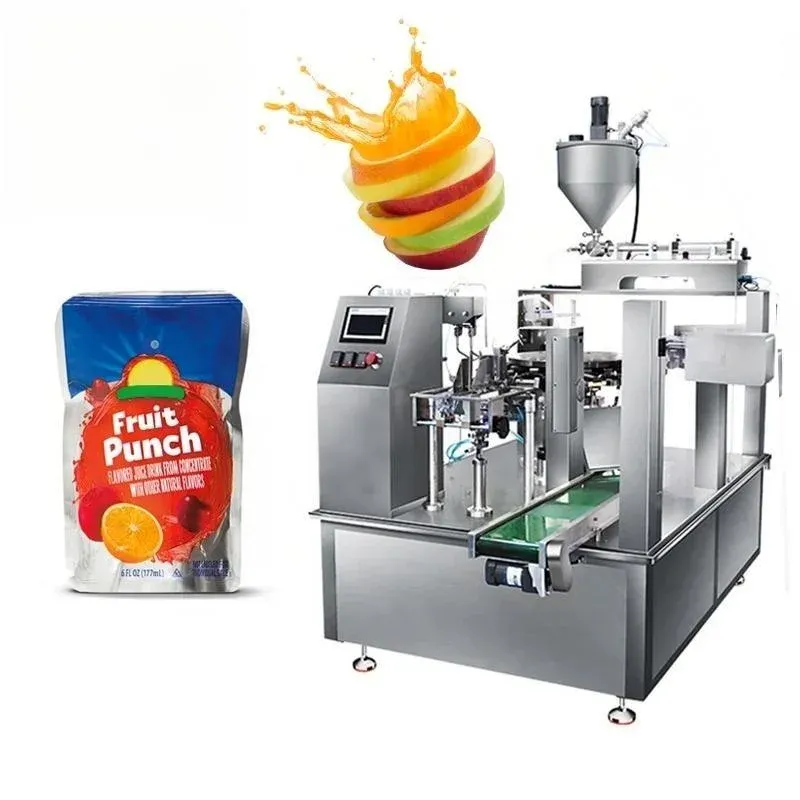
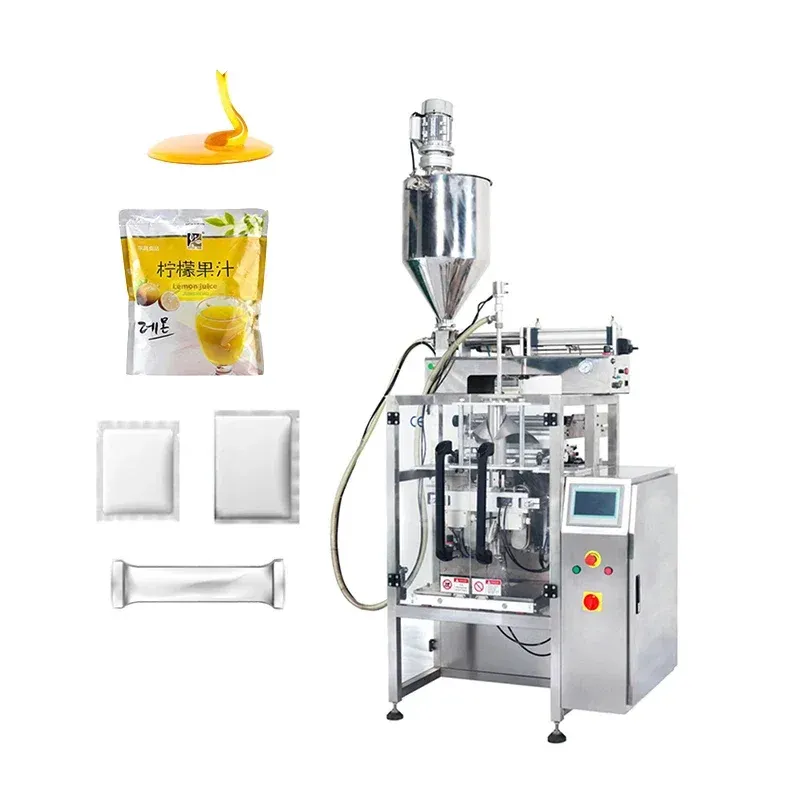
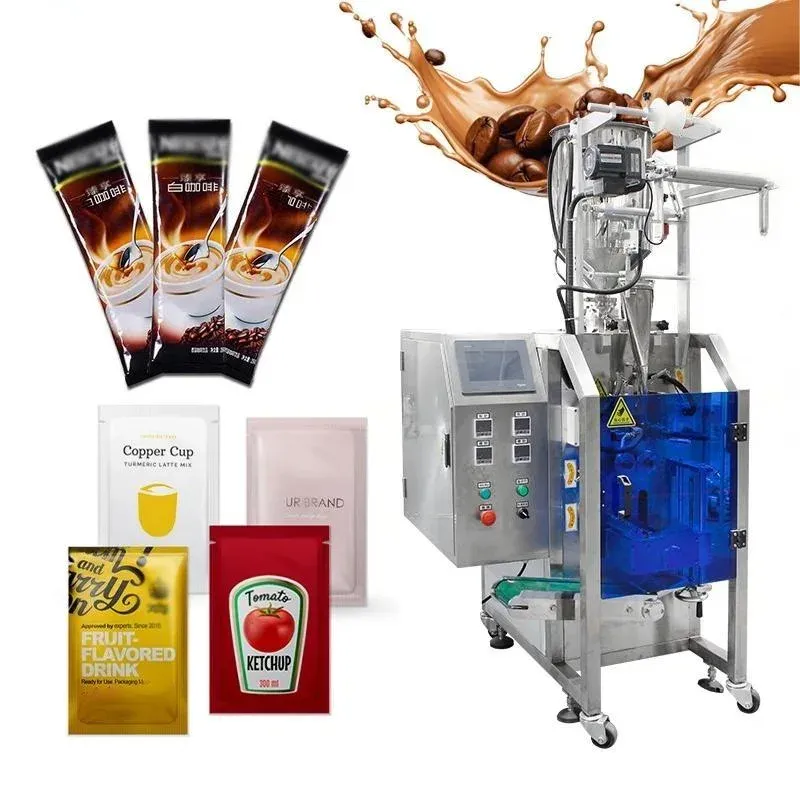
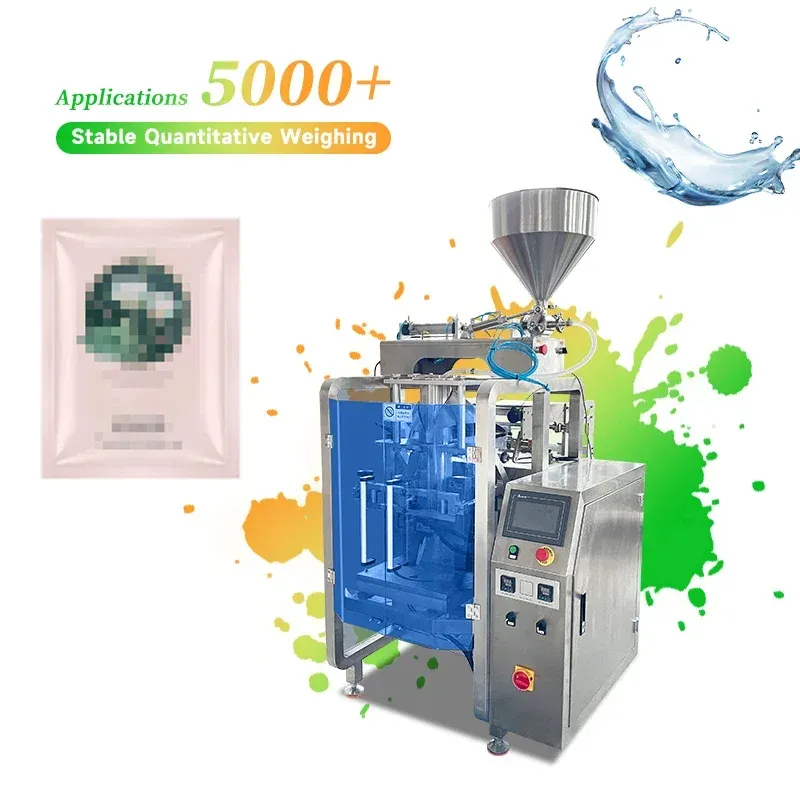
Sachet-type fillers fall into two families. Form-fill machines draw a roll of film into a bag, dose the product and seal it in one pass; they are the cheap way to make single-use packs. Premade-pouch machines pick up finished stand-up pouches, open them, fill and seal; they cost more but give a retail-quality pack with a spout or zip.
| Machine | Pack | Fill size | Output | Supply |
|---|---|---|---|---|
| Pneumatic liquid and paste sachet filler | 3-side or back seal | 5–100 ml or g | 20–50/min | 220 V, 0.6–0.8 MPa air |
| Liquid sachet machine, side seal | Side-seal bag | 10–150 ml | 25–50/min | 220 V or 380 V |
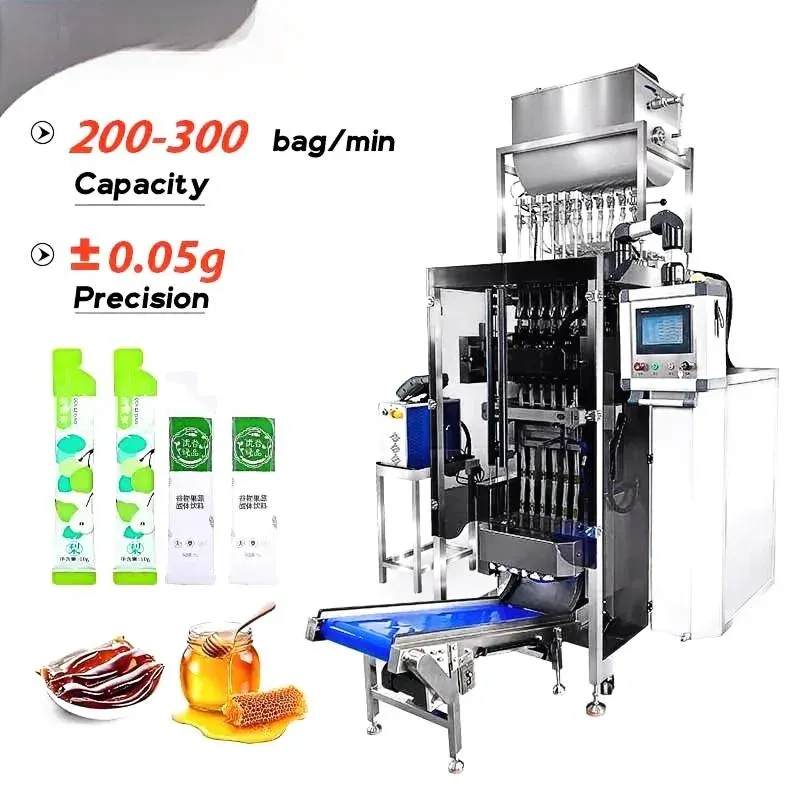
| Shampoo and gel sachet machine | Back-sealed, 1–4 lanes | 3–30 ml | 30–230/min | 220 V, 50/60 Hz |
| Multi-lane liquid sachet machine | 4-side seal, 1–16 lanes | 5–50 ml | several hundred/min at 16 lanes | 220 V |
| 4-head spout pouch filler and capper | Spout pouch | about 100 ml–1.5 L | per quote | 380 V or 220 V |
| 8-station rotary premade pouch machine | Flat, stand-up, zip, spout | pouch 100–250 x 150–350 mm | 20–40/min | 380 V or 220 V, 50/60 Hz |
Thickness decides the metering
Viscosity, measured in centipoise (cP), is how much a fluid resists flow. Water is about 1 cP; honey is thousands. Thin liquids such as juice or cleaner can be dosed by a gear, peristaltic or servo piston pump. Sauces, creams and gels need a positive-displacement piston, and a product with particles needs a wide cylinder bore so the pieces are not crushed. Our pneumatic filler is rated from liquids up to roughly 20,000 cP. Heated hoppers or mixers help for products that stiffen when cool, such as chocolate spread or honey in a cold storeroom.
Small doses are harder than large ones. A big pump struggles to stay accurate at 3 ml, so a shampoo sachet line uses a servo piston sized to that dose rather than the pump from a 100 ml sauce machine.
Choosing between the six
Start from the pack your customers will hold. A street-market or hotel sachet of 3–30 ml, sold by the thousand, points to the shampoo and gel machine, because lanes multiply output without a faster pump. A 20–100 ml sauce or oil pack at a few thousand an hour suits a single-lane side-seal machine. If you want to hang a pouch on a shelf, go to the spout filler or the rotary premade machine, accepting a lower rate of about 20–40 pouches a minute. Buyers growing from a manual line often start with the pneumatic unit, which handles both liquids and thick pastes.
Which of our three food-packing pages?
| What you pack | Go to |
|---|---|
| Juice, sauce, oil, gel, paste, in sachets or pouches | This page |
| Powder or granule: coffee, milk powder, sugar, spice, nuts | Vertical form fill seal machines |
| Solid single items: bars, biscuits, soap, bread | Horizontal flow wrappers |
Bottles and jars are a different job again; see the liquid filling machine guide.
Power, air and the room
Single-lane machines run on 220 V; the larger or rotary machines also come in 380 V, so say whether your supply is 50 or 60 Hz and single or three phase. Most units use compressed air at about 0.5–0.8 MPa. In hot, humid places keep film reels in a dry store, because damp laminate seals poorly, and use SS316 contact parts for acidic or salty products.
What to send for a quote
- Product name, viscosity (or a video of how it pours) and any particles
- Pack style and fill volume in ml or grams
- Film or pouch material and size
- Target sachets per minute and shift pattern
- Local voltage, frequency and air supply