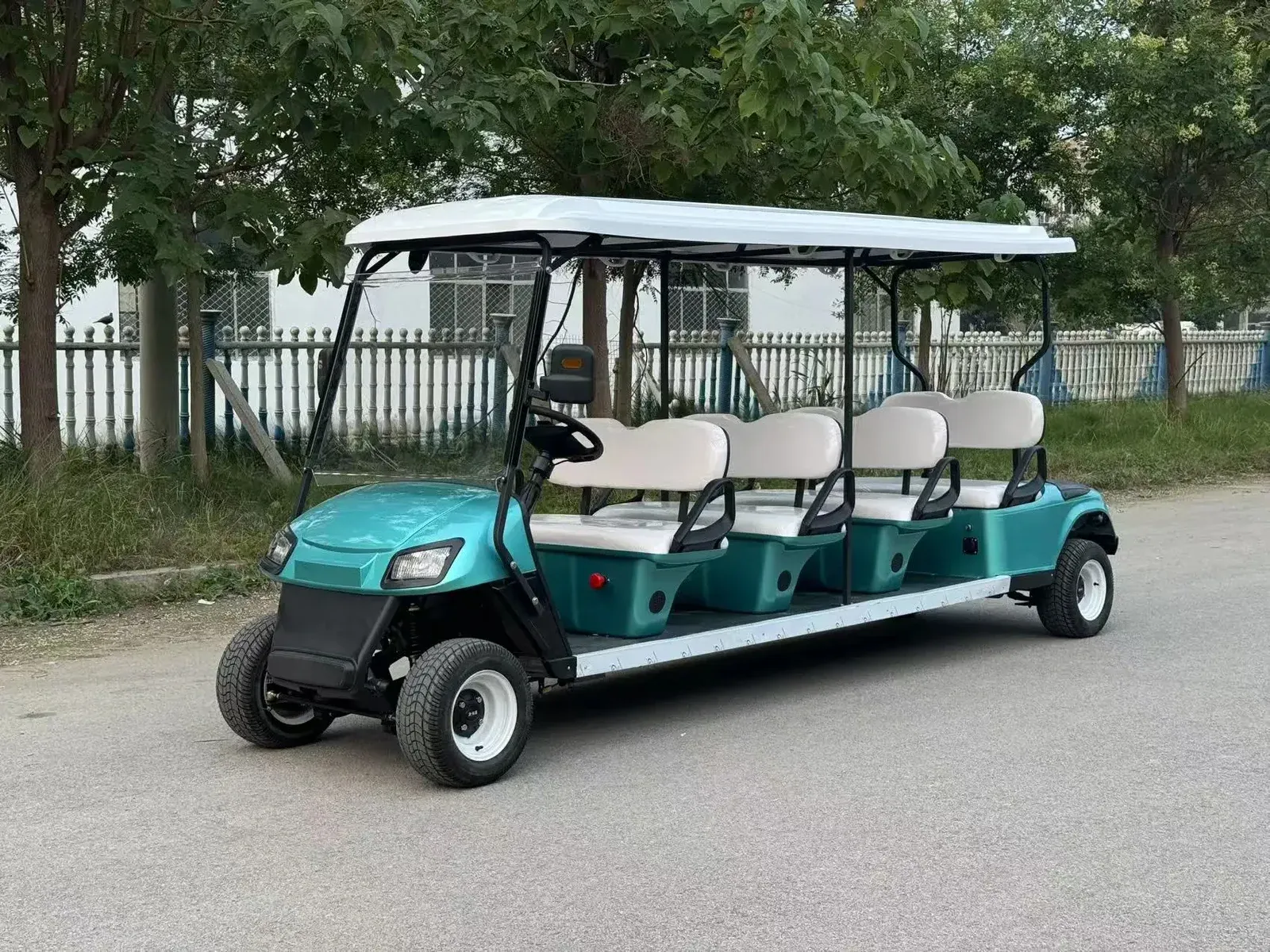
Start with seats and terrain
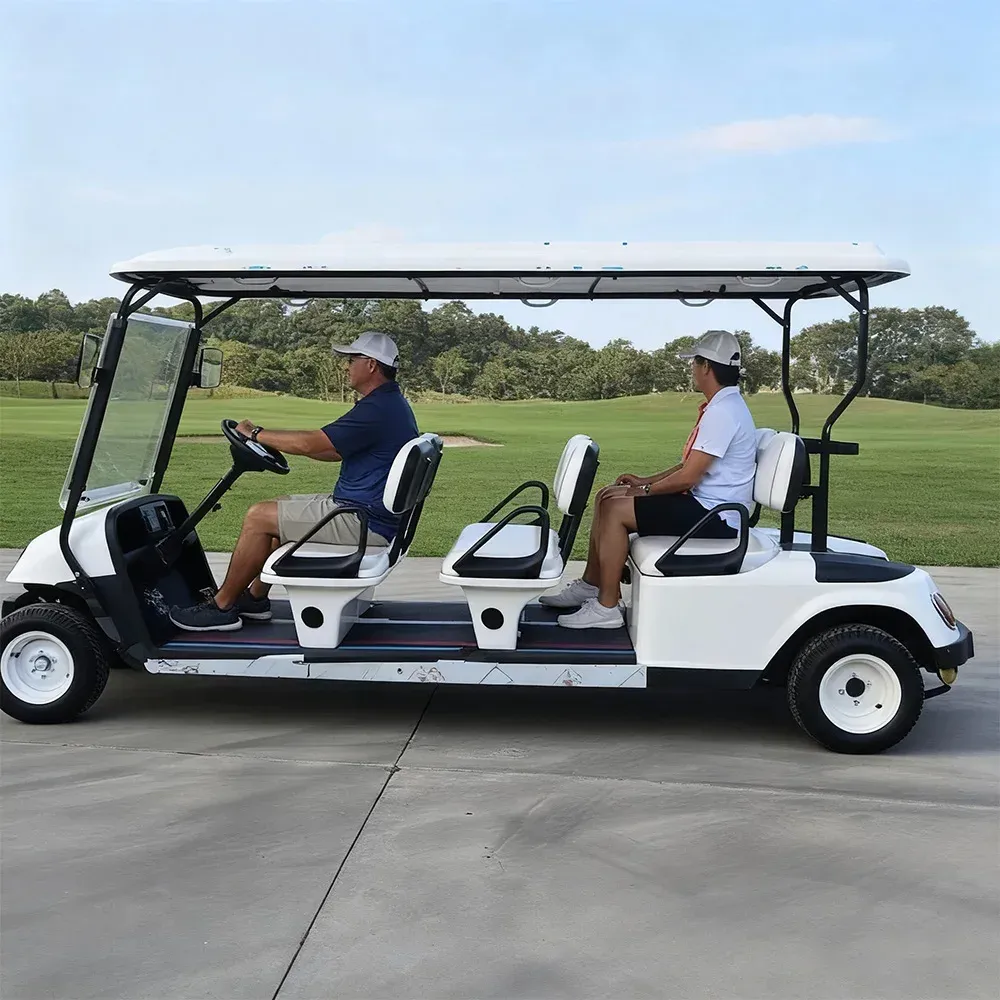
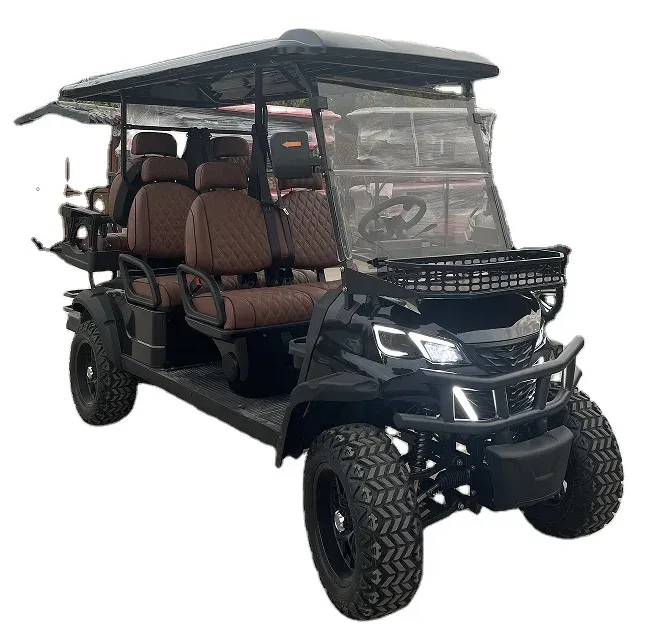
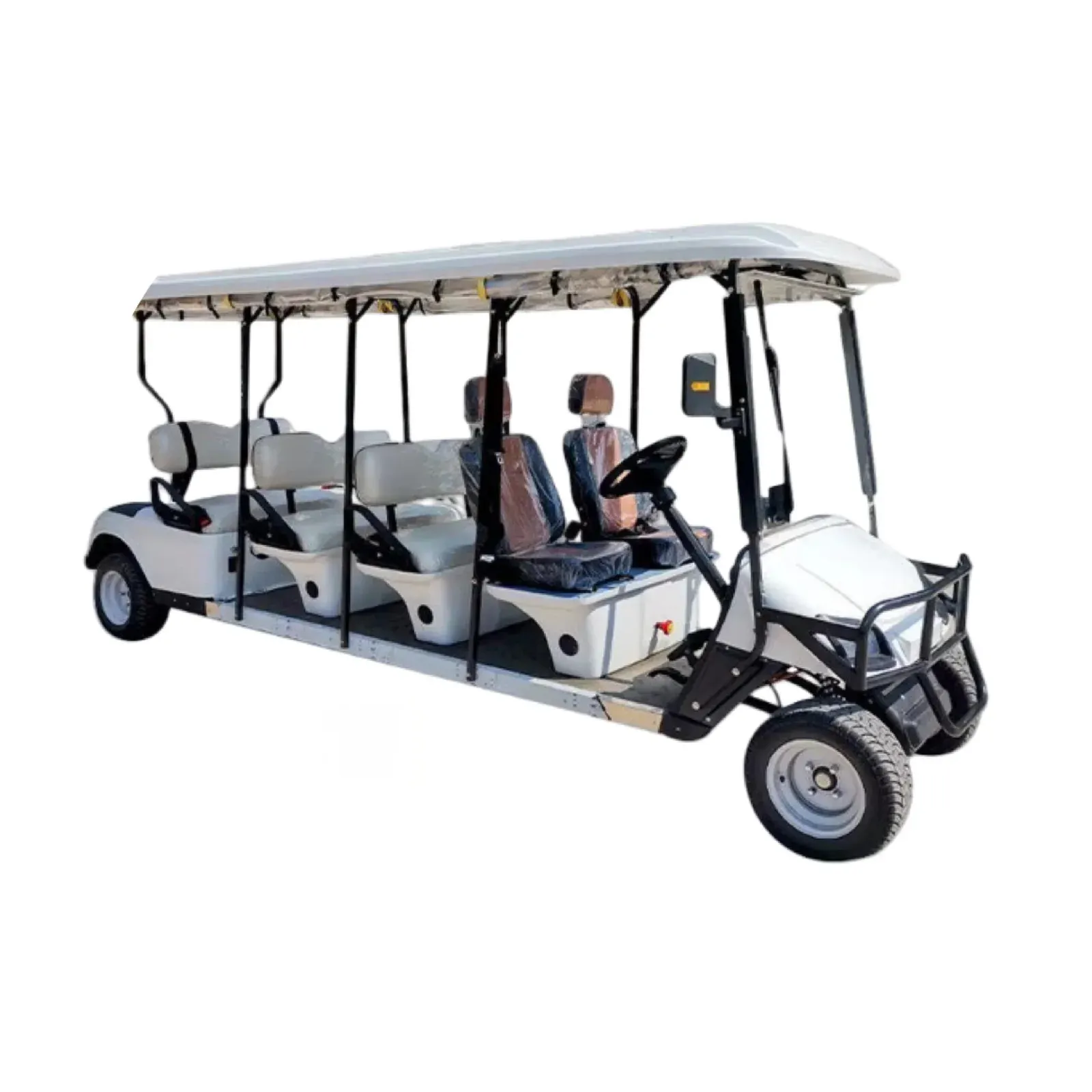
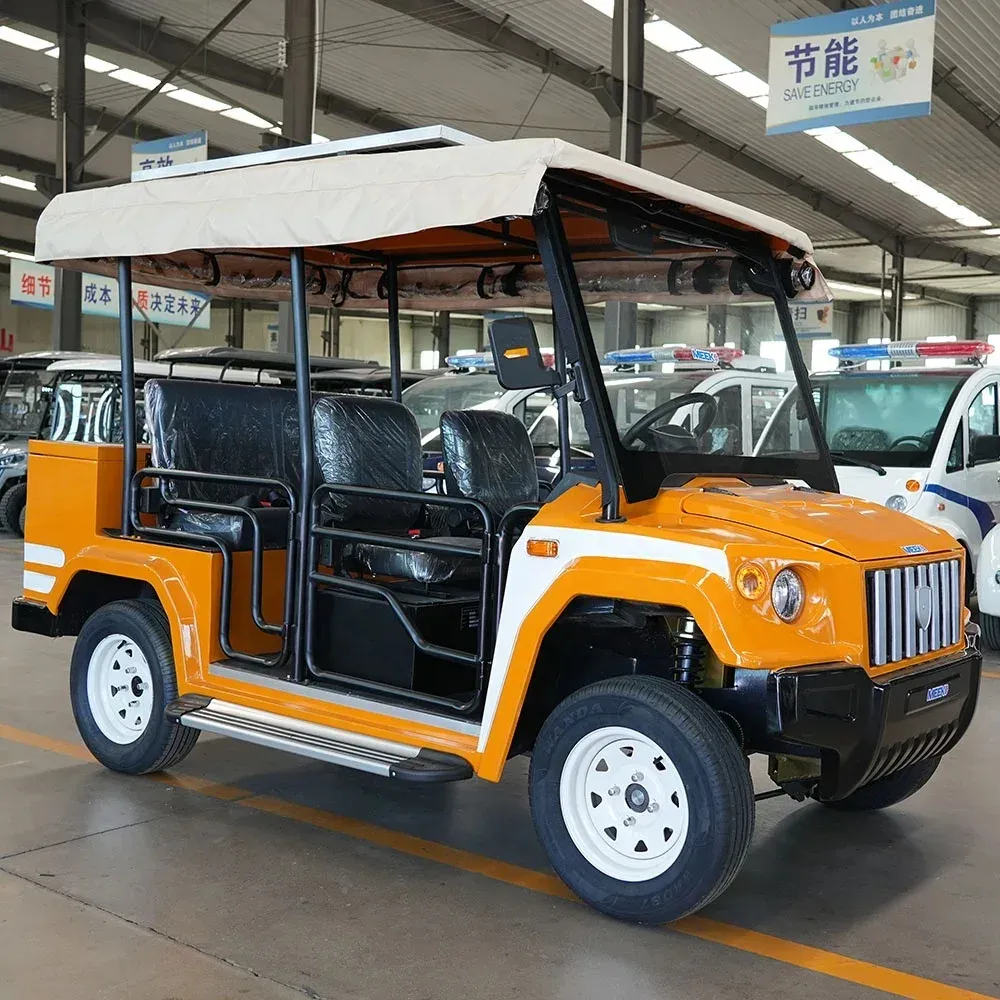
Most buyers who ask for “a golf cart” actually need one of three vehicles: a two-row cart for a few people, a three-row buggy for guests or staff, or a long shuttle that works like a small bus. The grade of the ground then decides whether a standard road chassis will do or whether you need more clearance and a stronger motor.
| Type | Seats | Drive | Stated range and speed | Suits |
|---|---|---|---|---|
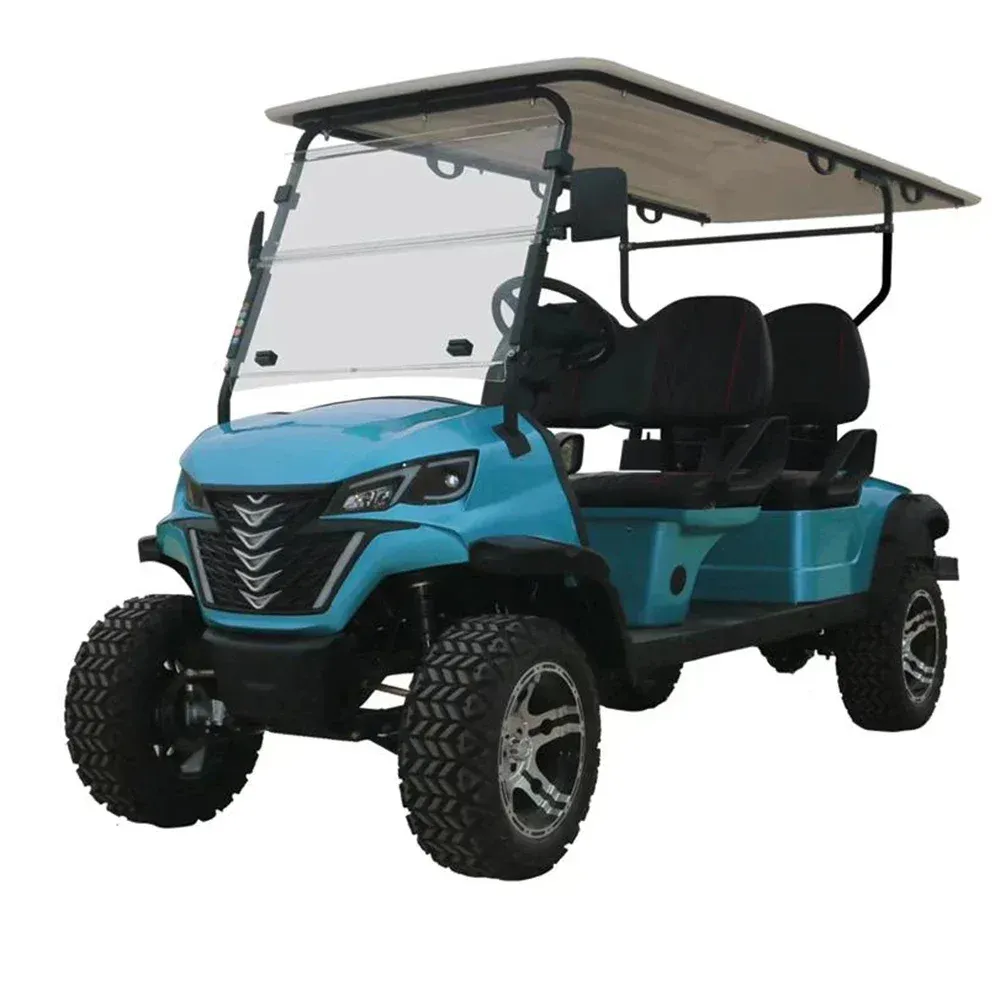
| Compact 4-seater | 3-4 | 48 V, 5 kW | at least 90 km, 25-30 km/h | courses, villas, small campuses |
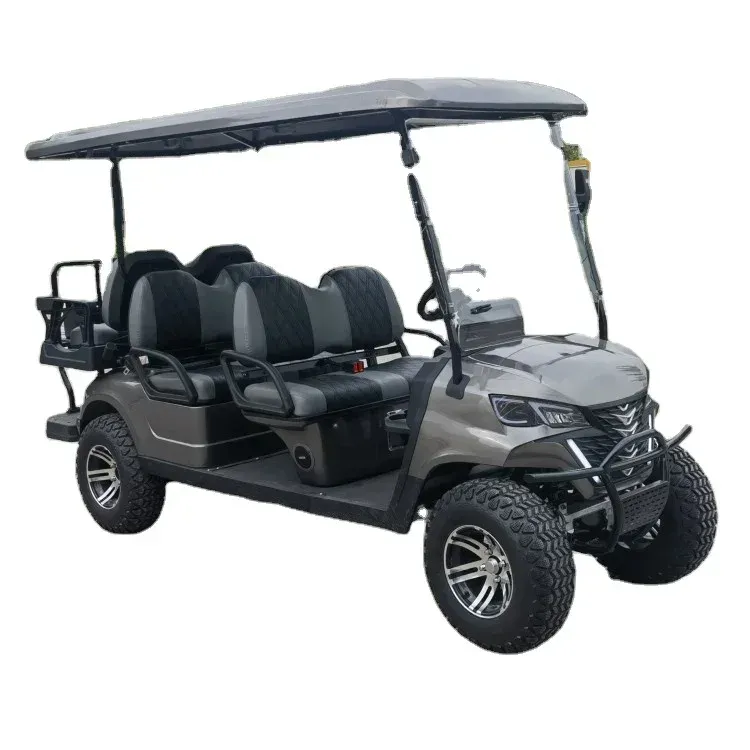
| 6-seater with LED lights | 5-6 | 3.5 kW, five 12 V batteries | up to 30 km/h | hotels, estates |
| 7-8 seat sightseeing buggy | 7-8 | 5 kW | at least 90 km, up to 30 km/h | tour operators, theme parks |
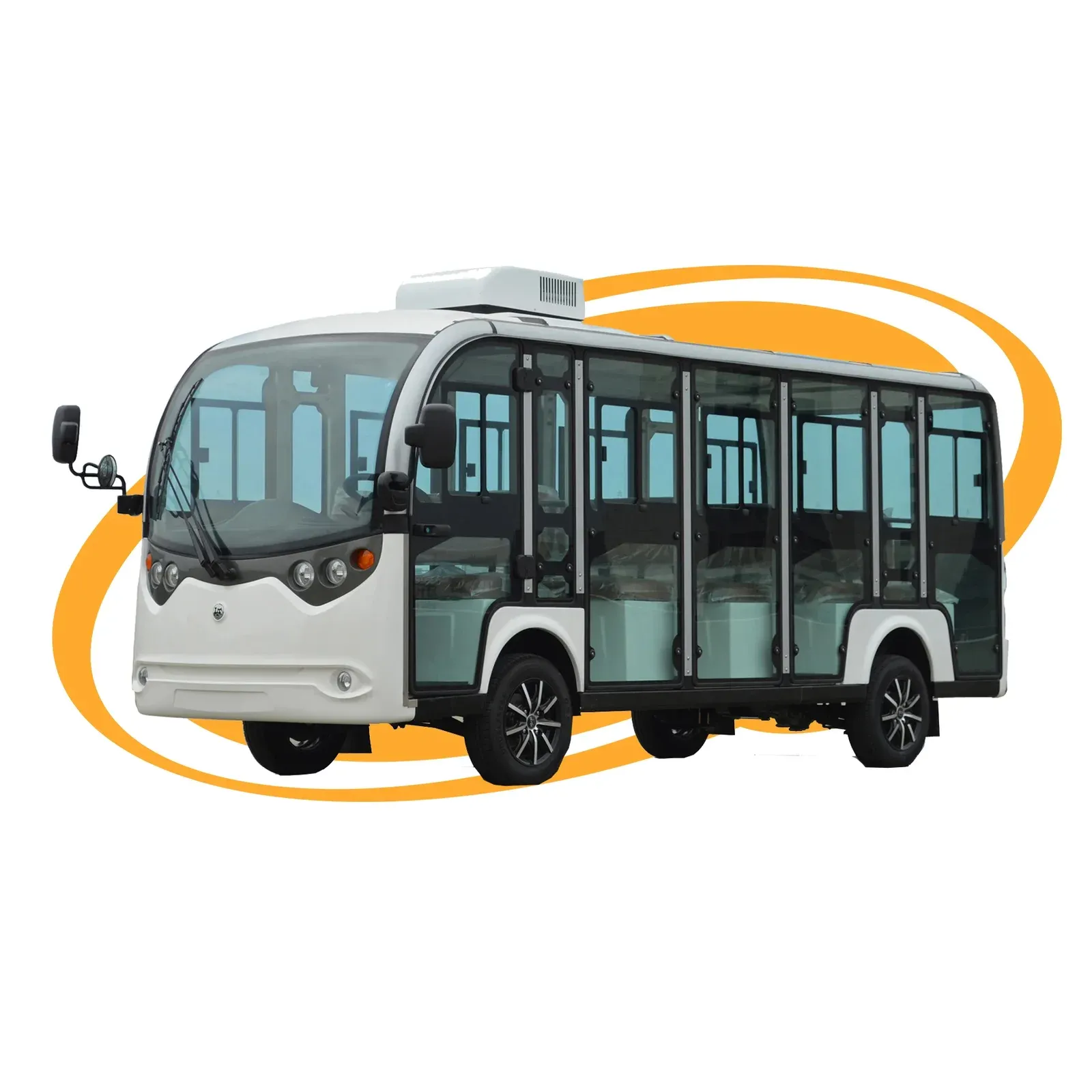
| 14-seat shuttle | 14 | 72 V, 5 kW | 25-40 km/h | resorts, large parks |
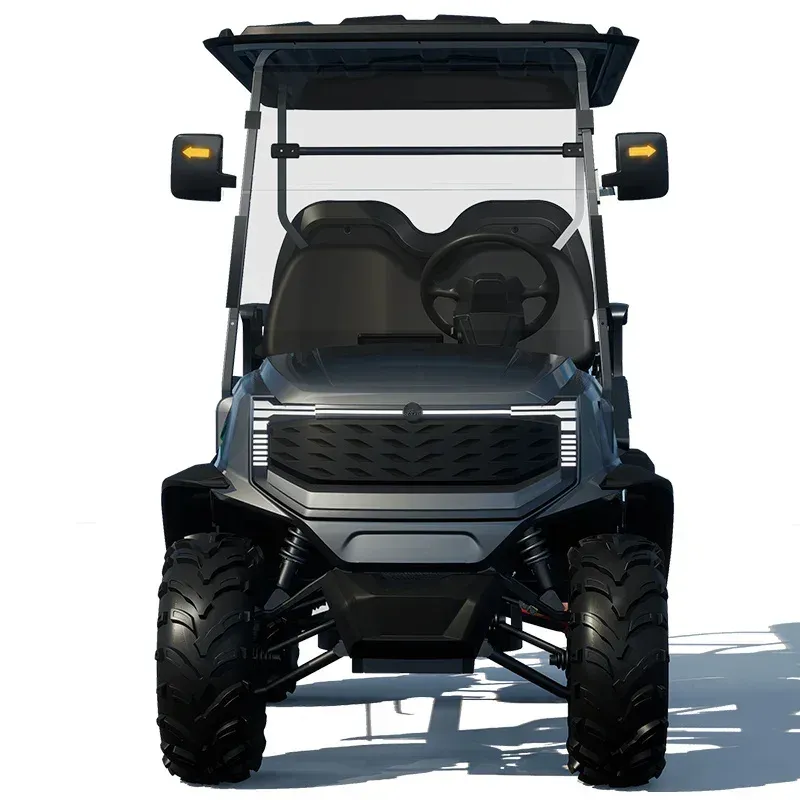
| Off-road 4-seater | 3-4 | electric | 70-90 km, 30-50 km/h | farms, hunting estates |
| 400 cc gas 6-seater | 5-6 | 400 cc petrol | 50-70 km/h | no charging supply, rough tracks |
Ground clearance tells you more about the terrain a cart can handle than top speed does. The standard models sit about 100 to 150 mm off the ground. The off-road electric cart rises to 200 to 250 mm, and the gas model is stated at 300 mm or more with a grade ability of at least 25 degrees. The lifted 6-seat utility cart uses an AC motor and controller and also lists at least 25 degrees.
Electric or petrol
Electric carts are quiet, have few moving parts and cost little per kilometre, which is why most of our range is electric. Charging takes about 5 to 9 hours on the models that list it, so plan an overnight charge point for every few carts. A petrol cart makes sense only where you cannot guarantee that supply or where the track is long and steep. Our electric versus gas buying guide works through the running-cost comparison with a fleet example.
Batteries are the other decision. The 48 V carts list six 8 V, 150 Ah lead-acid units, which need regular water checks. Lithium is an option on some models and is worth discussing if staff will not do routine battery care.
What changes with the job
- Hotels and resorts: guests notice noise and comfort first, so favour the 6-seater or the 7-8 seat buggy over the largest vehicle.
- Factories and campuses: long straight routes and daily use suit the 48 V carts with their stated range of at least 90 km.
- Hilly or unpaved sites: pick the lifted or off-road chassis and ask for the loaded grade figure, not only the empty one.
- Tour fleets: the 14-seat shuttle moves more people per driver, but it needs wider turns and a longer parking bay than the small carts.
Voltage is 48 V for most of the range and 72 V for the shuttle, so a charger from one cart will not fit another. Mains charging is rated for 110 V or 220 V on the 6-seater, which covers most countries.
What to send for a quote
- Seats you need and the heaviest typical load
- Route length, steepest slope and surface
- Electric or gas, and lead-acid or lithium
- Local mains voltage and frequency
- Destination country, road-use rules and colour or branding wishes
- Quantity and whether you want carts built up or partly knocked down for shipping
Browse the full vehicles and transport range for other vehicle types, or send your route details through the quote form and we will suggest a seat count and chassis.