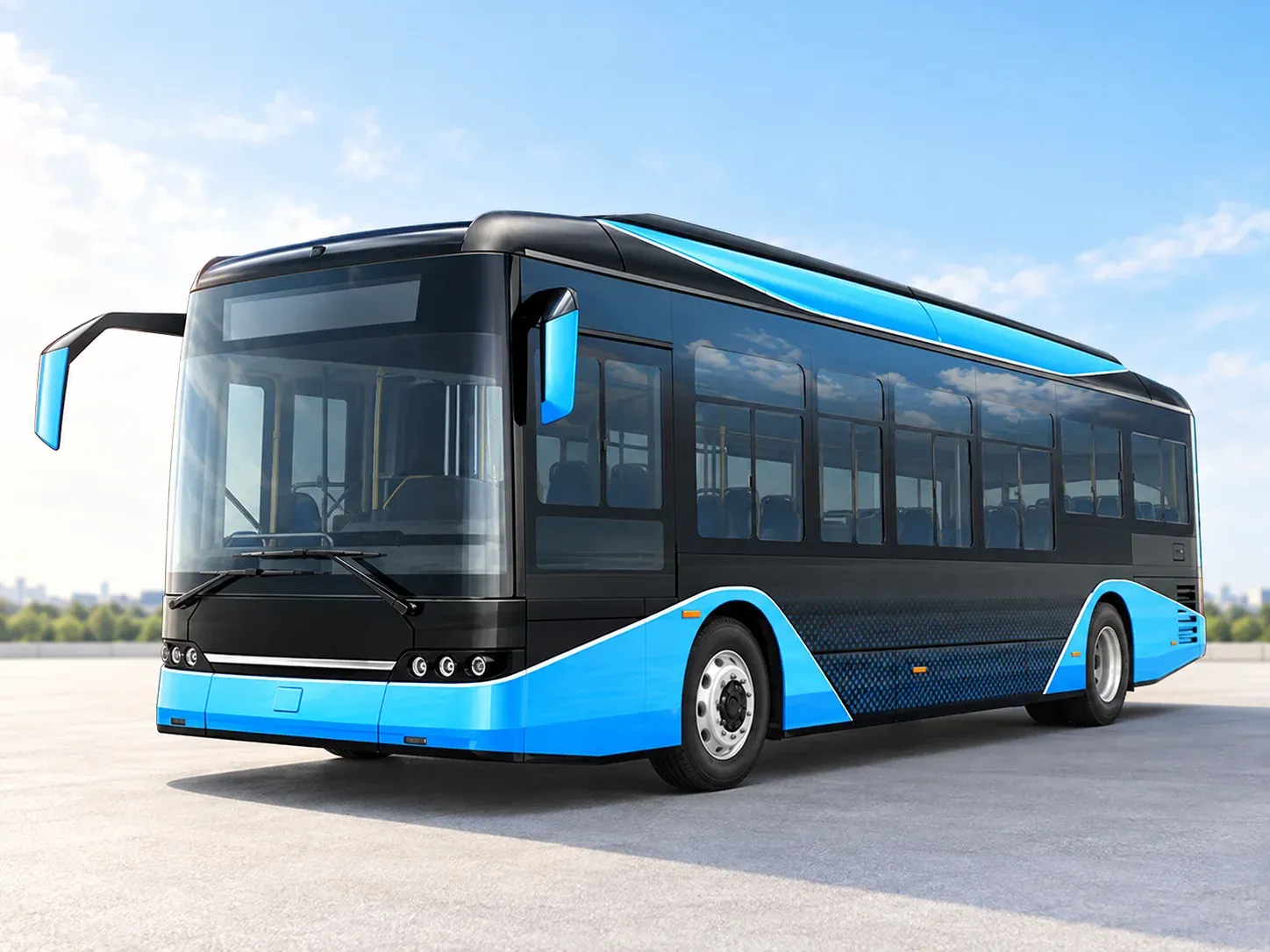
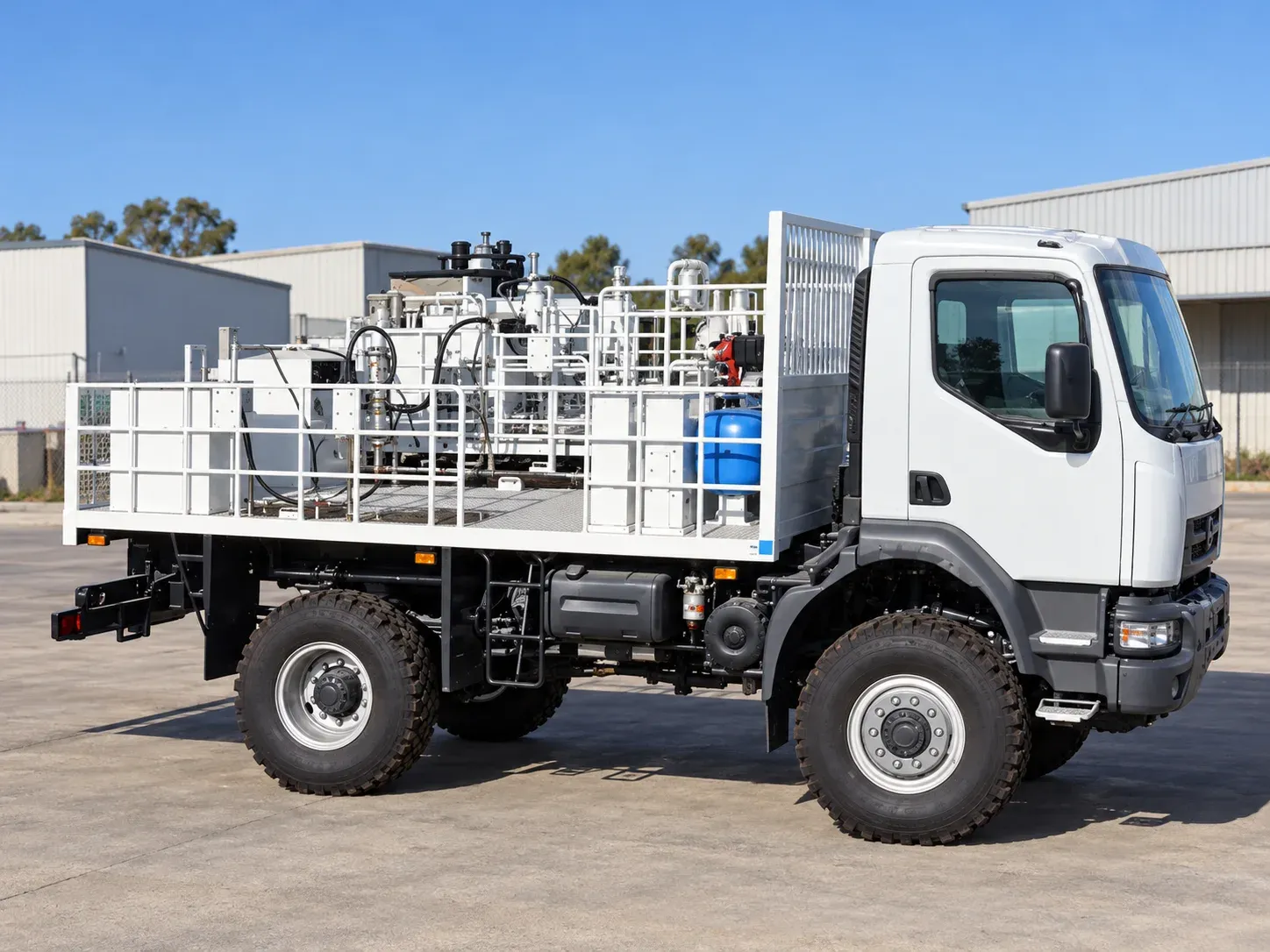
Two vehicles, two ways to specify
| 12 m electric city bus | Custom mobile workshop | |
|---|---|---|
| Body | 12000 x 2550 x 3270 mm, low entry | Truck or trailer body, about 4 to 6 m long |
| Power | 260 kW peak motor, 363 kWh battery | Onboard generator, about 5 to 20 kVA |
| Capacity | 21 to 41 seats, 84 to 101 passengers in total | Crew of 2 to 4 technicians |
| Speed or class | Top speed 69 km/h | Chassis of roughly 4 to 12 t gross weight |
| Suits | Municipal operators, campuses, airports, shuttle routes | Fleets, utilities, field and roadside service |
Doing the bus arithmetic
Electric buses are decided by energy per day, not by battery size alone. Our bus typically uses about 0.9 to 1.4 kWh per km. As an example: a 180 km daily route at 1.2 kWh/km needs roughly 216 kWh. Add a 20 to 30 percent margin for heat, hills, full loads and battery ageing, and you land near 260 to 280 kWh, which sits inside the 363 kWh pack. Not all of a pack’s nominal energy is usable, so keep that margin honest.
Charging is the second half of the plan. Overnight depot charging suits most city timetables. Wikipedia notes that overnight plug-in charging commonly runs at 50 to 175 kW, while opportunity charging at stops uses much higher power; a 100 kW charger would refill our 363 kWh pack from empty in roughly 3.5 hours at full power. Check the grid connection first, because several buses charging at once can outgrow the depot supply.
Door layout, steering side, air conditioning and passenger displays differ between markets. Tell us your country early so the right version is quoted. Double-deck, articulated and intercity buses are separate models and not part of this one.
What a mobile workshop really needs
Think about what the technicians fix, then design backwards. A light truck with a 4 m body suits tyre, hydraulic and electrical work. Heavier fleets want a larger chassis with a light knuckle-boom crane of roughly 1 to 3 t, a compressor at about 0.7 to 1.0 MPa and a welding bay. The onboard generator must cover the largest tool you will run, with a margin for starting current.
Layout matters more than equipment count. Decide where parts and hazardous items are stored, keep lighting at the rear for night work, and plan an earthing and residual-current path for safety. Standard kit already includes extinguishers, first-aid, wheel chocks and warning triangles.
Service and spares
Both vehicles need a plan after delivery. For the bus, agree driver and maintenance training, a spare-parts kit for wear items such as brake parts, tyres and filters, and who handles battery and software support in your country. For the workshop, make sure the consumables the crew uses most, such as welding wire, abrasive discs and fuses, have their own lockable space. Written handover notes save a lot of phone calls in the first month, and a short list of recommended spares per vehicle helps with the first year of running.
What to send for a quote
- Bus: daily route length, terrain, stops per hour, climate, and the charger or grid supply you have.
- Bus: seating versus standing balance, door count, steering side and passenger information needs.
- Workshop: trade, tools and welding or crane needs, crew size, and power available on site.
- Chassis class, length limits and local registration rules.
- Quantity, delivery port and where after-sales support will be handled.
Other vehicles in this section include golf carts and utility vehicles for campuses and resorts, and street sweepers for municipal cleaning. See the whole Vehicles & Transport category for the rest.