Six machine sizes, one decision
Before comparing specifications, decide how much ground a machine must cover in one shift and what it will pick up. A warehouse yard with dust and pallet wrap needs a different machine from an expressway shoulder with gravel and tyre debris.
| Machine | Width or capacity | Power | Suits |
|---|---|---|---|
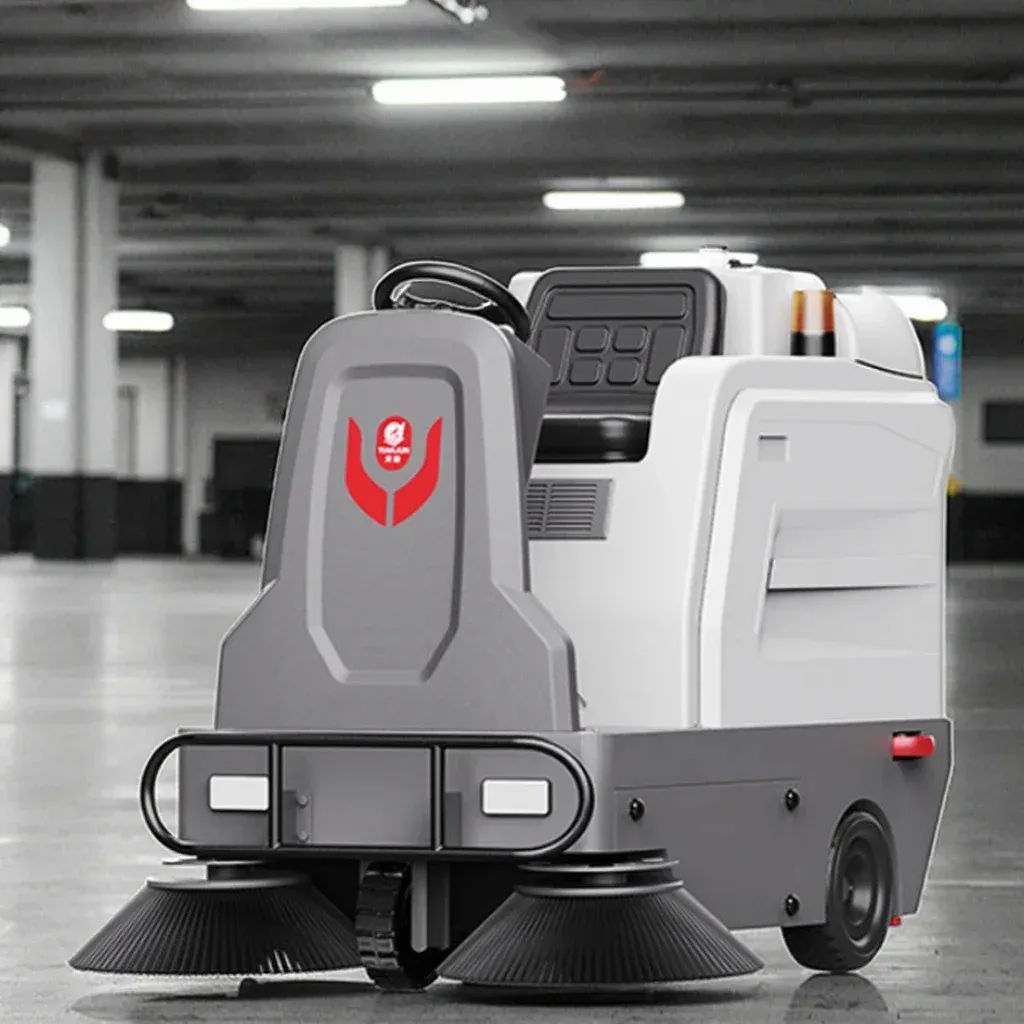
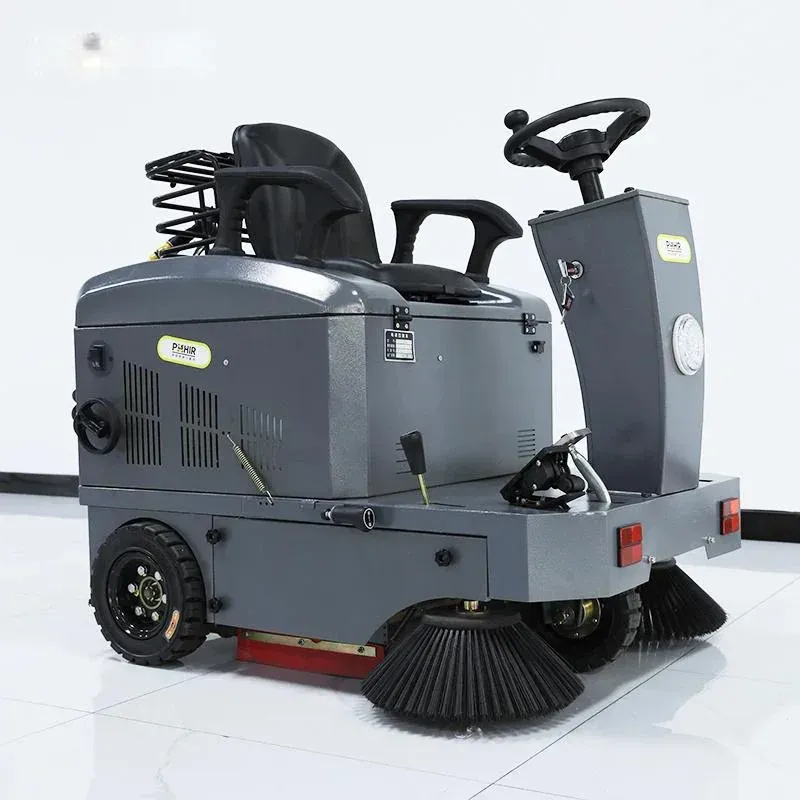
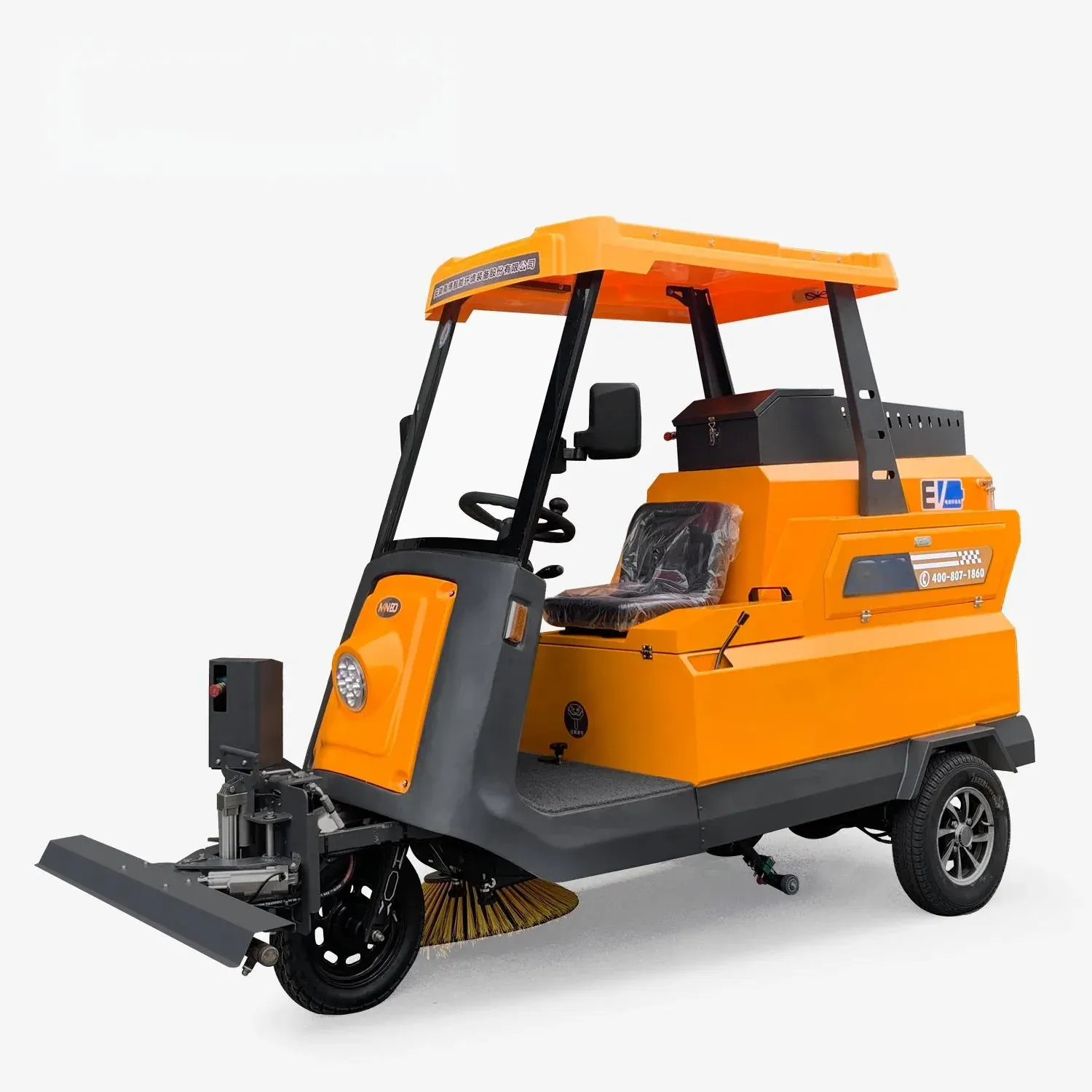
| 1200 mm ride-on floor sweeper | 1200 mm, 90 L dust bin | 48 V, 2-3 h run | warehouses, car parks |
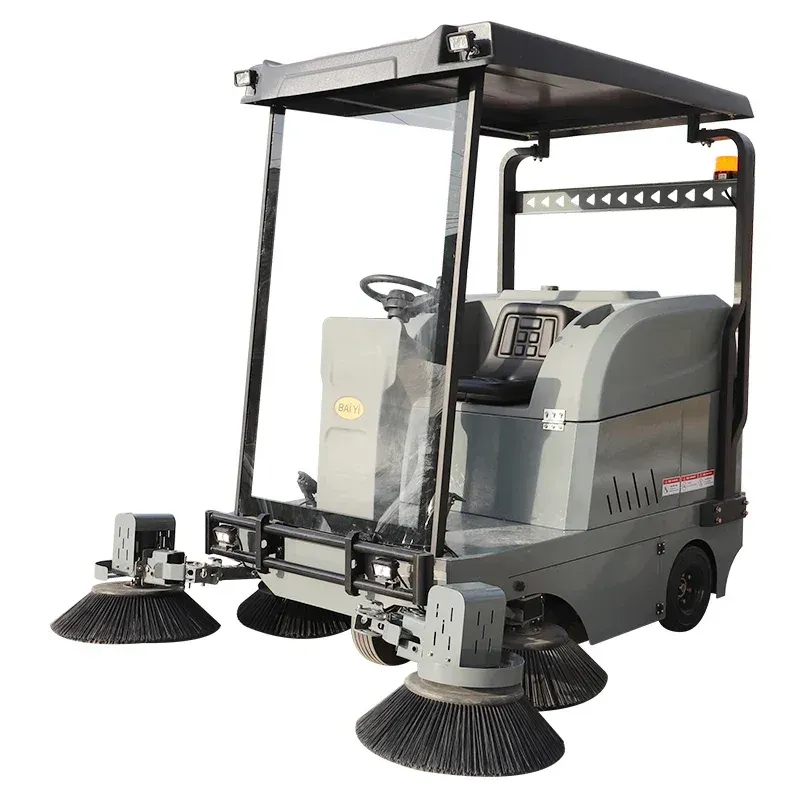
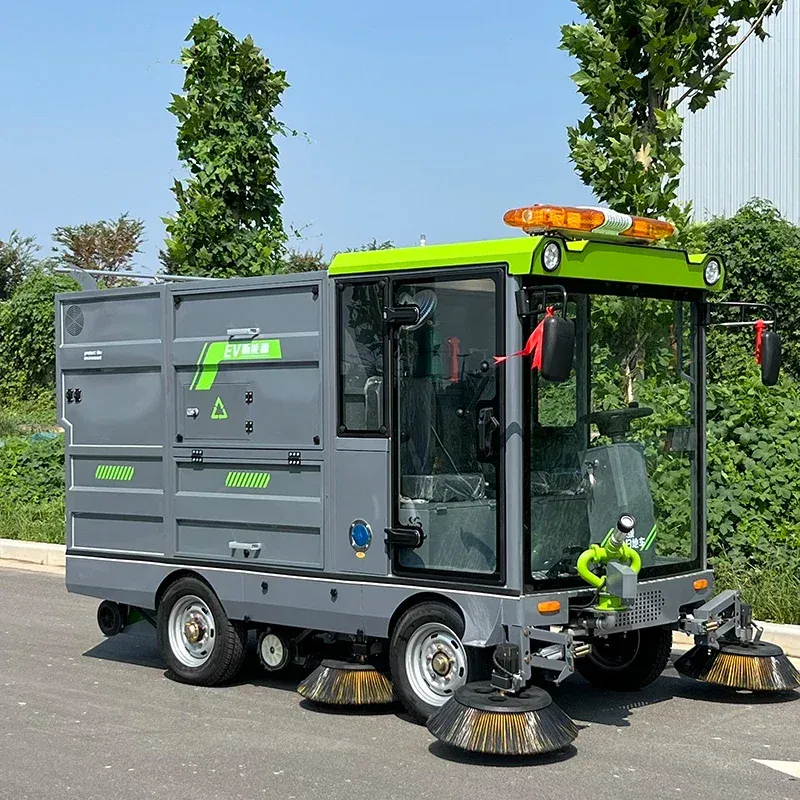
| 2000 mm campus sweeper | 2000 mm, 180 L bin, 200 L water | 48 V, 6-8 h | campuses, plant yards |
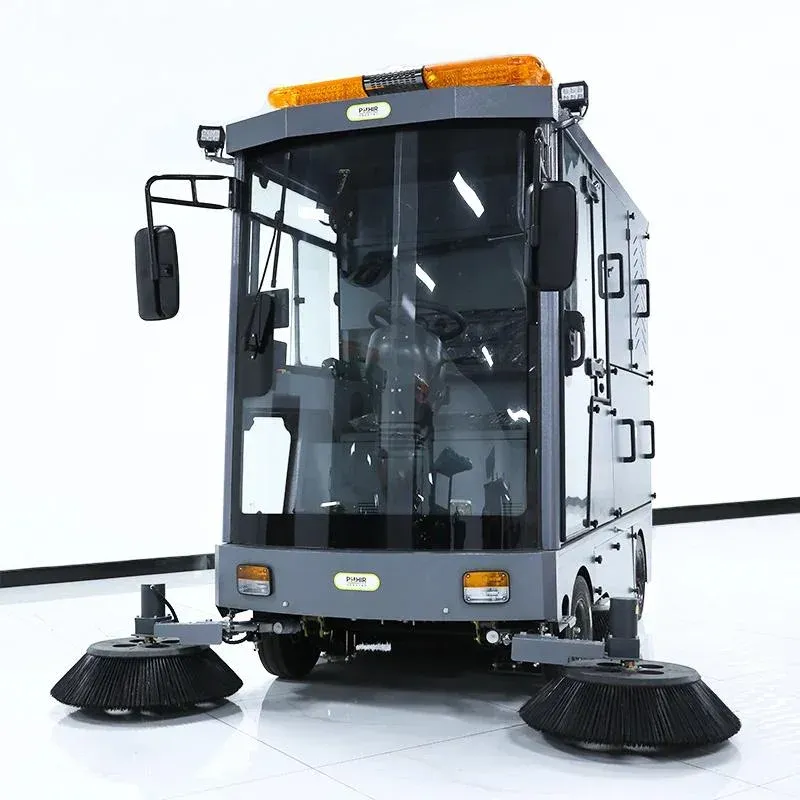
| 2200 mm wet and dry sweeper | 2200 mm, 220 L bin | 3000 W, fog gun | parks, streets, industrial sites |
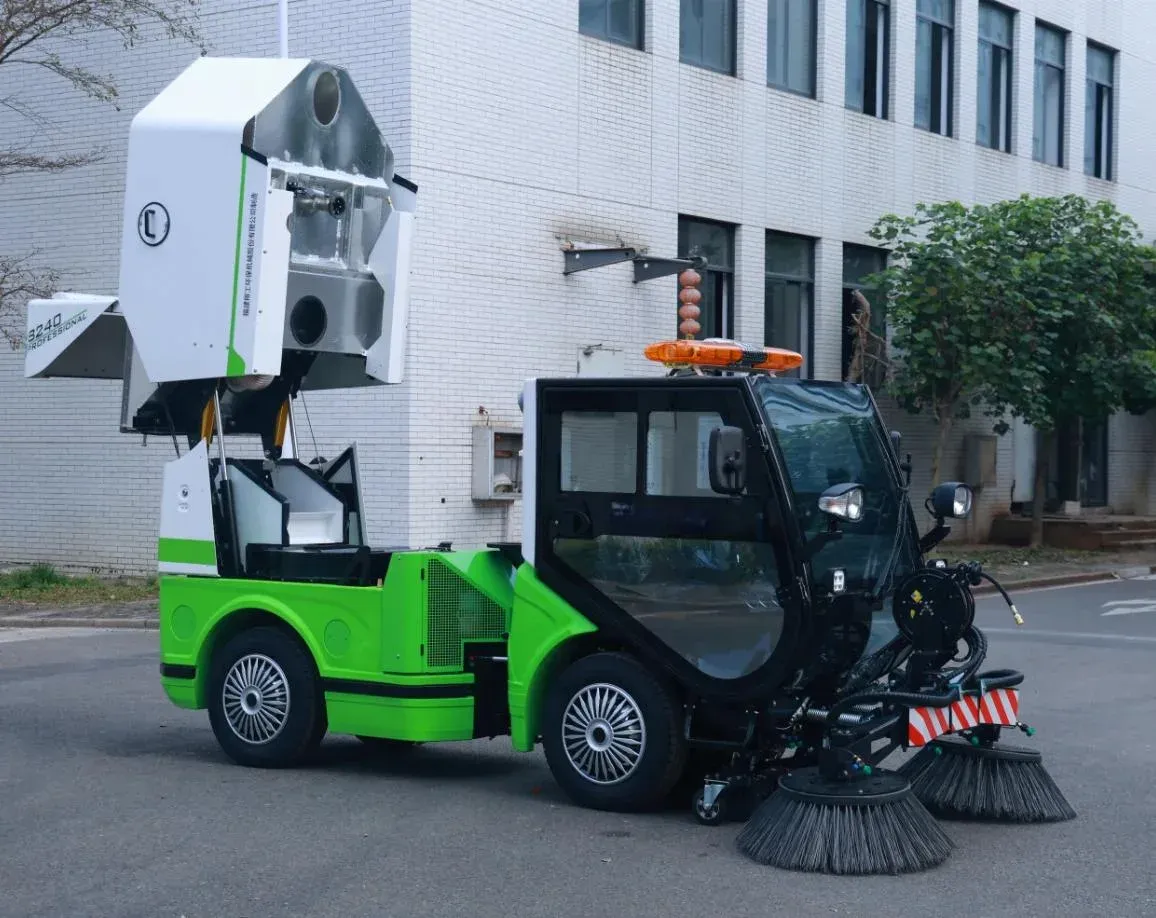
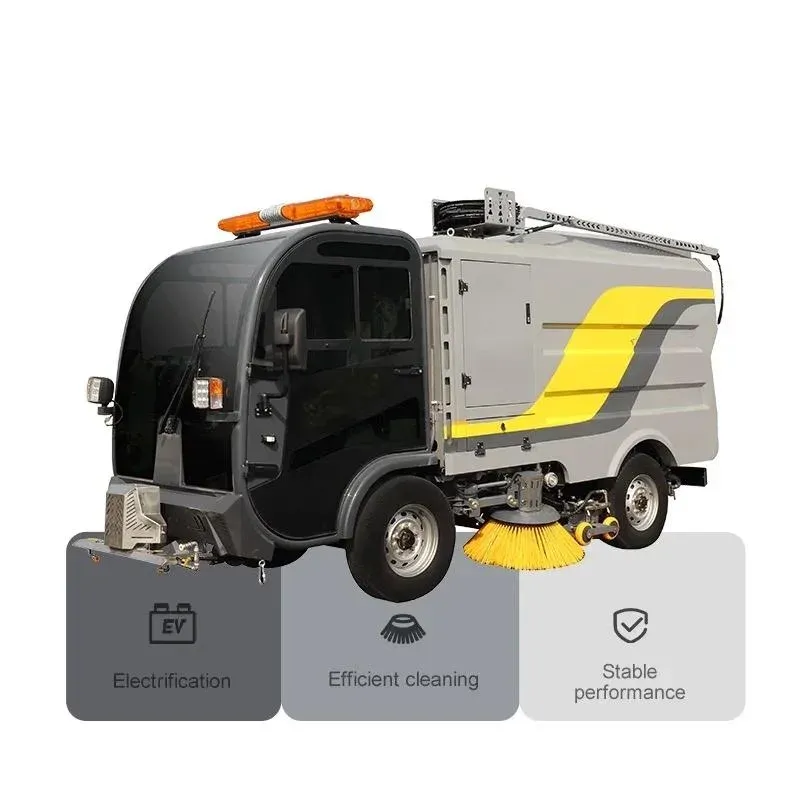
| 60 V sweeper truck | 600 L hopper, 44 in path | 3000 W | pavements, estates |
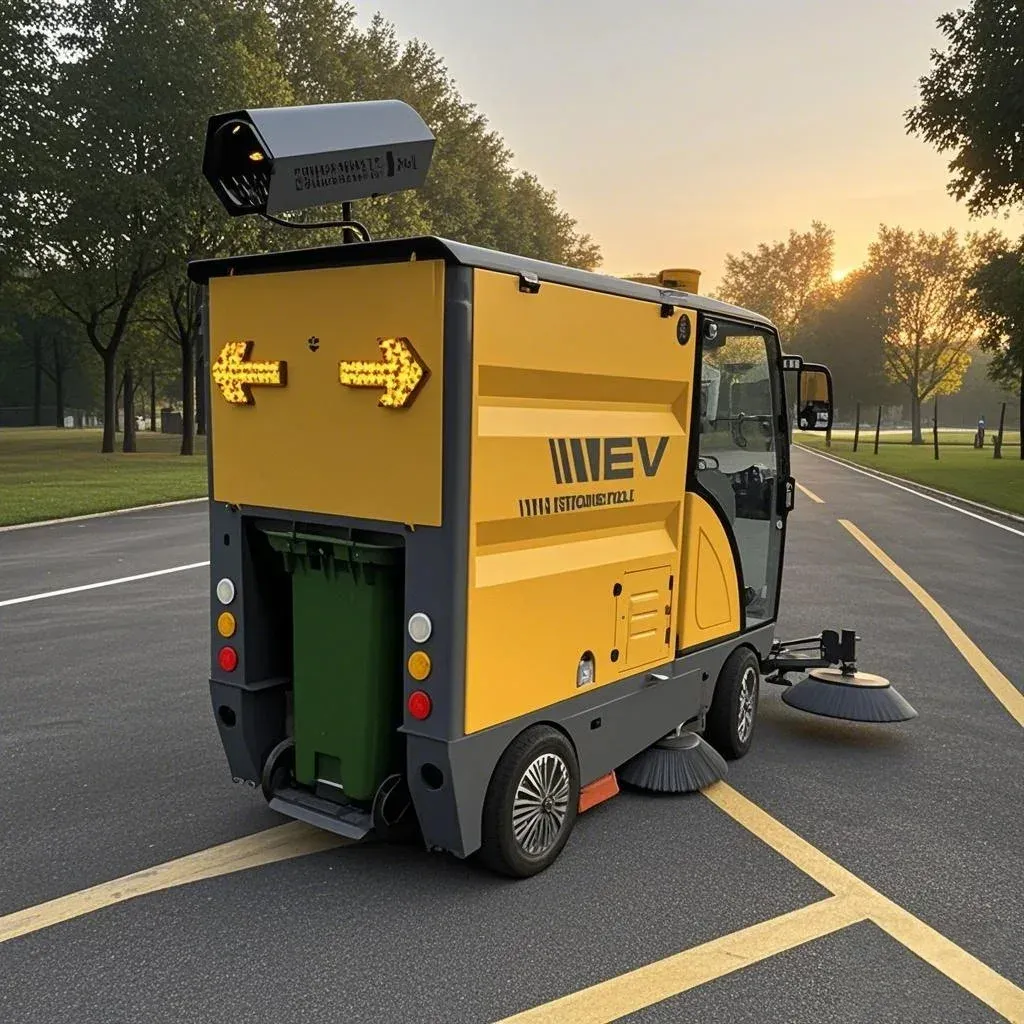
| 72 V street sweeper | 2.2 m, 3000 L bin | 7.5 kW, 4-8 h | city streets |
| Diesel vacuum sweeper | vacuum, 2370 kg | 36.3 kW diesel | continuous street work |
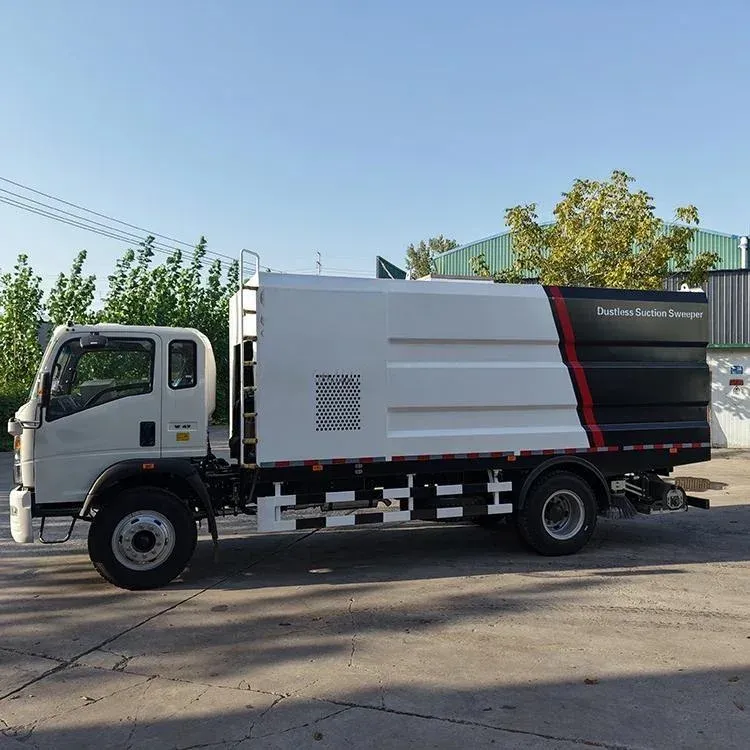
| 10 m³ road truck | 10 m³ hopper, 4.5 m³ water | 220 hp | highways, large routes |
Brush, vacuum, or both
A rotating main brush with side brushes sweeps debris toward the bin, and that handles stones, bottles, branches and leaves well. Suction takes over when the problem is fine dust and sand. Independent figures are scarce, but one 2025 head-to-head test summarised by a dealer found pickup between 63 and 98 percent across all three sweeper types, and put operator technique, machine age and dust-suppression water on a par with the design. In short, a good operator with a working water system matters as much as the model.
For the larger electric machines, the figures to compare are bin size, battery capacity and working hours. The 72 V street sweeper carries a 72 V, 600 Ah pack and a 3000 L bin, and lists suction of particles up to 50 mm. The ride-on machines trade capacity for turning room and are easier to use around parked cars and bollards.
Battery or engine
Battery sweepers are quiet and cheap to run, and they suit sites with an overnight charger. Charging takes about 8 to 10 hours on the truck-style electric models, so a single-shift schedule works best. Engine-driven machines keep going all day: the diesel sweeper and the 10 m³ truck, which has a 220 hp chassis engine plus an auxiliary engine, stay on the road for long routes. Check the emission standard of the 10 m³ truck, which is stated as China V, against your local rules before ordering.
Capacity per shift is the number to work out last. The larger ride-on models quote a theoretical clearing rate of roughly 8,000 to 12,000 m² an hour, but real output is lower once you stop to empty the bin and refill water. A bigger bin means fewer trips to the dump point, which often saves more time than a wider brush.
Which one for your site
- Indoor and covered areas: the 1200 mm floor sweeper, with solid tyres and low noise.
- Campuses and factory yards: the 2000 mm or 2200 mm ride-on, with a water tank to keep dust down.
- City streets with pavements: the 72 V sweeper or the diesel vacuum machine.
- Highway or construction maintenance: the 10 m³ truck.
- Washing rather than sweeping: the compact 500 L electric truck, which is a cold-water cleaner for roads and squares.
What to send for a quote
- Area to clean and hours available per shift
- Main debris: litter, sand, leaves, stones, mud
- Surfaces and steepest slope
- Battery or engine, and charging or fuel supply
- Need for water, dust control or a cab
- Destination country and chassis or emission rules
See the wider vehicles and transport range, or the snow sweepers page if the same crew clears winter snow.