Vehicles & Transport · Single machine
Vehicles & Transport · Single machine
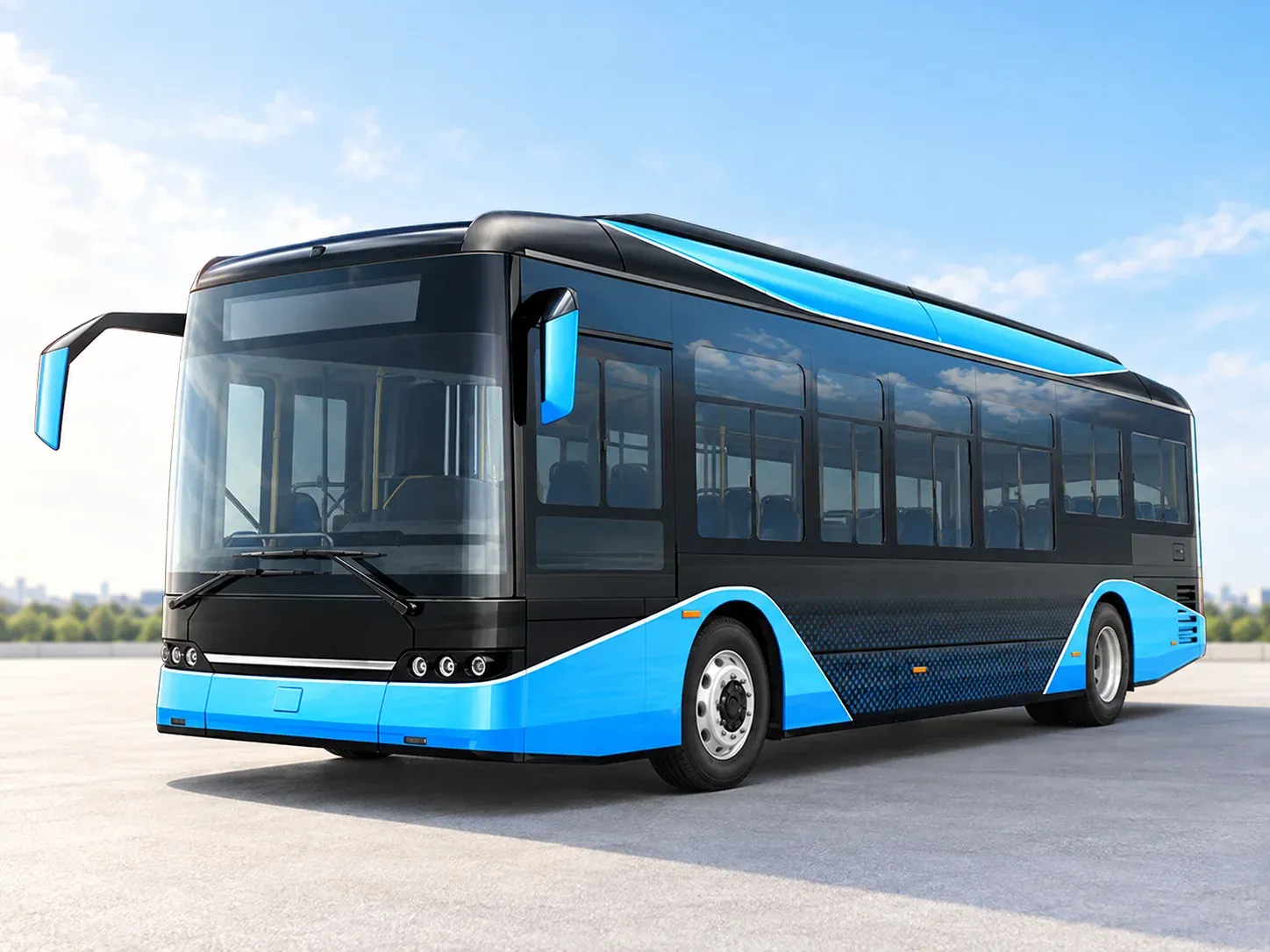
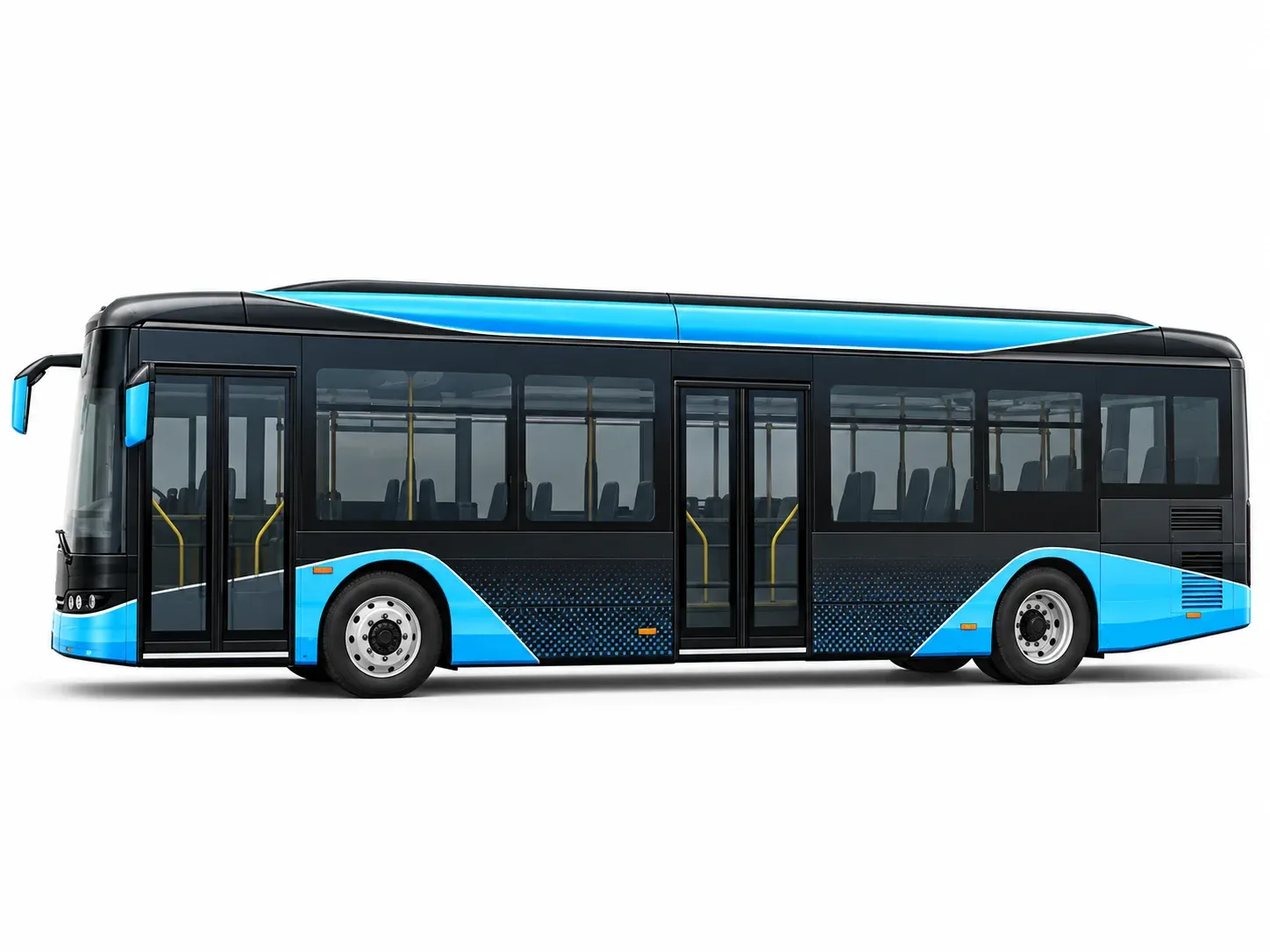
12 m Battery-Electric City Bus
A 12-meter low-entry electric city bus for public transport fleets, with a 363 kWh battery, a single direct-drive motor and DC fast charging.
- Model
- MM-EB12
- Product group
- Service Trucks & Electric Buses
- Body size
- 12000 × 2550 × 3270 mm
- Floor type
- Low entry
- 12 m low-entry city bus layout
- 363 kWh battery capacity
- Single motor with 260 kW peak power
- DC charging, 100 × 2 kW
- Top speed 69 km/h
Overview
An electric bus for the city
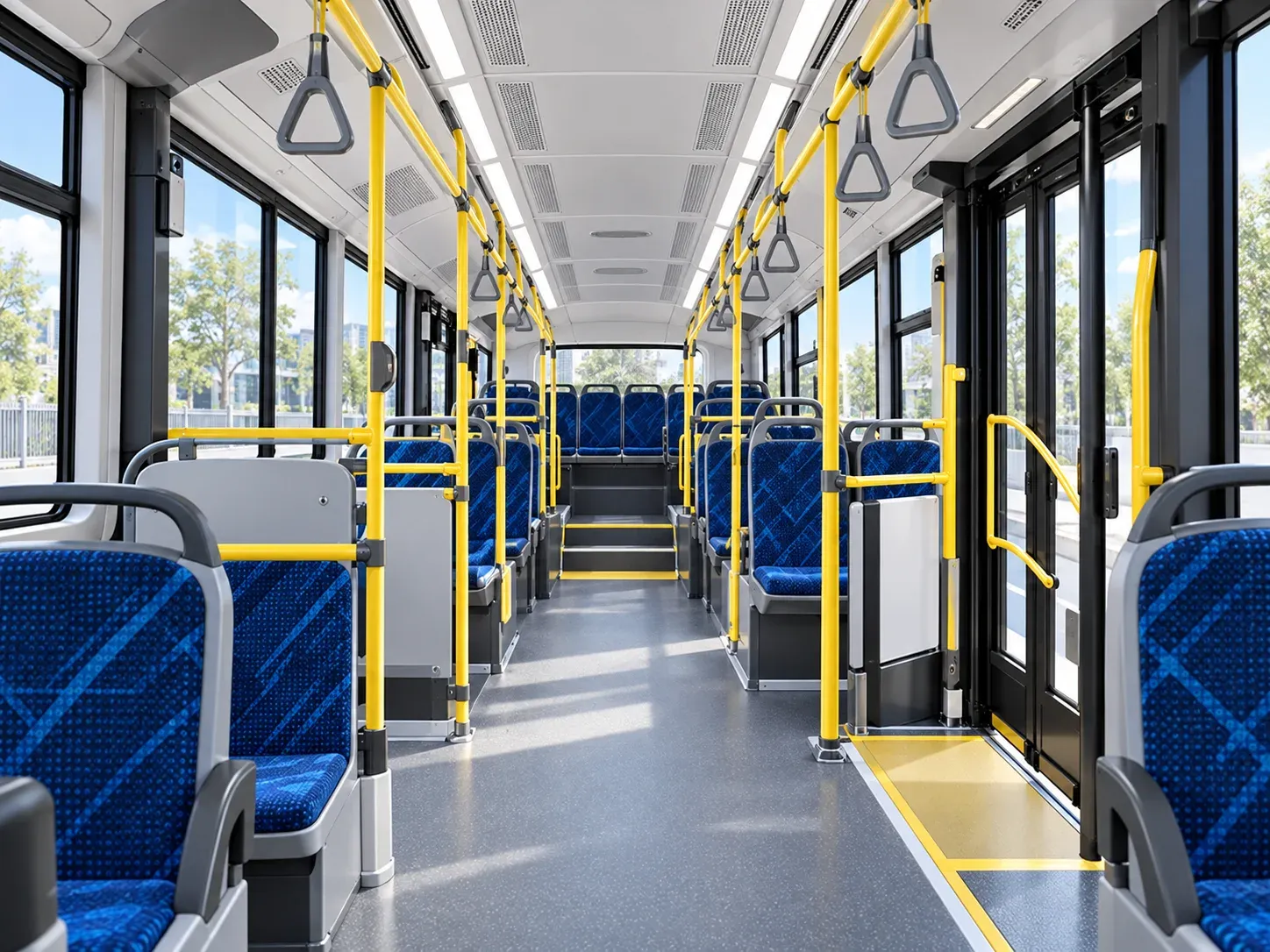
This 12-meter low-entry bus is built for stop-and-go urban service. With a battery electric drive there are no tailpipe emissions, noise is lower and fuel cost is replaced by electricity. Low-entry design means easier boarding for passengers with strollers, luggage or reduced mobility.
Drivetrain and battery
A single direct-drive electric motor delivers 260 kW peak power. The battery stores 363 kWh. Energy use depends on route, load, traffic, temperature and the use of air conditioning or heating, so real range varies widely between cities. We help you evaluate range against your routes, and do not give a single range number.
Charging
The bus supports DC charging at 100 × 2 kW. Charging time and power depend on the charger you install, the connector standard and battery condition. Plan depot charging and, if needed, opportunity charging at terminals; we advise on charger selection.
Body and capacity
The body measures 12000 × 2550 × 3270 mm. Seating ranges from 21 to 41 seats, with total passenger capacity from 84 to 101 depending on version and local rules. Maximum speed is 69 km/h.
Matching the bus to your market
Vehicle rules, door layout, steering side, air conditioning, passenger information and safety systems differ by country. The version offered depends on your market and operator requirements, as do the documents needed for registration.
Before you order
Review routes, depot space, charging infrastructure and grid supply. A bus is only as useful as the charging plan behind it. We support spare parts, driver and maintenance training, and after-sales communication.
Inquiry and quotation
Each quotation comes with a written scope, drawings or a specification, and a clear list of what is and is not included. The quote checklist below shows what to put in your inquiry.
Operating cost factors and fleet planning
An electric bus is judged on cost per kilometer and on whether the day’s route fits the battery. With a 363 kWh pack, most city routes with a charge at the depot overnight and a top-up midday are comfortably covered. Hot climates, hills and full loads draw more energy, so plan a safety margin of 20 to 30 percent.
Electricity costs far less per kilometer than diesel, and a drivetrain with one motor and few moving parts needs less servicing: no engine oil, fewer brake pad changes thanks to regenerative braking, and no exhaust system. The big long-term cost is the battery, and its life depends on how often it is fast-charged and how deeply it is discharged.
Charging infrastructure is the part that most affects fleet plans. Count how many buses must charge at the same time, check the grid connection at the depot, and decide whether to charge overnight or between trips. Seats range from 21 to 41, so decide whether your routes need more seats or more standing space.
Specifications
| Model | MM-EB12 |
|---|---|
| Body size | 12000 × 2550 × 3270 mm |
| Floor type | Low entry |
| Drive | Single direct-drive motor, 260 kW peak |
| Battery capacity | 363 kWh |
| Charging | DC, 100 × 2 kW |
| Top speed | 69 km/h |
| Real-world range | about 200–300 km per charge, depending on load, route and air conditioning |
| Energy use | about 0.9–1.4 kWh/km |
| Battery chemistry | lithium iron phosphate |
| Gross vehicle weight | about 18–19 t |
| Door layout | two or three passenger doors |
| Charging time | about 2–4 h from low charge, depending on charger |
| Cabin climate | electric roof air conditioning |
Configurations
| Seats and passengers | 21 – 41 seats; total passenger capacity of 84 – 101 depending on version |
|---|---|
| Other bus types | Double-deck, articulated and intercity coaches are separate models |
Standard equipment
- Low-entry floor with ramp for wheelchairs
- Roof-mounted air conditioning
- Driver cab with instrument display
- Passenger information display
- Reverse camera
- Charging inlet for DC fast charging
Options
- Passenger-counting cameras
- Onboard CCTV
- USB charging at seats
- Fleet telematics
- Route sign and stop announcer
- Extra door for higher loads
- Special seat color and branding
Frequently asked questions
What range does the bus have?
Range depends on route, passenger load, temperature and air conditioning. We estimate it from your route data rather than quote one number.
What charging equipment do I need?
DC chargers compatible with the bus connector. We help choose the charger power and plan depot installation.
Can the seating layout be changed?
The series offers several layouts with different seat and passenger counts. The one that fits local rules and operator needs is chosen at order.
How many buses can one depot charge at the same time?
It depends on the grid connection. Each DC charger draws a large load, so many depots stagger charging overnight. Depot supply and fleet size decide the charging plan.
Request a quote: 12 m Battery-Electric City Bus
Send your requirement and our engineers reply with the configuration, lead time and a quotation.
Related products
Vehicles & Transport · Single machine
10 m³ Road Sweeper Truck, 220 hp
Vehicles & Transport · Single machine
1200 mm 48 V Ride-On Floor Sweeper
Vehicles & Transport · Single machine
14-Seat 72 V Electric Sightseeing Shuttle