Food & Beverage Processing · Complete line
Food & Beverage Processing · Complete line
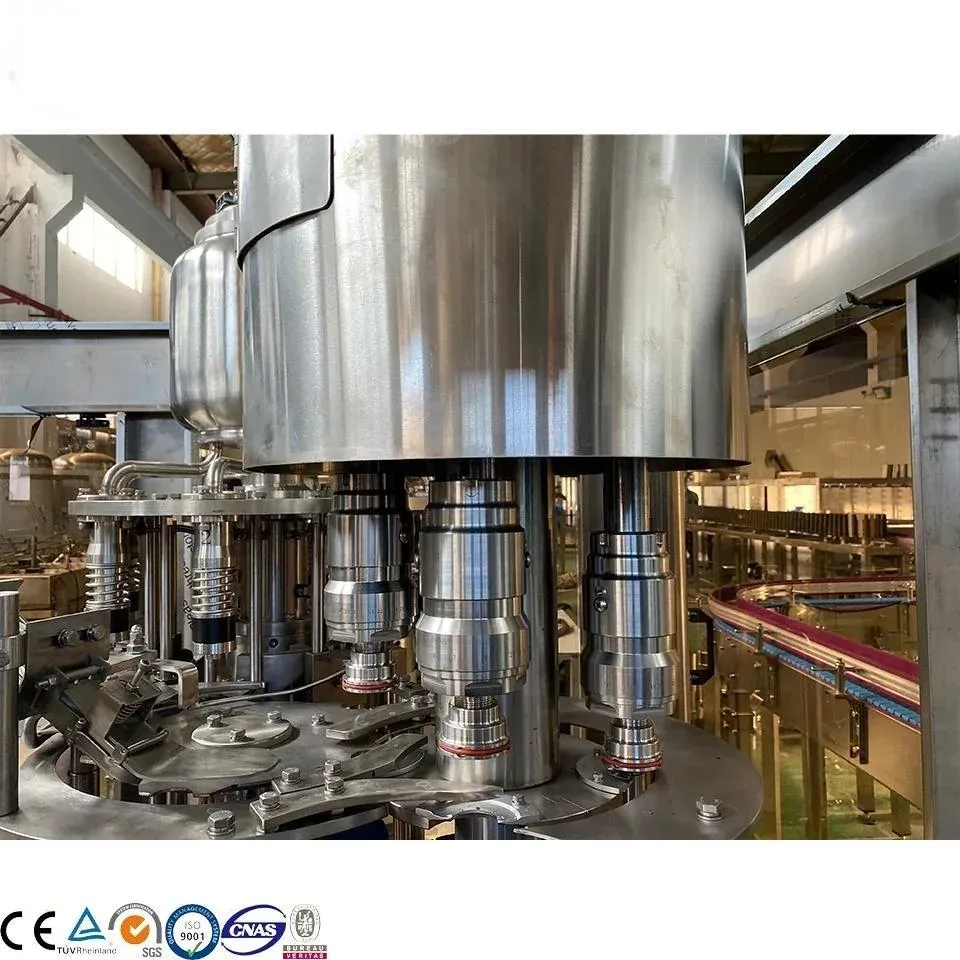
Glass Bottle Juice Washing-Filling-Capping Line
A linear line that washes, fills and caps bottles for juice, flavored water and energy drinks, in sizes from 4000 to 16000 bottles per hour.
- Model
- MM-GBL16000F
- Product group
- Beverage, Water & Distilling Lines
- Automation
- Automatic
- Voltage
- 220 V / 380 V
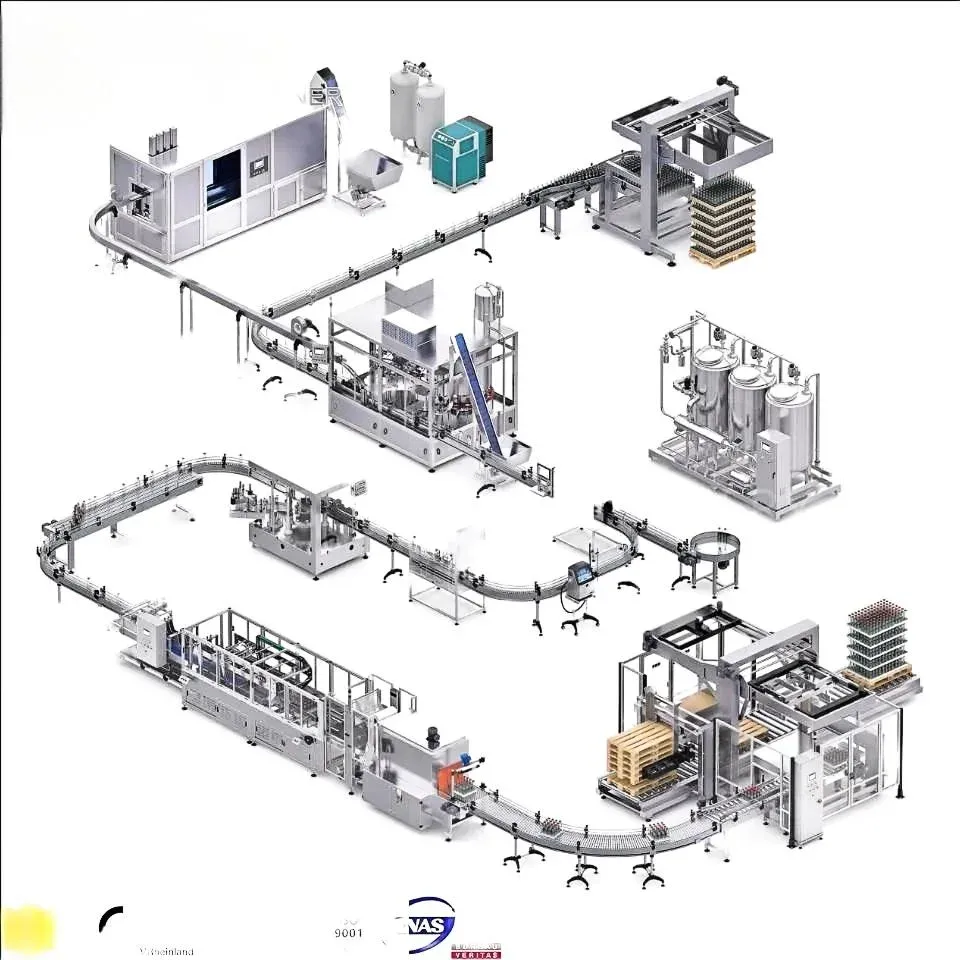
- Washing, filling and capping in one line
- Four capacity steps from 4000 to 16000 BPH
- Handles glass and plastic containers
- 220 V or 380 V electric drive
Overview
One line from empty bottle to capped bottle
This line combines three jobs in a linear layout: the bottle is rinsed, filled and capped without leaving the line. Linear layouts are easy to read and maintain, and they leave room to add labeling, coding and packing equipment after the capper.
Choosing the size
Capacity comes in four steps: 4000, 8000, 12000 and 16000 bottles per hour. The right step depends on your bottle size, your product and the hours you run, not on the biggest number. A new bottler is often better off buying 4000 or 8000 BPH and running two shifts than paying for a 16000 BPH line that sits half idle.
Liquids and containers
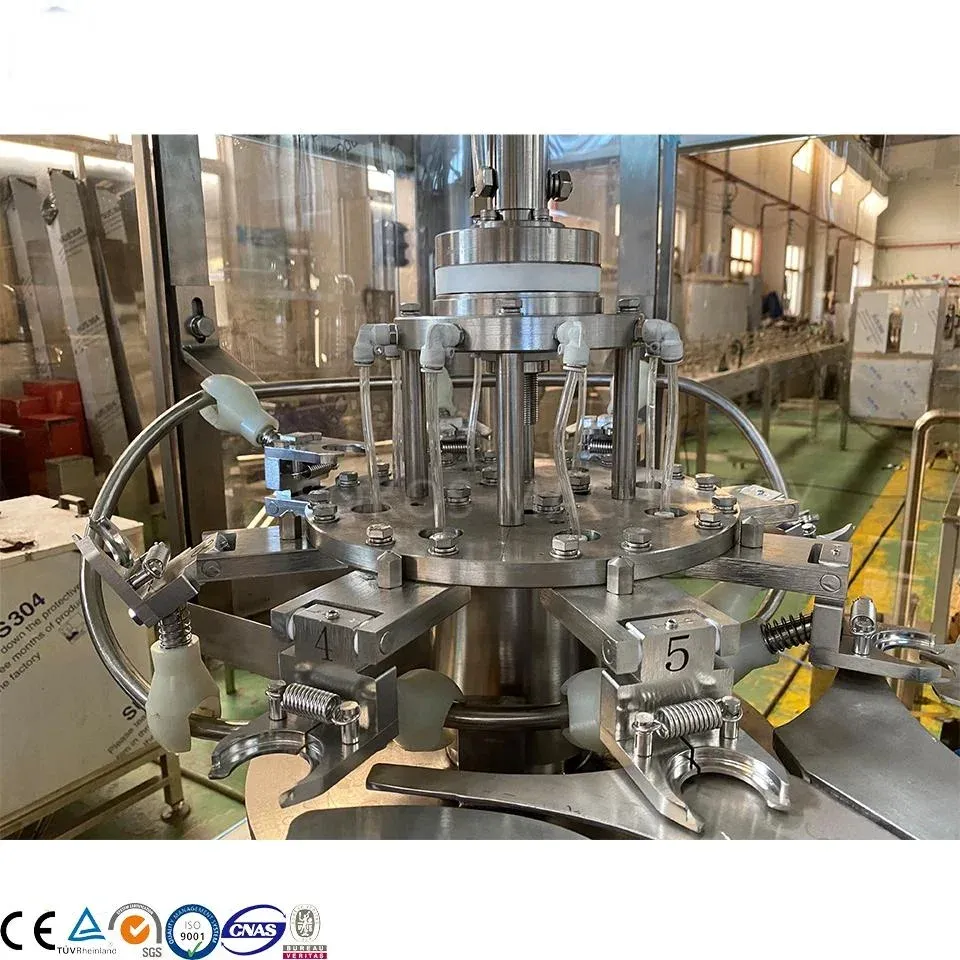
The specification names milk, water and juice as filling materials, with bottles, cans and barrels as pack types in plastic or glass. Because glass bottles are on the list, rinsing and gentle handling matter; the washing method and gripper set follow your bottle shape. Hot-fill or carbonated products need a different filling valve.
Power and footprint
The drive is electric and the line runs on 220 V or 380 V. The stated size for the configuration shown is 2400 x 1850 x 2400 mm; the footprint grows with capacity and with any extra stations.
Choosing a configuration
- Bottle material, diameter and height
- Product and whether it is carbonated or hot-filled
- Capacity step in BPH
- Cap type and closing method
- Upstream treatment and downstream labeling
The line is assembled and tested at our factory before it is packed for container shipping.
Why a glass bottle line is different
Glass bottles are often returned, so they arrive dirty, wet and sometimes with labels. This line starts with a washing section, which is the main difference from our PET lines. The series covers 4,000, 8,000, 12,000 and 16,000 bottles per hour, and the same line can fill milk, water and juice. It can also handle plastic containers, cans and barrels with different tooling.
Choose this line when your market uses glass, for example for returnable juice or milk bottles, or when you need washing and filling combined in one linear layout. Our PET lines do not wash bottles, because they blow them from preforms or use new bottles. Our can and jar filler is a simpler stand-alone filling head.
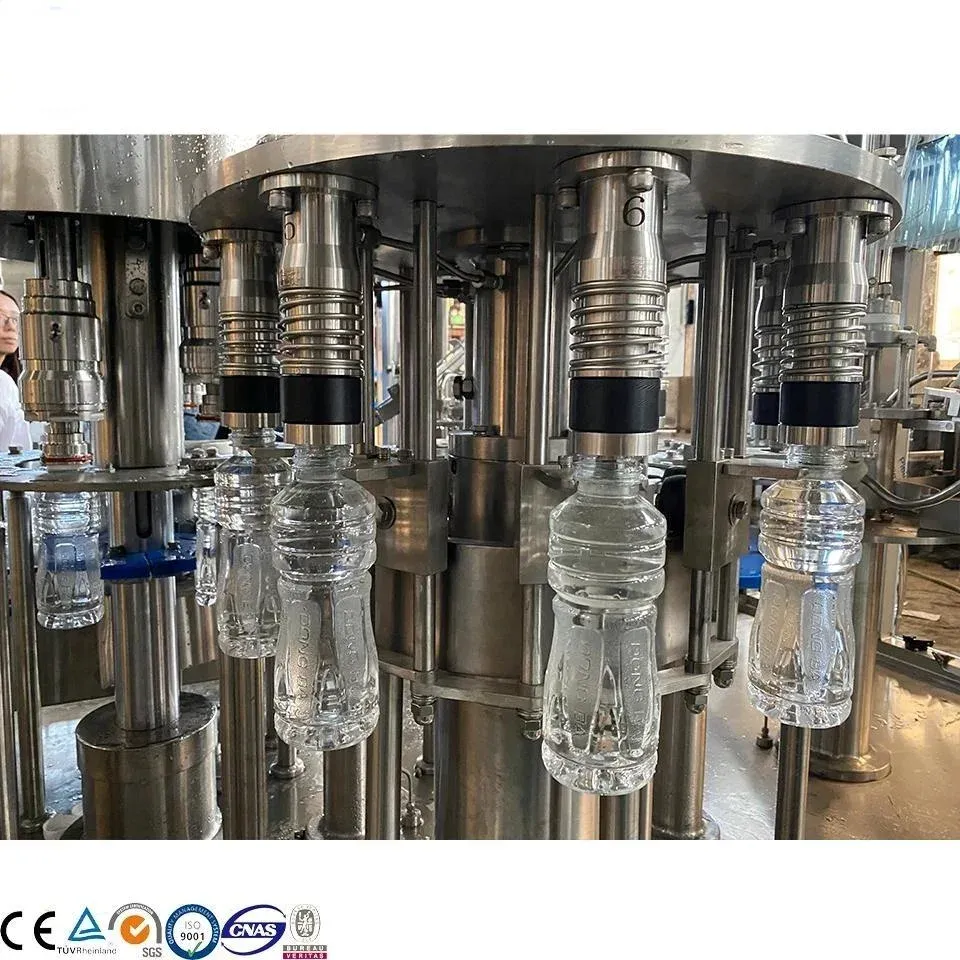
The filling method depends on the product. Still water and juice can be filled by gravity or vacuum, and hot juice needs a hot-fill and cooling path. Product, bottle shape and cap type decide the filling valves.
Specifications
| Model | MM-GBL16000F |
|---|---|
| Automation | Automatic |
| Voltage | 220 V / 380 V |
| Drive | Electric |
| Process type | Linear |
| Functions | Bottle washing, filling, capping |
| Filling materials | Milk, water, juice |
| Packaging type | Cans, bottles, barrels |
| Container material | Plastic, glass |
| Dimensions (L x W x H) | 2400 x 1850 x 2400 mm |
| Washing method | Soak and jet rinse; hot caustic solution about 60–80 °C |
| Hot-fill temperature for juice | about 85–92 °C |
| Cap types | Screw cap, crown cap or pilfer-proof cap, by head |
| Bottle handling | Linear layout with chain or plastic-belt conveyors |
| Glass bottle volume | about 200 ml to 1 L |
| Rinse water | Fresh or treated water, final rinse at line pressure |
| Cooling after hot fill | Spray cooling tunnel, about 5–10 min |
Configurations
| Capacity | 4000 / 8000 / 12000 / 16000 BPH |
|---|
Standard equipment
- Bottle washing section
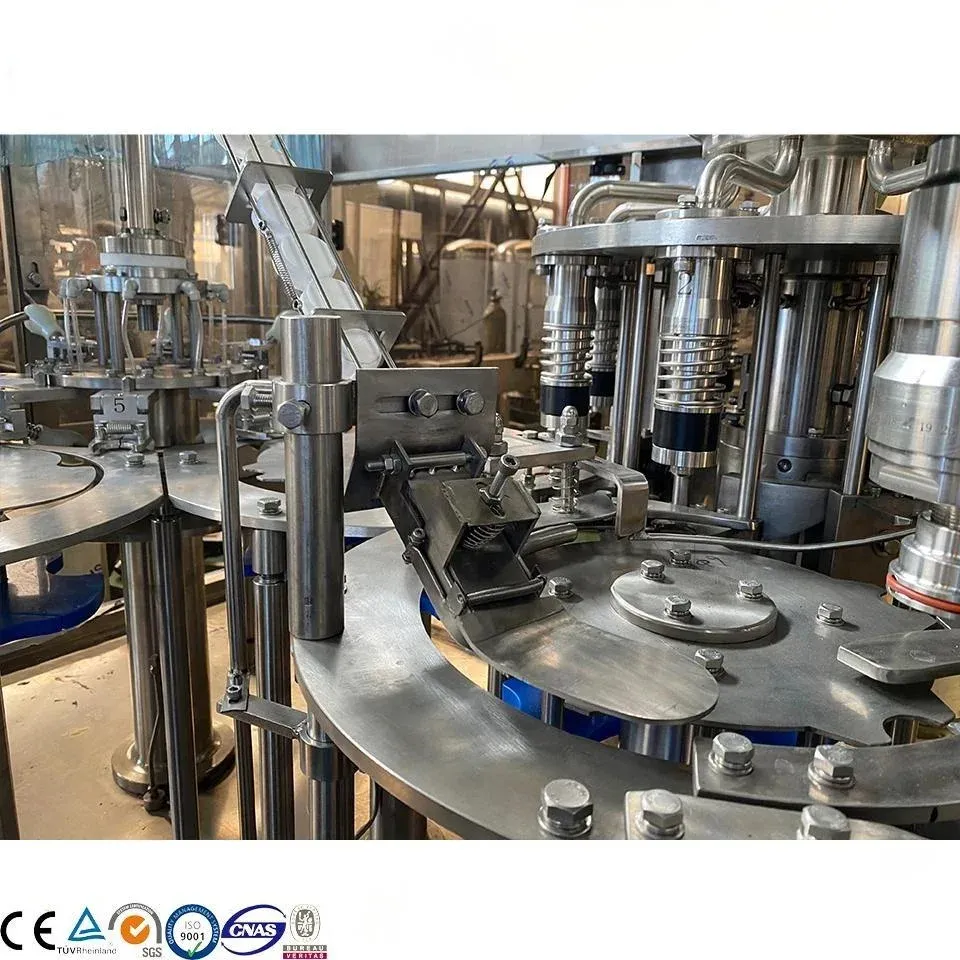
- Filling machine
- Capping machine
- Bottle conveyors
- Washing tank and pump
- Control cabinet
Options
- Cooling tunnel
- Hot-fill heat exchanger
- Labeling machine
- Crate washer and conveyor
- Inspection table
- Date coder
Frequently asked questions
Can the line fill glass and plastic bottles?
Both materials are listed. Glass needs suitable handling and rinsing, so the setup is matched to your bottle drawing or sample.
Which capacity should I pick?
Base it on bottle volume, daily hours and sales forecast. Run the numbers before you choose a step.
Can labeling and packing be added later?
Yes. The linear layout leaves room to connect a labeler, date coder and packing machine after the capper.
Can it fill milk?
Yes, but milk is perishable and needs pasteurizing and a cold chain. The line is adapted to whether you fill pasteurized or UHT milk.
Request a quote: Glass Bottle Juice Washing-Filling-Capping Line
Send your requirement and our engineers reply with the configuration, lead time and a quotation.
Related products
Food & Beverage Processing · Complete line
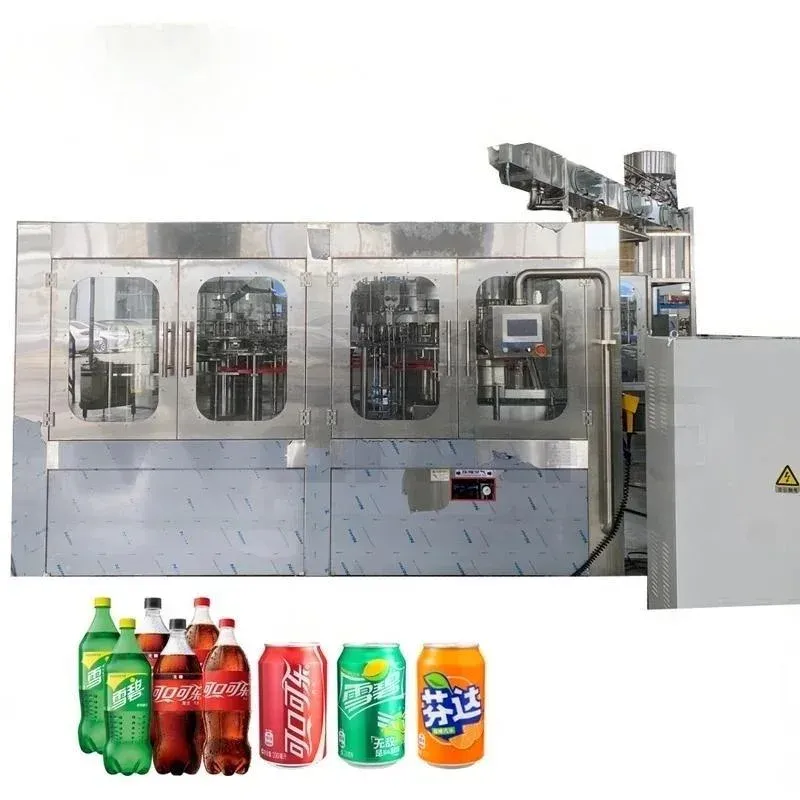
Carbonated Drink PET Bottling Line, up to 12000 BPH
Food & Beverage Processing · Complete line
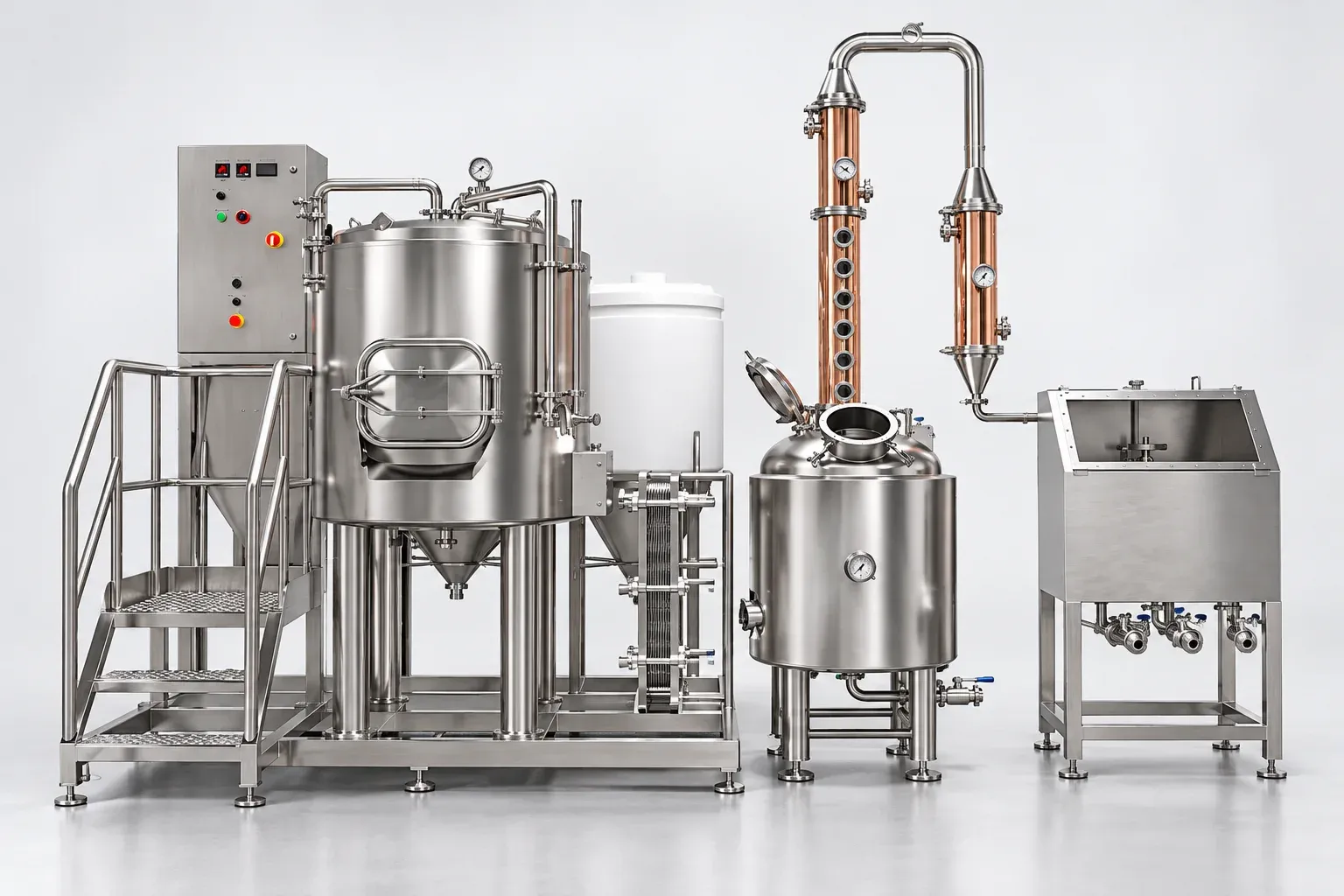
Micro Distillery System for Craft Spirits
Food & Beverage Processing · Complete line
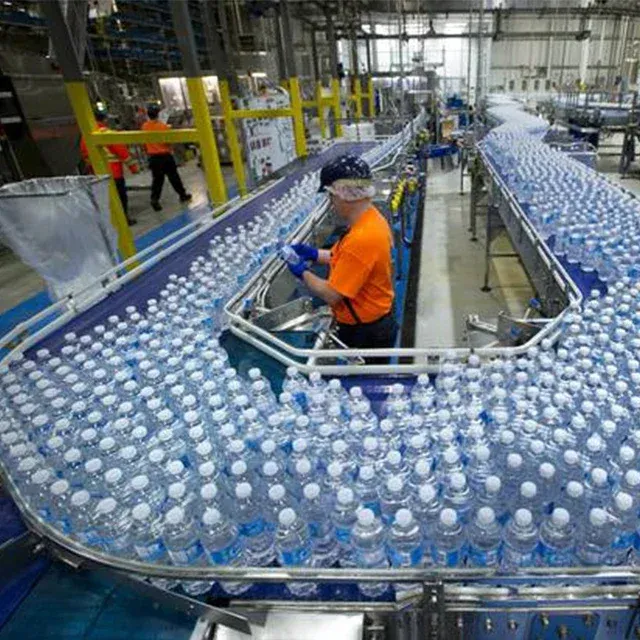
PET Bottled Water Filling Machine, 200-2000 ml