Environmental & Recycling · Complete line
Environmental & Recycling · Single machine
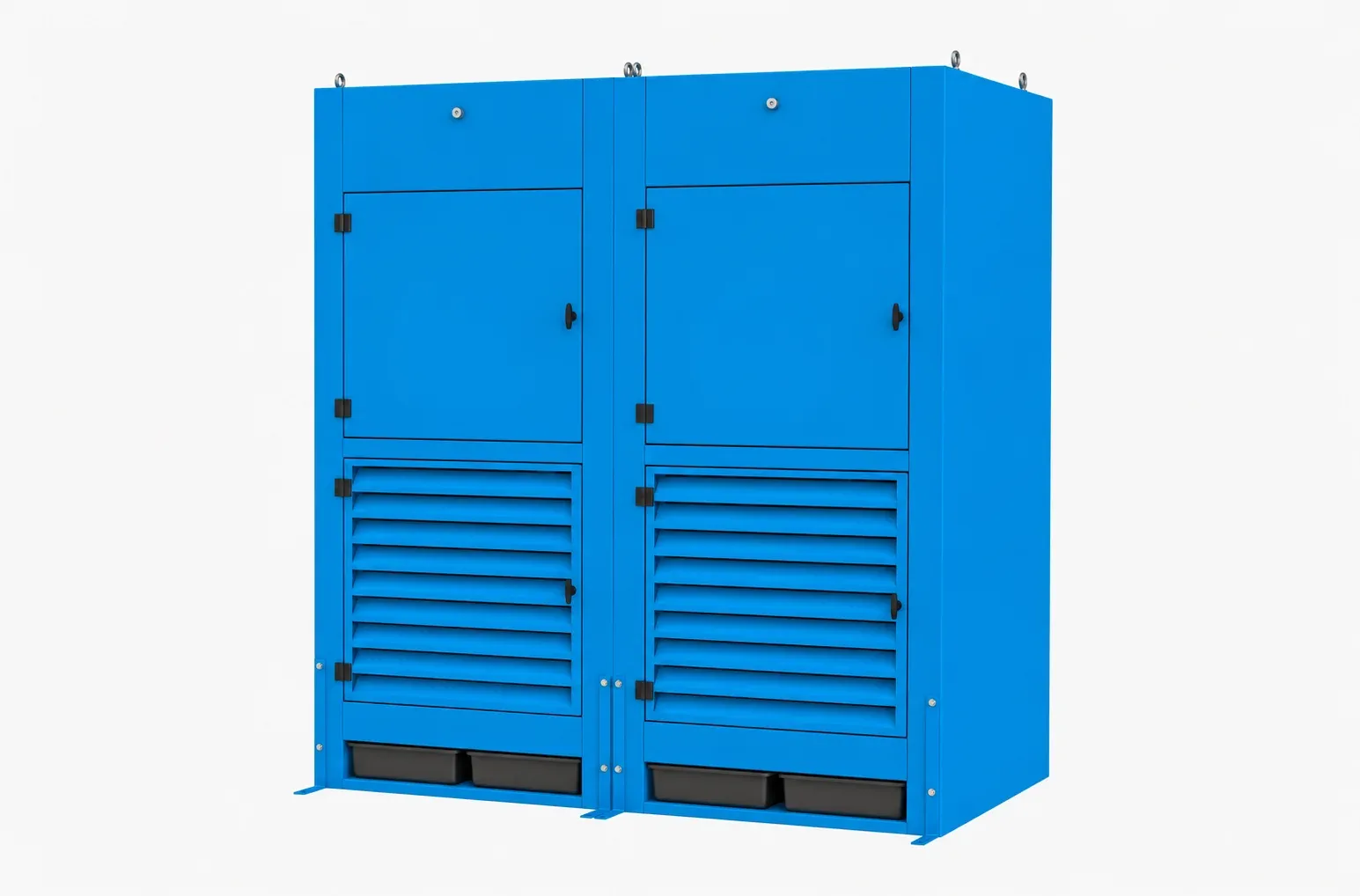
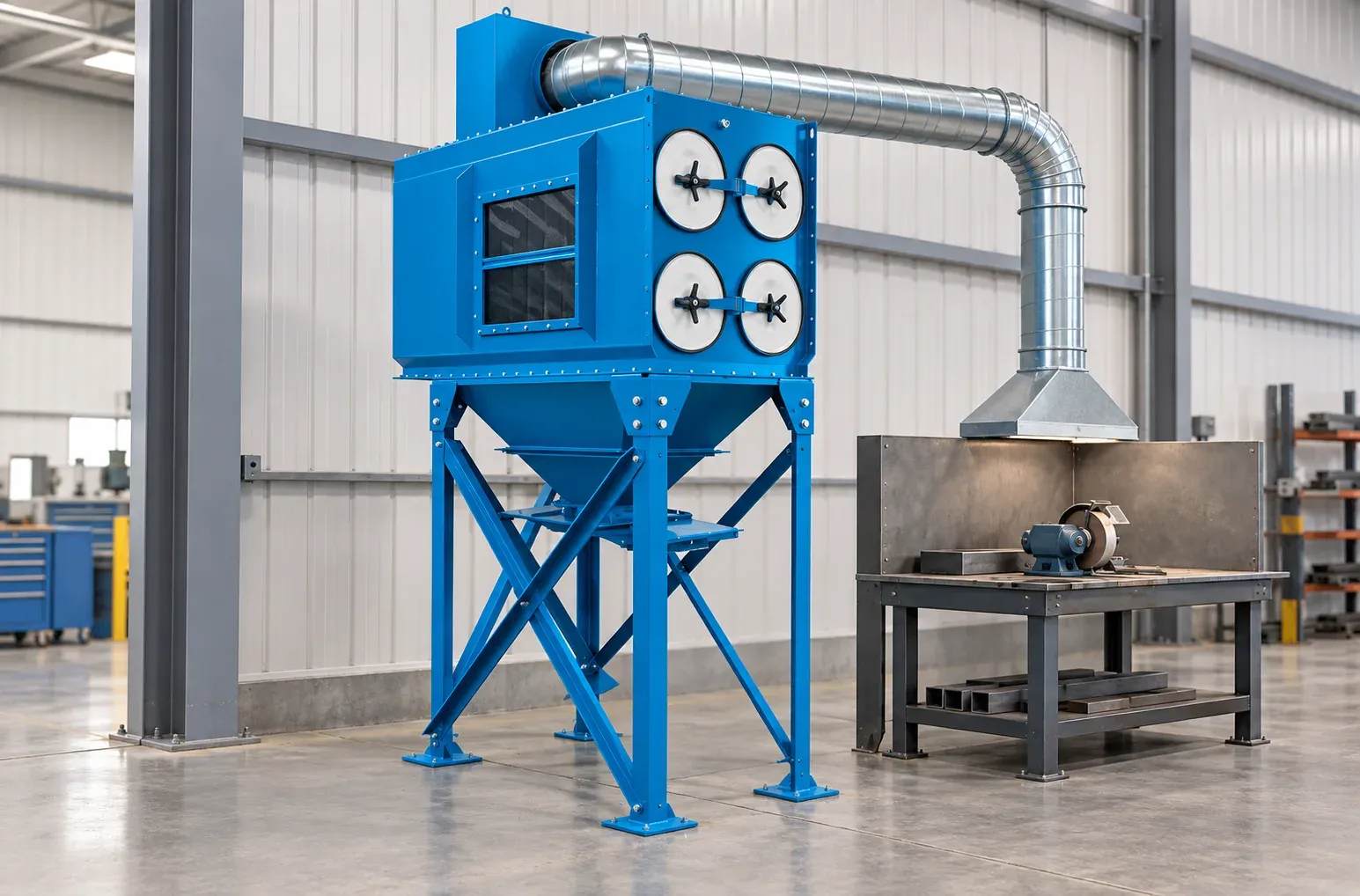
Industrial Cartridge Dust Collectors
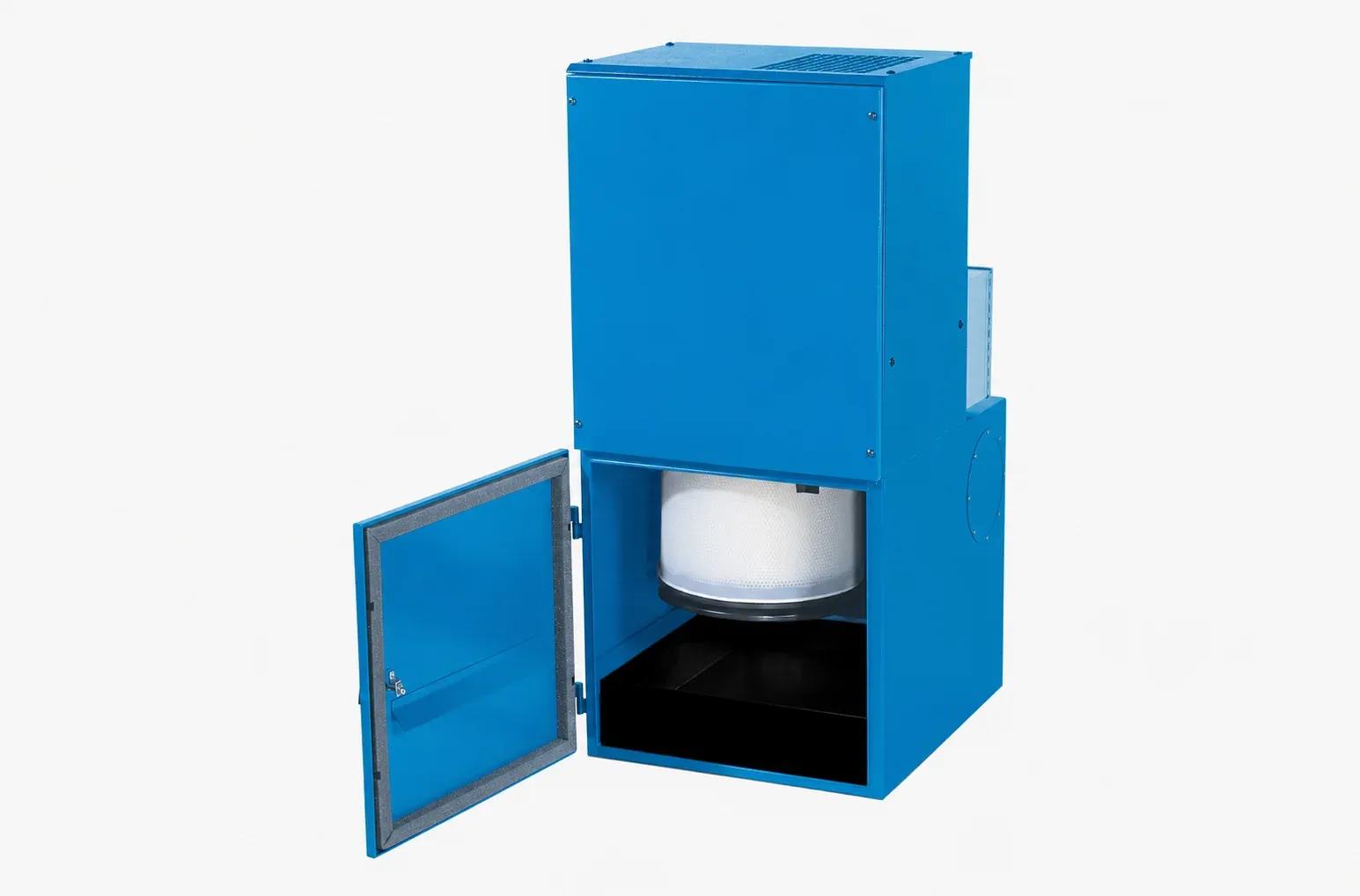
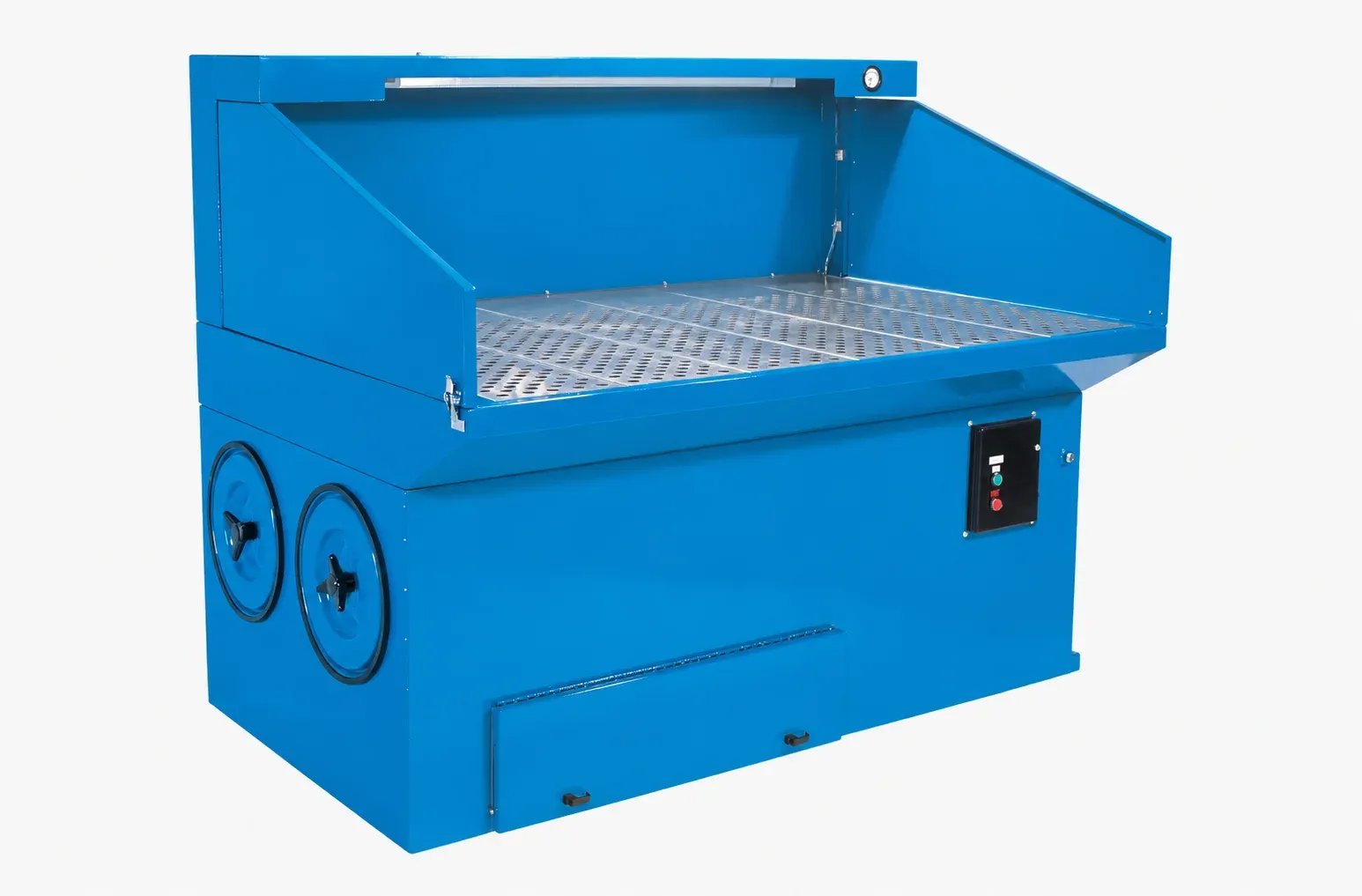
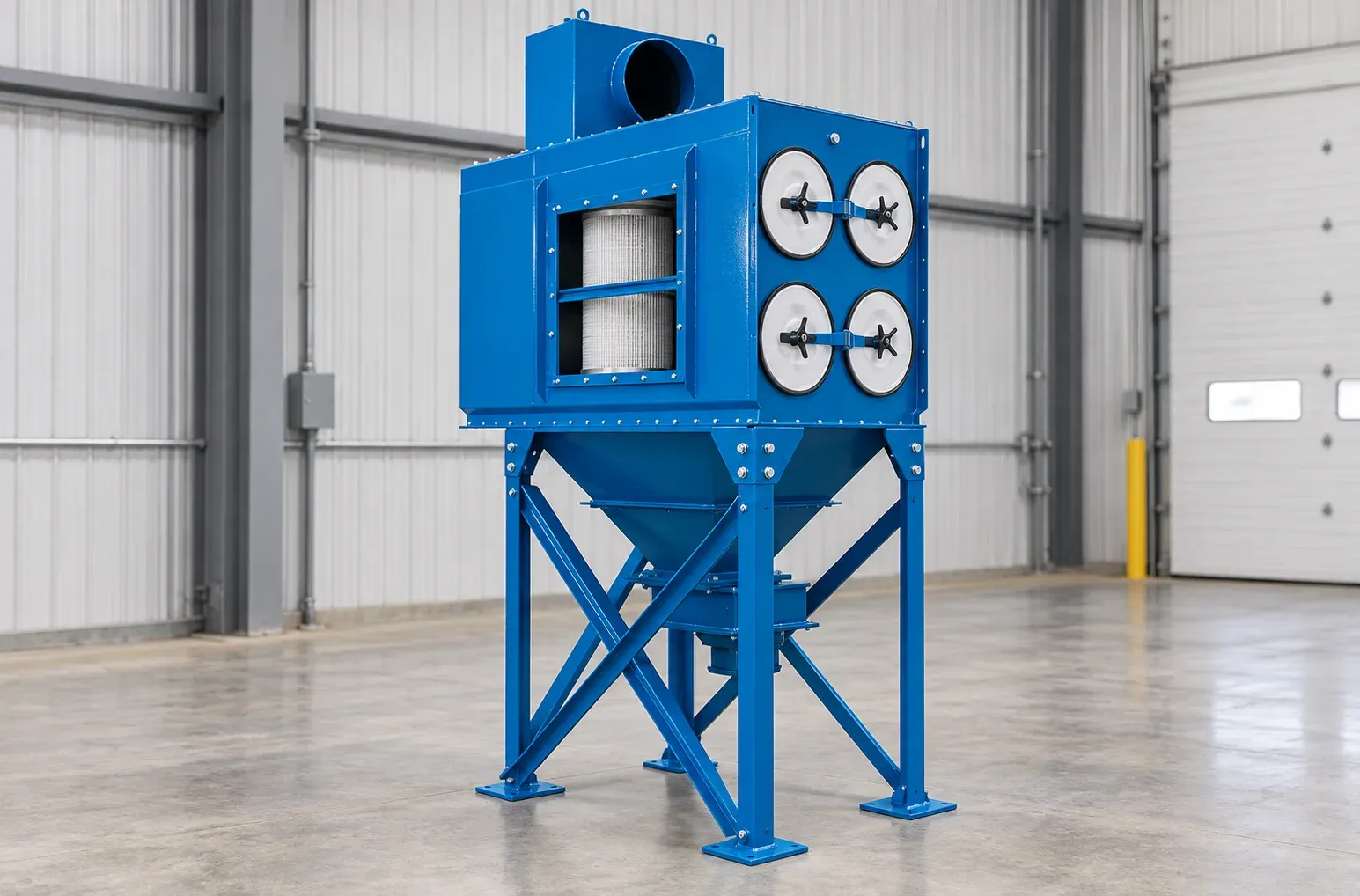
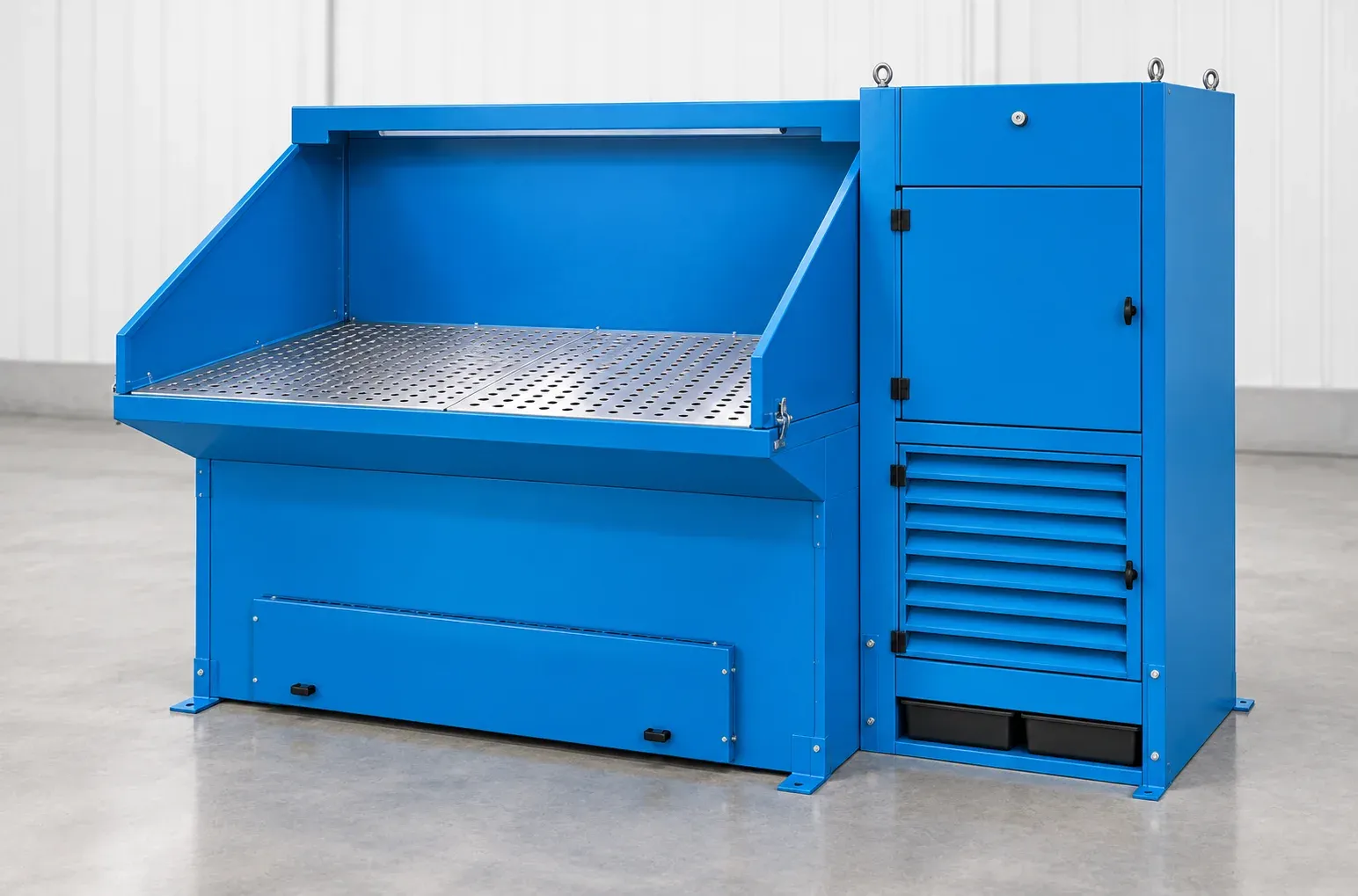
Cartridge-filter dust collectors for welding, grinding, processing and material handling, supplied as central units, portable units, workstations and downdraft tables.
- Model
- MM-CDC
- Product group
- Dust Collectors & FGD Systems
- Equipment type
- Cartridge dust collector series
- Styles
- Central, workstation and downdraft table
- Central, portable, workstation and downdraft styles
- Cartridge media chosen for the dust type
- Fan, hopper or dust bin and controls by project
- Spark protection and explosion measures available
- Selection starts from dust properties and airflow
Overview
How a cartridge collector works
Dusty air is drawn into the collector, passes through pleated filter cartridges that hold the dust on their surface, and leaves clean. A pulse of compressed air cleans the cartridges at intervals so they keep running without stopping. The pleated design packs a large filter area into a small housing, which is why cartridge collectors suit compact plants.
Styles for different jobs
Central units serve several dust sources through ductwork. Portable units move between stations for light or occasional work. Workstations combine an enclosure and collector for a single bench. Downdraft tables pull dust and fume down and away from the operator. We help you pick the style from your layout and how many pickup points you have.
Dust matters more than machine size
Selecting a collector is not just a matter of airflow. The type of dust, its particle size, moisture, stickiness and whether it can burn or explode control the filter media, the cleaning method and the safety features. Combustible dusts in particular call for a professional risk assessment, and venting or suppression measures may be required. A picture of a collector cannot tell you whether it is suitable for your dust.
Configuration
We offer different cartridge media, fan sizes, hoppers or dust drums, control panels, spark traps and explosion protection. Exhaust can return to the room or go outdoors, subject to local rules.
Sizing the unit
The unit is chosen from the dust type and source, the airflow needed at each pickup, duct layout, available floor space, power supply and applicable regulations. A drawing comes with the recommendation.
Delivery
Collectors ship assembled or in modules, with manuals and spare cartridge lists.
Ordering
Our engineers answer each inquiry with a written scope, drawings or a specification, and a plain list of what is included and what is not. The quote checklist below shows what we need to start.
Maintenance and wear parts
The cartridges are the wear part. Life ranges from a few months on sticky or oily fume to several years on dry, coarse dust, and the best sign of wear is differential pressure that stays high after a cleaning cycle. Replace cartridges before the fan is forced to run at the top of its curve, because that wastes power and lowers capture at the hood.
Check the pulse valves and diaphragms at each service; a stuck valve leaves one row of cartridges uncleaned. Keep the compressed-air supply dry and at the pressure we state in the manual. Empty the dust bin before it is full, and wear the right respirator when you do it, since the dust you captured is the dust you are now handling. On welding and grinding units, clear spark traps and hood screens regularly. Keep a set of spare cartridges and gaskets on site so a filter change takes one shift, not one week.
Specifications
| Model | MM-CDC |
|---|---|
| Equipment type | Cartridge dust collector series |
| Styles | Central, workstation and downdraft table |
| Cartridge media | spunbond polyester or nanofiber-coated blends |
| Air-to-media ratio | about 0.5–1.5 m/min, lower for fine fume |
| Filtration efficiency | commonly above 99% on fine dust |
| Cleaning method | compressed-air pulse-jet at about 0.5–0.7 MPa |
| Operating pressure drop | about 800–1,500 Pa across the cartridges |
| Fan motor | about 1.5–30 kW, from workstations to central units |
| Clean-air outlet | below about 10 mg/m³ with intact cartridges |
Configurations
| Configuration options | Cartridge media, fan, hopper or dust bin, controls, spark protection and explosion protection per application |
|---|
Standard equipment
- Cartridge filter elements
- Pulse-jet cleaning valves and compressed-air header
- Fan and motor with support frame
- Dust hopper or removable dust bin
- Differential-pressure gauge
- Inlet and outlet connections
Options
- Spark arrestor on the inlet duct
- Explosion vent panel or suppression kit
- Fire-retardant or hydrophobic cartridge media
- Automatic timer or pressure-controlled cleaning
- Silencer on the fan outlet
- Return-air duct for recirculation to the workshop
Frequently asked questions
Can I use one collector for several machines?
Yes, a central unit can serve several pickup points through ducts, if airflow and dust types are compatible. We check this during selection.
Is your collector suitable for combustible dust?
Only with proper design: specific media, venting or suppression and a site risk assessment. The dust properties decide which options apply.
How often do the cartridges need replacement?
Life depends on the dust and operating hours. We supply a spare list and advise on replacement signs such as rising pressure drop.
How often do the cartridges need replacing?
It depends on the dust, the hours run and how well the cleaning system works. Watch the differential-pressure gauge: when it stays high after cleaning, it is time to replace. A spare-cartridge set is easy to add to the order.
Request a quote: Industrial Cartridge Dust Collectors
Send your requirement and our engineers reply with the configuration, lead time and a quotation.
Related products
Environmental & Recycling · Single machine
1100 L Roller-Bin Waste Compactor Station
Environmental & Recycling · Single machine
240 L Two-Wheel Plastic Waste Bin