Start with the pollutant, not the machine
Air pollution control equipment is sorted by what it takes out of the gas. Particles (dust, fume, ash) are caught by filters, cyclones or electrostatic precipitators. Acid gases and water-soluble compounds are absorbed in scrubbers. Picking a machine before you know the pollutant is the most common reason for an unsuitable quote.
Our range today covers two of these routes, and each is a separate product with a different buying process.
| Cartridge dust collector | Wet FGD system | |
|---|---|---|
| Removes | Dust and welding or grinding fume | Sulfur dioxide from boiler and furnace exhaust |
| Method | Pleated filter cartridges cleaned by compressed-air pulses | Slurry or seawater sprayed through the gas in an absorber tower |
| Styles / routes | Central, portable, workstation, downdraft table | Limestone-gypsum, seawater |
| Sizing basis | Dust type, airflow at each pickup, duct layout | Gas flow, temperature, SO2 inlet and outlet limit |
| Typical scale | Workstation to central unit, fan about 1.5-30 kW (typical class values) | Plant built around a boiler; absorber tower can stand 15-35 m tall |
| Selling model | Standard series with configuration | Engineered project with written scope |
Dust collectors: when cartridges fit
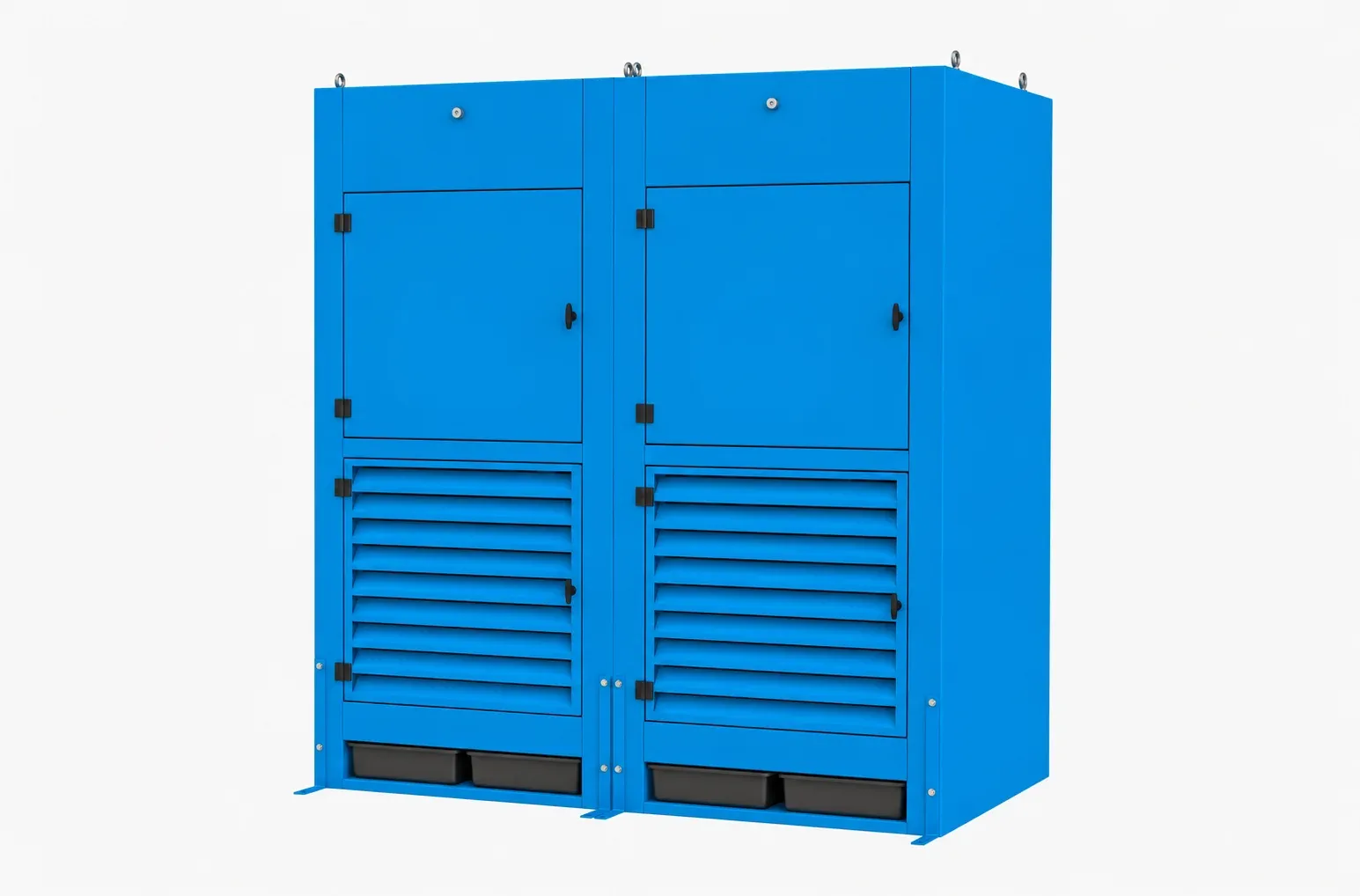
A cartridge collector packs a lot of filter area into a small housing, which suits indoor plants and limited floor space. Trade engineering sources put cartridge units as the economical choice up to roughly 20,000 acfm (about 34,000 m3/h), with baghouses taking over above that, and bags preferred for hot or sticky dust. Our industrial cartridge dust collectors come as central units serving several pickup points through ducts, portable units for occasional work, workstations for a single bench, and downdraft tables that pull fume away from the operator. For a deeper comparison with bag filters, read our guide to cartridge vs baghouse dust collectors.
The media, fan, hopper or dust bin, controls, spark protection and explosion measures are configured per job. If your dust can burn, say so at the first message: it changes the whole specification.
FGD: a project, not a catalog item
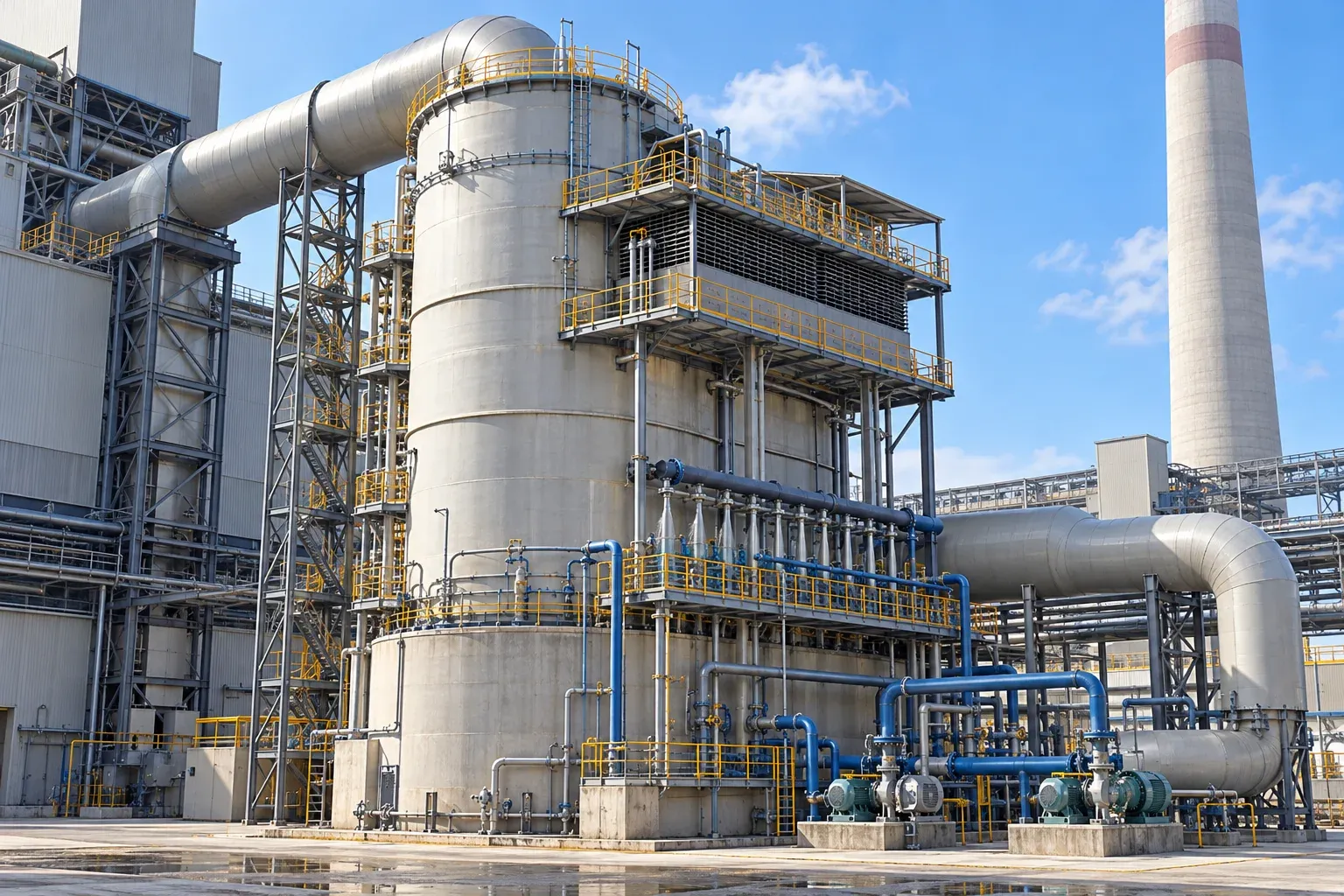
Wet flue gas desulfurization removes sulfur dioxide when you burn coal, oil or other sulfur-bearing fuel. The wet limestone-gypsum and seawater FGD system is designed around your gas flow, temperature, sulfur content, dust loading and the emission limit you must meet. Limestone-gypsum suits sites with limestone supply and room for slurry handling; the seawater route needs a coastal site and permission to discharge treated water. We compare both when both are possible, and removal efficiency is fixed in the contract rather than quoted as a general number.
Large vessels may be fabricated locally to our drawings, which keeps freight reasonable for tall towers.
What to send for a quote
- Pollutant: dust, fume or SO2, and the process that produces it
- For dust: particle description, moisture, stickiness, and whether it is combustible
- Airflow required and the number of pickup points, or flue gas flow in Nm3/h
- Gas temperature and, for FGD, inlet SO2 and the outlet limit you must meet
- Fuel type (boilers) and availability of limestone or seawater
- Duct layout, available space and power supply
- Scope wanted: equipment only, or with civil works and controls
Send this through the contact page and an engineer replies with a written scope and a clear list of what is and is not included.
Where this fits in the wider range
Air pollution control sits beside our waste handling products in Environmental & Recycling. If your site also produces bulk waste, see the waste bins and compactors group.